

Have you ever stopped to wonder what exactly you lose when you sweat? It’s more than just water dripping from your skin.
Every drop carries something valuable out of your body. Understanding what leaves your system as you sweat can help you take better care of yourself, improve your workouts, and boost your overall health. Keep reading to discover the surprising things you lose through sweat—and why it matters to you.
The Science Of Sweating
Sweating is the body’s natural way to cool down. It happens when your body heats up from exercise or hot weather.
When you sweat, your body loses water and other substances. These help keep your body working well.
What Sweating Does To Your Body
Sweating helps lower your body temperature. Sweat comes from sweat glands in your skin. When sweat evaporates, it cools your body.
What You Lose When You Sweat
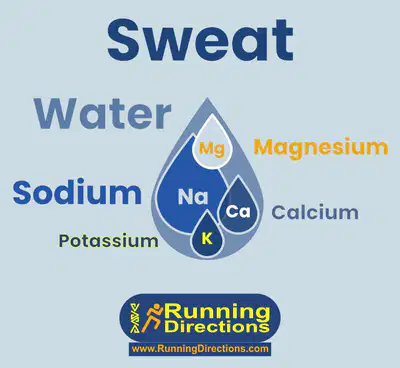
Your sweat contains mostly water. It also has small amounts of salts and minerals. Losing these affects your body’s balance.
- Water – keeps your body hydrated
- Sodium – helps nerve and muscle function
- Potassium – supports heart and muscles
- Calcium – important for bones and nerves
- Magnesium – helps energy and muscles
How Sweating Affects Electrolyte Levels
Electrolytes are minerals that carry electric charges. Sweating lowers their levels. This can cause tiredness and cramps.
| Electrolyte | Role in Body | Effect of Loss |
| Sodium | Controls fluid balance | Muscle cramps, fatigue |
| Potassium | Heart and muscle function | Weakness, irregular heartbeat |
| Calcium | Bone strength, nerves | Twitches, numbness |
| Magnesium | Energy, muscle health | Muscle cramps, tiredness |
Replacing What You Lose
Drinking water helps replace lost fluids. Eating foods with minerals restores electrolytes. Sports drinks can help after heavy sweating.
Tip:Include salty snacks or bananas to replace sodium and potassium after exercise.
Components Of Sweat
Sweat is mostly water that comes out of your skin. It helps cool your body down when you get hot.
Sweat also contains other parts like salts and tiny minerals. These parts leave your body when you sweat.
Water
Water is the main part of sweat. It makes up about 99% of sweat volume.
When you sweat, your body loses water. This can cause dehydration if you do not drink enough fluids.
Electrolytes
Electrolytes are salts that help your body work properly. Sweat contains sodium, potassium, and chloride.
Losing too many electrolytes can cause muscle cramps and tiredness. It is important to replace them after heavy sweating.
- Sodium
- Potassium
- Chloride
Trace Minerals
Trace minerals are tiny amounts of other elements lost in sweat. They include zinc, copper, and iron.
These minerals help your body stay healthy. Losing them in sweat is usually small but can add up with heavy sweating.
Role Of Electrolytes
When you sweat, your body loses more than just water. Electrolytes leave your body too. These minerals help keep your body working well.
Electrolytes balance fluids and support nerves and muscles. Losing them can cause problems like cramps or fatigue.
Sodium And Chloride
Sodium and chloride are the main electrolytes lost in sweat. They help control fluid balance and blood pressure. Sodium also helps muscles and nerves work properly.
- Regulate fluid inside and outside cells
- Maintain blood volume and pressure
- Support nerve signals and muscle contractions
Potassium
Potassium is important for muscle function and heart health. Sweating causes some potassium loss, but less than sodium.
| Function | Effect of Loss |
| Muscle contractions | Weakness or cramps |
| Heart rhythm | Irregular heartbeat |
| Nerve signals | Tingling or numbness |
Magnesium And Calcium
Magnesium and calcium help muscles relax and contract. Losing them can cause cramps and spasms. They also support bone health and energy production.
Key roles of magnesium and calcium:
- Magnesium aids energy creation and muscle relaxation.
- Calcium supports strong bones and muscle contraction.
- Both help prevent muscle cramps after sweating.

Credit: physoc.onlinelibrary.wiley.com
Impact On Body Hydration
Sweating causes your body to lose water and minerals. This loss affects your hydration level. Staying hydrated is important for good health and body functions.
When you sweat, your body cools down. But it also loses fluids that need to be replaced to keep you feeling well and active.
Dehydration Risks
Dehydration happens when your body loses more water than it takes in. This can cause several problems. It reduces your energy and makes it hard to focus.
- Headaches and dizziness
- Dry mouth and skin
- Muscle cramps
- Faster heartbeat
- Heat exhaustion or heat stroke
Hydration Balance
Your body keeps a balance of water and minerals. This balance is needed for your cells to work well. Sweating changes this balance by removing fluids and salt.
| Element | Role in Body | Effect of Loss |
| Water | Keeps cells hydrated | Causes dehydration |
| Salt (Sodium) | Regulates fluid balance | Leads to muscle cramps |
| Potassium | Supports nerve function | Can cause weakness |
| Magnesium | Helps muscle and nerve function | May cause fatigue |
Effects On Physical Performance
Sweating helps cool your body, but it also causes you to lose important fluids and minerals. These losses can affect how well your body works during exercise.
Understanding what you lose when you sweat helps you keep your strength and energy while staying active.
Endurance Levels
Sweating causes loss of water and salt, which lowers blood volume. This makes the heart work harder to pump blood.
Lower blood volume reduces oxygen delivery to muscles, causing you to tire faster. Your endurance drops as a result.
- Fluid loss leads to dehydration
- Dehydration decreases blood volume
- Less oxygen reaches muscles
- Endurance and stamina decrease
Muscle Function
Sweating also removes important minerals like potassium and sodium. These minerals help muscles contract and relax properly.
When mineral levels drop, muscles can cramp or feel weak. This reduces your strength and slows down recovery after exercise.
- Minerals lost include potassium and sodium
- Mineral loss affects muscle contraction
- Muscle cramps and weakness may occur
- Muscle performance and recovery suffer
Health Benefits Of Sweating
Sweating is the body’s natural way to cool down. It also helps keep the body healthy.
When you sweat, your body loses more than just water. It supports important health processes.
Detoxification
Sweating helps remove toxins from the body. Harmful substances leave through sweat glands.
- Heavy metals like lead and mercury can exit through sweat.
- Excess salts and chemicals also get flushed out.
- Sweating supports kidney and liver functions by easing their load.
Skin Health
Sweating cleans out pores and helps keep skin clear. It flushes out dirt and oils.
| Benefit | How Sweating Helps |
| Clearer Pores | Sweat opens pores and removes buildup |
| Improved Hydration | Stimulates natural skin oils |
| Better Circulation | Increases blood flow to skin surface |
Managing Sweat Loss
Sweating helps cool your body during exercise or hot weather. You lose water and important minerals when you sweat.
Managing sweat loss keeps your body working well and avoids dehydration or cramps.
Hydration Strategies
Drink water before, during, and after activities that make you sweat. This keeps your body fluids balanced.
- Start with a glass of water before exercise
- Drink small amounts every 15-20 minutes while active
- Replace lost fluids after sweating stops
- Avoid drinks with too much sugar or caffeine
Electrolyte Replenishment
Sweat contains electrolytes like sodium, potassium, and magnesium. These help your muscles and nerves work properly.
| Electrolyte | Function | Food Source |
| Sodium | Keeps fluid balance | Salt, pickles, broth |
| Potassium | Supports muscle function | Bananas, potatoes, spinach |
| Magnesium | Prevents cramps | Nuts, seeds, whole grains |

Credit: www.shefinds.com
Sweating Myths And Facts
Sweating is a natural way your body cools down. Many people have wrong ideas about what you lose when you sweat.
This article clears up common myths and gives facts about sweating and what it means for your health.
Sweat Means You Lose A Lot Of Nutrients
Many believe sweating causes major loss of vitamins and minerals. The truth is sweat mostly contains water and salt. The body does not lose significant amounts of vitamins through sweat.
Sweating Causes Weight Loss
Sweating can make you feel lighter but this is only water weight. Once you drink fluids, your weight returns. Real fat loss comes from diet and exercise.
Sweating Cleanses Your Body
Sweat does help remove some waste, but the liver and kidneys do most of the detox work. Sweating is not a main way to cleanse your body.
What You Lose In Sweat
| Substance | Amount Lost in Sweat |
| Water | High |
| Sodium (Salt) | Moderate |
| Potassium | Low |
| Calcium | Very Low |
| Magnesium | Very Low |
| Vitamins | Negligible |
Tips To Replace Lost Fluids And Minerals
- Drink water regularly during and after sweating
- Eat foods with natural salts like nuts and seeds
- Include fruits and vegetables rich in potassium
- Avoid too much caffeine or alcohol that dehydrate
- Consider sports drinks for heavy sweating sessions
Credit: runningdirections.com
Frequently Asked Questions
What Substances Do You Lose When You Sweat?
When you sweat, your body loses water, salt, and small amounts of minerals like potassium and magnesium. Sweating helps regulate body temperature but also causes these essential substances to leave your system.
How Much Water Is Lost Through Sweating?
On average, a person can lose 0. 5 to 2 liters of water per hour through sweating. The exact amount depends on activity level, temperature, and individual factors like metabolism and hydration.
Does Sweating Cause Loss Of Electrolytes?
Yes, sweating results in the loss of electrolytes such as sodium, potassium, and chloride. These minerals are vital for muscle function and hydration balance, so replenishing them is important after heavy sweating.
Can Sweating Lead To Nutrient Depletion?
Sweating primarily causes loss of water and electrolytes, not significant nutrients like vitamins or proteins. However, prolonged sweating without proper hydration and nutrition can indirectly affect nutrient levels.
Conclusion
Sweating causes your body to lose water and salt. These losses can make you feel tired or thirsty. Drinking water helps you stay healthy and strong. Replacing salt is important after heavy sweating. Sweat also removes small amounts of minerals and toxins.
Your body cools down to protect itself from heat. Remember to drink fluids during and after exercise. Staying hydrated keeps your muscles working well. Sweat is natural and helps your body stay safe. Take care of your body by balancing fluids and minerals.


