
Have you ever wondered if the balance of minerals in your body could be affecting your blood pressure? You might be surprised to learn that low electrolytes could play a bigger role than you think.
If you’re struggling to keep your blood pressure in check, understanding this connection could be the key to better health. Keep reading to discover how your body’s electrolyte levels impact your blood pressure and what you can do to keep both in balance.
This information might just change the way you manage your health every day.
Credit: drjockers.com
Electrolytes And Their Role
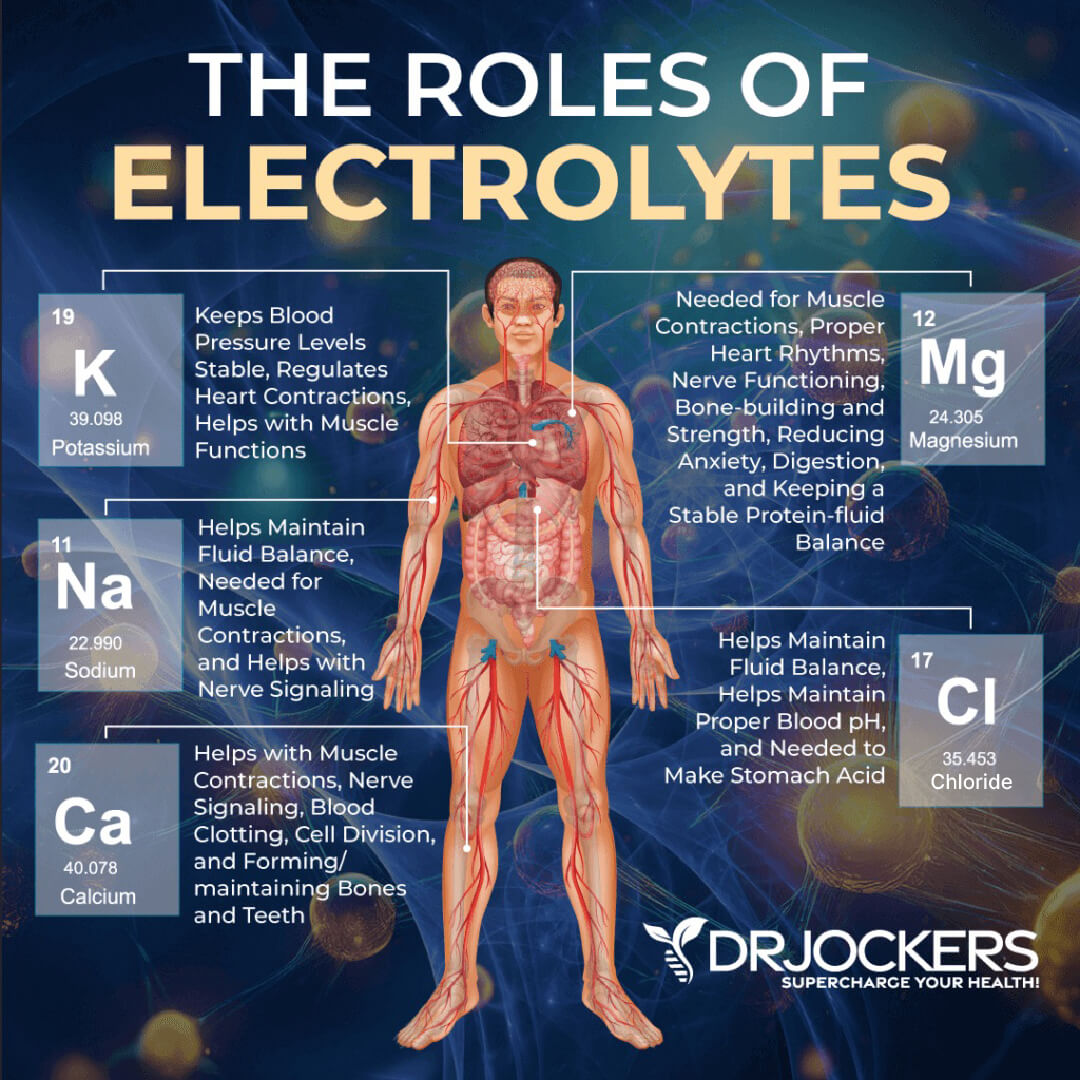
Electrolytes are minerals that carry an electric charge. They help balance fluids in the body and keep the heart and muscles working well.
Low electrolytes can affect blood pressure and other body functions. Understanding key electrolytes helps explain their role in health.
Key Electrolytes In The Body
- Sodium
- Potassium
- Calcium
- Magnesium
- Chloride
These electrolytes are found in blood, urine, and fluids inside and outside cells. Each one has a special job.
Functions Of Electrolytes
| Electrolyte | Main Function |
| Sodium | Controls fluid balance and blood pressure |
| Potassium | Keeps heart rhythm steady and muscles working |
| Calcium | Builds bones and helps muscles contract |
| Magnesium | Supports muscle and nerve function |
| Chloride | Maintains acid-base balance |

Credit: www.vhtc.org
Causes Of Low Electrolytes
Electrolytes are minerals that help control blood pressure and body functions. Low electrolytes can affect how your body works.
Understanding what causes low electrolytes is important for managing health and blood pressure issues.
Dietary Deficiencies
Not eating enough foods with minerals like sodium, potassium, and magnesium can lower electrolytes. Poor diet affects electrolyte balance.
People who skip meals or follow strict diets may miss important electrolytes. This can cause imbalances in the body.
- Low intake of fruits and vegetables
- Not drinking enough fluids
- Poor absorption of nutrients from food
Medical Conditions
Certain illnesses can cause your body to lose electrolytes quickly. This can lead to low levels in the blood.
Conditions like kidney problems or diarrhea make it hard to keep the right electrolyte balance.
- Kidney disease affecting electrolyte filtering
- Severe vomiting or diarrhea
- Hormone disorders like Addison’s disease
- Excessive sweating from fever or exercise
Medications And Treatments
Some medicines cause your body to lose electrolytes. This can lower their levels in your blood.
Doctors may prescribe treatments that affect electrolyte balance as a side effect.
- Diuretics that increase urine output
- Some antibiotics and chemotherapy drugs
- Medications for heart or blood pressure problems
- Excessive use of laxatives
Symptoms Of Electrolyte Imbalance
Electrolytes are minerals like sodium, potassium, and calcium. They help your body work properly.
When electrolytes are low, your body shows signs that something is wrong. These signs are called symptoms.
Physical Symptoms
Low electrolytes can cause many physical problems. Your muscles might feel weak or cramp.
You may also notice tiredness, headaches, or changes in heartbeat. Sometimes, you feel dizzy or faint.
- Muscle weakness or cramps
- Fatigue and headaches
- Irregular heartbeat
- Dizziness or fainting
- Swelling or fluid buildup
Cognitive And Emotional Effects
Electrolyte imbalance can affect your brain. You might feel confused or have trouble focusing.
Some people feel anxious, restless, or moody. These effects happen because the brain needs electrolytes to work well.
- Confusion or difficulty concentrating
- Anxiety and restlessness
- Mood swings or irritability
- Memory problems
Understanding Blood Pressure
Blood pressure is a key measure of heart health. It shows how hard blood pushes against artery walls.
Knowing what affects blood pressure helps us keep it in a safe range.
What Is Blood Pressure?
Blood pressure is the force of blood moving through your arteries. It has two numbers:
- Systolic pressure: pressure when the heart beats
- Diastolic pressure: pressure when the heart rests between beats
Normal blood pressure is usually around 120/80 mmHg. High blood pressure means the heart works harder.
Factors Influencing Blood Pressure
| Factor | Effect on Blood Pressure |
| Salt Intake | Can increase blood pressure by holding water |
| Electrolyte Levels | Low electrolytes may disturb blood pressure control |
| Stress | Raises blood pressure temporarily |
| Physical Activity | Helps lower blood pressure over time |
| Weight | Higher weight can increase blood pressure |
Link Between Electrolytes And Blood Pressure
Electrolytes are minerals in your body. They help keep your blood pressure balanced.
Low electrolytes can sometimes affect how your blood pressure behaves. Understanding this link is important for health.
Research Findings
Studies show that low levels of sodium and potassium can change blood pressure. Low potassium often leads to high blood pressure.
Some research finds that low magnesium and calcium also play a role in increasing blood pressure.
- Low potassium relates to higher blood pressure.
- Low magnesium may increase blood pressure risks.
- Calcium deficiency can affect blood vessel health.
Mechanisms Of Interaction
Electrolytes control how blood vessels tighten or relax. This affects how hard the heart must pump.
Low electrolytes can cause blood vessels to narrow. Narrow vessels raise blood pressure.
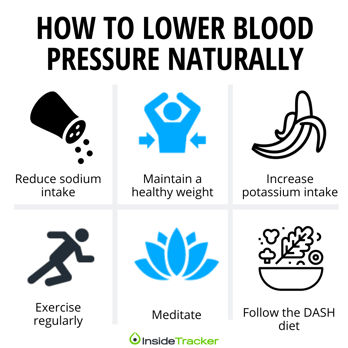
- Sodium helps balance fluid in the body.
- Potassium relaxes blood vessels.
- Magnesium supports muscle function in vessel walls.
- Calcium helps vessels contract properly.
Credit: blog.insidetracker.com
Potential Health Risks
Low electrolytes can affect the balance of fluids in your body. This may impact your blood pressure.
Understanding the risks helps you recognize symptoms early. It also guides you in managing your health.
Short-term Effects
When electrolytes drop, your blood pressure may rise suddenly. This can cause dizziness and headaches.
- Muscle cramps and weakness
- Irregular heartbeat
- Fatigue and confusion
- Increased blood pressure spikes
Long-term Complications
Ongoing low electrolyte levels can damage organs. Your heart and kidneys may be at risk.
| Complication | Possible Outcome |
| Chronic high blood pressure | Heart disease risk increases |
| Kidney damage | Loss of kidney function |
| Stroke | Brain injury or death |
Preventing And Managing Imbalances
Low electrolytes can cause many health problems. One concern is their effect on blood pressure. Balancing electrolytes helps keep blood pressure stable.
Here are ways to prevent and manage electrolyte imbalances to support healthy blood pressure.
Dietary Adjustments
Eating the right foods can improve electrolyte levels. Focus on foods rich in potassium, magnesium, and sodium. These minerals help regulate blood pressure.
- Include bananas, oranges, and spinach for potassium
- Eat nuts, seeds, and whole grains for magnesium
- Use salt moderately to maintain sodium balance
- Drink enough water to stay hydrated
Supplements And Medications
Sometimes diet alone is not enough. Supplements can help restore low electrolyte levels. Always talk to your doctor before starting any.
| Supplement | Purpose | Notes |
| Potassium chloride | Raises potassium levels | Use only if doctor advises |
| Magnesium oxide | Increases magnesium | Can cause stomach upset |
| Sodium tablets | Boosts sodium | Rarely needed |
| Diuretics | Manage fluid balance | Can affect electrolytes |
Lifestyle Changes
Daily habits impact electrolyte balance and blood pressure. Simple lifestyle changes can make a big difference.
- Exercise regularly to improve circulation
- Avoid excessive alcohol and caffeine
- Manage stress through relaxation techniques
- Get enough sleep every night
- Limit processed foods high in sodium
When To Seek Medical Advice
Low electrolytes can affect your blood pressure. Sometimes, they may cause it to rise. Knowing when to get medical help is important.
High blood pressure can be serious. Watch for signs that need quick care from a doctor.
Warning Signs
Look out for symptoms that suggest your blood pressure is too high. These signs mean you should see a doctor soon.
- Severe headaches that do not go away
- Feeling dizzy or faint
- Chest pain or tightness
- Shortness of breath
- Blurred vision or sudden eyesight changes
- Confusion or trouble speaking clearly
If you feel any of these, get medical help right away. They may show your body needs urgent care.
Importance Of Professional Guidance
A doctor can test your electrolyte levels and blood pressure. They will find the right treatment for you.
Managing electrolytes and blood pressure needs expert advice. Avoid trying to fix it alone.
- Doctors can adjust your diet and fluids safely
- They may prescribe medicine if needed
- Regular check-ups help track your progress
- Professional guidance lowers risks of complications
Frequently Asked Questions
Can Low Electrolytes Lead To High Blood Pressure?
Low electrolytes can disrupt fluid balance, sometimes causing high blood pressure. Sodium, potassium, and magnesium levels directly affect blood pressure regulation.
Which Electrolytes Impact Blood Pressure Most?
Sodium raises blood pressure, while potassium and magnesium help lower it. Proper balance of these electrolytes is essential for healthy blood pressure.
How Does Potassium Deficiency Affect Blood Pressure?
Potassium deficiency can cause blood vessels to constrict, raising blood pressure. Adequate potassium intake helps relax vessels and maintain normal pressure.
Can Electrolyte Imbalance Cause Hypertension Symptoms?
Yes, electrolyte imbalances can trigger symptoms like headaches and dizziness linked to high blood pressure. Balancing electrolytes supports healthy blood pressure and reduces symptoms.
Conclusion
Low electrolytes can affect blood pressure in various ways. They help balance fluids and support heart function. Without enough electrolytes, blood pressure may rise or fall unexpectedly. Keeping electrolyte levels steady is important for healthy blood pressure. Simple steps like eating balanced foods and drinking enough water can help.
Always talk to a doctor if you notice changes in blood pressure. Understanding this link helps manage your health better. Small changes make a big difference over time. Stay aware and take care of your body daily.


