

Choosing the right yoga mat thickness can be a game-changer for your practice. You might wonder why the thickness of a yoga mat even matters.
Imagine sliding into a peaceful downward dog only to feel discomfort or instability. The right mat thickness can make all the difference in providing comfort and support, allowing you to focus entirely on your practice. Whether you’re a beginner or a seasoned yogi, understanding the role of mat thickness can enhance your experience.
Dive into this guide to discover how to find the perfect thickness for your yoga mat, ensuring each pose feels just right for you.
Choosing The Right Thickness
Choosing the right yoga mat thickness can improve your comfort and practice. It depends on your needs and the type of yoga you do.
Yoga mats come in different thicknesses. Each thickness offers unique benefits for your body and stability.
Standard Thickness Options
| Thickness | Ideal Use | Comfort Level |
| 1/16 inch (1.5 mm) | Travel and hot yoga | Low |
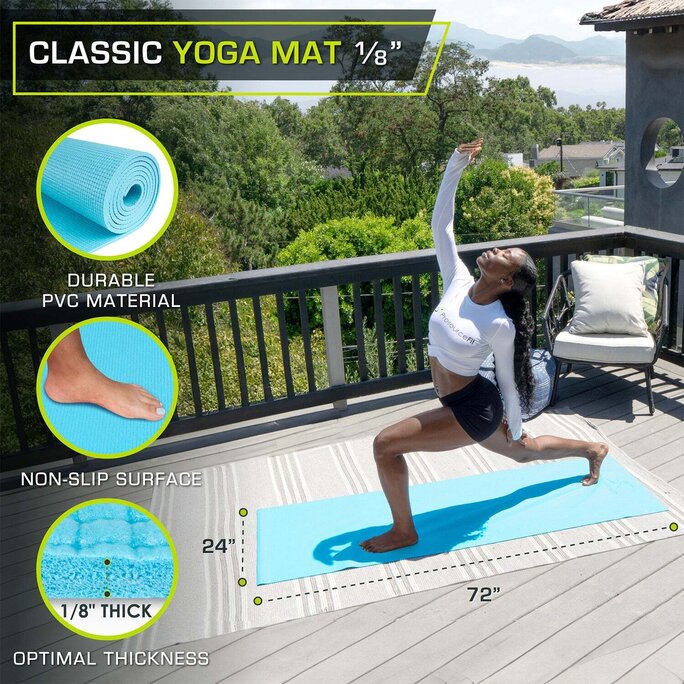
| 1/8 inch (3 mm) | Most yoga styles | Medium |
| 1/4 inch (6 mm) | Gentle yoga and beginners | High |
| 1/2 inch (12 mm) or more | Therapy and extra cushioning | Very High |
Benefits Of Thin Mats
Thin mats keep you close to the floor. This helps with balance and stability during poses.
- Lightweight and easy to carry
- Better ground feel for balance
- Dries quickly after sweating
- Ideal for travel and hot yoga
Advantages Of Thick Mats
Thick mats provide more cushioning. They protect your joints during floor poses and long sessions.
- Extra padding for knees and elbows
- Comfort for gentle or restorative yoga
- Good for hard floors
- Offers warmth and insulation
Credit: www.govx.com
Matching Thickness To Practice Type
Choosing the right yoga mat thickness helps improve your practice. Different yoga styles need different mat thicknesses.
This guide explains which thickness works best for your yoga type.
Yoga Styles Needing Thin Mats
Thin mats provide better balance and stability. They are good for styles with standing poses and balance work.
- Ashtanga Yoga
- Vinyasa Yoga
- Hot Yoga
- Bikram Yoga
Practices Suited For Thick Mats
Thick mats offer more cushion for joints. They are ideal for gentle or floor-based practices.
| Yoga Style | Recommended Thickness | Reason |
|---|---|---|
| Restorative Yoga | 6-8 mm | Extra cushioning for comfort |
| Yin Yoga | 6-8 mm | Support for long holds |
| Hatha Yoga | 5-7 mm | Balance of comfort and stability |
Hybrid Thickness For Versatility
Some mats combine thin and thick parts. This helps with different yoga needs in one mat.
Hybrid mats often feature:
- Thicker padding in the knee and elbow areas
- Thinner surface for balance and grip
- Lightweight design for travel
Impact On Comfort And Support
The thickness of a yoga mat affects how comfortable and supported you feel during practice. It plays a key role in protecting your body from hard floors.
Choosing the right thickness helps you stay comfortable and stable while doing different poses. It also helps avoid pain and injury.
Joint Protection
Thicker mats provide more cushioning for your knees, wrists, and elbows. This reduces pressure on your joints during poses.
Thin mats offer less padding, which can cause discomfort or pain on hard floors. People with sensitive joints benefit from thicker mats.
Balance And Stability
Thicker mats can feel softer but may reduce your balance. Thinner mats give better ground connection and stability.
Finding the right balance between cushion and firmness is important. A mat too thick can make balancing poses harder.
- Thin mats (1/16 inch) provide strong stability
- Medium mats (1/8 inch) offer balance and comfort
- Thick mats (1/4 inch or more) give extra cushion but less stability
Pressure Distribution
Thicker mats spread your body weight more evenly on the floor. This lowers pressure points on hips and heels.
Even pressure distribution helps you hold poses longer without pain. Thin mats focus pressure on small areas.
- Thicker mats reduce pressure on sensitive spots
- Better for seated and lying poses
- Thin mats may cause discomfort after long use

Credit: www.amazon.com
Material Choices And Thickness
Choosing the right yoga mat thickness depends on the material used. Thickness affects comfort and support during exercises.
Different materials offer varying levels of cushion and durability. Understanding these helps pick the best mat for your needs.
Foam Density And Cushioning
Foam density determines how soft or firm a yoga mat feels. High-density foam offers more support but less cushion. Low-density foam feels softer but may wear out faster.
- High-density foam supports joints well
- Low-density foam gives extra softness
- Medium density balances comfort and support
- Thicker mats usually have more cushion
Natural Vs Synthetic Materials
Yoga mats come in natural and synthetic materials. Natural mats use rubber, jute, or cotton. Synthetic mats use PVC, TPE, or EVA foam.
| Material Type | Common Thickness (mm) | Key Feature |
| Natural Rubber | 3-6 | Good grip and eco-friendly |
| Jute | 2-4 | Breathable and natural texture |
| PVC | 3-6 | Durable and affordable |
| TPE | 4-6 | Lightweight and non-toxic |
Durability Considerations
Durability depends on material quality and thickness. Thicker mats last longer but may be heavier. Thin mats are easy to carry but wear out fast.
- Check for tear resistance
- Choose mats with good water resistance
- Consider how often you will use the mat
- Store mats away from direct sunlight
Portability And Storage
Choosing the right yoga mat thickness affects how easy it is to carry and store. Thicker mats add comfort but can be heavier and bulkier.
Thinner mats are lighter and easier to pack but offer less cushioning. Think about your space and how often you travel with your mat.
Weight Differences
Thicker yoga mats usually weigh more because of extra material. This can make them harder to carry for long periods.
Thinner mats weigh less, making them better for people who move around a lot or travel by plane or bus.
- 1/4 inch thick mat: heavier, more cushion
- 1/8 inch thick mat: lighter, less cushion
- 1/16 inch thick mat: very light, minimal cushion
Ease Of Transport
Thinner mats roll up smaller, fitting into bags or backpacks easily. This saves effort when carrying them around.
Thicker mats take up more space and may need special straps or carriers. Some come with handles for better grip.
- Thin mats fit in most bags
- Thick mats may need a yoga mat strap
- Look for mats with built-in handles
Space-saving Tips
Store your yoga mat rolled up to save space. Keep it in a dry place to avoid damage.
Use wall hooks or yoga mat racks to keep mats off the floor and organized.
- Roll mats tightly to reduce size
- Use wall hooks or storage racks
- Choose thinner mats for small spaces
- Store mats vertically to save floor space
Cleaning And Maintenance Tips
Keeping your yoga mat clean helps you stay healthy and enjoy your practice. Dirt, sweat, and oils can build up on the mat. Regular cleaning and care keep your mat fresh and last longer.
Different mats need different care. Some materials need gentle cleaning, others can handle more. Knowing how to clean your mat right keeps it in good shape.
Material-specific Care
Yoga mats come in many materials like PVC, rubber, and foam. Each needs special care to stay strong and clean. Avoid harsh chemicals on natural rubber mats. Use mild soap and water for most mats.
- PVC mats:Wipe with warm water and mild soap.
- Natural rubber mats:Use gentle soap and avoid sunlight.
- Foam mats:Clean with a soft cloth and mild detergent.
Extending Mat Lifespan
Taking care of your mat helps it last longer. Store your mat rolled up in a cool, dry place. Avoid folding it to prevent cracks. Keep it away from direct sun to stop fading.
- Roll your mat loosely after use.
- Keep it away from heat and sunlight.
- Clean spills quickly to avoid stains.
- Use a mat bag or cover for travel.
Hygiene Best Practices
Good hygiene keeps your mat safe and pleasant to use. Clean your mat after every session. Let it dry completely before rolling. This prevents germs and bad smells.
- Wipe your mat with a damp cloth after each use.
- Use a spray made for yoga mats or mild soap and water.
- Allow your mat to air dry fully before storage.
- Consider using a towel on top of your mat during practice.
Budget And Price Factors
Choosing the right yoga mat thickness depends on your budget. Price and thickness often affect each other. Knowing how they relate helps you pick the best mat for your needs.
Yoga mats come in many thickness levels. Thicker mats usually cost more. Thinner mats tend to be cheaper but offer less cushioning.
Cost Vs Thickness Correlation
Thicker yoga mats need more material, which raises the price. Thin mats use less material and cost less. The price also changes based on the material quality.
- 1/8 inch mats are affordable but less cushioned
- 1/4 inch mats provide extra comfort and cost more
- 1/2 inch mats are rare and often pricey
Investing In Quality
Buying a good quality mat means a better experience. Thick mats with quality materials last longer. They protect your joints better during practice.
Spend a bit more to get durability and comfort. A quality mat saves money over time by not needing replacement soon.
- High-quality mats use non-toxic, eco-friendly materials
- Durable mats keep shape and thickness over time
- Comfortable mats reduce strain on knees and wrists
Affordable Options
You can find budget-friendly mats that still work well. Look for mats with moderate thickness around 1/8 to 1/6 inch. These mats balance cost and comfort.
Affordable mats may not last as long but are good for beginners or occasional use. Always check material and thickness before buying.
- Thin PVC mats are cheap but less eco-friendly
- Some foam mats offer decent thickness at low prices
- Look for sales or discounts to save money
User Reviews And Recommendations
Choosing the right thickness for a yoga mat can change your practice. Many users share their thoughts on comfort and support. This guide highlights popular mats and expert tips.
User reviews help find the best fit for different needs. Reading real experiences can guide your choice for a better yoga session.
Top-rated Mats By Thickness
Yoga mats come in thin, medium, and thick options. Each has fans who praise specific benefits. Here are some favorites based on thickness.
- Thin Mats (1/16 inch):Loved for travel and stability. Users say they feel connected to the floor.
- Medium Mats (1/8 inch):Balance comfort and support. Many users find this thickness good for most practices.
- Thick Mats (1/4 inch and above):Best for joint support and softness. Ideal for people needing extra cushioning.
Personal Comfort Stories
Many yoga practitioners share how mat thickness changed their comfort. Some choose thicker mats to protect knees and elbows.
Others prefer thin mats for better balance and grip. One user said a medium mat helped them avoid pain during long sessions.
- “A thick mat saved my knees during floor poses.”
- “Thin mats help me feel grounded and stable.”
- “Medium thickness is my go-to for all classes.”
Expert Advice
Yoga teachers suggest choosing thickness based on your practice style and body needs. If you do fast moves, thin mats offer better balance.
For slow, gentle yoga, thicker mats help protect joints. Experts say testing different thicknesses helps find the best option.
- Test mats in stores before buying.
- Consider your joint health and yoga style.
- Think about where you will practice most.
Credit: www.walmart.com
Frequently Asked Questions
What Is The Ideal Yoga Mat Thickness?
The ideal thickness is typically between 4mm and 6mm. This range provides good cushioning and support. It balances comfort and stability for most yoga styles. Thicker mats may be too soft for balance poses.
How Does Yoga Mat Thickness Affect Comfort?
Thicker mats offer better cushioning for joints and pressure points. They reduce discomfort on hard floors. However, very thick mats can reduce stability. Choose thickness based on your practice and comfort needs.
Which Yoga Mat Thickness Suits Beginners Best?
Beginners often benefit from mats around 5mm thick. This thickness provides enough padding for comfort. It also maintains stability for learning poses. It helps protect knees and wrists during practice.
Can Thick Yoga Mats Improve Joint Protection?
Yes, thicker mats absorb more impact and protect joints. They cushion knees, wrists, and elbows during poses. This is especially important for sensitive or injured joints. However, too thick mats may hinder balance.
Conclusion
Choosing the right yoga mat thickness matters for comfort and support. Thicker mats cushion your joints better during poses. Thinner mats help with balance and stability. Think about your practice style and where you will use it. A good mat makes your yoga time more enjoyable.
Try different thicknesses to find your best fit. Comfort and safety come first in any choice. Your body will thank you for the right mat. Keep it simple and listen to your needs. Yoga feels better with the right mat under you.


