

Have you ever wondered how long it takes to truly cleanse your body? You might be eager to feel refreshed, lighter, and more energized—but the timeline can vary more than you expect.
Knowing what to expect will help you stay motivated and avoid frustration. You’ll discover the key factors that influence your body’s cleansing process and realistic timeframes to aim for. By the end, you’ll have a clear picture of what it takes to reset your system and feel your best.
Keep reading—you’re closer to a healthier you than you think.
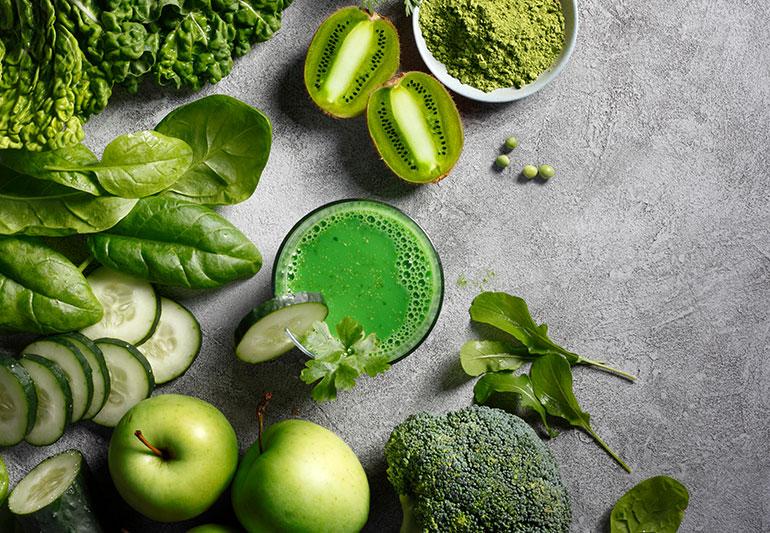
Credit: health.clevelandclinic.org
What Body Cleansing Means
Body cleansing is the process of removing toxins from your body. It helps improve your health and energy.
Many people use different ways to support their body’s natural ability to detoxify.
Natural Detox Processes
Your body cleanses itself every day using organs like the liver, kidneys, and skin. These organs filter out waste and harmful substances.
Good hydration, healthy food, and rest help these natural processes work well.
- The liver breaks down toxins to remove them.
- The kidneys filter blood and make urine.
- The lungs expel carbon dioxide and other gases.
- The skin removes waste through sweat.
Common Cleansing Methods
People use different methods to support body cleansing. These include changes in diet and lifestyle habits.
Some methods help speed up the removal of toxins or reduce the intake of harmful substances.
- Drinking more water to stay hydrated
- Eating fruits and vegetables rich in fiber
- Doing juice cleanses or fasting for short periods
- Using herbal teas that support digestion
- Avoiding processed foods and sugar
- Exercising to increase sweating and circulation
Factors Influencing Cleansing Duration
The time it takes to cleanse your body varies from person to person. Different factors change how fast your body removes toxins.
Understanding these factors helps set realistic expectations for your cleansing process.
Age And Metabolism
Young people usually have faster metabolisms. This helps them cleanse their bodies quicker.
Older adults may take longer because metabolism slows down with age. Their bodies also process toxins more slowly.
Diet And Hydration
Your diet affects cleansing speed. Eating whole foods supports the body’s natural detox process.
Drinking enough water is very important. Water helps flush out toxins and keeps organs working well.
- Fruits and vegetables aid in detoxification
- Processed foods can slow cleansing
- Water intake helps kidneys remove waste
Lifestyle And Activity Levels
Active people often cleanse faster. Exercise boosts circulation and sweat removes toxins.
Sedentary lifestyles may slow down the process. Movement helps keep the lymphatic system healthy.
- Regular exercise supports detox organs
- Sweating helps expel toxins
- Less activity can reduce cleansing speed
Health Conditions
Some health problems affect how fast you cleanse. Liver or kidney issues slow toxin removal.
Chronic illnesses can make cleansing longer. Always check with a doctor before starting a cleanse.
- Liver disease reduces detox ability
- Kidney problems affect waste removal
- Chronic illnesses may extend cleansing time
Popular Cleansing Programs
People use cleansing programs to help remove toxins from their bodies. These programs vary in length and methods.
The time it takes to cleanse depends on the type of program chosen. Some last a few days, others weeks.
Juice Fasts
Juice fasts involve drinking only fruit and vegetable juices. No solid food is eaten during the fast.
Most juice fasts last between 1 and 7 days. They provide vitamins and minerals while resting the digestive system.
- Common duration: 3 to 5 days
- Focus on fresh, raw juices
- Water intake is important
- Not for long-term use
Herbal Detoxes
Herbal detoxes use plants and herbs to help cleanse the liver and kidneys. These herbs support natural body functions.
Detox programs with herbs usually last 7 to 14 days. Some include teas, capsules, or tinctures.
- Common herbs: milk thistle, dandelion root, ginger
- Follow product instructions carefully
- Drink plenty of water
- Consult a doctor before starting
Water Cleanses
Water cleanses mean drinking only water for a set time. This gives the digestive system a full rest.
These cleanses can last 1 to 3 days but should be done with care. They may cause fatigue or dizziness.
- Duration usually 24 to 72 hours
- Only water, no food or other drinks
- Not recommended for beginners
- Medical supervision advised
Whole Food Cleanses
Whole food cleanses use natural, unprocessed foods. They avoid sugar, caffeine, and processed ingredients.
These cleanses last longer, usually 7 to 21 days. They focus on fruits, vegetables, nuts, and whole grains.
- Common length: 1 to 3 weeks
- Avoid processed and sugary foods
- Eat plenty of fiber-rich foods
- Supports healthy digestion
Typical Timelines For Cleansing
Cleansing your body means removing toxins and improving health. The time it takes depends on the type of cleanse you choose.
Some cleanses last a few days, while others extend for weeks or become part of your lifestyle. Knowing these timelines helps set clear goals.
Short-term Cleanses
Short-term cleanses usually last from one to three days. They focus on quick detox by limiting food intake or drinking special juices.
These cleanses give your digestive system a break and may boost energy. They are simple but should not be done too often.
- Lasts 1 to 3 days
- Often involves juice or water fasting
- Helps reset digestion quickly
- Not suitable for frequent use
Extended Detox Plans
Extended detox plans can last from one to four weeks. They often include clean eating and removing processed foods.
This approach helps your body remove toxins gradually. It supports weight loss and better digestion over time.
- Lasts 1 to 4 weeks
- Focuses on whole, unprocessed foods
- May include supplements or herbs
- Supports steady toxin removal
Long-term Lifestyle Changes
Long-term lifestyle changes mean adopting healthy habits every day. This helps your body stay clean and strong.
It takes months to build these habits. Eating well, exercising, and drinking water daily keep your system healthy.
- Ongoing daily habits
- Balanced diet with fruits and vegetables
- Regular physical activity
- Staying hydrated
Signs Your Body Is Cleansing
When you start cleansing your body, you may notice different signs. These signs show your body is getting rid of toxins.
Understanding these signs helps you know if your cleansing process is working well.
Physical Symptoms
Your body may show physical signs as it cleanses itself. These symptoms can vary from person to person.
Common physical signs include changes in digestion, skin, and energy levels.
- Increased urination and sweating to remove toxins
- Clearer skin or sometimes breakouts as impurities leave
- Feeling tired or having low energy for a short time
- Changes in bowel movements, like more frequent or softer stools
- Headaches as your body adjusts to fewer toxins
Mental And Emotional Changes
Cleansing your body can also affect your mind and emotions. You might feel different as toxins leave your system.
These changes can help you understand how cleansing impacts your overall health.
- Feeling clearer or more focused after some time
- Experiencing mood swings or irritability early in the process
- Feeling calmer and less stressed as toxins reduce
- Having vivid dreams or changes in sleep patterns
- Increased motivation to eat healthy and stay active

Credit: www.amazon.ca
Tips To Support Effective Cleansing
Cleaning your body takes time and care. Supporting your body helps the process work better.
Simple habits can make a big difference during cleansing. Focus on hydration, nutrition, rest, and avoiding toxins.
Hydration Strategies
Drinking enough water helps flush out toxins from your body. Aim to drink clean water throughout the day.
Herbal teas can also support hydration and soothe your system during cleansing.
- Drink at least 8 glasses of water daily
- Include herbal teas like chamomile or peppermint
- Avoid sugary or caffeinated drinks that dehydrate
Nutritional Support
Eat fresh fruits and vegetables to provide vitamins and minerals. These help your body remove waste.
Include foods rich in fiber to support digestion and toxin elimination.
- Choose leafy greens like spinach and kale
- Add fruits such as berries and apples
- Eat whole grains like oats and brown rice
Rest And Recovery
Sleep helps your body repair and remove toxins. Aim for seven to nine hours every night.
Take breaks during the day to relax and reduce stress. Rest supports your body’s cleansing functions.
- Maintain a regular sleep schedule
- Create a calm sleeping environment
- Practice deep breathing or meditation to relax
Avoiding Toxins
Limit exposure to harmful chemicals in food, air, and products. This helps your body focus on cleansing.
Choose natural and organic products when possible to reduce toxin intake.
- Avoid processed foods and artificial additives
- Skip smoking and limit alcohol consumption
- Use natural cleaning and personal care products
Potential Risks And Precautions
Cleansing your body can seem helpful, but it may have risks. Some cleanses are too strong and can harm your health.
It is important to take precautions and understand when to seek help. This keeps your body safe during cleansing.
When To Consult A Doctor
Talk to a doctor before starting any cleanse, especially if you have health issues. A doctor can advise if cleansing is safe for you.
See a doctor if you feel weak, dizzy, or very tired during a cleanse. These signs may mean your body is under stress.
- If you have diabetes, heart problems, or kidney disease
- If you are pregnant or breastfeeding
- If you take regular medications
- If you experience severe headaches or stomach pain
Avoiding Extreme Measures
Do not use cleanses that require fasting for many days or only liquids. These can cause dehydration and nutrient loss.
Steer clear of cleanses that promise quick weight loss or detox in a short time. These methods can damage your organs.
- Do not use harsh laxatives or enemas frequently
- Avoid very low-calorie diets without medical supervision
- Do not stop eating solid foods for too long
- Choose gentle, balanced cleanses instead

Credit: www.amazon.com
Frequently Asked Questions
How Long Does Body Cleansing Take?
Body cleansing duration varies based on the method used. Typically, a short detox lasts 3 to 7 days. However, a more comprehensive cleanse may take up to 30 days. It’s important to listen to your body and consult with a healthcare professional for personalized advice.
What Are The Benefits Of Body Cleansing?
Cleansing the body can improve digestion and boost energy levels. It may also enhance skin health and support weight loss. Additionally, it helps in removing toxins, promoting overall well-being. Always choose a cleansing method that suits your health needs and lifestyle.
Can Cleansing Improve My Energy Levels?
Yes, cleansing can improve energy levels by removing toxins from the body. This process supports better digestion and nutrient absorption. As a result, you may experience increased vitality and reduced fatigue. Choose a balanced cleanse for optimal energy benefits.
Are There Risks Associated With Body Cleansing?
Body cleansing may pose risks if not done properly. Extreme detox methods can lead to nutrient deficiencies and dehydration. It’s important to choose a balanced and safe method. Consulting a healthcare professional before starting any cleanse is advisable to avoid adverse effects.
Conclusion
Cleansing your body takes time and patience. Results depend on your diet and lifestyle. Drinking water and eating healthy foods help speed up the process. Small changes make a big difference over days or weeks. Stay consistent and listen to your body’s needs.
Remember, cleansing is about feeling better and healthier. Everyone’s journey is different, so go at your own pace. Keep your goals clear and stay motivated for lasting benefits.


