

Are you feeling tired, sluggish, or constantly craving sweets? The hidden culprit might be the sugar in your diet.
Sugar can sneak into your meals and snacks, affecting your energy, mood, and overall health. But what if you could reset your body and break free from those sugar cravings? This guide will show you exactly how to detox your body from sugar in simple, practical steps.
Keep reading to discover how small changes can make a big difference in how you feel every day. Your journey to a healthier, more energized you starts here.

Credit: www.suprodirect.com
Effects Of Excess Sugar
Eating too much sugar can harm your body in many ways. It affects your energy, weight, and mind.
Understanding these effects helps you make better choices. Reducing sugar is important for good health.
Impact On Energy Levels
Sugar gives quick energy but it does not last long. After a sugar rush, your energy drops fast.
This crash can make you feel tired and weak. Your body needs steady energy from healthy foods.
Sugar And Weight Gain
Eating too much sugar adds extra calories to your diet. These calories turn into fat if not used.
Sugar also makes you feel hungry more often. This can lead to eating more and gaining weight.
- Extra calories from sugary drinks and snacks
- Increased hunger and cravings
- Fat storage around the belly
Influence On Mental Health
High sugar intake can affect your mood and brain function. It may cause feelings of anxiety or sadness.
Sugar can also reduce your ability to focus. Eating less sugar helps keep your mind clear and balanced.

Credit: books.apple.com
Signs You Need A Sugar Detox
Eating too much sugar can harm your body and mind. It is important to notice when your body needs a break from sugar.
Some signs show that your body wants less sugar. Watch for these signs to know if you need a sugar detox.
Cravings And Mood Swings
Strong sugar cravings often mean your body is used to high sugar levels. You may feel sad or angry when you do not eat sugar.
Mood swings happen because sugar affects your brain chemicals. This can make your feelings change quickly and without reason.
- Wanting sweets all the time
- Feeling upset or angry easily
- Finding it hard to focus
Digestive Issues
Too much sugar can upset your stomach. You might have bloating, gas, or diarrhea after eating sugary foods.
Your gut bacteria can get out of balance from sugar. This causes discomfort and poor digestion.
- Feeling bloated after meals
- Having gas or cramps
- Experiencing diarrhea or constipation
Sleep Disruptions
Sugar can make it harder to fall asleep or stay asleep. You may feel tired even after a full night of rest.
High sugar intake can raise your energy quickly then cause a crash. This affects your natural sleep cycle and rest quality.
- Difficulty falling asleep
- Waking up often at night
- Feeling tired during the day
Preparing For The Detox
Detoxing from sugar helps improve your energy and health. Preparing well makes the process easier and more effective.
Start by planning your detox carefully. This will help you stay on track and avoid cravings.
Setting Realistic Goals
Set clear and simple goals for your sugar detox. Avoid trying to cut out all sugar at once.
Small steps help your body adjust and prevent strong cravings. Aim to reduce sugar gradually.
- Limit sugary drinks first
- Cut down sweets slowly
- Track your daily sugar intake
Clearing Out Sugary Foods
Remove sugary snacks and drinks from your home. This lowers the chance of giving in to cravings.
Check labels for hidden sugars in processed foods. Clearing these items helps you stay focused on your goal.
- Throw away candy, cookies, and cakes
- Discard sugary sodas and juices
- Look for sugar in bread, sauces, and dressings
Gathering Healthy Alternatives
Stock up on healthy snacks to replace sugary foods. This keeps you satisfied and reduces cravings.
Choose natural and whole foods that taste good without added sugar. Fresh fruits and nuts are great options.
- Fresh fruits like berries and apples
- Nuts and seeds for quick energy
- Plain yogurt or cottage cheese
- Vegetable sticks with hummus
Easy Steps To Detox
Detoxing your body from sugar can help you feel better and more energetic. It is not hard if you follow simple steps every day.
Cutting back on sugar improves your health. Use these easy tips to support your body during the detox process.
Hydration And Its Role
Water helps flush out toxins, including extra sugar, from your body. Drinking enough water keeps your organs working well.
Try to drink at least eight glasses of water daily. You can also drink herbal teas without sugar.
- Drink water before meals to reduce sugar cravings
- Carry a water bottle to remind yourself to drink
- Aim for clear or light yellow urine as a hydration sign
Increasing Fiber Intake
Fiber slows sugar absorption in your blood. It helps you feel full and reduces cravings for sweets.
Add fiber-rich foods like fruits, vegetables, and whole grains to your meals. They support digestion and keep your blood sugar stable.
- Eat fruits such as apples, berries, and pears
- Include vegetables like broccoli, carrots, and spinach
- Choose whole grain bread and brown rice instead of white
Incorporating Protein And Healthy Fats
Protein and healthy fats help balance your blood sugar. They provide lasting energy and reduce hunger for sugary snacks.
Include sources like nuts, seeds, fish, and lean meats in your diet. These nutrients keep you satisfied longer.
- Eat nuts like almonds and walnuts as snacks
- Use olive oil or avocado in cooking and salads
- Choose fish like salmon or mackerel for meals
Mindful Eating Habits
Pay attention to your hunger and fullness signals. Eating slowly helps you enjoy food and avoid overeating sugar.
Plan your meals and snacks to avoid impulsive sugar choices. Focus on real food and avoid processed items with hidden sugars.
- Eat without distractions like TV or phones
- Chew food well to improve digestion
- Stop eating when you feel comfortably full
Managing Withdrawal Symptoms
Detoxing your body from sugar can cause some withdrawal symptoms. These symptoms may make it hard to stay on track. Understanding how to manage them helps you feel better faster.
Withdrawal symptoms can include cravings, tiredness, and mood swings. Here are tips to handle these issues during your sugar detox.
Dealing With Cravings
Sugar cravings can feel strong and sudden. They usually happen because your body misses the quick energy sugar gives.
Drink water or herbal tea when a craving hits. This can help reduce the urge. Eating small healthy snacks like nuts or fruit can also help.
- Drink plenty of water
- Eat protein-rich snacks
- Keep healthy fruits nearby
- Distract yourself with a walk or hobby
Handling Fatigue And Mood Changes
Feeling tired or moody is common when you stop eating sugar. Your body is adjusting to a new energy source.
Get enough sleep and rest to help your body heal. Try light exercise like walking to boost your energy and mood.
- Sleep at least 7-8 hours each night
- Take short breaks during the day
- Do gentle exercises like stretching or walking
- Practice deep breathing or meditation
Staying Motivated
Keeping your motivation high helps you get through tough moments. Remind yourself why you want to quit sugar.
Set small goals and celebrate each win. Find support from friends or family who understand your journey.
- Write down your reasons for quitting sugar
- Track your progress daily or weekly
- Share your goals with a friend or group
- Reward yourself with non-food treats
Maintaining A Sugar-free Lifestyle
Living without sugar can improve your health and energy. It helps your body work better and reduces cravings.
Staying sugar-free needs focus and good habits. Small changes can make a big difference every day.
Reading Labels Carefully
Many foods have hidden sugar. Always check food labels before buying or eating.
Look for words that mean sugar. These include syrup, juice, maltose, and dextrose.
- Check the ingredients list for sugar names
- Watch out for terms like cane sugar or honey
- Compare products to find the lowest sugar
Healthy Snacking Options
Choose snacks that do not have added sugar. Fresh fruits, nuts, and vegetables are good choices.
Prepare snacks at home. This helps you avoid sugary treats and control what you eat.
- Fresh apple slices with peanut butter
- Carrot sticks with hummus dip
- Plain nuts like almonds or walnuts
- Greek yogurt without sugar added
Building A Support System
Having friends or family who support your choice helps you stay sugar-free. Share your goals with them.
Join groups or online communities with similar goals. They can offer tips and encouragement.
- Tell close friends about your sugar-free plan
- Find local groups focused on healthy living
- Use online forums to share progress and challenges
Benefits Of Long-term Sugar Reduction
Cutting down on sugar helps your body work better over time. It reduces risks of many health problems.
Lower sugar intake also improves how you think and feel every day. The effects last with long-term changes.
Improved Physical Health
Eating less sugar lowers the chance of getting diabetes and heart disease. It helps keep your weight in control.
Reducing sugar also protects your teeth and skin. Your body can heal faster and stay strong.
- Lower risk of type 2 diabetes
- Better heart health
- Weight management
- Healthier teeth and gums
- Improved skin condition
Enhanced Mental Clarity
Less sugar helps your brain stay sharp. It reduces brain fog and improves focus.
Your mood becomes more stable. You may feel less anxious and stressed without sugar spikes.
- Clearer thinking
- Better concentration
- Stable mood
- Less anxiety
- Improved memory
Sustained Energy Levels
Reducing sugar stops energy crashes after eating. Your energy stays steady throughout the day.
You feel less tired and more active. This helps with daily tasks and exercise.
- Stable blood sugar levels
- No energy crashes
- Improved stamina
- More physical activity
- Better sleep quality
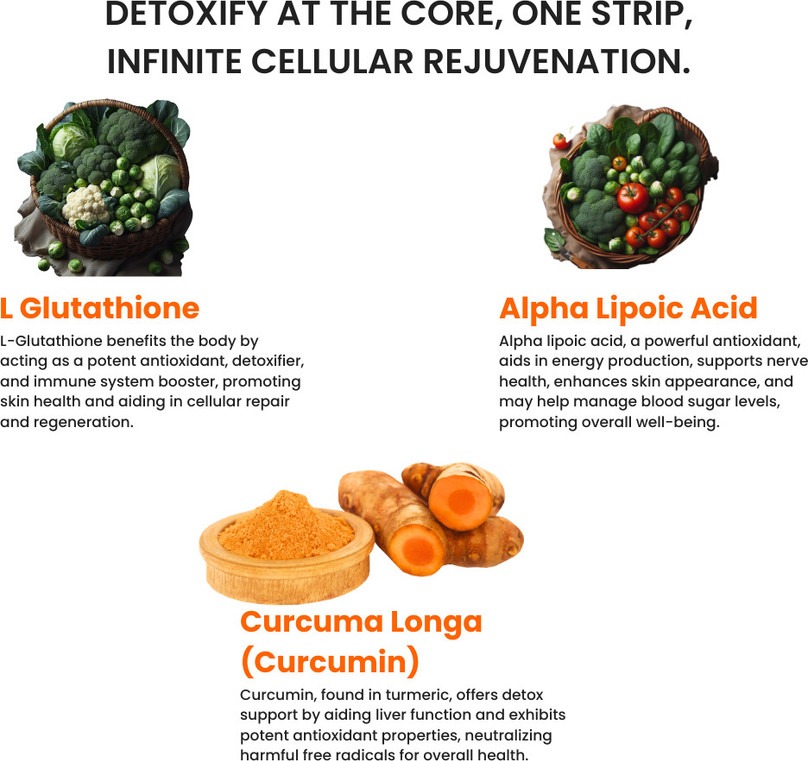
Credit: www.flipkart.com
Frequently Asked Questions
What Are Signs Of Sugar Detox?
Signs of sugar detox can include headaches, fatigue, irritability, and cravings. These symptoms are temporary as your body adjusts. Staying hydrated and eating balanced meals can help ease these symptoms. It’s important to be patient and allow your body time to adapt to reduced sugar intake.
How Long Does Sugar Detox Take?
A sugar detox typically takes about 7 to 10 days. During this period, your body adjusts to lower sugar levels. Individual experiences may vary, with some feeling better sooner. Staying committed to the detox process helps in achieving long-term benefits and reducing sugar cravings.
Can Sugar Detox Improve Energy Levels?
Yes, detoxing from sugar can boost energy levels. Reducing sugar intake helps stabilize blood sugar levels, preventing energy crashes. This leads to more sustained energy throughout the day. Eating a balanced diet with whole foods supports improved energy and overall health.
How Does Sugar Affect The Body?
Sugar can cause weight gain, energy crashes, and increased risk of chronic diseases. Excessive consumption leads to insulin resistance and inflammation. Reducing sugar intake can improve health, stabilize energy levels, and promote weight management. Incorporating whole foods into your diet supports better health outcomes.
Conclusion
Cutting sugar from your diet helps your body feel fresh and strong. Drink plenty of water to flush out toxins. Choose whole foods like fruits and vegetables for natural sweetness. Stay active to boost your energy and mood. Take small steps every day to avoid cravings.
Remember, patience is key to lasting change. Your body will thank you with better health and more energy. Keep going, and enjoy the benefits of less sugar.


