
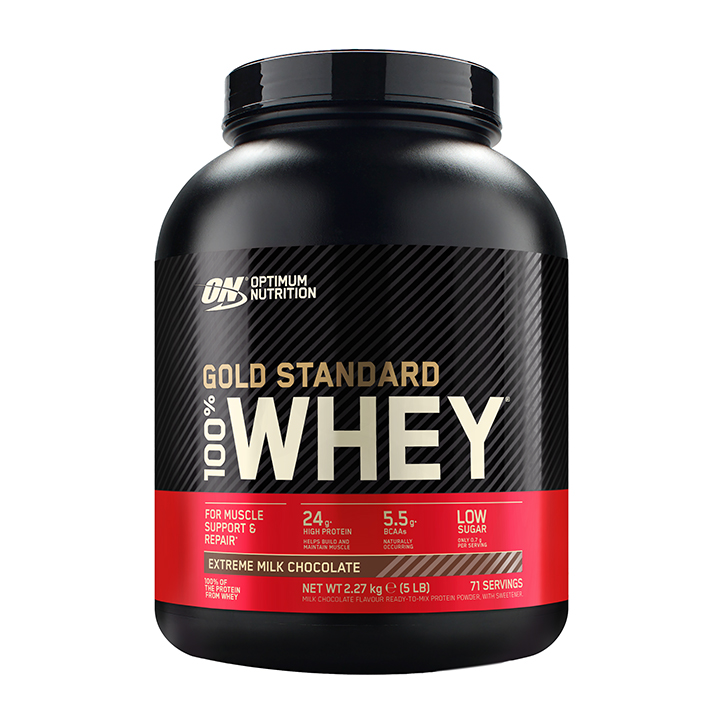
Are you wondering if whey protein will make you gain weight? It’s a common question, especially if you’re trying to stay fit or lose fat.
You might have heard mixed opinions and feel confused about whether adding whey protein to your diet is a good idea. The truth is, your body’s response to whey protein depends on several factors. Keep reading, because by the end of this article, you’ll understand exactly how whey protein affects your weight and how you can use it to reach your goals without unwanted surprises.

Credit: www.gq.com
How Whey Protein Affects Weight
Whey protein is popular for fitness and health. People often wonder if it makes you gain weight. Let’s explore how whey protein affects your body.
We will look at its calories and protein content, its impact on muscle growth, and its effect on fat gain.
Calories And Protein Content
Whey protein has calories. It also provides a lot of protein. The calories come from protein, carbohydrates, and fats.
- A typical scoop has about 120 calories
- It often contains 20-25 grams of protein
- Low in fats and carbohydrates
Impact On Muscle Growth
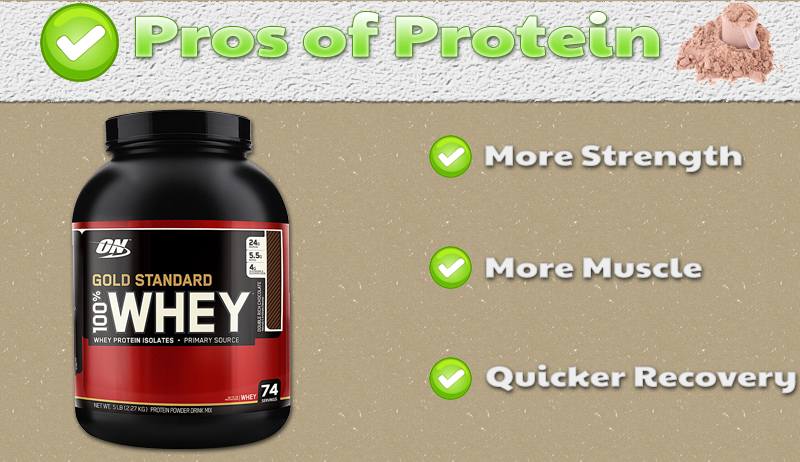
Whey protein helps build muscles. It provides essential amino acids. These are important for muscle repair and growth.
Muscle growth can lead to weight gain. This is because muscles weigh more than fat.
Effect On Fat Gain
Whey protein alone does not cause fat gain. Consuming more calories than you burn leads to fat gain.
- If you eat more calories than needed, you gain fat
- Whey protein should be part of a balanced diet
- Exercise helps manage weight effectively
Credit: medium.com
Factors Influencing Weight Changes
Whey protein can affect your weight in different ways. It depends on several key factors. Understanding these can help you see how whey impacts your body.
Weight changes do not happen just from taking whey protein. Your overall lifestyle plays a big role in this process.
Diet And Calorie Balance
Your diet and calorie intake are the main reasons whey protein might cause weight gain. Eating more calories than you burn leads to weight gain.
Whey protein adds extra calories to your diet. If you do not adjust your food intake, the extra calories can add up and cause weight gain.
- Calories from whey add to your total daily intake
- Eating high-calorie foods with whey can increase weight
- Tracking calories helps control weight changes
Exercise And Activity Levels
Exercise burns calories and builds muscle. When you use whey protein, it supports muscle growth if you are active.
If you are not active, the extra calories from whey protein may turn into fat. Activity level affects how your body uses the protein.
- Active people use whey protein to build muscle
- Less active people may store extra calories as fat
- Regular exercise helps balance calorie intake
Individual Metabolism
Metabolism is how fast your body burns calories. People with a fast metabolism burn calories quickly and may not gain weight easily.
Those with a slow metabolism burn calories slower. They may gain weight more easily if they consume extra calories from whey protein.
- Fast metabolism burns calories quickly
- Slow metabolism stores extra calories as fat
- Metabolism varies from person to person
Whey Protein And Appetite Control
Whey protein is a common supplement for people who want to build muscle. Some wonder if it causes weight gain. Whey can affect your appetite, which plays a role in weight changes.
Understanding how whey protein controls hunger helps you manage your food intake. This guide explains whey protein’s effects on appetite and weight.
Satiety And Hunger Hormones
Whey protein can increase feelings of fullness, called satiety. It helps reduce hunger by affecting certain hormones in the body.
Proteins like whey raise hormones that signal fullness. They also lower hormones that make you feel hungry. This helps control how much you eat.
- Increases peptide YY, which reduces appetite
- Raises GLP-1, a hormone that promotes fullness
- Decreases ghrelin, the hormone that triggers hunger
Meal Timing And Frequency
Taking whey protein at certain times can affect hunger and weight. Many people use it after workouts or as snacks between meals.
Eating whey protein regularly helps keep hunger low. This may reduce the chance of overeating later in the day.
- Consume whey protein after exercise to aid recovery
- Use whey as a snack to control hunger between meals
- Spread protein intake evenly throughout the day
Common Misconceptions About Whey Protein
Many people think whey protein always causes weight gain. They worry it adds fat instead of muscle. Understanding whey protein helps clear up these ideas.
This article explains common myths about whey protein and what science says. It focuses on protein supplements and fat gain.
Protein Supplements And Fat Gain
Some believe whey protein by itself makes you fat. They think extra protein turns into fat in your body. This is not true. Protein helps build muscle, not fat.
Whey protein adds calories, but weight gain depends on total calories eaten. If you eat more calories than you burn, you gain weight. If not, you do not gain fat.
- Whey protein is low in fat and carbs
- It supports muscle repair and growth
- Eating too many calories causes fat gain, not protein alone
Myths Vs. Scientific Evidence
Many myths say whey protein causes fat gain or health problems. Science shows whey protein is safe and helps with fitness goals. It does not cause fat gain if used correctly.
Studies find that whey protein supports muscle growth and helps control hunger. This can help with weight management. The key is to eat balanced meals and exercise regularly.
- Whey protein supports muscle, not fat gain
- It can help reduce appetite and improve body composition
- Excess calories, not whey protein, cause fat gain
Choosing The Right Whey Protein
Whey protein is popular for building muscle and supporting fitness goals. Some wonder if it will make them gain weight.
Choosing the right whey protein helps control your calorie intake and supports your health needs.
Types Of Whey Protein
Whey protein comes in three main types. Each has different nutrition and uses.
- Whey Concentrate:Contains some fat and carbs. Good for general use.
- Whey Isolate:Has more protein and less fat. Ideal for low-carb diets.
- Whey Hydrolysate:Pre-digested for fast absorption. Often used after workouts.
Reading Nutrition Labels
Nutrition labels tell you what is inside the whey protein. Look for protein, carbs, fats, and calories.
Check the serving size and how many calories each serving has. This helps you avoid extra weight gain.
- Protein amount per serving
- Carbohydrates and sugars
- Fat content
- Total calories
Recommended Dosages
Taking the right amount of whey protein is important. Too much can add extra calories and cause weight gain.
Most people need about 20 to 30 grams per serving. This supports muscle growth without adding too many calories.
- Use one scoop per serving, usually 20-30 grams
- Take 1 to 3 servings per day, based on your activity level
- Balance protein intake with your total daily calories
Tips For Using Whey Protein Effectively
Whey protein can help you reach your fitness goals. Using it the right way matters for good results.
Knowing how to combine whey with food and exercise helps you avoid unwanted weight gain.
Combining With Balanced Diet
Eat a balanced diet with whey protein to fuel your body. Include vegetables, fruits, and whole grains.
Avoid extra calories by not adding too many snacks or sugary drinks with whey shakes.
- Use whey protein to replace a meal or snack, not add extra food
- Choose low-fat or low-sugar options when mixing whey
- Drink plenty of water to stay hydrated
Incorporating Exercise Routine
Exercise helps your body use the protein for muscle, not fat. Include strength training and cardio.
Take whey protein after workouts to help muscles recover and grow stronger.
- Do weight lifting or bodyweight exercises at least 3 times a week
- Combine with cardio like walking or cycling for heart health
- Use whey protein within 30 minutes after exercise for best results
Monitoring Progress
Track your weight and body measurements to see how whey protein affects you. Adjust as needed.
Keep a food diary to check your calorie intake and protein use.
- Measure weight weekly to watch for unwanted gains
- Note changes in muscle size or strength
- Change whey amount if you gain too much fat

Credit: in.fastandup.com
Frequently Asked Questions
Will Whey Protein Cause Weight Gain?
Whey protein alone doesn’t cause weight gain. Weight gain happens if you consume more calories than you burn. Whey protein supports muscle growth and recovery, which can increase lean mass, not fat. Balanced diet and exercise are key to managing weight effectively.
How Does Whey Protein Affect Body Fat?
Whey protein helps preserve muscle during weight loss and can boost metabolism. It doesn’t directly increase body fat. Excess calorie intake from any source, including whey, may lead to fat gain. Use whey protein as part of a balanced diet to support fat loss.
Can Whey Protein Increase Muscle Mass?
Yes, whey protein provides essential amino acids that aid muscle repair and growth. Consuming it post-workout enhances muscle protein synthesis. Combined with resistance training, whey protein effectively supports increased muscle mass and strength.
Is Whey Protein Suitable For Weight Loss?
Whey protein can aid weight loss by promoting fullness and preserving muscle mass. It helps reduce appetite and supports fat loss when paired with calorie control. Use whey protein as a supplement, not a meal replacement, for best results.
Conclusion
Whey protein alone does not cause weight gain. Gaining weight depends on eating more calories than you burn. It helps build muscle when combined with exercise. Use whey protein to meet your daily protein needs. Watch your total calorie intake to control weight.
Choose the right amount based on your goals. Balance protein with healthy foods and activity. This way, whey supports your fitness without unwanted weight gain. Simple and smart choices make a big difference.


