
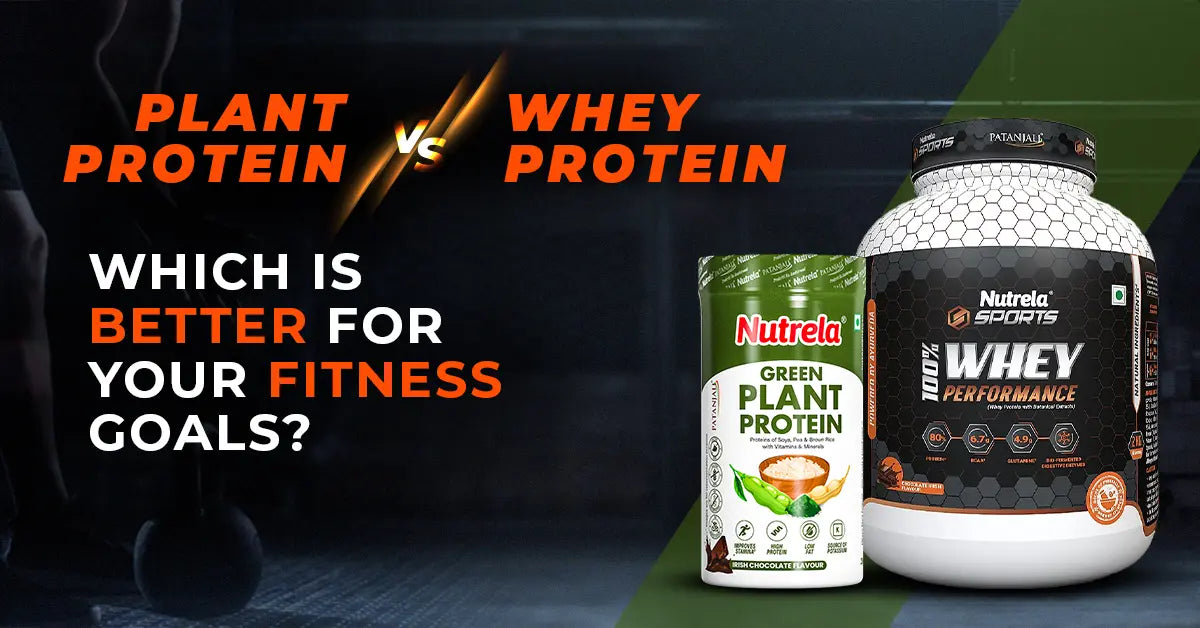
Are you trying to choose between plant protein and whey protein but feel overwhelmed by all the options? You’re not alone.
Picking the right protein can make a big difference in your energy, muscle growth, and overall health. But which one is truly better for your body and lifestyle? This article will clear up the confusion and help you make a smart choice that fits your goals.
Keep reading, because what you learn here could change the way you fuel your body every day.

Credit: levelsprotein.com
Protein Basics
Protein is a vital nutrient for our bodies. It helps build and repair tissues. It is also essential for muscle growth and overall health.
People often choose between plant and whey protein. Each type has its benefits. Understanding protein basics can help in making the right choice.
What Is Protein
Protein is made up of amino acids. These are the building blocks of our bodies. They are crucial for various functions.
Proteins help in building muscles and repairing tissues. They also support the immune system.
Role In Muscle Growth
Protein plays a key role in muscle growth. It helps in repairing muscle fibers after exercise. This process is crucial for muscle development.
Both plant and whey proteins support muscle growth. Whey is quickly absorbed. Plant protein is a good alternative for vegans.
Daily Protein Needs
Daily protein needs vary for each person. Age, activity level, and health goals influence these needs.
On average, adults need about 50 grams of protein daily. Athletes and active people may require more.
- Children: 19-34 grams per day
- Teens: 52 grams per day
- Adults: 50 grams per day
- Athletes: Higher needs based on activity
Whey Protein Insights
Choosing between plant and whey protein depends on many factors. Whey protein is popular for muscle building and recovery.
This article focuses on whey protein to help you understand its benefits and qualities.
Sources And Types
Whey protein comes from milk during cheese production. It is a byproduct separated from the curds.
There are three main types of whey protein used in supplements.
- Whey Protein Concentrate: Contains some fat and lactose, with 70-80% protein.
- Whey Protein Isolate: Has most fat and lactose removed, with 90% or higher protein.
- Whey Protein Hydrolysate: Pre-digested for faster absorption, often used in medical protein supplements.
Nutritional Profile
Whey protein is rich in essential amino acids, which help build and repair muscles. It also contains branched-chain amino acids (BCAAs).
The protein quality in whey supports muscle growth better than many plant proteins.
| Nutrient | Amount per 30g serving |
|---|---|
| Protein | 20-27 grams |
| Fat | 1-3 grams |
| Carbohydrates | 1-5 grams |
| Lactose | Low to moderate |
| Calories | 100-130 |
Absorption And Digestion
Whey protein absorbs quickly in the body. This helps muscles get nutrients soon after workouts.
Some people may have trouble digesting whey due to lactose. Whey isolate and hydrolysate have less lactose and may be easier to digest.
- Fast absorption supports muscle recovery.
- Lactose content can cause issues for sensitive people.
- Hydrolysate form is easiest to digest.
Plant Protein Insights
Plant protein is a popular choice for many people. It comes from various plants and offers many benefits.
This article looks at common sources, nutrition, and how well plant protein digests.
Common Sources
Plant protein comes from many foods. These sources are easy to find and use.
- Peas
- Brown rice
- Hemp seeds
- Chia seeds
- Quinoa
- Soybeans
- Almonds
Nutritional Profile
Plant proteins have different nutrients than whey protein. They often provide fiber and vitamins.
Most plant proteins contain all essential amino acids but in varying amounts.
| Protein Source | Protein (per 100g) | Fiber (g) | Amino Acids |
|---|---|---|---|
| Pea Protein | 80g | 2g | Complete |
| Brown Rice Protein | 75g | 1.5g | Incomplete |
| Hemp Protein | 50g | 4g | Complete |
| Soy Protein | 90g | 0g | Complete |
Digestibility Factors
Plant proteins can be harder to digest than whey. Some plants have fiber that slows digestion.
Processing methods improve digestibility. Combining plants can also help improve absorption.
- Pea protein digests well for a plant protein
- Rice protein has lower digestibility
- Hemp protein is rich but slower to digest
- Fermentation can improve digestion
- Mixing different plant proteins gives better amino acid balance
Comparing Benefits
Plant protein and whey protein are popular choices for many people. Both provide important nutrients for health and fitness. Choosing the right one depends on your needs and preferences.
This article compares the benefits of plant and whey protein. It looks at muscle building, allergies, and environmental impact.
Muscle Building Efficiency
Whey protein is known for its fast absorption and rich amino acid profile. It contains all essential amino acids, especially leucine, which is important for muscle growth.
Plant protein can also build muscle but may lack some essential amino acids. Combining different plant proteins, like pea and rice, can improve their effectiveness.
- Whey protein absorbs quickly for fast muscle repair
- Plant protein may digest slower but supports muscle growth
- Mixing plant proteins can provide all essential amino acids
Allergy And Intolerance Considerations
Whey protein comes from milk and may cause issues for people with lactose intolerance or milk allergies. It can lead to stomach pain or allergic reactions.
Plant protein is usually easier to digest and suits people with dairy allergies. Some plants like soy may cause allergies, but many options are hypoallergenic.
- Whey protein may cause lactose intolerance symptoms
- Milk allergies can make whey unsafe for some
- Plant proteins are often safe for those with dairy issues
- Soy is a common plant allergen to watch for
Environmental Impact
Whey protein is a byproduct of dairy farming, which has a high environmental cost. It uses a lot of water, land, and produces greenhouse gases.
Plant protein generally has a lower environmental impact. Growing plants uses less water and land and produces fewer emissions.
| Protein Type | Water Use | Land Use | Greenhouse Gas Emissions |
|---|---|---|---|
| Whey Protein | High | High | High |
| Plant Protein | Low to Moderate | Low | Low |
Potential Drawbacks
Both plant and whey protein have benefits and drawbacks. Understanding these helps you choose the right one.
This section explains some common side effects and limitations of whey and plant proteins.
Whey Protein Side Effects
Whey protein comes from milk. Some people may have trouble digesting it or feel sick.
Common side effects include bloating, gas, and stomach cramps. These happen mainly to those who are lactose intolerant.
- Digestive discomfort like bloating and gas
- Possible allergic reactions for dairy-sensitive people
- May cause acne in some individuals
- Can be high in calories if flavored or sweetened
Plant Protein Limitations
Plant proteins come from sources like peas, rice, or soy. They may lack some essential amino acids.
Some plant proteins have lower digestibility, meaning your body may not absorb them as well as whey.
- May have incomplete amino acid profiles
- Lower absorption compared to animal proteins
- Some plant proteins have a grittier texture or taste
- May cause allergies, such as soy or pea allergies
Choosing Based On Goals
Choosing between plant and whey protein depends on your fitness goals. Each type offers unique benefits that fit different needs.
Understanding your goal will help you pick the right protein for better results.
Weight Loss
Plant protein is often lower in calories and fat. It can help keep you full longer, which may reduce eating.
Whey protein digests quickly and can help preserve muscle when you lose weight.
- Choose plant protein if you want a low-calorie option
- Choose whey protein if you want to keep muscle during weight loss
Muscle Gain
Whey protein has all essential amino acids and absorbs fast. It supports quick muscle repair and growth.
Plant protein can also build muscle but may need combining different sources for all amino acids.
- Whey protein is best for fast muscle recovery
- Plant protein works well if you combine types like pea and rice protein
Overall Health
Plant protein contains fiber and antioxidants. It may support heart and gut health better than whey.
Whey protein supports immune health and is rich in vitamins but may cause issues for some people.
- Plant protein helps improve digestion and heart health
- Whey protein boosts immune function and provides quick nutrients
Incorporating Both Proteins
Plant and whey proteins each have unique benefits. Combining them can offer a complete set of nutrients.
Using both proteins helps improve muscle recovery and supports overall health.
Combining For Balance
Plant protein often lacks some essential amino acids. Whey protein contains all essential amino acids.
Mixing plant and whey proteins creates a balanced amino acid profile. This helps your body build and repair muscles better.
- Plant protein gives fiber and antioxidants
- Whey protein offers quick absorption
- Combination supports longer muscle recovery
Meal Timing Tips
Whey protein works best right after workouts. It digests fast and aids quick muscle repair.
Plant protein is good at other times. Use it for snacks or with meals to add steady protein.
- Take whey protein within 30 minutes after exercise
- Use plant protein in breakfast or lunch
- Combine both in meals to meet daily protein needs
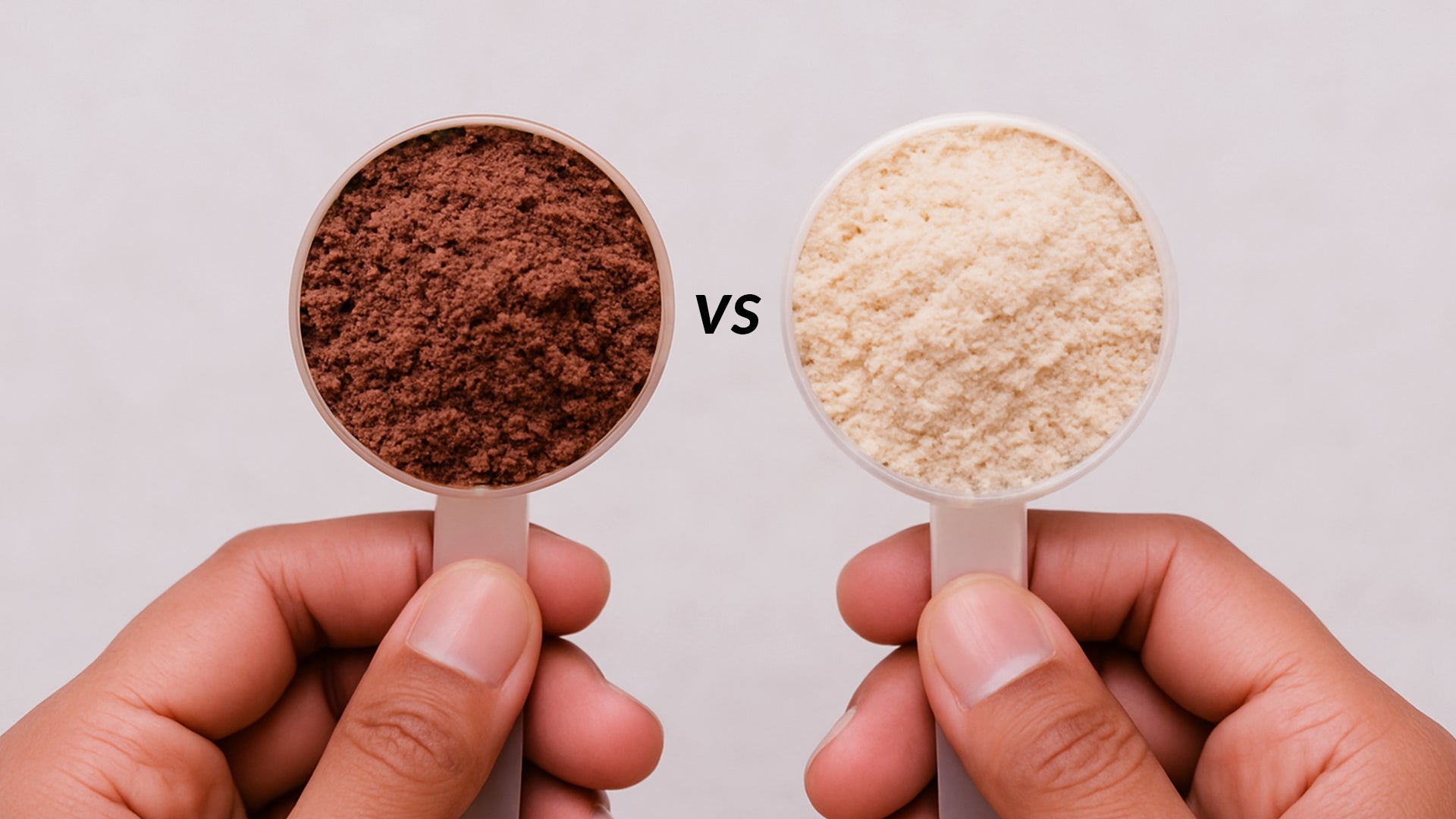
Credit: nutrova.com

Credit: denzournutrition.com
Frequently Asked Questions
What Are The Main Differences Between Plant And Whey Protein?
Plant protein is derived from sources like peas and rice, while whey protein comes from milk. Whey offers faster absorption and complete amino acids. Plant protein is often hypoallergenic and suitable for vegans but may lack some amino acids.
Which Protein Is Better For Muscle Building, Plant Or Whey?
Whey protein is generally better for muscle building due to its complete amino acid profile. It promotes faster recovery and muscle growth. However, plant protein blends can also support muscle growth when consumed in adequate amounts.
Is Plant Protein Suitable For People With Lactose Intolerance?
Yes, plant protein is ideal for those with lactose intolerance. It is dairy-free and easily digestible. Whey protein contains lactose, which can cause digestive issues for lactose-intolerant individuals.
Can Plant Protein Provide All Essential Amino Acids?
Most single plant proteins lack some essential amino acids. However, combining different plant proteins like rice and pea creates a complete amino acid profile. This makes plant protein a good option for meeting protein needs.
Conclusion
Both plant and whey protein offer good benefits. Plant protein suits those who want a natural, vegan option. Whey protein works well for quick muscle recovery and growth. Your choice depends on diet, allergies, and personal goals. Try both to see which fits your body best.
Protein is key for health and strength. Choose what feels right and keeps you consistent. Simple and steady wins the race.


