
If you struggle with knee pain, finding the right exercise bike can make all the difference. You want a bike that supports your knees, not one that makes the pain worse.
But with so many options out there, how do you choose the best one for your knees? This guide will help you understand what features to look for and which exercise bikes are gentle yet effective. By the end, you’ll know exactly which bike suits your needs and keeps your knees happy while you stay active.
Keep reading to protect your knees and enjoy your workouts more than ever.
Benefits Of Exercise Bikes For Knee Health
Exercise bikes help keep knees healthy by offering safe workouts. They provide exercise without putting stress on the joints.
People with knee pain or arthritis can use exercise bikes to stay active. This helps improve strength and movement over time.
Low-impact Cardio Advantages
Exercise bikes give a good cardio workout that is gentle on the knees. The smooth pedaling motion does not cause sharp impacts.
This low-impact exercise lowers the chance of knee injuries. It also helps people stay fit without pain or swelling.
- Reduces stress on knee joints
- Prevents joint wear and tear
- Supports steady heart rate improvement
Strengthening Knee Muscles
Using an exercise bike builds the muscles around the knees. Strong muscles give better support to the joints.
Stronger muscles can reduce knee pain and help avoid injuries. The controlled cycling motion targets key leg muscles safely.
- Strengthens quadriceps and hamstrings
- Improves muscle balance around the knee
- Supports joint stability
Improving Joint Flexibility
Cycling on an exercise bike helps keep knee joints flexible. Regular movement prevents stiffness and improves range of motion.
Better flexibility makes daily activities easier and less painful. It can also slow down joint wear and reduce inflammation.
- Increases joint lubrication
- Reduces stiffness in knee joints
- Enhances smooth movement
Features To Look For In Knee-friendly Bikes
Exercise bikes are good for people with knee pain. They help keep knees moving without much stress. Choosing the right bike is important for comfort and safety.
Some features make a bike better for knee health. These features reduce strain and support proper movement. Look for these key points when picking a bike.
Adjustable Seat And Handlebar
A bike with an adjustable seat and handlebar helps you find the right position. This reduces knee pain by keeping your joints in a natural line. It also makes your workout more comfortable.
Adjusting the seat height and handlebar reach lets you avoid over bending or stretching. This helps protect your knees from extra stress.
- Seat height should allow your knee to bend slightly at the bottom of the pedal stroke.
- Handlebar position should support an upright posture without leaning forward too much.
- Look for easy adjustment controls to change settings quickly.
Smooth Pedal Motion
Smooth pedal motion lowers the risk of knee injuries. It means the pedals turn evenly without jerks or stops. This helps keep your knees safe during exercise.
Good bikes use high-quality bearings and chains or belts. These parts create silent and smooth pedaling. This reduces stress on your knee joints.
- Look for bikes with belt drive systems for quieter rides.
- Check if the pedals move fluidly and without resistance spikes.
- Test the bike to ensure smooth pedal rotation.
Resistance Levels And Settings
Resistance controls how hard you pedal. Bikes with many resistance levels let you start easy and increase slowly. This helps protect your knees from too much strain.
Lower resistance settings reduce pressure on knees. You can build strength safely by adjusting resistance as your knees get stronger.
- Choose bikes with smooth and gradual resistance changes.
- Look for both manual and digital controls to fit your needs.
- Resistance levels should be easy to adjust while riding.
Ergonomic Design
An ergonomic bike fits your body well. It supports good posture and reduces knee pain. This design lowers pressure on joints and muscles.
Ergonomic features include wide seats, padded handlebars, and stable frames. These help you stay comfortable and safe during workouts.
- Look for seats that support your hips and reduce pressure points.
- Handlebars should offer a natural grip to avoid wrist and knee strain.
- A stable frame prevents wobbling and keeps knees aligned.
Types Of Exercise Bikes And Knee Impact
Exercise bikes help people stay active indoors. They come in different types that affect your knees in various ways.
Choosing the right bike can protect your knees and make workouts more comfortable. Learn about common bike types and their knee impact.
Upright Bikes
Upright bikes look like regular bikes. You sit straight and pedal below you. This position is natural for many riders.
They put moderate pressure on knees. This makes them good for people without serious knee pain. You can adjust the seat to reduce strain.
Recumbent Bikes
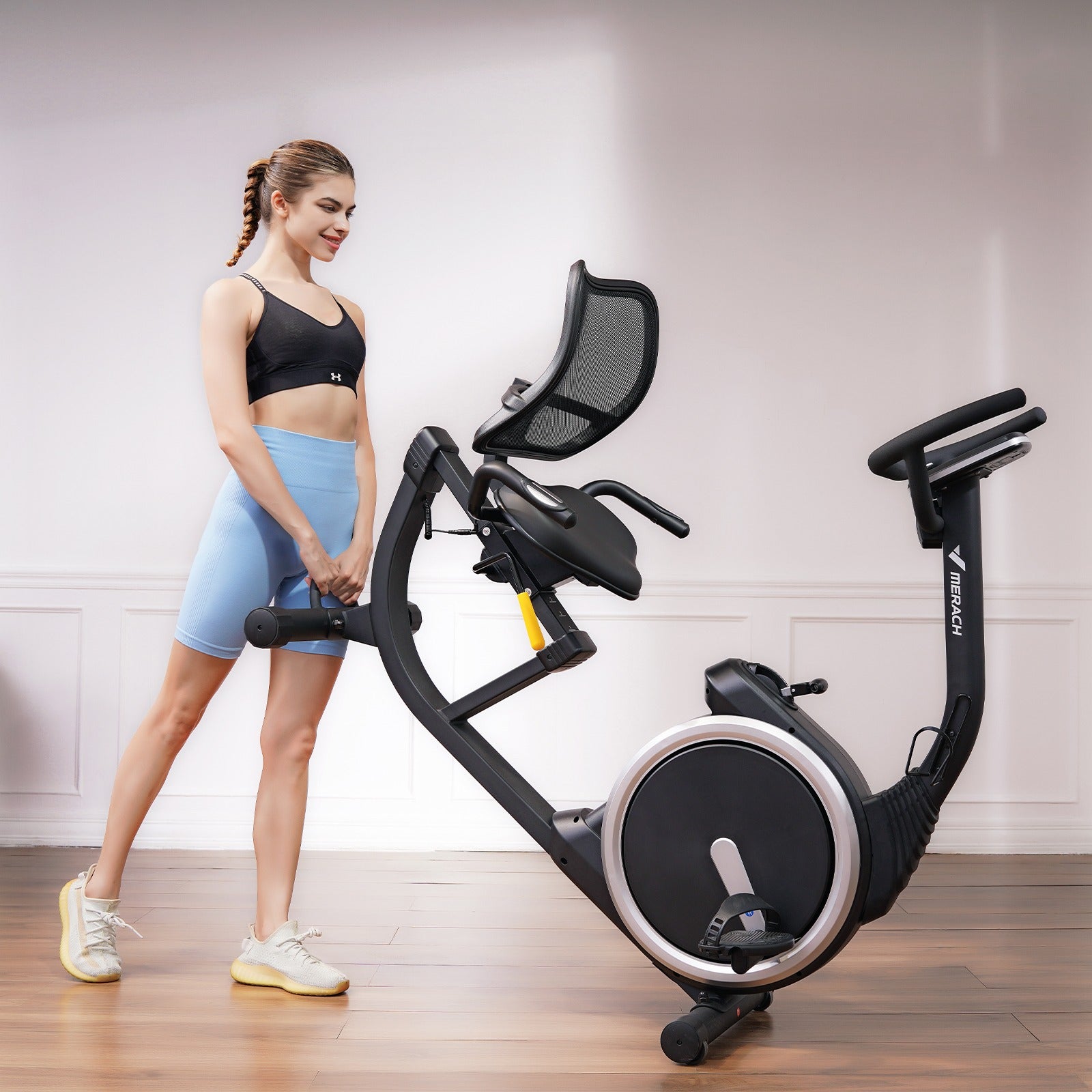
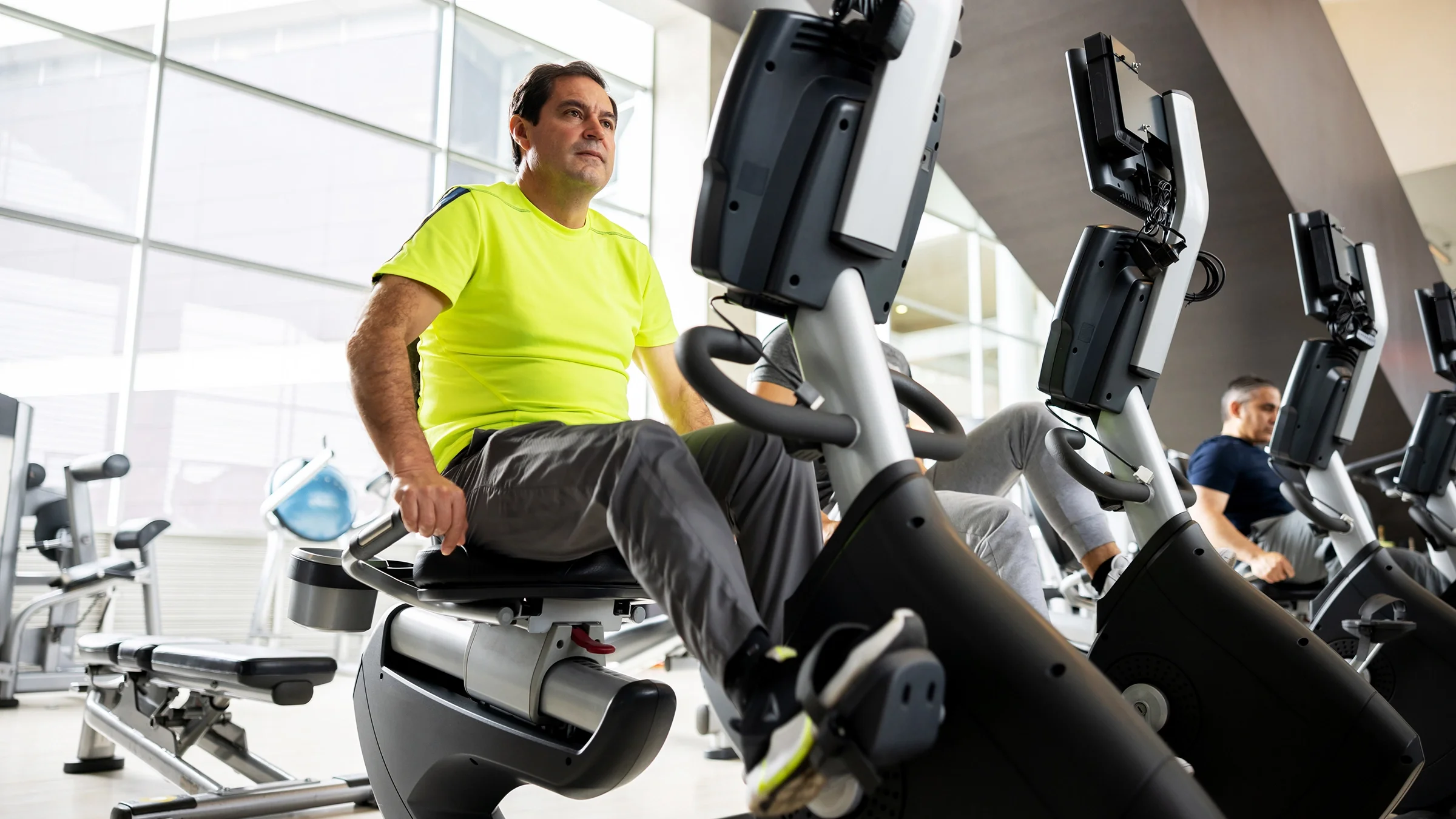
Recumbent bikes have a larger seat and backrest. You pedal with your legs extended forward. This reduces pressure on knees and joints.
They are gentle for knees and good for people with knee problems. The seated position also supports your lower back during exercise.
Spin Bikes
Spin bikes are made for intense workouts. They let you stand or sit while pedaling fast. The resistance is usually higher on spin bikes.
They can cause more knee stress if not used carefully. Proper form and seat adjustment are key to protecting your knees on spin bikes.
Dual-action Bikes
Dual-action bikes let you move your arms and legs at the same time. This adds upper body exercise to your ride. The seat is usually upright.
They offer low to moderate knee impact. The arm movement can help balance your workout and reduce knee strain.

Credit: www.vanswefitness.com
Top Exercise Bikes For Knee Pain Relief
Exercise bikes are great for people with knee pain. They help keep knees moving without too much strain.
Choosing the right bike can make exercising safer and more comfortable for your knees.
Best Overall Bike
The best overall exercise bike offers smooth motion and good support. It fits most users and helps reduce knee stress.
This bike has adjustable resistance and a comfortable seat. It allows you to control your workout intensity safely.
- Smooth pedal motion
- Adjustable resistance levels
- Comfortable, adjustable seat
- Easy to get on and off
Best Budget-friendly Option
This budget-friendly bike works well for knee pain relief. It provides low-impact exercise without high cost.
It has simple controls and a stable frame. This bike suits beginners and those on a tight budget.
- Affordable price
- Easy to use
- Sturdy build
- Low-impact workout
Best For Severe Knee Issues
This bike is designed for people with serious knee problems. It provides extra support and comfort during exercise.
The pedals are large and easy to move. The seat offers good cushioning and helps reduce knee pain.
- Extra padded seat
- Large, smooth pedals
- Low step-through frame
- Adjustable resistance for gentle workouts
Best Compact Model
This compact bike fits in small spaces. It is light and easy to move around the house.
Despite its size, it offers good knee support and smooth pedaling. It is ideal for small apartments.
- Small footprint
- Lightweight design
- Adjustable seat height
- Quiet operation
Tips For Using Exercise Bikes Safely With Knee Pain
Exercise bikes are good for staying active while protecting your knees. Using them the right way helps avoid more pain.
Here are some tips to keep your knees safe and comfortable during your workout.
Proper Bike Setup
Setting up your bike correctly reduces stress on your knees. Adjust the seat height and handlebar position before you start.
Your knee should be slightly bent when the pedal is at its lowest point. This avoids locking or overextending your knee.
- Raise or lower the seat so your leg has a small bend at the knee.
- Move the seat forward or backward to keep your knee aligned with the pedal.
- Set the handlebars at a comfortable height to avoid leaning too far forward.
Warm-up And Cool-down Routines
Start with a warm-up to prepare your knees for exercise. A slow pedal for 5 to 10 minutes works well.
After your session, cool down by pedaling slowly again. This helps your muscles relax and reduces stiffness.
- Begin with low resistance to warm up the knee joint.
- End with gentle pedaling to cool down muscles.
- Stretch your legs after cooling down to keep them flexible.
Listening To Your Body
Pay attention to how your knees feel during exercise. Stop if you feel sharp or increasing pain.
Use low resistance and slow speed if your knees feel sore. Don’t push through pain to avoid injury.
- Notice any pain or discomfort early.
- Lower resistance or stop if pain worsens.
- Rest your knees if they feel swollen or stiff.
When To Consult A Doctor
See a doctor if knee pain lasts after exercise or gets worse. Get advice before starting a new workout plan.
A doctor can check for injuries and suggest safe exercises for your knees.
- Persistent pain after biking needs medical attention.
- Swelling or sharp pain requires a doctor’s visit.
- Consult before starting if you have past knee injuries.
Credit: merachfit.com
Credit: www.goodrx.com
Frequently Asked Questions
What Type Of Exercise Bike Is Knee-friendly?
Recumbent bikes are generally considered knee-friendly due to their reclined seating position. This design reduces pressure on the knees while offering adequate support. Additionally, recumbent bikes provide a more comfortable workout experience, especially for those with joint issues. Always consult with a healthcare professional before starting a new exercise routine.
How Does An Exercise Bike Benefit Knees?
Exercise bikes provide a low-impact workout, which is gentle on the knees. They help strengthen the muscles around the knee joint, improving stability. Regular cycling can enhance knee flexibility and reduce pain associated with arthritis. It’s an effective way to maintain cardiovascular health without excessive strain on the knees.
Are Upright Bikes Good For Knee Issues?
Upright bikes can benefit knees if used correctly and with proper adjustments. They offer a more traditional cycling experience while engaging muscles effectively. Ensure the seat height and pedal resistance are adjusted to minimize knee strain. If discomfort persists, consult a healthcare professional for personalized advice.
Can Cycling Help With Knee Pain?
Cycling can help alleviate knee pain by strengthening surrounding muscles and improving joint flexibility. The low-impact nature of cycling reduces stress on the knees compared to high-impact activities. Regular cycling can lead to improved joint function and reduced pain over time.
Always start slowly and increase intensity gradually.
Conclusion
Choosing the right exercise bike protects your knees from strain. Bikes with adjustable seats and smooth pedals reduce knee pain. Low-impact workouts help you stay active without hurting joints. Comfort and proper fit matter most for knee health. Keep your movements slow and steady for best results.
Regular use strengthens muscles around your knees. Enjoy safer workouts and better knee support with the right bike. Take time to find a bike that feels good to you. Your knees will thank you for smart exercise choices.


