

Are you putting in the hard work at the gym but not seeing the muscle gains you want? Timing your whey protein intake could be the missing piece to your puzzle.
Knowing exactly when to take whey protein can boost your muscle growth, speed up recovery, and maximize your results. You’ll discover the best times to fuel your muscles with whey protein so you can get stronger, faster. Keep reading to unlock the secret that many fitness enthusiasts overlook—and take your gains to the next level.
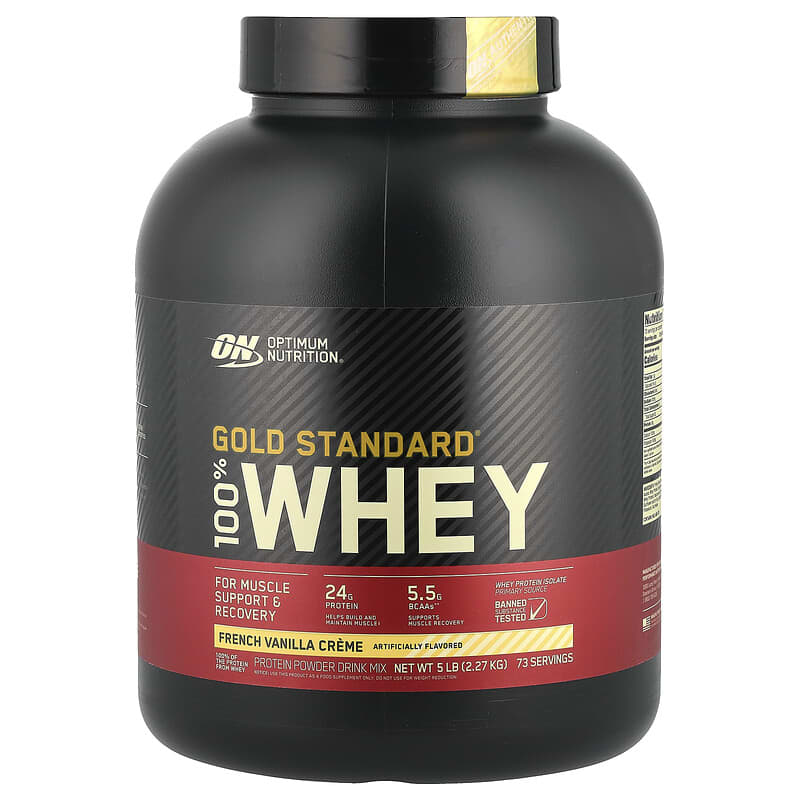
Credit: ca.iherb.com
Benefits Of Whey Protein
Whey protein is popular for muscle gain. It provides essential nutrients for muscle growth. Knowing when to take it can help improve results.
Understanding its benefits can guide you in using whey protein effectively. Let’s explore why it’s beneficial.
Fast Absorption Rate
Whey protein absorbs quickly in the body. This makes it ideal for post-workout nutrition. Fast absorption helps deliver nutrients to muscles efficiently.
Quick nutrient delivery is crucial after a workout. It aids in muscle repair and growth.
Rich Amino Acid Profile
Whey protein contains all essential amino acids. These are building blocks for muscles. A rich amino acid profile supports muscle protein synthesis.
These amino acids are vital for muscle growth. They help in repairing muscle tissues.
- Leucine
- Valine
- Isoleucine
Supports Muscle Recovery
Whey protein aids in muscle recovery. Consuming it after exercise reduces muscle soreness. It speeds up the recovery process.
Recovering faster allows for more frequent workouts. This supports consistent muscle growth.
| Exercise | Whey Protein | Recovery |
| Strength Training | Post-workout | Faster |
| Endurance Training | Post-workout | Improved |
Optimal Timing For Whey Protein
Whey protein helps build muscle by providing your body with protein quickly. Timing your intake can improve muscle gain.
Choosing the right time to take whey protein supports recovery and growth after exercise and during the day.
Post-workout Window
After exercise, muscles need protein to repair and grow. Whey protein is fast-digesting, making it ideal after workouts.
Try to consume whey protein within 30 to 60 minutes after training to get the best results.
- Supports muscle repair
- Provides amino acids quickly
- Helps reduce muscle soreness
Morning Intake
After a night of fasting, your body needs protein to stop muscle breakdown. Whey protein in the morning helps feed muscles.
Taking whey protein with breakfast boosts muscle protein synthesis early in the day.
- Stops muscle loss after sleep
- Provides energy for the day
- Easy to digest and quick to absorb
Before Bedtime
Protein before sleep helps muscles recover during the night. Whey protein can support this process.
Though slower proteins are common at night, whey protein still adds useful amino acids for muscle repair.
- Feeds muscles overnight
- Supports recovery while resting
- May improve morning muscle condition
Whey Protein And Workout Types
Whey protein helps muscles recover and grow after exercise. Different workouts need different timing for whey protein.
Knowing when to take whey protein improves muscle gain. It depends on the type of workout you do.
Strength Training
Strength training uses heavy weights to build muscle size and power. Whey protein helps repair muscle fibers after lifting.
Take whey protein within 30 minutes after your workout. This timing supports muscle recovery and growth effectively.
- Supports muscle repair
- Provides quick protein delivery
- Boosts muscle growth after lifting
Endurance Exercises
Endurance exercises include running, cycling, and swimming. These workouts focus on stamina, not muscle size.
Whey protein helps repair muscles after long sessions. Take it within an hour after exercise to reduce soreness.
- Helps muscle recovery
- Reduces muscle soreness
- Supports energy restoration
High-intensity Interval Training
High-intensity interval training (HIIT) mixes short bursts of effort with rest. It builds strength and endurance together.
Consume whey protein soon after HIIT. This helps muscles recover from intense effort and supports growth.
- Speeds muscle repair
- Replenishes protein quickly
- Improves recovery for next workout

Credit: www.londondaily.news
Combining Whey With Meals
Whey protein helps your muscles grow faster after exercise. It works best when you eat it with other foods.
Eating whey with meals can improve how your body uses the protein. This guide explains the best times to take whey protein.
Pre-workout Snacks
Taking whey protein before a workout can give your muscles fuel. Pair it with a small snack for lasting energy.
Good pre-workout snacks include a mix of protein and carbohydrates. This helps your body get ready for exercise.
- Whey protein shake with a banana
- Greek yogurt and berries
- Whole grain toast with peanut butter
Post-workout Meals
After workouts, your muscles need protein to repair and grow. Whey protein is easy to digest and fast-acting.
Combine whey with a balanced meal to help recovery. Eating carbs and fats with whey improves muscle repair.
- Whey shake with oatmeal and fruit
- Chicken breast, rice, and vegetables
- Eggs, whole grain bread, and avocado
Balancing With Carbs And Fats
Carbohydrates and fats help your body use whey protein better. They provide energy and support muscle growth.
Choose healthy carbs and fats to combine with whey. This balance keeps your meals nutritious and filling.
- Carbs: whole grains, fruits, vegetables
- Fats: nuts, seeds, olive oil, avocado
- Include these with whey for best results
Common Mistakes To Avoid
Taking whey protein can help muscle gain if done right. Many people make mistakes that reduce its benefits.
Knowing what to avoid helps you use whey protein safely and effectively for muscle growth.
Overconsumption Risks
Taking too much whey protein can harm your body. Your kidneys and liver work harder to process it.
Eating excess protein can cause stomach pain, nausea, and dehydration. It does not speed up muscle gain.
- Follow recommended protein amounts daily
- Balance protein with other nutrients
- Drink plenty of water to stay hydrated
Ignoring Whole Foods
Relying only on whey protein limits your nutrition. Whole foods provide vitamins, minerals, and fiber.
Muscle gain needs a balanced diet with fruits, vegetables, and healthy fats along with protein.
- Include lean meats, beans, and dairy
- Eat colorful vegetables and fruits daily
- Use whey protein as a supplement, not a meal
Inconsistent Timing
Taking whey protein at random times lowers its effect on muscle growth. Timing matters.
Consume whey protein close to workouts for better muscle repair and growth.
- Have whey protein within 30 minutes after exercise
- Consider a protein snack before workouts
- Keep a regular schedule for protein intake
Adjusting Intake Based On Goals
Whey protein can help build muscle and improve recovery. Your intake should match your fitness goals.
Knowing when and how much whey protein to take helps you reach goals faster. Adjust timing and amount for best results.
Muscle Gain Vs. Fat Loss
Muscle gain needs more calories and protein. Fat loss needs fewer calories but enough protein to keep muscle.
Take whey protein after workouts for muscle gain. For fat loss, spread protein intake throughout the day.
- Muscle gain: protein post-workout and with meals
- Fat loss: protein evenly spaced to reduce hunger
- Both goals need enough daily protein
Calorie Surplus Strategies
To gain muscle, you must eat more calories than you burn. This is called a calorie surplus.
Whey protein helps add calories and protein without extra fat. Use it to reach your calorie goals.
- Eat a small calorie surplus of 250-500 calories daily
- Include whey protein after workouts to support muscle repair
- Combine whey with carbs for better recovery
Protein Needs For Different Body Types
Body type affects how much protein you need. Larger or more active people need more protein.
Whey protein can help meet daily protein needs easily. Adjust servings based on your size and activity.
| Body Type | Protein Need (grams per kg) | Whey Protein Tips |
|---|---|---|
| Endomorph (larger frame) | 1.6 – 2.2 | Use whey protein to meet higher protein needs |
| Ectomorph (lean frame) | 1.2 – 1.8 | Include whey to add calories and protein |
| Mesomorph (muscular frame) | 1.6 – 2.0 | Take whey protein around workouts for muscle gain |

Credit: ca.shaklee.com
Frequently Asked Questions
When Is The Best Time To Take Whey Protein For Muscle Gain?
The best time to take whey protein is within 30 minutes after workout. This helps in faster muscle recovery and growth by providing essential amino acids quickly.
Can I Take Whey Protein Before Workout For Muscle Gain?
Yes, taking whey protein 30-60 minutes before a workout can fuel muscles and improve performance. It provides amino acids that support muscle synthesis during exercise.
How Often Should I Consume Whey Protein Daily?
Consuming whey protein 1-2 times daily is effective for muscle gain. Focus on post-workout and possibly a morning serving to boost muscle repair and growth.
Is Whey Protein Effective Without Exercise For Muscle Gain?
No, whey protein alone won’t build muscle. It supports muscle gain only when combined with regular strength training and proper nutrition.
Conclusion
Timing your whey protein intake can help boost muscle growth. Taking it soon after workouts aids recovery and repair. Consistent use alongside a balanced diet supports gains over time. Remember to listen to your body’s needs and adjust accordingly. Small changes in timing can make a difference.
Stay patient and keep your routine steady. Muscle gain is a gradual process, not instant. Keep fueling your body right, and results will follow.


