
Are you taking antibiotics and wondering if you should also take probiotics? You’re not alone.
Antibiotics fight infections, but they can also upset the natural balance of good bacteria in your gut. This can lead to uncomfortable side effects like diarrhea or stomach pain. Knowing when to take probiotics can help protect your digestive health and make your recovery smoother.
You’ll learn exactly how and when to use probiotics alongside antibiotics to get the best results for your body. Keep reading to find simple, effective tips that you can start using right away.
Why Take Probiotics With Antibiotics
Antibiotics fight infections by killing harmful bacteria. They can also harm good bacteria in your gut.
Taking probiotics can help keep your gut healthy while using antibiotics. They restore the balance of bacteria.
Antibiotics And Gut Flora
Your gut has many types of bacteria called gut flora. These bacteria help with digestion and keep you healthy.
Antibiotics kill both bad and good bacteria. This can cause problems like upset stomach and diarrhea.
- Gut flora helps digest food
- Good bacteria protect against infections
- Antibiotics reduce good bacteria numbers
- Imbalance can lead to digestive issues
Benefits Of Probiotics During Antibiotic Use
Probiotics add good bacteria back to your gut. They help keep the balance while antibiotics fight infection.
Taking probiotics during antibiotic use can lower the chance of side effects. They support digestion and immunity.
- Reduce risk of diarrhea
- Help restore healthy gut bacteria
- Improve digestion during treatment
- Support immune system function
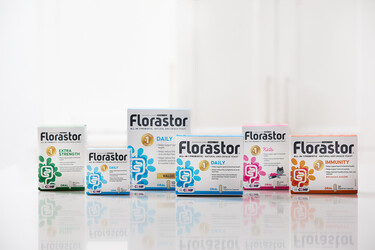
Credit: www.florastor.ca
Best Time To Take Probiotics
Probiotics are good bacteria that help your gut stay healthy. Taking them at the right time can improve their effects.
When you take antibiotics, they kill both bad and good bacteria. This makes timing important for probiotics.
During Antibiotic Treatment
Taking probiotics during antibiotics can help keep good bacteria alive. It may reduce stomach problems like diarrhea.
Choose probiotic strains that survive antibiotic effects. Taking probiotics a few hours after antibiotics is best.
- Take probiotics 2-3 hours after your antibiotic dose
- Use strains like Lactobacillus and Bifidobacterium
- Do not take both at the exact same time
After Completing Antibiotics
After finishing antibiotics, your gut needs time to rebuild good bacteria. Probiotics help restore balance faster.
Continue taking probiotics for at least one to two weeks after antibiotics end. This helps your gut recover well.
- Take probiotics daily after antibiotic treatment
- Maintain this for 7 to 14 days or more
- Supports better digestion and immunity
Spacing Probiotics And Antibiotics
Antibiotics can kill probiotic bacteria if taken too close together. Keeping time between doses helps probiotics survive.
Wait at least two hours between antibiotics and probiotics. This gives probiotics a better chance to work well.
- Take antibiotics first
- Wait 2-3 hours
- Take probiotics after the wait
- Repeat this schedule daily during treatment
Choosing The Right Probiotic
Taking antibiotics can harm good bacteria in your gut. Probiotics help restore balance during and after antibiotic use.
Choosing the right probiotic is important to get the best benefits. Not all probiotics work well with antibiotics.
Strains That Survive Antibiotics
Some probiotic strains are stronger and can survive antibiotic treatment. These strains keep working while antibiotics kill bad bacteria.
Look for strains known to resist antibiotics to help keep your gut healthy during treatment.
- Lactobacillus rhamnosus GG
- Bifidobacterium lactis
- Saccharomyces boulardii (a beneficial yeast)
- Lactobacillus casei
Formulations And Dosage
Probiotics come in many forms like capsules, powders, and drinks. Choose a form that fits your lifestyle.
Check the dosage on the label. A good probiotic usually has billions of live bacteria per dose.
- Capsules protect bacteria from stomach acid
- Powders can be mixed with food or drinks
- Fermented foods naturally contain probiotics
- Follow the recommended daily dose for best results
Potential Side Effects And Precautions
Taking antibiotics can affect your body’s natural bacteria. Probiotics help restore this balance. Knowing the side effects and precautions is important to stay safe.
Some people may react differently to probiotics when used with antibiotics. It is good to watch for any unusual symptoms.
Common Reactions
Probiotics usually cause mild side effects. These may include stomach upset or gas. These symptoms often go away after a few days.
- Bloating or gas
- Diarrhea or constipation
- Stomach cramps
- Allergic reactions like rash or itching (rare)
Some people with weak immune systems may have more serious reactions. It is important to talk to a doctor before starting probiotics in these cases.
When To Consult A Doctor
Contact a doctor if you experience strong side effects. This includes severe diarrhea, fever, or allergic symptoms. A doctor can check if probiotics are safe for you.
- High fever or chills
- Severe stomach pain
- Allergic reactions like swelling or difficulty breathing
- Symptoms that last more than a week
People with chronic illnesses or weak immune systems should get medical advice before using probiotics. This helps prevent risks and ensures safe use.
Probiotics For Different Antibiotic Courses
Antibiotics can kill harmful bacteria causing infections. They can also affect good bacteria in your gut.
Taking probiotics helps restore the balance of good bacteria. The timing and type depend on the length of the antibiotic course.
Short-term Use
Short antibiotic courses usually last less than two weeks. Probiotics can help reduce side effects like diarrhea.
Start probiotics during the antibiotic treatment or soon after finishing. Take them a few hours apart from antibiotics.
- Choose probiotic strains like Lactobacillus or Bifidobacterium
- Continue probiotics for one to two weeks after antibiotics
- Take probiotics at a different time than antibiotics
Long-term Or Repeated Courses
Long or repeated antibiotic courses can disrupt gut bacteria more. Probiotics support gut health during and after treatment.
Use probiotics daily through the full antibiotic course and for several weeks after. This helps restore good bacteria and reduce infections.
- Choose multi-strain probiotics with proven benefits
- Take probiotics at least two hours away from antibiotics
- Maintain probiotic use for four weeks or more after treatment
- Consult a healthcare provider for personalized advice

Credit: biokplus.ca
Additional Tips For Gut Health
Taking antibiotics can upset your gut bacteria. Probiotics help restore balance. You can support gut health with simple habits.
Small changes in diet and lifestyle improve your digestion. These tips work well alongside probiotics and antibiotics.
Dietary Choices
Eating the right foods helps good bacteria grow. Choose fiber-rich fruits and vegetables. Avoid processed foods and sugar.
- Eat yogurt and fermented foods like sauerkraut or kimchi
- Include whole grains for extra fiber
- Drink plenty of water to keep digestion smooth
- Limit fried and fast foods that harm gut bacteria
Lifestyle Factors
Healthy habits improve your gut health beyond diet. Manage stress well and get enough sleep. Exercise regularly to boost digestion.
- Practice relaxation like deep breathing or meditation
- Sleep at least 7 hours every night
- Take short walks or light exercise daily
- Avoid smoking and limit alcohol intake

Credit: www.youtube.com
Frequently Asked Questions
When Should I Start Taking Probiotics With Antibiotics?
Start probiotics 2 to 3 hours after your antibiotic dose. This timing helps reduce antibiotic impact on good bacteria. Continue probiotics during and for at least one week after antibiotics to restore gut balance effectively.
Can Probiotics Reduce Antibiotic Side Effects?
Yes, probiotics can lessen antibiotic side effects like diarrhea. They help maintain healthy gut bacteria and improve digestion. Taking probiotics alongside antibiotics supports gut health and reduces discomfort during treatment.
Which Probiotics Work Best With Antibiotics?
Look for probiotics containing Lactobacillus and Bifidobacterium strains. These strains help replenish beneficial bacteria depleted by antibiotics. Choose high-quality supplements with at least 10 billion CFUs for optimal results.
Is It Safe To Take Probiotics And Antibiotics Together?
Yes, it is safe if taken a few hours apart. This timing prevents antibiotics from killing probiotic bacteria. Always consult your healthcare provider before combining probiotics with antibiotics for personalized advice.
Conclusion
Taking antibiotics can upset your gut balance. Probiotics help restore good bacteria quickly. Aim to take probiotics a few hours after antibiotics. This prevents the medicine from killing helpful bacteria. Consistent use supports digestion and immune health. Choose probiotic supplements or foods with live cultures.
Always follow your doctor’s advice for the best results. Protect your gut while fighting infection. Small steps make a big difference. Stay healthy and feel better faster.


