

Are you wondering when is the best time to take whey protein to get the most out of it? Timing your whey protein intake can make a big difference in how your body builds muscle, recovers, and stays energized.
Whether you want to boost your workouts, lose fat, or simply improve your health, knowing the right moment to consume whey protein can speed up your progress. Keep reading, and you’ll discover simple, science-backed tips that fit your routine and help you reach your goals faster.
Don’t miss out on unlocking the full power of whey protein!
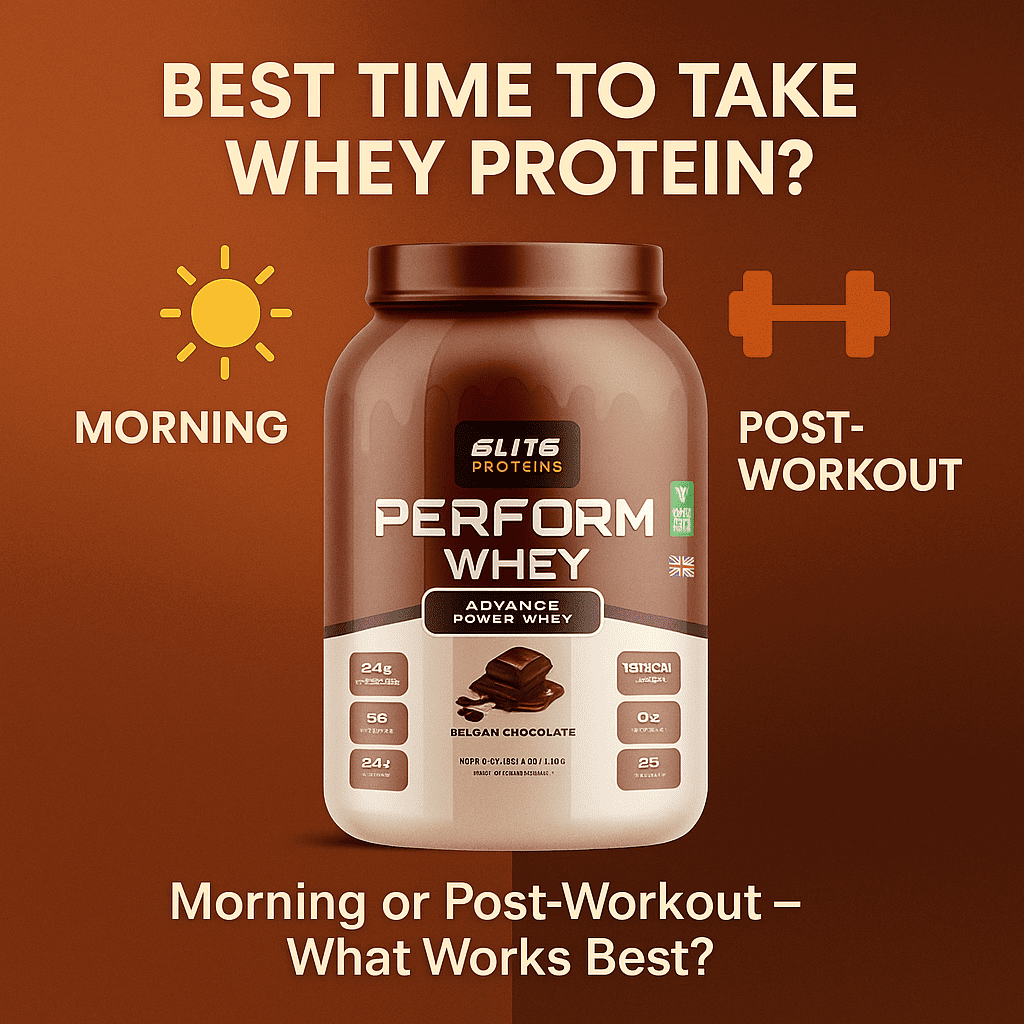
Credit: www.eliteproteins.com
Whey Protein Basics
Whey protein is a popular supplement for fitness enthusiasts. It helps build and repair muscles after workouts.
It comes from milk and is a by-product of cheese making. People use it to improve athletic performance and muscle growth.
Types Of Whey Protein
There are different types of whey protein, each with unique benefits. Knowing these can help you choose the right one.
- Whey Protein Concentrate: This type contains low levels of fat and carbohydrates. It is a good choice for most people.
- Whey Protein Isolate: This form has most of the fat and lactose removed. It is ideal for those watching their calorie intake.
- Whey Protein Hydrolysate: It is pre-digested, allowing for faster absorption. This type is beneficial for quick muscle recovery.
How Whey Protein Works
Whey protein provides essential amino acids. These are the building blocks of proteins needed for muscle repair.
After a workout, muscles need protein to recover and grow stronger. Whey protein helps speed up this process by delivering nutrients quickly.
| Benefit | Explanation |
| Muscle Growth | Provides essential amino acids for muscle repair and growth. |
| Quick Absorption | Delivers nutrients rapidly to muscles after exercise. |
| Fat Loss | Helps in maintaining muscle mass while losing fat. |
Credit: warriorfitnessma.com
Timing And Muscle Growth
Whey protein helps build muscle by providing quick nutrients. The time you take it affects muscle growth.
Eating whey protein at the right times supports workout gains and recovery.
Pre-workout Benefits
Taking whey protein before exercise gives your muscles fuel. It helps increase strength and stamina during workouts.
This timing can reduce muscle breakdown and improve exercise performance.
- Provides quick amino acids
- Boosts energy for muscles
- Reduces muscle damage
Post-workout Recovery
Whey protein after exercise helps repair muscles fast. It supports muscle growth and recovery.
Post-workout whey intake increases protein synthesis to rebuild muscle fibers.
- Speeds up muscle repair
- Reduces soreness
- Enhances muscle growth
Before Bed Intake
Taking whey protein before sleep feeds muscles overnight. This helps prevent muscle breakdown during rest.
It supports steady muscle repair and growth while you sleep.
- Provides amino acids during sleep
- Supports overnight muscle repair
- Helps maintain muscle mass
Daily Protein Needs
Protein is important for building and repairing muscles. It also helps keep your body healthy.
Knowing how much protein you need each day helps you stay strong and fit.
Calculating Your Protein Intake
Your protein needs depend on your weight, age, and activity level. Most people need about 0.8 grams of protein for every kilogram of body weight.
Active people or those who want to build muscle may need more protein, around 1.2 to 2.0 grams per kilogram.
- Light activity: 0.8 grams per kg
- Moderate activity: 1.0 to 1.2 grams per kg
- Heavy activity or muscle building: 1.5 to 2.0 grams per kg
Balancing Meals With Supplements
Eat protein from food like meat, beans, and dairy. Supplements like whey protein can help fill gaps.
Try to get most protein from meals. Use supplements when you need extra protein or quick recovery.
- Include protein in every meal
- Use whey protein after exercise for muscle repair
- Do not rely only on supplements for protein
Whey Protein And Workout Types
Whey protein is popular for building muscle and recovery. Its timing depends on the type of workout you do.
Different workouts need different nutrition strategies. Knowing when to take whey protein helps improve results.
Strength Training
Strength training uses heavy weights to build muscle and power. Whey protein helps repair muscle after lifting.
Taking whey protein right after a workout gives your muscles fast nutrients. It helps them grow and recover.
- Consume whey protein within 30 minutes after training
- This timing supports muscle repair and growth
- Combine with carbs for better recovery
Endurance Training
Endurance training includes running, cycling, or swimming for long times. It mainly uses energy and stamina.
Whey protein helps repair muscles after long endurance sessions. It is best taken after the workout.
- Take whey protein within an hour after endurance exercise
- It aids muscle recovery and reduces soreness
- Pair with fluids and carbs to restore energy
Common Myths About Whey Timing
Many people wonder when to take whey protein for the best results. There are many ideas about the perfect timing. Some of these ideas are not true.
Understanding the facts about whey timing can help you use it better. Let’s look at some common myths.
You Must Take Whey Immediately After Workout
People often say you must drink whey right after exercise. They think this is the only time it works well. This is not true.
Your body can absorb protein for several hours after a workout. Taking whey soon after helps, but it is not the only option.
Whey Protein Timing Is More Important Than Total Protein
Some believe that when you take whey matters more than how much protein you eat daily. This is a myth.
Total daily protein intake has a bigger impact on muscle growth than exact timing. Consistency matters most.
Taking Whey Before Bed Will Make You Gain Fat
Many think whey at night causes fat gain. This idea is not supported by science.
Whey before sleep can help muscle repair and growth. Fat gain depends on total calories, not timing alone.
You Need Whey Protein For Muscle Gain
Some say whey is the only protein that builds muscle fast. This is false.
Muscle grows from enough protein in your diet. You can use other protein sources besides whey.
Taking Whey Multiple Times A Day Is Necessary
People often think you must drink whey many times daily. This is not required for everyone.
Some people benefit from multiple servings, but others meet needs with meals. It depends on your diet and goals.
Practical Tips For Whey Consumption
Whey protein is popular for muscle building and recovery. Knowing the best time and way to take it can improve results.
These tips help you use whey protein correctly and enjoy its benefits safely.
Mixing And Flavoring
Whey protein mixes best with water, milk, or juice. Use a shaker or blender for smooth texture.
Add fruits, peanut butter, or cocoa powder to improve flavor without adding too many calories.
- Use cold liquids for better taste
- Avoid over-mixing to prevent foam
- Add natural flavors for variety
Choosing Quality Products
Select whey protein with clear labels and simple ingredients. Avoid products with many fillers or artificial sweeteners.
Look for brands that test their products for purity and quality. This ensures safety and good nutrition.
- Check for third-party testing
- Choose whey isolate for lower fat and carbs
- Read reviews to find trusted brands

Credit: www.exalt.co.uk
Frequently Asked Questions
When Is The Best Time To Take Whey Protein?
The best time to take whey protein is within 30 minutes after a workout. This helps muscles recover and grow faster. It can also be taken in the morning or between meals to boost protein intake.
Can I Take Whey Protein Before Workout?
Yes, taking whey protein before a workout can provide energy and amino acids. It supports muscle endurance and reduces muscle breakdown during exercise. Consume it about 30 minutes prior for optimal results.
How Often Should I Consume Whey Protein Daily?
Most people benefit from 1-2 servings of whey protein daily. This depends on your protein needs and diet. Avoid exceeding recommended amounts to prevent kidney strain or digestive issues.
Is Whey Protein Effective For Weight Loss?
Whey protein helps with weight loss by promoting fullness and preserving muscle mass. It can reduce appetite and boost metabolism. Combine it with a balanced diet and exercise for best results.
Conclusion
Timing your whey protein intake depends on your goals and daily routine. Many find taking it after workouts helps muscle recovery. Some prefer it in the morning to start the day with protein. Others use it between meals to curb hunger and boost protein intake.
The best time varies for everyone. Listen to your body and stay consistent. This way, whey protein supports your fitness and health goals effectively. Keep it simple and enjoy the benefits over time.


