

Are you on the hunt for the perfect yoga mat, but feeling overwhelmed by all the choices? You’re not alone.
One of the most crucial decisions you’ll make is choosing the right thickness. This seemingly small detail can make a world of difference in your practice. Whether you’re a seasoned yogi or just starting out, understanding the impact of mat thickness can elevate your experience.
In this guide, we’ll delve into the nuances of yoga mat thickness, helping you find the ideal balance between comfort and stability. Discover how the right mat can enhance your poses, protect your joints, and transform your sessions into moments of bliss. Dive in to uncover the secrets of finding your perfect yoga partner—your mat!
Choosing The Right Thickness
Picking the right yoga mat thickness matters for comfort and support. Thickness affects how you feel during your practice.
Some mats are thin and light, while others are thick and cushy. Knowing what fits your needs helps you enjoy yoga more.
Standard Thickness Options
| Thickness | Common Use |
| 1/16 inch (1.5 mm) | Travel and portability |
| 1/8 inch (3 mm) | Most standard mats |
| 1/4 inch (6 mm) | Extra cushioning for joints |
| 1/2 inch (12 mm) | Great for therapy and comfort |
Benefits Of Thin Mats
Thin mats are easy to carry and store. They help you feel the floor better for balance.
- Lightweight for travel
- Better ground connection
- Easier to fold or roll small
- Good for hot yoga and sweaty sessions
Advantages Of Thick Mats
Thick mats offer more padding to protect your knees and joints. They are soft and comfortable for long sessions.
- Extra cushioning for sensitive joints
- Good for floor exercises and stretches
- Can reduce pressure on hard surfaces
- Better for restorative and gentle yoga
Impact On Comfort
The thickness of a yoga mat affects how comfortable it feels during practice. It plays a key role in supporting your body and joints. Choosing the right thickness can improve your overall yoga experience.
This guide explains how mat thickness impacts cushioning, pressure distribution, and comfort for various yoga styles.
Cushioning For Joints
Thicker mats provide more cushioning for knees, elbows, and wrists. This helps reduce pain and strain during poses that put pressure on joints.
- Thick mats (6mm or more) offer better shock absorption.
- Medium mats (4-6mm) balance cushioning and stability.
- Thin mats (2-4mm) provide less padding but more ground feel.
Pressure Distribution
Mat thickness also affects how pressure spreads across your body. A thicker mat helps spread weight more evenly, reducing pressure points.
| Thickness | Pressure Distribution | Best For |
| 6mm+ | High | Joint support, gentle yoga |
| 4-6mm | Moderate | All-around use |
| 2-4mm | Low | Balance and stability |
| Below 2mm | Minimal | Travel and portability |
Comfort For Different Yoga Styles
Yoga styles vary in movement and pressure on the body. The right mat thickness matches your style for better comfort.
- Hatha and Restorative:Thick mats (6mm+) for extra cushioning.
- Vinyasa and Power Yoga:Medium mats (4-6mm) for balance and support.
- Ashtanga and Bikram:Thin mats (2-4mm) for stability and grip.
Support And Stability
The thickness of a yoga mat plays a big role in how much support and stability it provides. It affects how you balance and hold poses on different surfaces.
Choosing the right thickness helps protect your joints and keeps your body steady during practice. It also influences your posture and comfort.
Balance On Various Surfaces
Thicker mats give more cushioning on hard floors like wood or tile. They help reduce pressure on your knees and wrists.
Thin mats work better on soft surfaces like carpet. They let you feel the ground and keep your balance steady.
- Hard floors need thicker mats for comfort
- Soft floors need thinner mats for better grip
- Outdoor use may require extra thickness for uneven ground
Firmness Vs Softness
Firm mats give more stability and help you keep balance. They support your body without sinking too much.
Soft mats offer more cushioning but can make balancing harder. They absorb shock but reduce steadiness.
- Firm mats support balance and posture
- Soft mats provide extra comfort
- Choose firmness based on your practice style
Effect On Posture Alignment
Thick mats can raise your body too much, which may affect posture. This can cause misalignment in some poses.
Thin mats keep you closer to the ground. This helps maintain correct posture and alignment during practice.
- Thin mats improve body connection to the floor
- Thick mats may alter joint angles
- Proper alignment reduces risk of injury
Material And Durability
Choosing the right yoga mat depends on its material and how long it lasts. These factors affect comfort and performance.
Durable mats save money over time and provide a stable surface for practice.
Common Mat Materials
Yoga mats come in various materials that impact feel and durability. Some popular options include:
- PVC (Polyvinyl Chloride): Offers good grip but less eco-friendly.
- TPE (Thermoplastic Elastomer): Lightweight and recyclable.
- Natural Rubber: Strong grip and biodegradable.
- Jute: Natural fiber, eco-friendly, but less cushion.
- Cotton: Soft surface but absorbs moisture easily.
Thickness And Wear Resistance
Mat thickness affects comfort and how it wears over time. Thicker mats cushion joints better.
| Thickness | Comfort Level | Durability |
| 1/16 inch (1.5 mm) | Low | Low |
| 1/8 inch (3 mm) | Medium | Medium |
| 1/4 inch (6 mm) | High | High |
Eco-friendly Choices
Some mats focus on sustainability and use renewable materials. These choices reduce waste and pollution.
- Natural rubber mats break down naturally over time.
- Jute mats use plant fibers that grow quickly.
- Cork mats come from tree bark without cutting trees.
- Recycled material mats reuse plastics and rubber.
Portability And Storage
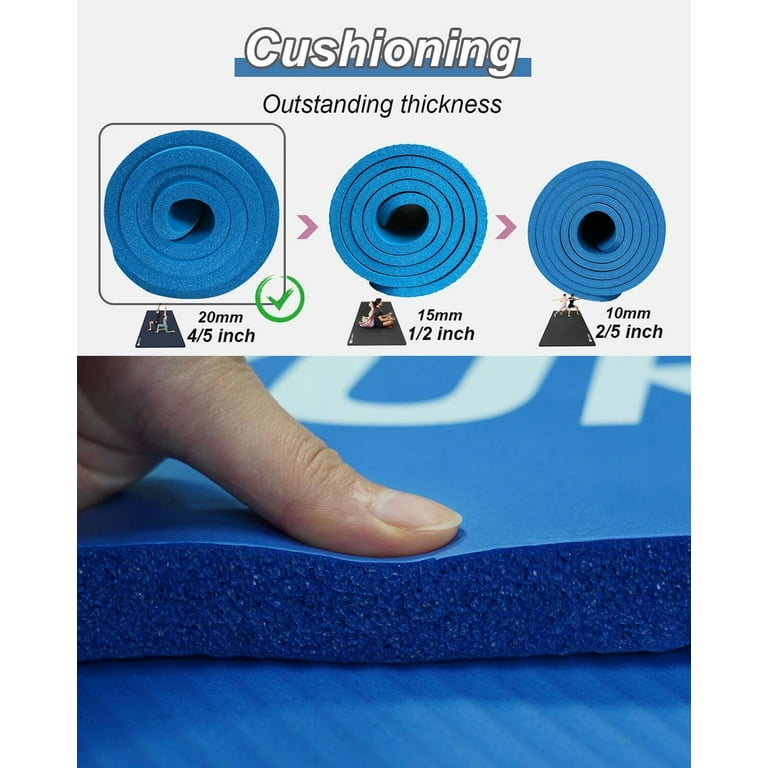
Choosing the right yoga mat thickness affects how easy it is to carry and store. A mat that is too thick can be heavy and bulky. A thinner mat is usually lighter and easier to manage.
Portability is important if you travel or go to yoga classes. Storage matters if you keep your mat at home in a small space.
Weight Considerations
Thicker mats often weigh more because they use more material. This weight can make it harder to carry the mat for long periods.
Lighter mats are easier to take with you. If you move your mat daily, consider a thinner mat that weighs less.
- Thicker mats: heavier and less portable
- Thinner mats: lighter and easier to carry
- Material also affects weight
Ease Of Rolling And Carrying
Thinner mats are easier to roll tightly. This makes them simpler to carry and store in bags or backpacks.
Thicker mats can be bulky and harder to roll small. Some thick mats may not fit in standard yoga mat bags.
- Thin mats roll small and fit in bags
- Thick mats take more space when rolled
- Choose mats that roll easily for convenience
Space For Home Or Travel
Thinner mats use less space at home. They fit better in closets or small corners.
If you travel, a mat that stores compactly fits better in luggage. Thick mats may be hard to pack.
- Thin mats save space in small homes
- Compact mats fit easily in travel bags
- Consider storage space before buying
Credit: www.walmart.com
Special Needs And Preferences
Choosing the right yoga mat thickness depends on your body and practice style. Different thicknesses suit different needs and preferences.
This guide helps you find the right mat thickness based on your special needs.
Yoga For Beginners
Beginners need extra comfort and support to learn poses safely. A thicker mat helps cushion joints and balance.
Look for mats around 6mm thick. They provide good padding without being too soft or unstable.
Mats For Sensitive Knees
If you have sensitive knees, choose a mat with extra padding. Thicker mats reduce pressure and protect your joints.
- 8mm or thicker mats offer better knee support
- High-density foam mats can prevent pain
- Consider adding a knee pad if needed
Options For Hot Yoga
Hot yoga requires mats that handle sweat and heat well. Thinner mats often work best for grip and stability.
Mats around 3mm thick dry faster and provide good traction. Look for mats with non-slip surfaces to avoid slipping.
Price And Value
Choosing the right yoga mat thickness affects both price and value. Thicker mats usually cost more but offer extra comfort. Thinner mats are cheaper but may wear out faster.
Understanding how thickness relates to price helps you pick a mat that fits your budget and needs. Let’s explore what you get for your money.
Cost Vs Thickness
Thicker yoga mats often have higher prices. This is because they use more material and offer better cushioning. Thinner mats cost less but may not protect your joints as well.
Price differences can be seen clearly in the market. Mats under 4mm are usually budget-friendly. Mats 6mm and above tend to be pricier.
- 2-3mm mats: cheaper, less cushioning
- 4-5mm mats: moderate price, balanced comfort
- 6-8mm mats: higher price, extra padding
Long-term Investment
A thicker, high-quality mat can last longer. This means you spend less money replacing it often. Cheaper mats may wear out quickly, costing more over time.
Think about how often you practice yoga. If you practice a lot, investing in a thicker mat might save money in the long run.
- Thicker mats resist tears and dents better
- Good mats keep their shape and support
- Durable mats provide consistent comfort
Finding Quality On A Budget
You can find decent mats without spending too much. Look for mats with moderate thickness and good reviews. Some brands offer value packs or discounts.
Check materials and durability before buying. Sometimes a mid-priced mat gives better value than a very cheap one.
- Choose mats around 4-5mm for balance
- Read user reviews to check quality
- Look for sales or bundle deals
- Avoid mats that feel too thin or flimsy

Credit: www.amazon.ca

Credit: www.marcypro.com
Frequently Asked Questions
What Is The Best Yoga Mat Thickness For Beginners?
A 4-6 mm thick yoga mat is ideal for beginners. It offers enough cushioning and stability. This thickness protects joints and enhances balance during poses.
How Does Yoga Mat Thickness Affect Comfort?
Thicker mats provide more cushioning, reducing pressure on knees and joints. Thinner mats offer better ground connection and stability. Choose thickness based on your comfort and practice style.
Which Yoga Mat Thickness Suits Travel And Portability?
A 1-2 mm thin yoga mat is best for travel. It is lightweight and easy to fold. Thin mats sacrifice cushioning but prioritize portability and convenience.
Can Yoga Mat Thickness Impact Balance During Practice?
Yes, thicker mats can reduce balance by creating an unstable surface. Thinner mats improve stability but may lack cushioning. Select a thickness that balances comfort and balance needs.
Conclusion
Choosing the right yoga mat thickness affects comfort and support during practice. Thicker mats cushion your joints well, especially on hard floors. Thinner mats offer better balance and stability for standing poses. Consider your body needs and where you practice most.
A good mat helps you focus and enjoy yoga more. Take time to find one that feels right for you. Your yoga practice will improve with the right mat under you.


