
Are you wondering which vitamins you should take every day to stay healthy and full of energy? As a teenager, your body is growing fast and needs the right nutrients to keep up.
Taking the right vitamins can boost your mood, improve your focus, and support your overall well-being. But with so many options out there, how do you know what’s best for you? Keep reading to discover the essential vitamins that can help you feel your best every single day.

Credit: lloydspharmacy.com
Key Vitamins For Teens
Teens need many vitamins every day to grow strong and stay healthy. Vitamins help the body work well and fight sickness.
Eating foods with vitamins or taking supplements can keep teens healthy. Here are some key vitamins teens should know about.
Vitamin A Benefits
Vitamin A helps teens see well, especially in the dark. It also keeps their skin and immune system strong.
This vitamin is important for growth and healing wounds quickly. Foods like carrots and sweet potatoes have vitamin A.
Importance Of Vitamin B Complex
Vitamin B complex includes many vitamins like B1, B2, B6, and B12. They help turn food into energy for the body.
These vitamins support brain health and keep nerves working right. Whole grains, eggs, and meat have vitamin B complex.
Role Of Vitamin C
Vitamin C helps the body heal cuts and fight infections. It also helps absorb iron from food.
Teens can get vitamin C from fruits like oranges, strawberries, and kiwi. It keeps the skin healthy too.
Vitamin D And Bone Health
Vitamin D helps the body use calcium for strong bones and teeth. It is very important for teen growth.
Sunlight helps the skin make vitamin D. Fatty fish, eggs, and fortified milk also provide this vitamin.
Why Vitamin E Matters
Vitamin E protects cells from damage caused by harmful molecules. It supports the immune system too.
Seeds, nuts, and green leafy vegetables have vitamin E. It helps the body stay healthy during teen years.
Vitamin K Functions
Vitamin K helps blood clot to stop bleeding when teens get cuts. It also supports bone health.
Green leafy vegetables like spinach and kale are rich in vitamin K. This vitamin is important for healing.

Credit: www.olly.com
Minerals Vital For Teen Health
Minerals are important for teenagers as their bodies grow fast. They help build strong bones, give energy, and support the immune system.
Eating foods with the right minerals helps teens stay healthy and active every day.
Calcium For Strong Bones
Calcium is a key mineral that builds strong bones and teeth. Teens need more calcium because their bones grow quickly at this age.
Getting enough calcium helps prevent bone problems later in life.
- Milk and cheese are good sources of calcium.
- Leafy green vegetables also contain calcium.
- Calcium-fortified foods can help meet daily needs.
Iron And Energy Levels
Iron helps carry oxygen in the blood to give energy. Teens need iron to stay active and focused at school.
Not enough iron can cause tiredness and weakness.
- Red meat, beans, and spinach are rich in iron.
- Vitamin C helps the body absorb iron better.
- Girls need more iron due to menstruation.
Magnesium Roles
Magnesium helps muscles and nerves work well. It also supports strong bones and a healthy heart.
Teens need magnesium for energy production and good sleep.
- Nuts and seeds are rich in magnesium.
- Whole grains and leafy vegetables also provide magnesium.
- Magnesium helps balance other minerals in the body.
Zinc For Immunity
Zinc supports the immune system and helps heal wounds. It also helps teens grow and develop properly.
Getting enough zinc helps fight infections and keeps skin healthy.
- Meat, dairy, and seafood have high zinc levels.
- Beans and nuts also contain zinc.
- Zinc is important for taste and smell senses.
Daily Vitamin Requirements
Vitamins are essential for teenagers to grow healthy and strong. They help the body work well every day.
Eating a balanced diet usually gives most vitamins. Sometimes, teens may need extra vitamins to stay healthy.
Recommended Dosages
Teens need different amounts of vitamins each day. The right dose keeps their body working well.
| Vitamin | Recommended Daily Amount |
|---|---|
| Vitamin A | 600-900 mcg |
| Vitamin C | 65-75 mg |
| Vitamin D | 600 IU (15 mcg) |
| Vitamin E | 15 mg |
| Vitamin K | 75-120 mcg |
| Vitamin B6 | 1.0-1.3 mg |
| Vitamin B12 | 1.8-2.4 mcg |
Gender Differences In Needs
Boys and girls need some vitamins in different amounts. This is due to their growing bodies.
For example, girls need more iron because they lose it during their periods. Boys need more vitamin C to support muscle growth.
- Girls need 15 mg of iron daily; boys need 11 mg.
- Vitamin D and calcium needs are similar for both.
- Girls may need extra folate for health.
Age-specific Guidelines
Teens aged 13 to 18 have different vitamin needs than younger children. Their bodies grow faster.
Older teens often need more vitamins to support bones, skin, and brain development.
| Age Group | Key Vitamin Needs |
|---|---|
| 13-15 years | Focus on vitamins A, C, D, and iron |
| 16-18 years | Higher needs for calcium, vitamin B12, and folate |
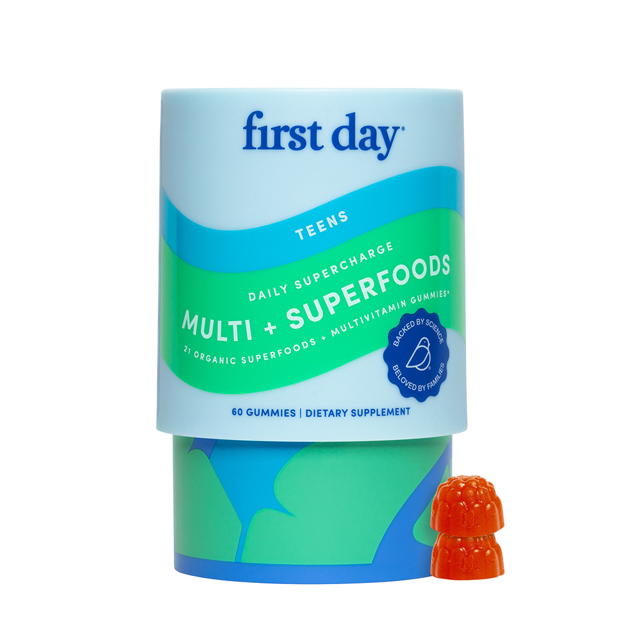
Credit: firstday.com
Sources Of Essential Vitamins
Teenagers need vitamins to grow strong and stay healthy. Vitamins help the body work well every day.
Eating the right foods gives most vitamins. Some teens may need extra help from fortified foods or supplements.
Vitamin-rich Foods
Fresh fruits and vegetables are full of vitamins. Whole grains, nuts, and lean meats also provide many important vitamins.
- Oranges and strawberries give vitamin C
- Carrots and spinach provide vitamin A
- Whole grains have B vitamins
- Milk and cheese offer vitamin D and calcium
- Eggs contain vitamin B12
Fortified Products
Some foods have vitamins added to help people get enough. These are called fortified products.
Fortified foods are a good way to increase vitamin intake without taking pills.
- Breakfast cereals often have added vitamins B and D
- Milk and plant-based milk sometimes contain extra vitamin D
- Breads may have added folic acid
- Orange juice can be fortified with calcium and vitamin D
When To Consider Supplements
Most teens get enough vitamins from food. Some need supplements if they have special needs.
Supplements may help if a teen is a picky eater or has health issues that limit vitamin absorption.
- Talk to a doctor before starting supplements
- Vitamin D supplements help teens who get little sunlight
- Iron supplements may be needed for some girls during menstruation
- Multivitamins can fill small gaps in diet
Signs Of Vitamin Deficiency
Teenagers need many vitamins every day to stay healthy. Vitamins help the body grow and work well.
When teens lack vitamins, they can show signs that something is wrong. It is important to know these signs early.
Common Symptoms
Vitamin deficiency can cause many symptoms in teens. These signs may affect their energy, mood, and body.
- Feeling tired or weak often
- Pale skin or lips
- Slow healing of cuts and bruises
- Hair loss or dry skin
- Frequent colds or infections
- Muscle cramps or bone pain
- Difficulty concentrating or mood swings
Health Risks For Teens
Not getting enough vitamins can cause serious health problems for teens. Their growth and development may slow down.
Deficiencies can lead to weak bones, poor immune system, and learning difficulties. These risks affect daily life and future health.
- Weak bones and teeth from lack of vitamin D and calcium
- Iron deficiency anemia causing tiredness and weakness
- Poor immune system, leading to more infections
- Skin problems from lack of vitamin A
- Memory and focus issues from low B vitamins
When To Seek Medical Advice
See a doctor if a teen shows signs of vitamin deficiency. Early diagnosis helps avoid serious health problems.
Doctors can do tests to find out which vitamins are low. They will suggest the right supplements or diet changes.
- Persistent tiredness or weakness
- Unexplained weight loss or poor growth
- Frequent infections or slow healing wounds
- Severe mood changes or difficulty concentrating
- Visible changes in skin, hair, or nails
Tips For Balanced Nutrition
Teenagers need the right vitamins every day to grow strong and stay healthy. Eating a balanced diet helps them get these vitamins naturally.
Good nutrition supports energy, brain function, and overall health. Planning meals and snacks carefully can make sure teens get what they need.
Meal Planning Ideas
Plan meals with a mix of fruits, vegetables, proteins, and whole grains. This variety provides vitamins like A, C, D, and B-complex.
Include dairy or fortified alternatives for calcium and vitamin D. Lean meats, beans, and nuts add important minerals.
- Breakfast: Oatmeal with berries and milk
- Lunch: Turkey sandwich with lettuce and tomato
- Dinner: Grilled chicken, brown rice, and steamed broccoli
- Drink water or 100% fruit juice with meals
Healthy Snacking
Choose snacks that add vitamins and minerals without extra sugar or salt. Healthy snacks keep energy levels stable.
Good options include fresh fruit, yogurt, nuts, and raw vegetables with hummus. These snacks provide vitamin C, calcium, and fiber.
- Apple slices with peanut butter
- Carrot sticks with hummus
- Low-fat yogurt with a handful of almonds
- Fresh berries or orange segments
Avoiding Over-supplementation
Taking too many vitamin pills can harm health. Teens should get most vitamins from food, not supplements.
Talk to a doctor before using vitamins. Some vitamins like A and D can cause problems if taken in large amounts.
- Do not take extra vitamins without advice
- Focus on a healthy diet first
- Use supplements only if a doctor recommends
- Read labels to avoid high doses
Frequently Asked Questions
What Vitamins Are Essential For Teenagers Daily?
Teenagers need vitamins A, C, D, E, and B-complex daily. These support growth, immunity, skin health, and energy production. A balanced diet or supplements can provide these vitamins effectively.
How Much Vitamin D Should Teens Take Daily?
Teens should get 600 IU of vitamin D daily. It helps build strong bones and supports immune health. Sun exposure and fortified foods are good sources.
Can Teenagers Take Multivitamins Safely Every Day?
Yes, multivitamins are safe for teens if taken as directed. They fill nutritional gaps but shouldn’t replace a healthy diet. Consult a doctor before starting supplements.
Why Is Vitamin B Important For Teenagers?
Vitamin B supports energy metabolism and brain development in teens. It includes B6, B12, and folate, essential for growth and red blood cell production.
Conclusion
Teenagers need vitamins to grow strong and stay healthy. Daily vitamins like vitamin D, calcium, and vitamin C support bones and the immune system. Eating a balanced diet helps provide these nutrients naturally. Supplements can help if diet lacks certain vitamins.
Always talk to a doctor before starting any vitamins. Small steps today lead to better health tomorrow. Keep vitamins simple and consistent for the best results. Stay healthy, stay active, and give your body what it needs.


