

Are you tired of stiff, achy joints holding you back? You’re not alone.
Healthy joints are key to staying active and pain-free every day. But did you know that certain vitamins can play a big role in keeping your joints strong and flexible? You’ll discover which vitamins are best for your joint health and how they work to reduce discomfort and improve mobility.
Keep reading to find out how simple changes to your diet could make a huge difference in how your joints feel—and help you move with ease again.
Credit: www.hollandandbarrett.com
Key Vitamins For Joint Health
Vitamins play an important role in keeping your joints healthy. They help reduce pain and improve joint function.
Eating foods rich in vitamins supports strong bones and flexible joints. Here are some key vitamins for joint health.
Vitamin D
Vitamin D helps your body absorb calcium. Calcium is important for strong bones and joints.
Low vitamin D levels can cause joint pain and stiffness. You can get vitamin D from sunlight and some foods.
- Fatty fish like salmon and mackerel
- Fortified milk and orange juice
- Egg yolks
Vitamin C
Vitamin C helps make collagen. Collagen is a protein that supports cartilage in joints.
This vitamin also fights inflammation in the joints. Eating enough vitamin C can reduce joint pain.
- Citrus fruits like oranges and lemons
- Strawberries and kiwi
- Broccoli and bell peppers
Vitamin E
Vitamin E works as an antioxidant. It protects joint cells from damage by free radicals.
It may help reduce joint pain and swelling. Nuts and seeds are good sources of vitamin E.
- Almonds and sunflower seeds
- Spinach and avocado
- Peanuts and hazelnuts
Vitamin K
Vitamin K helps keep bones strong by supporting calcium use. Strong bones reduce joint stress.
It may also lower the risk of joint damage. Leafy green vegetables are rich in vitamin K.
- Kale and spinach
- Broccoli and Brussels sprouts
- Green beans and lettuce
The Role Of Omega-3 Fatty Acids
Omega-3 fatty acids are important for joint health. They help reduce inflammation and ease joint pain.
These fats are found in certain foods and supplements. They support the structure and function of your joints.
How Omega-3 Fatty Acids Reduce Inflammation
Inflammation causes joint pain and stiffness. Omega-3s lower the chemicals that cause inflammation.
By reducing inflammation, omega-3s can help improve joint movement and comfort.
Sources Of Omega-3 Fatty Acids
You can find omega-3s in foods like fish, nuts, and seeds. These foods are good for your joints.
- Fatty fish such as salmon, mackerel, and sardines
- Chia seeds and flaxseeds
- Walnuts
- Omega-3 supplements like fish oil
Omega-3 Fatty Acids And Joint Cartilage
Omega-3s help protect the cartilage in your joints. Cartilage cushions bones and allows smooth movement.
These fats support cartilage repair and keep joints flexible over time.
Daily Omega-3 Intake Recommendations
Experts suggest eating omega-3 rich foods several times a week. Supplements may help if your diet lacks these fats.
- Eat fatty fish 2-3 times a week
- Include nuts and seeds daily
- Consider fish oil supplements after talking to a doctor
Minerals Supporting Joint Function
Minerals play an important role in keeping your joints healthy. They help build strong bones and reduce inflammation.
Eating foods rich in certain minerals can support joint function and ease joint discomfort.
Calcium
Calcium is essential for strong bones and cartilage. It helps prevent bone loss around your joints.
Getting enough calcium can lower the risk of joint pain and stiffness.
- Found in dairy products like milk and cheese
- Also in leafy green vegetables like kale
- Available in fortified plant-based milks
Magnesium
Magnesium helps muscles relax and supports joint movement. It also reduces inflammation around joints.
Low magnesium levels can lead to joint pain and cramps.
- Found in nuts and seeds like almonds
- Also in whole grains and green leafy vegetables
- Helps improve joint flexibility
Zinc
Zinc supports the repair of joint tissues and helps fight inflammation. It is vital for joint healing.
Adequate zinc intake may reduce joint swelling and discomfort.
- Found in meat, shellfish, and legumes
- Supports the immune system and joint health
- Helps maintain cartilage strength
Collagen And Joint Flexibility
Collagen is a protein that helps keep joints strong and flexible. It acts like glue, holding tissues together.
Good joint flexibility lets you move easily without pain. Vitamins can support collagen and joint health.
Vitamin C And Collagen Production
Vitamin C helps the body make collagen. Without enough vitamin C, collagen production slows down.
This vitamin also protects joints from damage by fighting harmful molecules called free radicals.
- Found in citrus fruits like oranges and lemons
- Also in strawberries, bell peppers, and broccoli
- Supports healing and tissue repair
Vitamin D And Joint Health
Vitamin D helps your body absorb calcium. Calcium is essential for strong bones and joints.
Low vitamin D levels can lead to joint pain and stiffness.
- Sunlight is the main source of vitamin D
- Found in fatty fish like salmon and mackerel
- Also in fortified milk and egg yolks
Vitamin E And Joint Protection
Vitamin E acts as an antioxidant. It helps protect joint tissues from damage.
It may reduce inflammation and improve joint comfort.
- Found in nuts like almonds and hazelnuts
- Also in spinach and sunflower seeds
- Supports healthy cell function
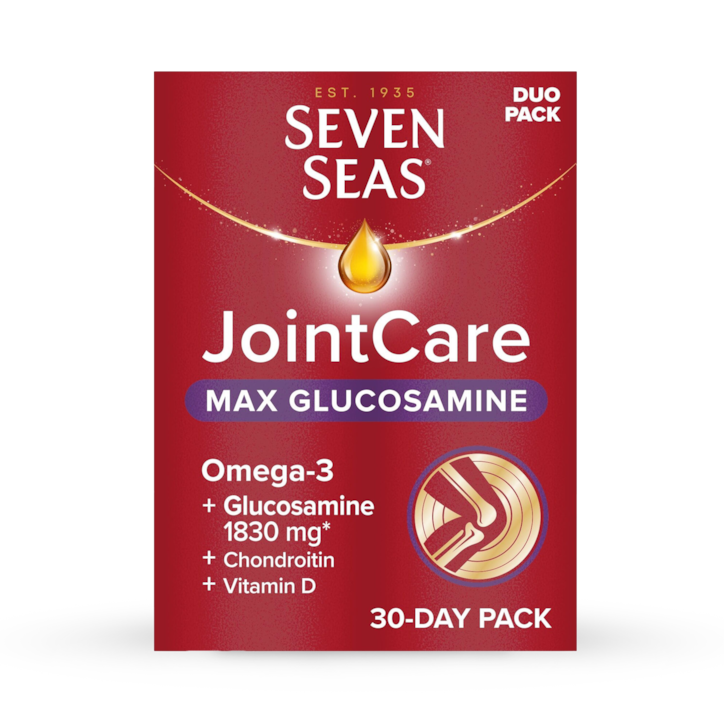
Glucosamine And Chondroitin
Joints need vitamins and nutrients to stay healthy. Glucosamine and chondroitin help support joint health.
These supplements may reduce joint pain and improve movement. They work by supporting cartilage, the cushion in joints.
Glucosamine
Glucosamine is a natural compound found in cartilage. It helps build and repair cartilage in joints.
People often take glucosamine to ease joint pain from arthritis. It may also slow cartilage breakdown.
- Supports cartilage health
- May reduce joint pain
- Helps maintain joint flexibility
Chondroitin
Chondroitin is another natural substance in cartilage. It attracts water and nutrients to the joints.
Chondroitin may reduce joint swelling and improve joint function. It works well with glucosamine.
- Helps keep joints lubricated
- May ease joint stiffness
- Supports cartilage repair
Herbal Supplements For Joint Relief
Many people use herbal supplements to help ease joint pain. These natural options may reduce swelling and improve joint function.
Herbs like turmeric and boswellia have been studied for their benefits. They offer gentle support for joint health.
Turmeric
Turmeric is a bright yellow spice often used in cooking. It contains curcumin, which has anti-inflammatory properties.
Taking turmeric supplements may reduce joint stiffness and pain. It helps calm down inflammation in the body.
- Reduces joint swelling
- Supports cartilage health
- May improve mobility
Boswellia
Boswellia comes from the resin of the frankincense tree. It is known for its ability to reduce inflammation.
This herb can help lessen joint pain and improve flexibility. It works by blocking enzymes that cause swelling.
- Reduces joint pain
- Improves joint movement
- Supports healthy cartilage
Balanced Diet For Joint Maintenance
Eating the right foods helps keep your joints strong and healthy. A balanced diet gives your body vitamins and minerals it needs.
Good nutrition supports joint function and reduces pain and stiffness. Some vitamins play a key role in joint health.
Vitamin D
Vitamin D helps your body absorb calcium. Calcium is important for strong bones that support your joints.
Getting enough vitamin D can reduce joint pain and improve mobility. Sunlight and some foods provide vitamin D.
- Fatty fish like salmon and mackerel
- Fortified milk and cereals
- Egg yolks
- Sunlight exposure
Vitamin C
Vitamin C helps make collagen. Collagen is a protein that keeps joints flexible and strong.
This vitamin also protects joints from damage by fighting free radicals. Eat vitamin C rich foods daily.
- Citrus fruits like oranges and lemons
- Strawberries and kiwi
- Bell peppers
- Broccoli
Vitamin E
Vitamin E acts as an antioxidant. It reduces inflammation in the joints and helps ease joint pain.
Sources of vitamin E include nuts and seeds. Adding these foods can support joint health.
- Almonds and sunflower seeds
- Spinach and avocado
- Peanut butter
Vitamin K
Vitamin K helps bones stay strong. It supports bone mineralization and may lower joint damage risk.
Green leafy vegetables are good sources of vitamin K. Include them in your meals regularly.
- Kale and spinach
- Broccoli
- Brussels sprouts
B Vitamins
B vitamins, like B6 and B12, help reduce inflammation and pain in joints. They support nerve health too.
Lean meats, dairy, and whole grains provide these important vitamins for joint comfort and function.
- Chicken and turkey
- Eggs and milk
- Whole wheat bread and cereals
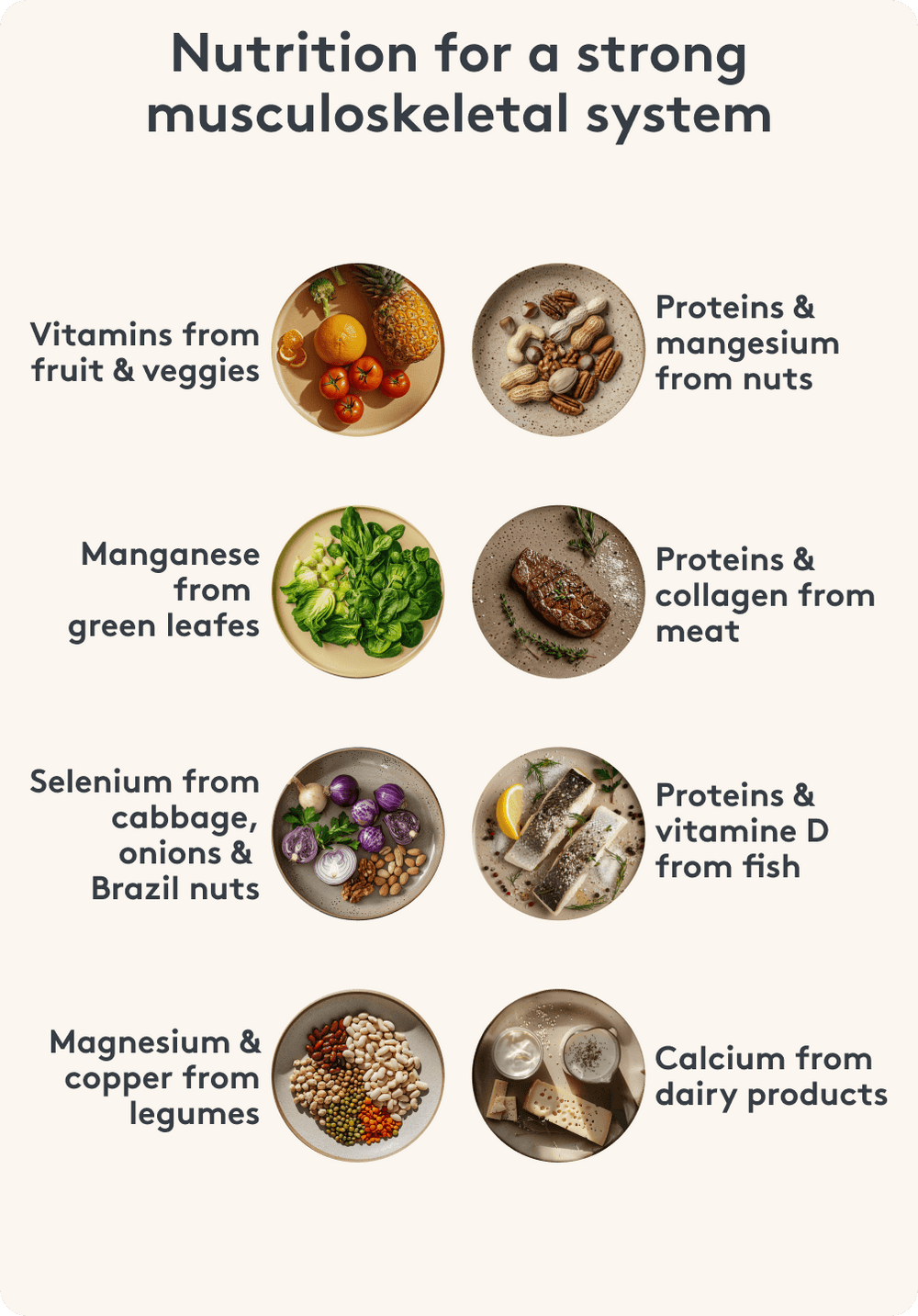
Credit: mitocare.de
Lifestyle Changes For Joint Support
Taking care of your joints is important for daily movement and comfort. Simple lifestyle changes can help keep joints strong and healthy.
Eating the right vitamins is good, but exercise and weight management also play big roles in joint health.
Exercise
Regular exercise helps keep joints flexible and muscles strong. It also reduces stiffness and pain.
Low-impact activities are best for joint care. These exercises do not put too much stress on joints.
- Walking
- Swimming
- Yoga
- Stretching
Weight Management
Carrying extra weight puts more pressure on your joints. This can cause pain and damage over time.
Losing weight helps reduce joint stress. It also lowers the risk of joint problems.
- Eat a balanced diet with vitamins that support joints
- Control portion sizes to avoid overeating
- Stay active to burn calories
- Drink plenty of water

Credit: seven-seas.co.uk
Frequently Asked Questions
What Vitamins Help Reduce Joint Pain Naturally?
Vitamins D, C, and E help reduce joint pain naturally. Vitamin D supports bone health, while C and E act as antioxidants. These vitamins reduce inflammation, improving joint comfort and mobility. Including them in your diet can support overall joint health.
How Does Vitamin D Improve Joint Health?
Vitamin D boosts calcium absorption, essential for strong bones. It reduces joint inflammation and supports cartilage repair. Low vitamin D levels can lead to joint pain and stiffness. Regular intake helps maintain flexible and healthy joints.
Can Vitamin C Prevent Joint Damage?
Yes, vitamin C is crucial for collagen production. Collagen maintains cartilage strength and joint integrity. It also acts as an antioxidant to reduce inflammation. Adequate vitamin C intake helps protect joints from damage and promotes healing.
Are Vitamin E Supplements Good For Arthritis?
Vitamin E is an antioxidant that may reduce arthritis symptoms. It helps combat oxidative stress that damages joint tissues. Some studies show vitamin E can ease pain and swelling. However, consult a doctor before starting supplements.
Conclusion
Taking care of your joints helps you stay active and pain-free. Vitamins like D, C, and E support joint health every day. Eating a balanced diet with these vitamins can reduce stiffness and improve movement. Small changes in your nutrition make a big difference over time.
Remember, healthy joints help you enjoy life more fully. Keep vitamins in mind to protect your joints naturally. Simple steps lead to stronger, happier joints.


