

Choosing the right dumbbells can make a big difference in your workout results. But how do you know what size dumbbells to buy?
If you pick weights that are too heavy, you might risk injury or feel frustrated. Too light, and you won’t see the progress you want. This guide will help you find the perfect dumbbells for your strength, goals, and fitness level.
Keep reading, and you’ll soon feel confident making the best choice for your workouts.

Credit: montrealweights.ca
Choosing Dumbbells By Fitness Level
Picking the right dumbbells is important for your fitness journey. Your current strength level matters when deciding what weight to start with.
Different fitness levels require different dumbbell weights. This guide helps you choose the right size based on your experience.
Beginners: Starting Light
Beginners should start with lighter weights. This helps your body adjust to new exercises and prevents injuries.
Women may start with 2-5 pounds, while men can try 5-10 pounds. Focus on proper form and technique.
- Start with lighter weights to learn form
- Try 2-5 pounds for women
- Try 5-10 pounds for men
Intermediate: Increasing Weight
Intermediate users can handle more weight. This level is about building strength and endurance.
Women may use 8-15 pounds, and men can use 10-25 pounds. It’s important to challenge your muscles without risking injury.
- Increase weight to build strength
- 8-15 pounds for women
- 10-25 pounds for men
Advanced: Challenging Loads
Advanced users need heavier weights. This level focuses on muscle growth and power.
Women might choose 15-25 pounds, while men might go for 25-50 pounds. Always ensure proper technique to avoid injury.
- Choose heavier weights for muscle growth
- 15-25 pounds for women
- 25-50 pounds for men
Credit: montrealweights.ca
Types Of Dumbbells
Dumbbells come in different types to fit your workout needs. Choosing the right type helps you train better.
Knowing the types of dumbbells can help you decide what size to buy. Each type has its own features.
Fixed Vs Adjustable Dumbbells
Fixed dumbbells have a set weight that does not change. They are easy to use and last long.
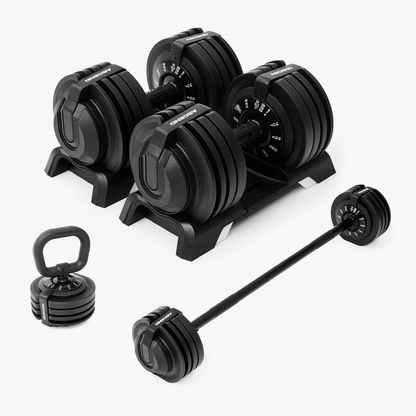
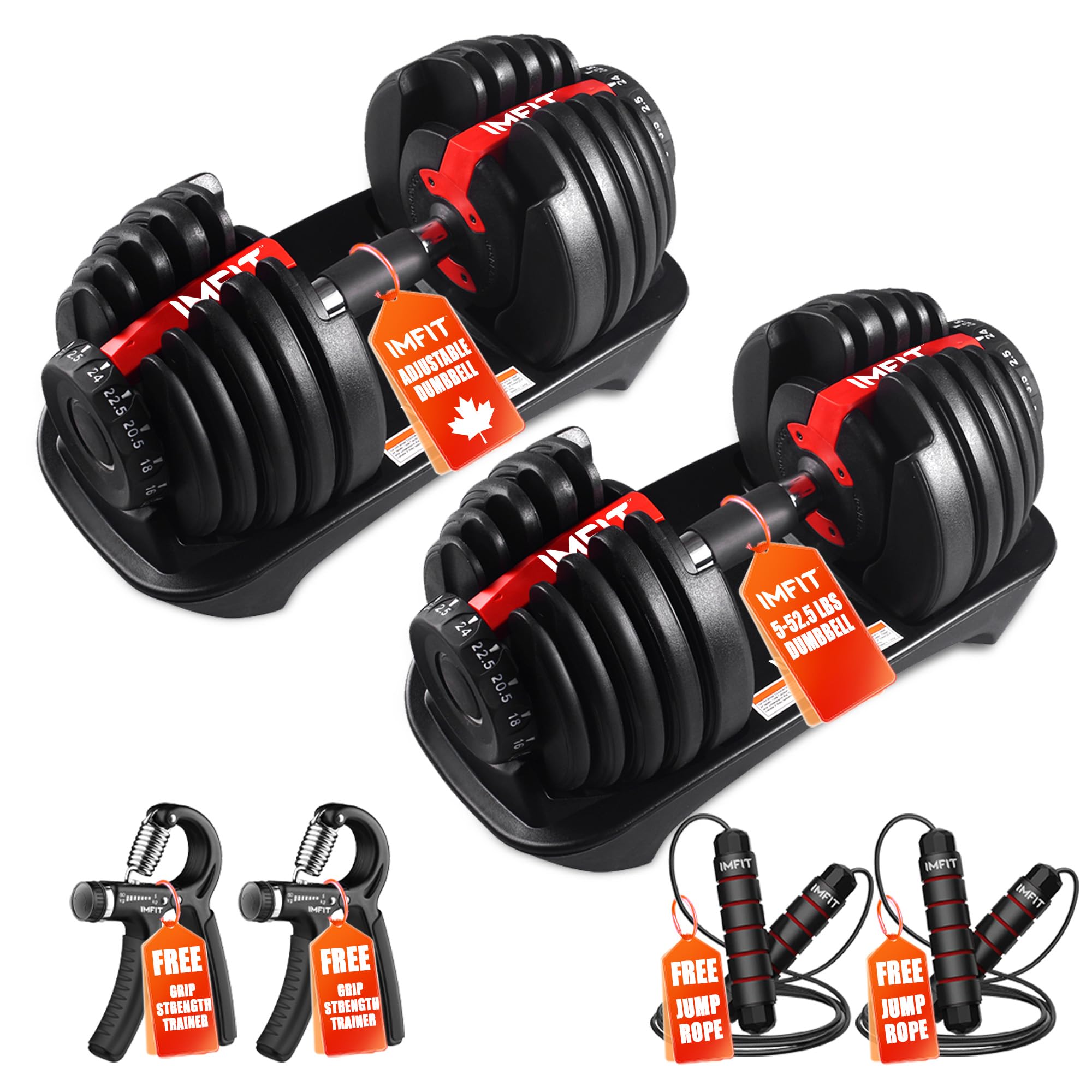
Adjustable dumbbells let you change the weight by adding or removing plates. They save space and cost less.
- Fixed dumbbells are good for simple workouts.
- Adjustable dumbbells are ideal for many weight levels.
- Fixed dumbbells take more space at home.
- Adjustable dumbbells reduce clutter.
Material And Grip Options
Dumbbells come in different materials like metal, rubber, or plastic. The material affects feel and durability.
The grip can be smooth, knurled, or padded. Good grip helps you hold the dumbbell safely during exercise.
- Metal dumbbells are strong but may be slippery.
- Rubber dumbbells reduce noise and protect floors.
- Plastic dumbbells are light and cheap.
- Knurled grips improve hold and prevent slipping.
- Padded grips add comfort for long workouts.
Common Weight Ranges
Choosing the right dumbbell weight depends on your fitness goals. Different weights help you train endurance, strength, or power.
Understanding common weight ranges can guide your purchase. This helps you pick dumbbells that fit your needs well.
Lightweights For Endurance
Lightweights usually range from 1 to 10 pounds. They are perfect for high repetitions and longer workouts.
These weights improve muscle endurance and tone. They are great for beginners and older adults.
- 1 to 5 pounds: good for warm-ups and rehab
- 5 to 10 pounds: ideal for endurance training
- Focus on many reps with light weights
Medium Weights For Strength
Medium weights range from 10 to 25 pounds. They help build muscle strength and size.
Use these weights for moderate repetitions with good form. They suit most people with some training experience.
- 10 to 15 pounds: good for small muscle groups
- 15 to 25 pounds: target larger muscles
- Use 8 to 12 reps per set for strength gains
Heavyweights For Power
Heavyweights start around 25 pounds and go up. They build power and increase muscle mass fast.
Lift heavy with fewer repetitions. These weights suit experienced lifters and athletes.
- 25 to 40 pounds: good for intermediate lifters
- 40 pounds and above: for advanced training
- Use 1 to 6 reps per set for power
Choosing Dumbbells For Different Exercises
Selecting the right dumbbell size helps you exercise safely and effectively. Different exercises need different weights.
Picking dumbbells that match your strength and workout type improves your results and reduces injury risks.
Upper Body Workouts
Upper body exercises target muscles like biceps, triceps, shoulders, and chest. Use lighter weights to start.
Choose dumbbells you can lift 10 to 15 times with good form. This helps build muscle and avoid strain.
- 5 to 15 pounds for beginners
- 15 to 25 pounds for intermediate users
- 25+ pounds for advanced lifters
Lower Body Workouts
Lower body exercises work muscles like quads, hamstrings, and calves. These muscles are larger and stronger.
Pick heavier dumbbells than for upper body. You should be able to complete 8 to 12 reps with control.
- 10 to 20 pounds for beginners
- 20 to 35 pounds for intermediate users
- 35+ pounds for advanced lifters
Full-body Training
Full-body workouts combine upper and lower body moves. Choose dumbbells that balance strength and endurance.
Select a weight you can use for 8 to 15 reps without losing form. This helps train many muscle groups well.
- 8 to 15 pounds for beginners
- 15 to 25 pounds for intermediate users
- 25+ pounds for advanced lifters
Space And Budget Considerations
Choosing the right dumbbell size depends on your space and budget. Not all homes have room for large equipment.
Finding affordable options that fit your area can help you start exercising without stress.
Compact Options For Small Spaces
Small spaces need dumbbells that do not take much room. Adjustable dumbbells save space by replacing many weights.
Stackable dumbbells also keep your area neat. You can store them easily on shelves or under furniture.
- Adjustable dumbbells fit different weight needs
- Stackable designs keep storage simple
- Compact shapes reduce floor space use
Cost-effective Choices
Budget matters when buying dumbbells. Fixed-weight sets can be cheaper but take more space.
Adjustable dumbbells cost more at first but save money later. You buy one set for many weights.
- Fixed dumbbells are low cost but bulky
- Adjustable dumbbells have higher start price
- Consider how many weights you need
- Look for quality to avoid quick replacement
Progressing Your Dumbbell Weight
Choosing the right dumbbell weight is important for exercise progress. As you get stronger, you need to increase the weight.
This helps your muscles grow and improves your fitness. Let’s look at when and how to increase your dumbbell weight.
When To Increase Weight
You should increase dumbbell weight when your current weight feels easy. If you can do many reps without strain, it’s time to go up.
Using heavier weights challenges your muscles. This helps build strength and avoids workout plateaus.
- You finish sets with little effort
- You can do more reps than planned
- Your form stays good with heavier weight
- You do not feel tired after sets
Tracking Your Strength Gains
Tracking helps you see your progress over time. Write down your weights, reps, and how you feel during workouts.
Knowing your gains helps you decide when to increase dumbbell weight. It keeps your training effective and safe.
| Tracking Item | Example |
|---|---|
| Weight used | 15 pounds |
| Number of reps | 12 reps |
| Sets completed | 3 sets |
| How you felt | Easy, no strain |
Safety Tips For Dumbbell Use
Using dumbbells can help you build strength and stay healthy. It is important to use them safely to avoid injuries.
Choosing the right size dumbbells and using proper techniques will protect your body during workouts.
Proper Form And Technique
Good form helps you get the best results and keeps you safe. Always control your movements and avoid rushing.
Keep your back straight and engage your core muscles. Use a full range of motion for each exercise.
- Start with lighter weights to learn the correct form
- Keep your wrists straight to avoid strain
- Lift dumbbells slowly and with control
- Breathe steadily during each lift
- Stop if you feel pain or discomfort
Avoiding Common Injuries
Injuries often happen when you use too much weight or poor technique. Warm up before lifting to prepare your muscles.
Listen to your body and rest if you feel sore or tired. Use dumbbells that match your strength level.
- Do not lift weights that are too heavy
- Avoid jerky or fast movements
- Keep your workout area clear of obstacles
- Use a spotter for heavy lifts
- Stretch after your workout to reduce muscle tightness
Credit: www.amazon.ca
Frequently Asked Questions
What Size Dumbbells Are Best For Beginners?
Beginners should start with lighter weights, typically 5-10 pounds. This allows proper form and reduces injury risk. Gradually increase weight as strength improves. Choosing the right size ensures effective workouts and steady progress.
How To Choose Dumbbell Size For Muscle Growth?
Select a weight that challenges muscles within 8-12 reps. It should cause fatigue by the last repetition. Adjust size based on exercise type and muscle group. Progressive overload is key for muscle growth.
Can I Use Adjustable Dumbbells For All Workouts?
Yes, adjustable dumbbells offer multiple weight options in one set. They save space and cost. Ideal for various exercises and fitness levels. They provide flexibility to increase resistance as you get stronger.
What Dumbbell Weight Is Suitable For Home Workouts?
For home use, 10-25 pounds covers most exercises. This range suits beginners and intermediate users. Adjustable sets enhance versatility. Choose weights that match your fitness goals and space availability.
Conclusion
Choosing the right dumbbell size helps you reach fitness goals safely. Start with lighter weights to learn proper form. Increase weight as your strength grows. Consider your current fitness and exercise type. Adjustable dumbbells offer flexibility for different workouts. Comfort and control matter more than heavy weights.
Regular practice builds strength and confidence. Keep your goals clear and stay consistent. Your perfect dumbbell size supports progress and prevents injury. Simple steps lead to steady improvement every day.


