

If you want to build a stronger, more defined upper chest, the incline dumbbell press is a move you should know. But do you really understand which muscles this exercise targets?
Knowing exactly what muscles you work can help you get better results and avoid injury. You’ll discover the key muscles the incline dumbbell press activates and how focusing on them can transform your workout. Keep reading to unlock the full power of this exercise and take your chest training to the next level.

Credit: zensportsy.com
Incline Dumbbell Press Basics
The incline dumbbell press is a popular exercise for building upper body strength. It mainly targets the upper chest and shoulders.
This exercise helps in improving muscle definition and stability. It is great for those who want to focus on their upper chest.
Proper Form And Setup
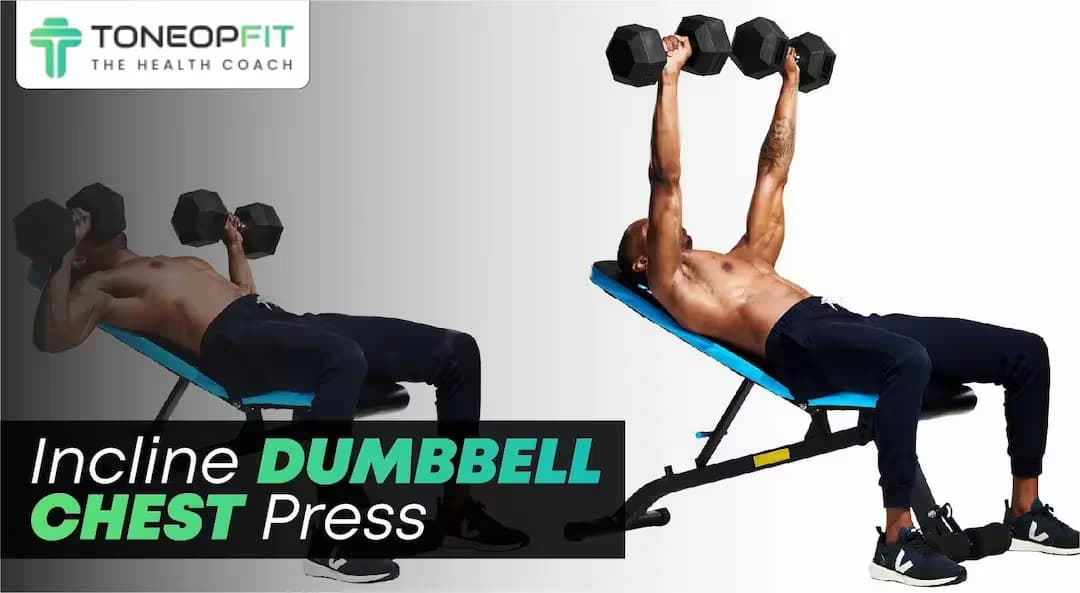
Start by setting the bench at a 30 to 45-degree angle. This position helps target the upper chest effectively.
Lie back on the bench with dumbbells in hand. Keep your feet flat on the ground for stability.
- Keep your back flat against the bench
- Hold the dumbbells above your chest with arms extended
- Lower the weights slowly to shoulder level
- Press back up to the starting position
Equipment Needed
To perform the incline dumbbell press, you need some basic equipment. This includes a bench and dumbbells.
Choose the right weight for your fitness level. It is important to avoid injury and ensure proper form.
- Adjustable bench (set to an incline)
- Pair of dumbbells
- Comfortable workout attire

Credit: fitwill.app
Primary Muscles Targeted
The incline dumbbell press is a popular exercise for upper body strength. It mainly targets muscles in the chest and arms.
This exercise helps build muscle mass and improve muscle tone in specific areas.
Upper Pectoralis Major
The upper pectoralis major is the top part of your chest muscle. The incline dumbbell press focuses on this area more than a flat press.
This muscle helps lift your arms upward and toward the center of your body.
Anterior Deltoids
The anterior deltoids are the front shoulder muscles. They assist in pushing movements like the incline dumbbell press.
Working these muscles improves shoulder strength and stability.
Triceps Brachii
The triceps brachii are the muscles on the back of your upper arms. They help extend your elbows during the press.
Strong triceps support better pressing power and arm control.
Secondary Muscles Engaged
The incline dumbbell press mainly targets the upper chest. It also works several secondary muscles. These muscles help with movement and stability.
Understanding these muscles can improve your workout form. It also helps you avoid injuries and get better results.
Serratus Anterior
The serratus anterior is a muscle on the side of your chest. It helps move and stabilize your shoulder blade during pressing.
This muscle helps push your arms forward. It also keeps your shoulder blade tight against your rib cage.
- Assists in shoulder blade movement
- Stabilizes shoulder during pressing
- Supports arm pushing motion
Rotator Cuff Muscles
The rotator cuff is a group of four small muscles around your shoulder joint. They keep the shoulder stable during the press.
These muscles help rotate and lift your arm. They also protect the shoulder from injury while you press.
- Includes supraspinatus, infraspinatus, teres minor, subscapularis
- Stabilizes shoulder joint
- Controls arm rotation
- Prevents shoulder injuries
Stabilizing Core Muscles
Your core muscles work hard to keep your body steady. They help maintain balance and support your spine during the press.
Strong core muscles improve your lifting power. They also reduce the risk of lower back pain or injury.
- Includes abs, obliques, and lower back muscles
- Keeps torso stable during pressing
- Improves balance and posture
- Protects spine from strain
Benefits Of Incline Dumbbell Press
The incline dumbbell press is a popular exercise for building the upper chest. It uses dumbbells to help improve muscle control and strength. This exercise targets specific muscles that flat bench presses may not hit as well.
Using dumbbells also helps balance muscle development. The incline angle changes the focus from the lower chest to the upper chest and shoulders. This makes it a useful move for a strong, balanced upper body.
Upper Chest Development
The incline dumbbell press mainly works the upper part of the chest, called the clavicular head of the pectoralis major. This area can be hard to target with flat presses. Inclining the bench shifts the effort to this upper chest.
Stronger upper chest muscles improve the shape and size of the chest. This helps create a fuller, more defined look. It also supports better pushing strength in daily activities and sports.
Improved Shoulder Stability
The incline dumbbell press engages the shoulder muscles more than flat pressing. The deltoids and rotator cuff muscles work to stabilize the weight. This helps improve shoulder strength and control.
Better shoulder stability lowers the risk of injury. It also helps with other exercises that need strong, stable shoulders. Using dumbbells allows each arm to move independently, which challenges the stabilizer muscles further.
Enhanced Muscle Symmetry
Using dumbbells forces each side of the body to work equally. This can fix muscle imbalances that happen from using a barbell. Balanced muscles reduce injury risk and improve overall strength.
Incline dumbbell pressing helps develop both sides of the chest and shoulders evenly. This leads to a more symmetrical and balanced upper body appearance and function.
Common Mistakes To Avoid
The incline dumbbell press targets the upper chest and shoulders. Doing it wrong can cause pain or reduce gains. Avoid these common mistakes to get better results.
Focus on form to protect your muscles and joints. Small changes can make a big difference in your workout.
Incorrect Bench Angle
The bench angle changes which muscles work most. Too steep or too flat angles reduce the exercise’s effectiveness.
Set the bench between 30 and 45 degrees. This angle hits the upper chest without stressing the shoulders too much.
- Too steep angle shifts focus to shoulders
- Too flat angle targets the lower chest
- Adjust angle to feel tension in upper chest
Overarching The Back
Arching your back too much can cause injury. It also takes tension off the chest muscles.
Keep your back flat against the bench. Slight natural arch is fine, but avoid lifting your lower back.
- Press feet firmly on the floor
- Keep shoulder blades tight and stable
- Use core muscles to support your spine
Elbow Positioning Errors
Elbows too wide or too close affect muscle activation. Wrong elbow position strains your joints.
Keep elbows at about a 45-degree angle from your body. This protects your shoulders and targets the chest better.
- Elbows flared out can hurt shoulders
- Elbows too close reduce chest engagement
- Maintain steady elbow angle throughout the press
Tips For Maximizing Upper Chest Power
The incline dumbbell press targets the upper chest muscles. It also works the shoulders and triceps. To get the most power, focus on good technique and training smart.
Using the right speed, weight, and training plan helps build strength safely. This guide shares tips to improve your upper chest power with incline dumbbell presses.
Controlled Movement Speed
Move the dumbbells slowly and steadily during the press. Control both the lift and the lowering phases. This increases muscle tension and reduces injury risk.
Fast or jerky motions may use momentum, lowering muscle work. Focus on smooth, steady movements to engage the upper chest better.
- Lift dumbbells in 2 seconds
- Lower dumbbells in 3-4 seconds
- Pause briefly at the bottom
- Keep movements smooth and controlled
Optimal Weight Selection
Pick a weight that challenges your muscles but lets you keep form. Too heavy weights cause poor technique and injury. Too light weights limit muscle growth.
Use a weight that allows 8 to 12 good reps per set. Stop before your form breaks. Adjust weight as you get stronger.
- Start with moderate weight
- Focus on full range of motion
- Increase weight gradually
- Maintain correct posture
Incorporating Progressive Overload
Progressive overload means gradually increasing the challenge on your muscles. This helps build strength and size in the upper chest.
Add more weight, do more reps, or increase sets over time. Keep track of your progress to stay consistent and improve safely.
- Add small weight increases regularly
- Increase reps within your target range
- Try extra sets if needed
- Rest well between workouts
Complementary Exercises For Upper Chest
The incline dumbbell press targets the upper chest muscles. To build a balanced chest, add other exercises.
These exercises help activate the upper chest in different ways. They improve strength and muscle growth.
Incline Barbell Press
The incline barbell press works the upper chest like the dumbbell version. It allows lifting heavier weights.
This exercise also engages the front shoulders and triceps. It helps increase overall pressing power.
Cable Fly Variations
Cable flys stretch and contract the upper chest muscles. They add constant tension through the movement.
Adjust the cable height to focus on different parts of the chest. They improve muscle shape and definition.
- High cable fly targets upper chest fibers
- Low cable fly hits lower chest area
- Single-arm fly helps fix strength imbalances
Push-up Modifications
Push-up variations can focus on the upper chest. They use body weight and are easy to do anywhere.
Incline push-ups put more stress on the upper chest. Feet-elevated push-ups work the upper chest harder.
- Incline push-ups with hands on a raised surface
- Feet-elevated push-ups to increase difficulty
- Wide-grip push-ups to target chest muscles
Credit: toneopfit.com
Frequently Asked Questions
What Muscles Does Incline Dumbbell Press Target?
The incline dumbbell press mainly targets the upper chest muscles. It also engages the shoulders and triceps. This exercise helps develop upper pectoral strength and definition.
How Does Incline Dumbbell Press Differ From Flat Bench Press?
Incline dumbbell press emphasizes the upper chest more. Flat bench press works the entire chest evenly. The incline angle shifts the focus upward, improving upper chest shape.
Are Shoulders Involved In Incline Dumbbell Press?
Yes, the anterior deltoids (front shoulders) assist during the incline dumbbell press. They stabilize and help lift the weights. Proper form reduces shoulder strain.
Does Incline Dumbbell Press Work Triceps Too?
Incline dumbbell press activates triceps brachii as secondary muscles. They assist in extending the elbows during the press. This builds arm strength alongside the chest.
Conclusion
The incline dumbbell press mainly works the upper chest muscles. It also engages the shoulders and triceps. This exercise helps build strength and shape in these areas. Using dumbbells allows a greater range of motion than a barbell. Try to keep good form to avoid injury.
Adding this move to your routine can improve your chest workouts. Keep your weights manageable and focus on controlled movements. This simple exercise targets key muscles for a balanced upper body.


