

Are you trying to decide between a cross trainer and an exercise bike for your workouts? Choosing the right equipment can make a big difference in your fitness journey.
You want something that fits your goals, keeps you motivated, and suits your lifestyle. But which one is truly the best for you? You’ll discover the key benefits and differences of both machines. By the end, you’ll feel confident about picking the perfect option to help you reach your health and fitness goals faster.
Keep reading to find out which one matches your needs!
Cross Trainer Benefits
Choosing between a cross trainer and an exercise bike depends on your fitness needs. Cross trainers offer unique benefits that may help you reach your goals.
This article explains the main advantages of using a cross trainer for your workout routine.
Full Body Workout
A cross trainer works both your upper and lower body. You move your arms and legs at the same time. This helps build strength in many muscles.
Using a cross trainer improves balance and coordination because it requires full body movement. This makes it more effective than an exercise bike, which mainly focuses on the legs.
Low Impact On Joints
The cross trainer provides a smooth, gliding motion that is easy on your knees and hips. This reduces stress on your joints during exercise.
This low impact makes it a good choice for people with joint pain or those recovering from injuries. It allows longer workouts without discomfort.
Calorie Burn Efficiency
Cross trainers help burn more calories than exercise bikes. This is because they use more muscle groups at once.
- Increased muscle engagement boosts calorie use
- Higher intensity workouts are easier to maintain
- Helps with weight loss and fitness goals
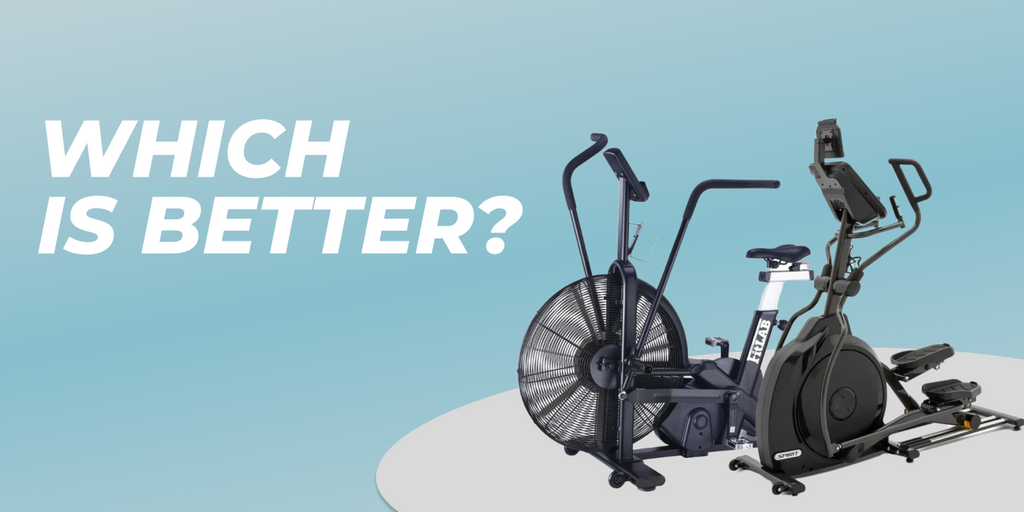
Credit: www.elitefitness.com.au
Exercise Bike Advantages
Exercise bikes are popular for indoor workouts. They help improve fitness and burn calories.
Many people choose exercise bikes over cross trainers for certain benefits. Let’s look at these advantages.
Targeted Lower Body Training
Exercise bikes focus mainly on your legs. They work your thighs, calves, and glutes well.
You can adjust resistance to increase muscle strength. This helps tone your lower body better.
Space And Portability
Exercise bikes take less space than many other machines. They fit well in small rooms.
Some models are lightweight and easy to move. You can store them away when not in use.
- Compact design saves room
- Some fold for easy storage
- Lightweight models are portable
Ease Of Use For Beginners
Exercise bikes are simple to use. Beginners can start pedaling with little instruction.
They have easy controls for speed and resistance. This helps new users adjust workouts comfortably.
Comparing Cardiovascular Impact
Choosing the right equipment can help improve your heart health. Cross trainers and exercise bikes offer different benefits. Both support cardiovascular fitness but in unique ways.
Understanding how each affects your heart and endurance helps you pick the best option. Let’s compare their impact on heart rate, intensity, and workout variety.
Heart Rate And Endurance
Cross trainers engage the whole body, raising your heart rate faster. This helps build endurance more evenly across muscles. Exercise bikes mainly work the legs, which can limit overall endurance gains.
Using a cross trainer often leads to a higher average heart rate. This can improve your cardiovascular system more quickly. Exercise bikes still boost heart rate but usually at a steadier pace.
- Cross trainer: full-body workout, higher heart rate
- Exercise bike: focused on legs, steady heart rate
- Cross trainer may improve endurance faster
Intensity Levels
Cross trainers offer many intensity options by adjusting resistance and speed. You can also use arm handles to increase effort. Exercise bikes adjust intensity mainly through resistance and pedaling speed.
Both allow low to high intensity workouts. Cross trainers may feel harder because they involve more muscles. Exercise bikes are easier to control for steady, moderate workouts.
- Cross trainer: varied intensity using arms and legs
- Exercise bike: intensity controlled by pedaling and resistance
- Cross trainer suits high-intensity workouts well
Workout Variety
Cross trainers allow forward and backward motion. You can change stride length and arm movement. This variety targets different muscles and keeps workouts interesting.
Exercise bikes offer seated or standing positions. Some models have different handlebar positions. Though less varied than cross trainers, they still provide good workout options.
- Cross trainer: forward/backward movement, arm and leg use
- Exercise bike: seated/standing positions, handlebar options
- Cross trainer offers more muscle group variety

Credit: www.menshealth.com
Muscle Engagement Differences
Cross trainers and exercise bikes both help you exercise your muscles. They work different parts of your body in unique ways. Understanding these differences helps you pick the best option for your fitness goals.
This guide looks at how each machine activates your upper body, legs, and core muscles.
Upper Body Activation
Cross trainers engage the upper body more than exercise bikes. They have handles that move back and forth. This movement works your arms, shoulders, and chest muscles.
Exercise bikes do not usually involve arm movement. Your upper body stays mostly still. This means less muscle work for your arms and shoulders.
- Cross trainers use arms, shoulders, and chest muscles
- Exercise bikes focus on lower body with little upper body work
Leg Muscle Focus
Both machines work your leg muscles well. Exercise bikes mainly target the quadriceps, hamstrings, and calves. You pedal in a seated position, which isolates these muscles.
Cross trainers also engage these leg muscles but add more variety. The elliptical motion works your glutes and inner thighs more. It allows a natural foot movement that spreads effort.
- Exercise bikes focus on quads, hamstrings, and calves
- Cross trainers add glutes and inner thigh muscles
- Elliptical motion creates a wider muscle workout
Core Stability
Cross trainers require you to keep your balance. This activates your core muscles, including abs and lower back. The need to stabilize helps build core strength.
Exercise bikes support your body with a seat. This reduces the need for core engagement. Your core works less because you do not need to balance as much.
- Cross trainers improve core muscle strength by balancing
- Exercise bikes provide support, lowering core muscle use
- Core stability benefits are higher on cross trainers
User Experience And Comfort
Choosing between a cross trainer and an exercise bike depends on comfort and user experience. Both machines offer good workouts but feel different when used.
Comfort during exercise helps you stay motivated and avoid injuries. Ergonomics, adjustability, and noise levels play key roles in this.
Ergonomics
Ergonomics means how the machine fits your body. Cross trainers allow a natural motion using arms and legs together. This can reduce strain on joints.
Exercise bikes focus mainly on legs with a seated position. They support your back but may cause discomfort if the seat or pedals are not right.
Adjustability
Adjustability helps you find the right position for your body. Most cross trainers let you change stride length and handle height.
Exercise bikes often have adjustable seats and handlebars. This makes it easy to find a comfortable riding position for all users.
- Cross trainer: stride length, handle height
- Exercise bike: seat height, handlebar position
Noise Levels
Noise affects how pleasant your workout feels. Cross trainers usually make soft swishing sounds from moving parts.
Exercise bikes tend to be quieter, especially models with magnetic resistance. This helps if you exercise early or late at home.
- Cross trainer: moderate noise from pedals and handles
- Exercise bike: low noise, smooth magnetic resistance

Credit: www.menshealth.com
Cost And Maintenance
Choosing between a cross trainer and an exercise bike depends on cost and maintenance. Both machines have different prices and upkeep needs.
Understanding these factors helps you pick the right fitness equipment for your budget and lifestyle.
Initial Investment
Cross trainers usually cost more than exercise bikes. This is due to their complex design and features.
Exercise bikes tend to be cheaper and have basic models that fit small budgets.
- Cross trainer price range: $300 to $1500
- Exercise bike price range: $150 to $1000
- Cross trainers often include more workout options
- Exercise bikes focus mainly on cycling motion
Upkeep Requirements
Cross trainers need more maintenance because of moving parts like pedals and arms. They may require regular lubrication.
Exercise bikes are simpler and easier to clean. They usually need less frequent servicing.
- Cross trainers: check and oil joints monthly
- Exercise bikes: wipe down after use, check pedals
- Both machines need battery or power source checks if electronic
Longevity
Cross trainers often last longer if maintained well. Their sturdy build supports years of use.
Exercise bikes can also last many years. They have fewer parts that wear out quickly.
- Cross trainers: 7 to 12 years with care
- Exercise bikes: 5 to 10 years on average
- Regular maintenance extends machine life
Best Choice For Fitness Goals
Choosing between a cross trainer and an exercise bike depends on your fitness goals. Each machine offers unique benefits for different needs.
Understanding how these tools work helps you pick the best option for your workouts and health.
Weight Loss
Both cross trainers and exercise bikes can help burn calories and lose weight. Cross trainers use more muscles, which may burn more calories.
Exercise bikes provide a lower-impact workout but still help with steady calorie burn over time.
- Cross trainers engage arms, legs, and core
- Exercise bikes focus mainly on leg muscles
- Cross trainers often burn more calories per session
- Exercise bikes allow longer workout times with less joint stress
Muscle Toning
Cross trainers help tone the whole body by working both upper and lower muscles. They improve muscle strength and endurance.
Exercise bikes mainly tone the legs, including thighs, calves, and glutes. They also improve cardiovascular fitness.
- Cross trainers target arms, chest, legs, and core
- Exercise bikes focus on lower body muscles
- Cross trainers offer more muscle variety
- Bikes are good for leg strength and endurance
Rehabilitation
Exercise bikes are often better for rehabilitation. They provide low-impact movement and controlled exercise for injured joints.
Cross trainers can be harder to use during rehab because they require more balance and coordination.
- Exercise bikes reduce stress on knees and hips
- They allow gentle, controlled motion
- Cross trainers need more balance and stability
- Bikes are easier to adjust for rehab needs
Frequently Asked Questions
What Benefits Does A Cross Trainer Offer?
A cross trainer provides a full-body workout, enhancing cardiovascular fitness and muscle tone. It’s low-impact, reducing joint strain. This makes it ideal for injury prevention. It also aids weight loss by burning calories efficiently. Additionally, it improves endurance and stamina, making it a versatile addition to any fitness routine.
Are Exercise Bikes Good For Weight Loss?
Yes, exercise bikes are excellent for weight loss. They offer a high-calorie burn in a short time. Regular cycling boosts metabolism and improves cardiovascular health. It’s a low-impact exercise, reducing joint stress. Consistent use, combined with a healthy diet, effectively supports weight management goals.
Which Is Easier On The Joints, Cross Trainer Or Bike?
A cross trainer is typically easier on the joints. It offers a smooth, low-impact workout. This reduces stress on knees and hips. Exercise bikes are also low-impact, but cross trainers distribute weight more evenly. Both are great options for joint-friendly workouts, but cross trainers might be slightly better.
Can Beginners Use Cross Trainers Effectively?
Yes, beginners can effectively use cross trainers. They offer adjustable resistance levels, accommodating all fitness levels. Cross trainers provide guided movement patterns, making them user-friendly. Beginners can start with low intensity and gradually increase. Consistency and proper form are key for maximizing benefits and preventing injuries.
Conclusion
Choosing between a cross trainer and an exercise bike depends on your goals. Both offer good workouts that improve fitness and burn calories. A cross trainer works your whole body, while an exercise bike focuses on your legs. Think about space, comfort, and what you enjoy more.
Consistency matters most for good results. Pick the machine that feels right and motivates you to keep moving. Exercise should be simple and fun. Your health will thank you for it.


