

Are you wondering how much weight you should be lifting when doing the incline dumbbell press? Choosing the right weight can make a huge difference in your workout results and help you avoid injury.
Whether you’re just starting out or looking to push your limits, knowing what counts as a good incline dumbbell press weight for your level is key. You’ll discover exactly how to find that perfect weight to build strength, boost muscle growth, and get the most from every rep.
Keep reading to unlock the secrets to lifting smarter and stronger!
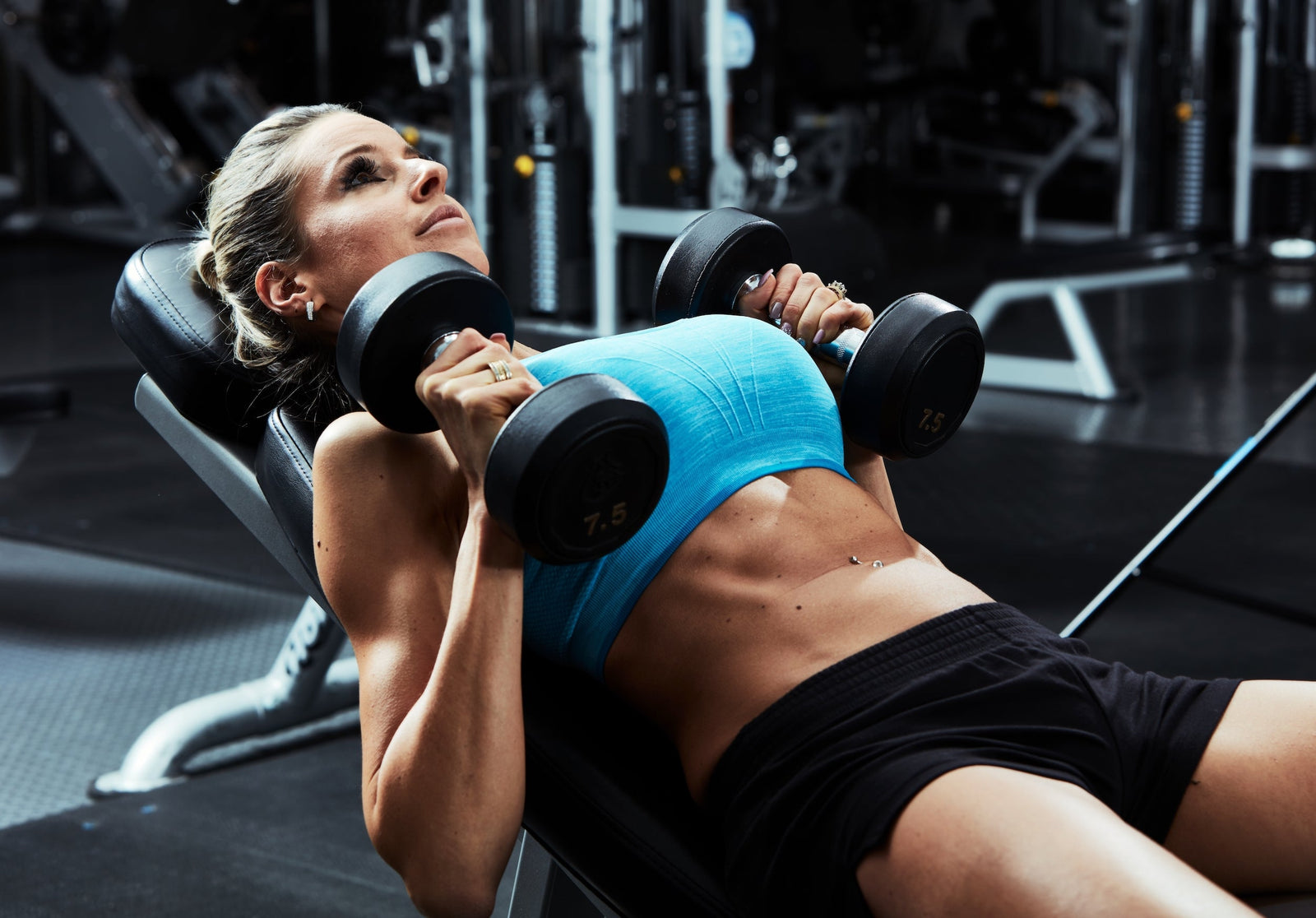
Credit: swolverine.com
Choosing The Right Weight
The incline dumbbell press is a popular exercise for building chest strength. Selecting the right weight is crucial for safety and progress. It helps in achieving your fitness goals effectively.
Consider several factors before choosing your weights. This ensures a productive workout and prevents injury.
Factors Affecting Weight Selection
Your fitness level greatly influences the weight you should use. Beginners need lighter weights compared to advanced lifters. Personal goals also play a role in choosing weights.
Form and technique must not be sacrificed for heavier weights. Ensure you can perform the exercise correctly.
- Current strength level
- Experience with weightlifting
- Exercise goals (strength or endurance)
- Proper form and technique
Starting Weight Recommendations
Beginners should start with lighter weights to learn proper form. A general rule is to choose a weight that allows 10-12 reps comfortably.
If you are new, try using 5-15 pound dumbbells. Adjust the weight based on how you feel during the exercise.
| Experience Level | Recommended Starting Weight |
| Beginner | 5-15 pounds |
| Intermediate | 15-30 pounds |
| Advanced | 30+ pounds |
Progressive Overload Principles
Progressive overload helps in muscle growth by gradually increasing weights. This principle ensures continuous improvement and strength gains.
Increase weights by small amounts as your strength improves. This helps avoid plateaus and keeps your muscles challenged.
- Increase weights every 1-2 weeks
- Ensure proper form with each increase
- Listen to your body to avoid overtraining
Proper Form And Technique
Choosing the right weight for the incline dumbbell press is important. Using proper form helps prevent injury and builds muscle effectively.
Good technique focuses on body control, grip, and smooth motion. These elements make the exercise safer and more effective.
Body Positioning On The Bench
Set the bench at a 30 to 45-degree incline. Sit back fully with your feet flat on the floor for support.
Keep your back pressed against the bench. Avoid arching your lower back too much to protect your spine.
- Your head, shoulders, and hips should touch the bench.
- Keep your shoulder blades pulled back and down.
- Feet flat on the floor provide stability.
Grip And Range Of Motion
Hold the dumbbells firmly but not too tight. Keep your wrists straight to avoid strain during the press.
Lower the dumbbells slowly until your elbows are just below bench level. Press the weights up until your arms are almost straight.
- Grip the dumbbells with palms facing forward.
- Elbows should be at about a 45-degree angle from your body.
- Move in a controlled, smooth motion.
Common Mistakes To Avoid
Do not use too heavy dumbbells that force you to lose form. This can cause shoulder pain and reduce exercise benefits.
Avoid flaring your elbows out wide. It increases stress on your shoulder joints and may cause injury.
- Do not bounce the weights off your chest.
- Do not arch your lower back excessively.
- Do not lock your elbows at the top of the lift.
- Do not hold your breath; breathe steadily.
Strength Levels By Experience
Choosing the right incline dumbbell press weight depends on your strength level. Different experience levels need different weights.
This guide helps you find a good starting weight for your incline dumbbell press. It covers beginners, intermediate, and advanced lifters.
Beginner Weight Guidelines
Beginners should start with light weights to learn proper form. This helps avoid injury and builds confidence.
A good range is 10 to 20 pounds per dumbbell for most beginners. Focus on control and steady movement.
- Start with 10-20 pounds per dumbbell
- Perform 8-12 reps with good form
- Increase weight slowly as strength grows
Intermediate Weight Guidelines
Intermediate lifters have built some strength and can handle more weight. They should focus on muscle growth and endurance.
Using 25 to 40 pounds per dumbbell is common. Aim for 8-12 reps with challenging but controlled effort.
- Use 25-40 pounds per dumbbell
- Complete 8-12 reps per set
- Challenge muscles without losing form
Advanced Weight Guidelines
Advanced lifters have high strength and good technique. They can lift heavy weights safely to build power.
Weights of 45 pounds or more per dumbbell suit advanced users. Keep reps between 6 and 10 to focus on strength.
- Lift 45+ pounds per dumbbell
- Perform 6-10 reps per set
- Maintain strict form at all times

Credit: www.majorfitness.com
Adjusting Weight For Goals
Choosing the right weight for the incline dumbbell press depends on your fitness goals. Adjusting weight helps you train effectively and safely.
Different goals need different weight strategies. This guide explains how to pick weights for muscle growth, strength, and endurance.
Building Muscle Mass
To build muscle, use a weight that tires your muscles after 8 to 12 reps. The weight should feel challenging but allow good form.
Muscle growth happens when muscles face stress and recover. Using moderate to heavy weight helps create this stress.
- Choose weight allowing 8-12 repetitions
- Stop before form breaks down
- Rest 60-90 seconds between sets
Increasing Strength
For strength, pick a heavier weight that you can lift for 3 to 6 reps. Focus on lifting with control and power.
Heavier weights make your muscles adapt by getting stronger. Use longer rest times to recover fully between sets.
- Use weight for 3-6 reps per set
- Keep perfect form
- Rest 2-3 minutes between sets
Endurance Training
For endurance, pick a lighter weight that lets you do 15 to 20 reps or more. Move with steady speed and control.
Endurance training helps muscles last longer without getting tired. Short rest times keep your heart rate up.
- Choose weight for 15-20+ reps
- Keep steady and controlled pace
- Rest 30-60 seconds between sets
Safety Tips For Incline Dumbbell Press
The incline dumbbell press is a great exercise for your chest and shoulders. It is important to lift weights safely to avoid injuries.
Choosing the right weight and using proper form helps keep you safe during your workout.
Warm-up Exercises
Warming up prepares your muscles and joints for the exercise. It reduces the risk of strains and injuries.
Start with light cardio and dynamic stretches before lifting dumbbells.
- Do 5-10 minutes of light jogging or jumping jacks
- Perform arm circles and shoulder rolls
- Use very light dumbbells to do a few press reps
Spotting And Equipment
Having a spotter helps you stay safe when lifting heavy dumbbells. They can assist if you struggle to finish a rep.
Use proper equipment like a sturdy bench and weights that fit your strength level.
- Ask a friend or trainer to spot you during heavy lifts
- Check that the bench is stable and secure
- Choose dumbbells with good grip and balanced weight
Injury Prevention
Use correct form to avoid strain on your shoulders and wrists. Do not lift weights that are too heavy.
Take breaks and listen to your body to prevent overuse injuries.
- Keep your back flat on the bench
- Lower dumbbells slowly and with control
- Stop if you feel sharp pain or discomfort
- Increase weight gradually over time
Tracking Progress Effectively
Tracking your incline dumbbell press weight helps you see how much you improve. It keeps your workouts focused and safe.
Knowing when to increase weight or change reps makes your training more effective. Good tracking guides your strength gains.
Recording Weights And Reps
Write down the weight you use and the number of reps you complete each time. This helps you compare your progress over weeks.
Use a notebook or an app to keep your records. Note any changes in form or difficulty too.
- Record dumbbell weight for each set
- Note how many reps you finish
- Track rest time between sets
- Write down any form changes or struggles
Recognizing Plateaus
A plateau happens when your progress stops. You lift the same weight and do the same reps for many workouts.
Notice if your strength or reps stay the same for two weeks or more. This means your muscles need a new challenge.
- Same weight and reps for 2+ weeks
- Feeling tired or weak during lifts
- Struggling to complete sets
When To Increase Weight
Increase the dumbbell weight when you finish all reps easily and keep good form. This pushes your muscles to grow stronger.
Do not raise weight if your form breaks or if you cannot finish your reps. Increase weight in small steps to avoid injury.
- Finish all reps with good form
- Feel ready to lift heavier
- Increase weight by small amounts (2.5-5 lbs)
- Keep track of new weight and reps

Credit: www.menshealth.com
Frequently Asked Questions
What Is A Good Starting Weight For Incline Dumbbell Press?
A good starting weight depends on your fitness level. Beginners should choose dumbbells they can lift for 10-12 reps with good form. Typically, 15-25 pounds per dumbbell is a safe range to build strength without risking injury.
How To Determine Your Ideal Incline Dumbbell Press Weight?
Your ideal weight allows 8-12 reps with proper form and slight muscle fatigue at the end. Increase weight gradually as you gain strength. Avoid lifting too heavy, which can compromise technique and increase injury risk.
What Factors Affect Incline Dumbbell Press Weight Selection?
Factors include your fitness level, training experience, and goals. Muscle endurance needs lighter weights with more reps. Strength goals require heavier weights with fewer reps. Also, consider joint health and any past injuries.
How Often Should You Increase Incline Dumbbell Press Weight?
Increase weight every 2-4 weeks when current weights feel too easy. Progressive overload helps muscle growth and strength gain. Ensure your form remains strict before adding more weight to prevent injury.
Conclusion
Choosing a good incline dumbbell press weight depends on your strength. Start with a weight you can lift with good form. Increase weight slowly to avoid injury. Focus on control and steady progress. Remember, quality beats quantity every time. Consistency in training helps build muscle and strength.
Listen to your body and rest when needed. Keep your workouts safe and effective. This approach leads to better results over time.


