

Have you ever wondered what happens when you drink too many electrolytes? You might think they’re always good for you, especially after a workout or on a hot day.
But too much of anything can cause problems, and electrolytes are no exception. Drinking too many can affect your body in surprising ways—some uncomfortable, some even dangerous. If you want to know how to keep your balance just right and avoid hidden risks, keep reading.
Your health depends on it.

Credit: justaddbuoy.com
Role Of Electrolytes In The Body
Electrolytes are minerals that carry an electric charge. They help the body work properly.
These minerals control many important functions like muscle movement and hydration.
Key Electrolytes And Their Functions
There are several main electrolytes in the body. Each one has a special job to do.
- Sodiumhelps control blood pressure and fluid balance.
- Potassiumis important for muscle and nerve function.
- Calciumsupports strong bones and helps muscles contract.
- Magnesiumaids in muscle relaxation and energy production.
- Chloridehelps keep fluids balanced and aids digestion.
Balance And Regulation
The body works hard to keep electrolytes balanced. This balance is key for health.
Too many electrolytes can cause problems like muscle weakness or heart issues.
- The kidneys filter excess electrolytes from the blood.
- Hormones help control electrolyte levels.
- Drinking too much electrolyte solution can overload the body.
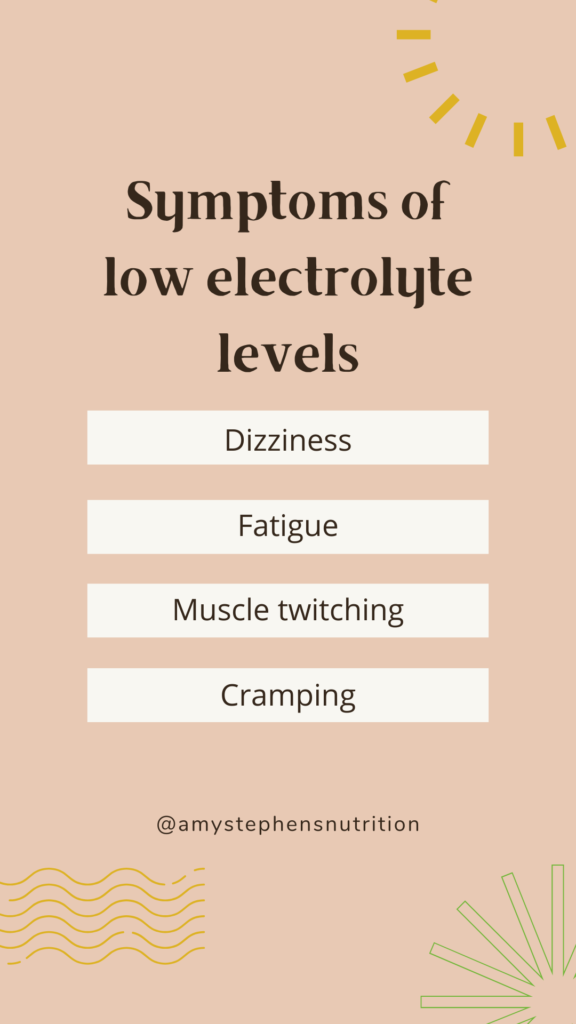
- Signs of imbalance include nausea, confusion, or irregular heartbeat.
Credit: www.amystephensnutrition.com
Causes Of Excess Electrolyte Intake
Electrolytes help keep your body balanced. Too many electrolytes can cause health problems. Knowing what causes excess intake can help you avoid issues.
Some common causes include taking too many supplements, drinking high electrolyte drinks, and certain medical conditions.
Overconsumption Of Supplements
Many people take electrolyte supplements to stay hydrated or improve performance. Taking more than the recommended dose can lead to excess electrolytes in the body.
Supplements with potassium, sodium, or magnesium are often the cause of too much electrolyte intake. This can upset the balance of minerals in your blood.
High Electrolyte Beverages
Sports drinks and electrolyte water have added minerals. Drinking these drinks in large amounts adds extra electrolytes to your system.
Some energy drinks contain high sodium or potassium. If you drink many of these, it can cause an overload of electrolytes.
- Sports drinks with sodium and potassium
- Electrolyte waters with added minerals
- Energy drinks with high mineral content
Medical Conditions Affecting Levels
Some health problems cause your body to hold onto too many electrolytes. Kidney disease can reduce how well your body removes excess minerals.
Other conditions like adrenal gland disorders may change electrolyte balance. These illnesses may cause high sodium or potassium levels.
- Kidney disease reduces electrolyte removal
- Adrenal gland disorders affect mineral levels
- Some hormonal imbalances change electrolyte balance
Symptoms Of Electrolyte Overload
Drinking too many electrolytes can cause your body to have too much salt and minerals. This condition is called electrolyte overload. It can lead to several health problems.
Knowing the signs helps you spot the problem early. Some symptoms are mild, but others can be very serious.
Mild Signs To Watch For
Mild symptoms often appear first. They may feel uncomfortable but usually are not dangerous right away. Watch for these signs if you have been drinking a lot of electrolyte drinks.
- Feeling thirsty or dry mouth
- Headache or dizziness
- Nausea or mild stomach pain
- Muscle weakness or cramps
- Frequent urination
- Swelling in hands or feet
If you notice these signs, reduce electrolyte intake and drink plain water. If symptoms get worse, seek medical advice.
Severe Symptoms And Risks
Severe electrolyte overload can harm your heart and brain. This condition needs quick medical care. Watch for these serious symptoms.
- Confusion or trouble thinking clearly
- Severe muscle weakness or paralysis
- Irregular heartbeat or palpitations
- Seizures or convulsions
- Swelling in the face or chest
- Difficulty breathing or chest pain
Severe symptoms can lead to life-threatening problems. Call emergency services if you or someone else shows these signs after too many electrolytes.
Impact On Kidneys And Heart
Drinking too many electrolytes can affect your body in serious ways. It mainly changes how your kidneys and heart work.
Electrolytes like sodium, potassium, and calcium help your body stay balanced. But too much can cause problems.
Kidney Strain And Damage
Your kidneys filter waste and extra fluids from your blood. Too many electrolytes make the kidneys work too hard.
This extra work can cause kidney strain. Over time, it may lead to kidney damage or failure.
- High sodium can increase kidney stress
- Too much potassium may cause kidney overload
- Kidneys may lose ability to balance fluids
Heart Rhythm Disturbances
The heart depends on electrolytes to keep a steady beat. Too many electrolytes can change heart rhythms.
Irregular heartbeats or palpitations can happen. This can be dangerous and may need medical care.
- High potassium can cause slow or irregular heartbeat
- Too much sodium may raise blood pressure
- Calcium imbalance can affect heart muscle contractions
Neurological Effects
Drinking too many electrolytes can change how your brain and nerves work. Electrolytes help send signals in your body. Too much can cause problems in the nervous system.
These problems can affect your muscles and thinking. It is important to know the signs of having too many electrolytes.
Muscle Weakness And Cramps
High electrolyte levels can cause muscles to become weak. Sometimes, muscles may cramp or twitch without control. This happens because nerves send wrong signals to muscles.
Too much sodium or potassium can make muscles tired quickly. You may feel pain or stiffness after small movements.
- Muscle twitching or spasms
- Weakness in arms or legs
- Painful cramps during rest or activity
Confusion And Cognitive Issues
High electrolyte levels can affect how your brain works. You may feel confused or forget things easily. This happens because the brain cells do not get the right balance of salts.
Too many electrolytes can cause trouble focusing. You might feel tired or have trouble making decisions.
- Memory problems
- Difficulty concentrating
- Feeling disoriented or confused
:max_bytes(150000):strip_icc()/VWH-GettyImages-1455505771-0229206f1d054871b97a1dc6d57482d4.jpg)
Credit: www.verywellhealth.com
Managing Electrolyte Levels Safely
Electrolytes are minerals that help your body work properly. They balance fluids and keep your muscles and nerves healthy. Drinking too many electrolytes can cause problems.
It is important to manage electrolyte intake carefully. Too much can lead to serious health issues. Knowing how much to take and when to get help is key.
Recommended Daily Intake
Your body needs a certain amount of electrolytes every day. These include sodium, potassium, calcium, and magnesium. Eating a balanced diet usually provides enough.
Sports drinks and supplements add electrolytes but can cause excess if overused. Stick to recommended amounts to stay safe.
- Sodium: 1,500 mg to 2,300 mg per day
- Potassium: about 2,500 mg to 3,000 mg per day
- Calcium: 1,000 mg to 1,200 mg per day
- Magnesium: 310 mg to 420 mg per day
When To Seek Medical Help
Too many electrolytes can cause symptoms like nausea, weakness, or confusion. Severe cases may cause irregular heartbeat or seizures. These signs need quick medical care.
If you feel very thirsty, have swelling, or muscle cramps after drinking electrolytes, see a doctor. Do not wait if symptoms get worse.
- Severe headache or dizziness
- Confusion or difficulty speaking
- Rapid or irregular heartbeat
- Seizures or fainting
- Swelling in hands, feet, or face
Preventing Electrolyte Imbalance
Drinking too many electrolytes can cause an imbalance in your body. This can lead to health problems like muscle cramps and heart issues.
It is important to keep electrolytes at a safe level. You can do this by eating well and using supplements carefully.
Balanced Diet Tips
A balanced diet helps keep electrolytes steady. Eating foods with natural electrolytes is best.
Include fruits, vegetables, and whole grains in your meals. These foods provide potassium, sodium, and magnesium.
- Eat bananas, oranges, and spinach for potassium
- Include nuts and seeds for magnesium
- Use salt in moderation for sodium
- Drink plenty of water to stay hydrated
Safe Use Of Supplements
Supplements can help if you lack electrolytes. Take them only as directed to avoid excess.
Check labels for the right dose. Avoid mixing many supplements without advice from a doctor.
- Follow recommended daily amounts
- Consult a healthcare provider before use
- Stop taking supplements if you feel unwell
- Do not rely on supplements alone for nutrition
Frequently Asked Questions
What Are The Effects Of Drinking Too Many Electrolytes?
Consuming too many electrolytes can cause an imbalance called hypernatremia or hyperkalemia. Symptoms include nausea, headache, weakness, and irregular heartbeat. It can disrupt normal muscle and nerve function, leading to serious health issues if untreated.
Can Excess Electrolytes Cause Dehydration?
Yes, excess electrolytes can lead to dehydration. High sodium levels pull water out of cells, causing cellular dehydration. This imbalance stresses kidneys and may result in thirst, dry mouth, and dizziness.
How Much Electrolyte Intake Is Safe Daily?
Safe electrolyte intake varies by age, activity, and health. Generally, adults need 1,500-2,300 mg of sodium and 2,500 mg of potassium daily. Excess beyond these amounts without medical advice can cause health problems.
What Symptoms Indicate Too Many Electrolytes Consumed?
Symptoms include headache, confusion, muscle cramps, irregular heartbeat, and swelling. Severe cases might cause seizures or coma. If you experience these after electrolyte intake, seek medical attention immediately.
Conclusion
Drinking too many electrolytes can upset your body’s balance. It may cause nausea, headaches, or muscle weakness. Your kidneys work hard to fix this imbalance. Drinking water and eating regular food helps restore balance. Always follow recommended amounts to stay safe.
Listen to your body’s signals. Proper intake keeps you healthy and energized. Avoid overdoing it to prevent health problems. Stay aware and make smart choices daily.


