
Have you ever wondered what happens if you have too much electrolytes in your body? While electrolytes like sodium, potassium, and calcium are essential for your health, having too many can cause serious problems.
You might think more is better, but an imbalance can affect your heart, muscles, and even your brain. You’ll discover the surprising signs of electrolyte overload, why it happens, and how to keep your levels just right. Keep reading—your body will thank you.
Role Of Electrolytes In The Body
Electrolytes are minerals that carry an electric charge. They help your body perform many important jobs every day.
These minerals control muscle movement, keep your heart beating, and balance fluids in your body.
Key Electrolytes And Their Functions
Several electrolytes work together to keep your body healthy. Each one has a special role.
- Sodium:Controls fluid balance and helps muscles contract.
- Potassium:Supports nerve signals and muscle function.
- Calcium:Builds strong bones and helps muscles move.
- Magnesium:Aids in energy production and muscle relaxation.
- Chloride:Maintains fluid balance and helps digestion.
Electrolyte Balance And Health
Too many electrolytes can cause problems. Your body works best with the right balance.
High electrolyte levels can lead to muscle weakness, confusion, or heart issues.
- Too much sodium can raise blood pressure.
- Excess potassium may cause irregular heartbeat.
- High calcium can lead to kidney problems.
- Magnesium overload may cause nausea or low blood pressure.
Causes Of Excess Electrolytes
Electrolytes are minerals that help your body work properly. They control muscle movement, hydration, and nerve signals. Too many electrolytes in your body can cause health problems.
Several things can cause high electrolyte levels. Understanding these causes helps you prevent or manage the problem.
Overconsumption Of Supplements
Taking too many electrolyte supplements can raise your levels too high. People may take these supplements for energy or to stay hydrated. But too much can upset the balance in your body.
Common supplements include sodium, potassium, and magnesium. Large doses can cause an overload, leading to health issues like irregular heartbeat or muscle weakness.
- Excess sodium tablets
- Potassium pills taken without doctor advice
- Magnesium supplements overused
Medical Conditions Leading To Imbalance
Some illnesses affect how your body handles electrolytes. Kidney problems can make it hard to remove extra minerals. This causes them to build up in the blood.
Other conditions like dehydration, heart disease, and hormonal disorders also change electrolyte levels. These illnesses disrupt the normal balance and cause excess electrolytes.
- Kidney failure reduces mineral removal
- Adrenal gland disorders affect electrolyte control
- Severe dehydration concentrates electrolytes
Dietary Factors
Your diet can add too many electrolytes. Eating a lot of salty foods raises sodium levels quickly. Some foods have naturally high potassium or magnesium.
Drinking too many sports drinks or fortified beverages can also increase electrolyte intake. This causes an imbalance if the body does not use or remove them fast enough.
- High salt intake from processed foods
- Bananas and oranges rich in potassium
- Excess sports drinks with added minerals
Symptoms Of Electrolyte Excess
Electrolytes help your body work well. They keep your nerves and muscles working right. But too many electrolytes can cause problems.
Having too much of these minerals can lead to different signs. Some are mild, but others can be serious and need medical care.
Mild Signs To Watch For
Mild symptoms of too many electrolytes may feel annoying. They can show up in your daily activities.
- Feeling thirsty more than usual
- Muscle weakness or cramps
- Headaches that come and go
- Feeling tired without reason
- Nausea or upset stomach
These signs do not always mean a serious problem. But you should watch them closely.
Severe Symptoms And Complications
Severe symptoms mean your body needs help fast. Too many electrolytes can affect your heart and brain.
- Irregular heartbeat or palpitations
- Confusion or trouble thinking clearly
- Severe muscle twitching or spasms
- Difficulty breathing or shortness of breath
- Loss of consciousness or fainting
If you see these signs, seek medical care right away. They can lead to serious health issues if not treated.

Credit: justaddbuoy.com
Health Risks Linked To High Electrolytes
Electrolytes are minerals that help your body work well. They control how your muscles and nerves function.
Having too many electrolytes can cause serious health problems. It is important to know the risks.
Kidney Damage
The kidneys help balance electrolytes in your body. High electrolytes make the kidneys work too hard.
This extra work can cause kidney damage or even kidney failure over time.
- Excess sodium can lead to kidney strain.
- Too much potassium harms kidney function.
- High electrolyte levels increase risk of kidney disease.
Heart Rhythm Problems
Electrolytes control your heart’s electrical signals. Too many can disrupt these signals.
This disruption may cause irregular heartbeats or arrhythmias. Some arrhythmias can be life-threatening.
- High potassium can cause slow or fast heartbeats.
- Too much calcium may trigger abnormal rhythms.
- Excess sodium affects blood pressure and heart rate.
Neurological Issues
Electrolytes help nerve cells send signals. High levels can disturb brain and nerve functions.
This may lead to confusion, headaches, or seizures. Severe cases can cause muscle weakness or paralysis.
- Too much sodium can cause brain swelling.
- High calcium levels may lead to drowsiness.
- Excess potassium affects nerve communication.
Diagnosis And Testing
Having too many electrolytes in your body can cause health problems. Doctors need tests to find out the cause and how serious it is.
Proper diagnosis helps decide the right treatment to balance electrolyte levels safely.
Common Diagnostic Tests
Blood tests are the main way to check electrolyte levels. They measure sodium, potassium, calcium, and other key minerals.
Other tests may include urine analysis and kidney function tests to see how well your body handles electrolytes.
- Serum electrolyte panel: measures sodium, potassium, chloride, and bicarbonate
- Blood urea nitrogen (BUN) and creatinine: check kidney health
- Urine electrolyte test: measures minerals lost in urine
- ECG (electrocardiogram): checks heart rhythm changes from imbalanced electrolytes
When To See A Doctor
See a doctor if you feel weak, confused, or have unusual heartbeats. These signs may mean your electrolytes are too high.
Getting medical help quickly can prevent serious problems like seizures or heart issues.
- Severe muscle cramps or weakness
- Irregular or fast heartbeat
- Severe nausea or vomiting
- Confusion or difficulty concentrating
- Unusual thirst or frequent urination
Treatment Options
Having too many electrolytes in your body can cause health problems. Treatment helps bring levels back to normal.
Doctors use different ways to treat high electrolyte levels. These depend on how severe the imbalance is.
Medical Interventions
Medical treatments focus on quickly lowering electrolyte levels. This helps avoid serious complications.
Doctors may give fluids through an IV. This helps flush extra electrolytes out of the body.
- IV fluids to dilute electrolytes
- Medications to remove excess electrolytes
- Dialysis in severe cases to filter blood
- Monitoring heart and kidney functions
Lifestyle And Dietary Adjustments
Changing diet and habits can help keep electrolytes balanced. This supports long-term health.
Reducing salt and electrolyte-rich foods lowers excess levels. Drinking enough water also helps.
- Avoid high-sodium foods like processed snacks
- Limit potassium-rich foods such as bananas and oranges
- Drink plenty of water daily
- Follow doctor’s advice on supplements and medications
- Regularly check electrolyte levels with blood tests
Preventing Electrolyte Overload
Electrolytes are minerals that help the body work properly. They control nerve and muscle function. Too many electrolytes can cause health problems.
It is important to keep electrolytes balanced. This guide helps you avoid having too much in your body.
Safe Supplement Use
Supplements can add electrolytes to your diet. Use them carefully to avoid overload. Follow the label instructions closely.
Do not take more than the recommended dose. Talk to a doctor before starting new supplements, especially if you have health issues.
Balanced Diet Tips
A balanced diet gives you the right amount of electrolytes naturally. Eat different fruits and vegetables daily. Drink enough water too.
- Include bananas, oranges, and spinach for potassium
- Eat dairy products and nuts for calcium
- Choose whole grains and beans for magnesium
- Limit salty processed foods to reduce sodium intake
Monitoring Health Regularly
Check your electrolyte levels if you feel weak or dizzy. Regular blood tests can help find imbalances early. Keep track of symptoms.
Tell your doctor about your diet and supplements. Adjust your intake based on medical advice to stay healthy.
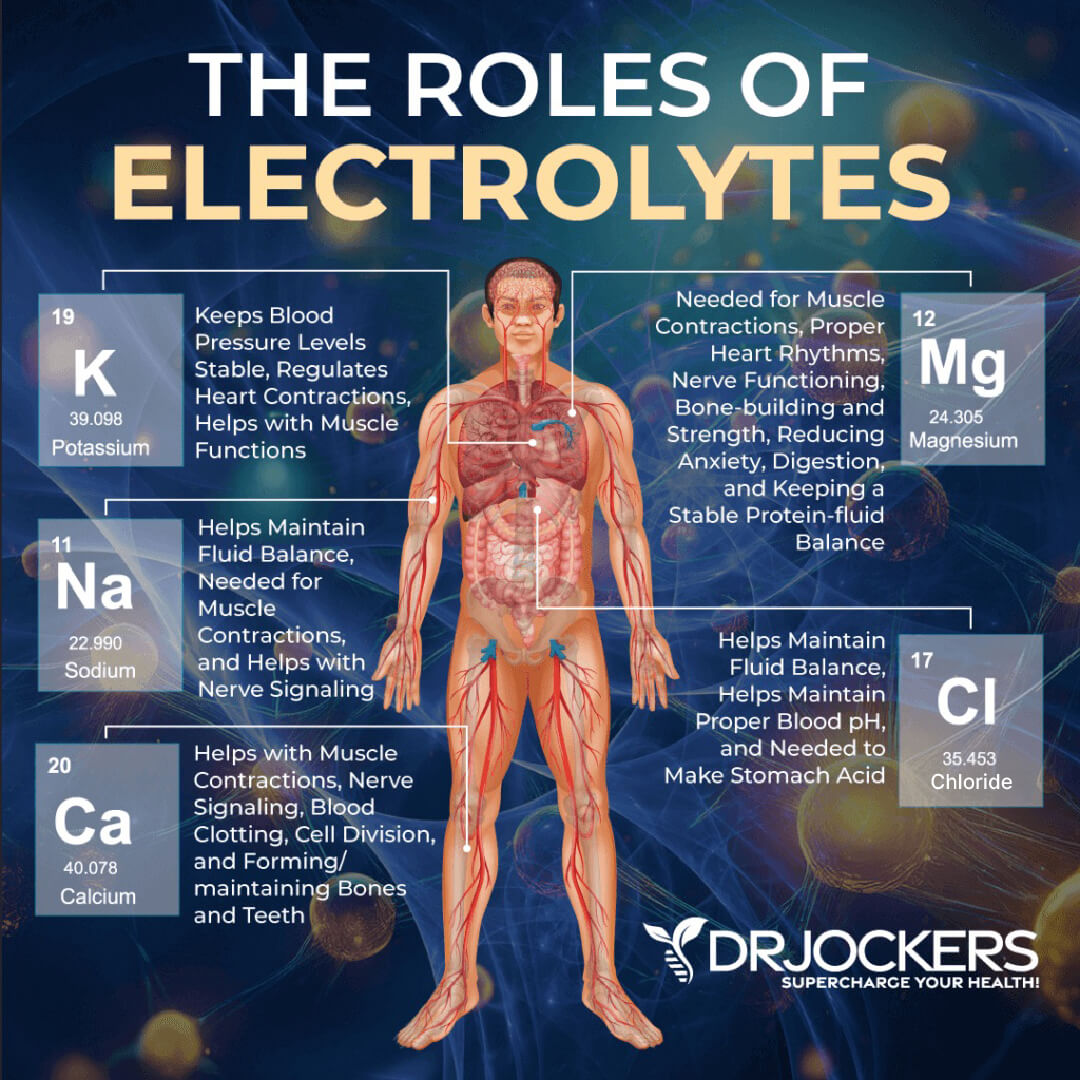
Credit: drjockers.com

Credit: en.wikipedia.org
Frequently Asked Questions
What Are Symptoms Of Too Much Electrolytes?
Excess electrolytes can cause various symptoms. Common signs include muscle twitching, weakness, confusion, and fatigue. In severe cases, it may lead to irregular heartbeats or seizures. It’s essential to monitor electrolyte levels to maintain balance. Consult a healthcare professional if you suspect an imbalance.
Can High Electrolytes Affect Heart Health?
Yes, high electrolytes can impact heart health. Excessive sodium or potassium may lead to irregular heartbeats. This can increase the risk of heart issues, including arrhythmias. Maintaining balanced electrolyte levels is crucial for heart function. Regular check-ups can help prevent potential heart complications.
How Does Excess Sodium Affect The Body?
Excess sodium can lead to high blood pressure, increasing heart disease risk. It may also cause fluid retention, leading to swelling. This can strain the kidneys and affect their function. Reducing dietary sodium can help maintain optimal electrolyte balance and overall health.
What Causes Electrolyte Imbalance?
Several factors can cause electrolyte imbalance. Excessive intake of supplements, dehydration, or kidney issues are common causes. Certain medications and medical conditions can also disrupt balance. It’s important to identify the cause to address the imbalance effectively. Consulting a healthcare provider can provide guidance.
Conclusion
Too many electrolytes can cause serious health problems. Your body needs a balance to work well. Too much salt or potassium can hurt your heart and kidneys. Drink water and eat healthy foods to keep levels right. Talk to a doctor if you feel weak or dizzy.
Staying aware helps you avoid risks and stay strong. Balance is key to feeling good every day.


