

Have you ever wondered what happens if you have too many electrolytes in your body? While electrolytes like sodium, potassium, and calcium are essential for your health, having too much can cause serious problems.
You might think more is better, but an imbalance can affect your heart, muscles, and even your brain. Keep reading to discover the surprising signs of too many electrolytes and how to keep your body in the perfect balance. Your health depends on it.

Credit: www.osmosis.org
Electrolytes And Their Role
Electrolytes are minerals that carry electric charges. They help the body work properly. These minerals keep the balance of fluids in cells and organs.
Too many electrolytes in your body can cause problems. It is important to understand what electrolytes do and how they affect you.
Common Types Of Electrolytes
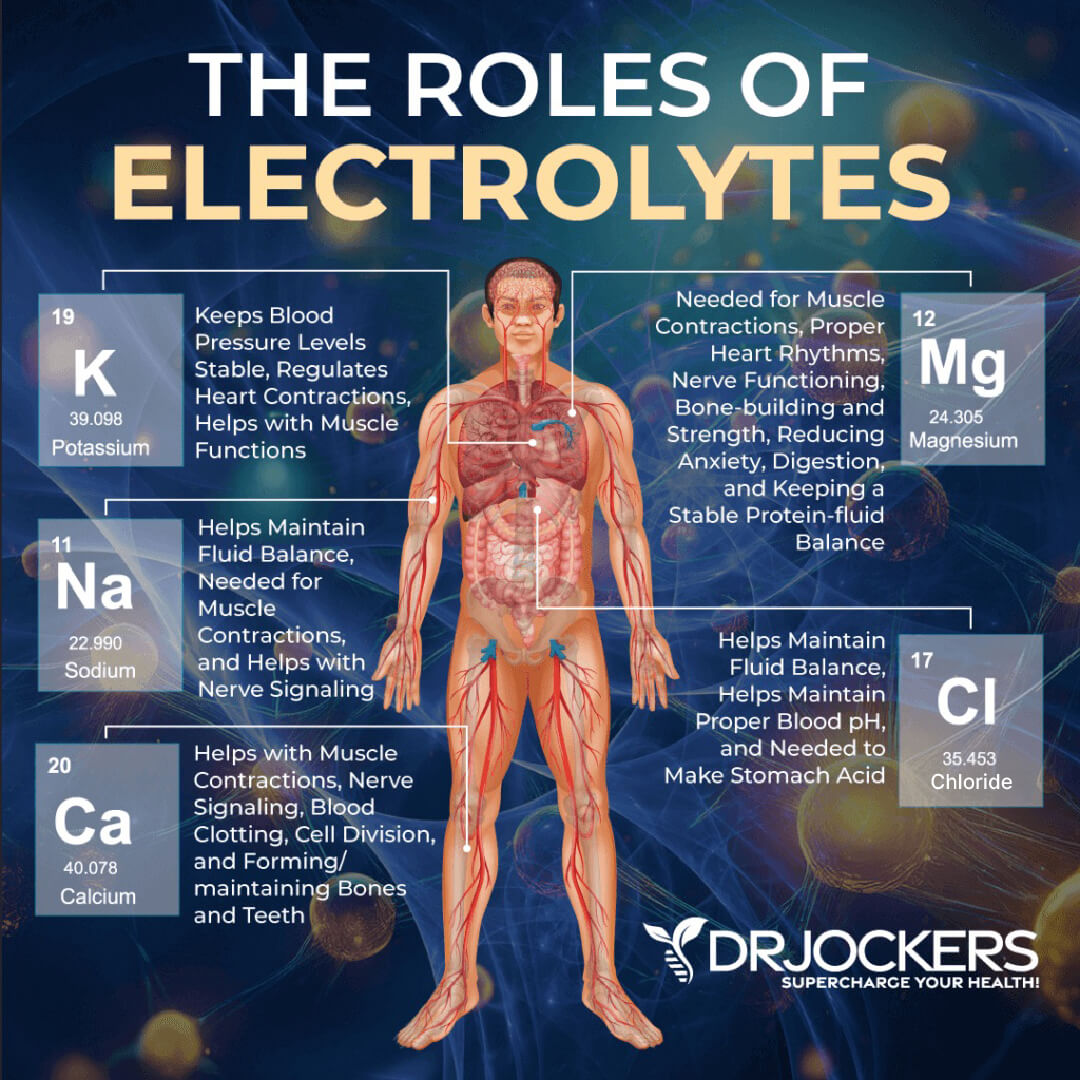
The main electrolytes in the body include sodium, potassium, calcium, magnesium, chloride, and phosphate. Each has a special job to help the body work well.
- Sodium:Controls water balance and helps nerves work.
- Potassium:Supports muscle function and heart health.
- Calcium:Builds strong bones and helps muscles move.
- Magnesium:Helps nerves and muscles, supports energy.
- Chloride:Maintains fluid balance and digestion.
- Phosphate:Builds bones and helps cells make energy.
How Electrolytes Affect The Body
Electrolytes control many body functions. They balance fluids, help muscles contract, and keep the heart beating regularly.
Too many electrolytes can cause health issues. For example, excess sodium may raise blood pressure. Too much potassium can cause heart problems.
- High sodium can cause swelling and high blood pressure.
- Too much potassium can lead to irregular heartbeat.
- Excess calcium may cause kidney stones or muscle weakness.
- Too much magnesium can slow down breathing and heart rate.
Causes Of Excess Electrolytes
Electrolytes are minerals that help the body work properly. Too many electrolytes can cause health problems. Several reasons can lead to excess electrolytes in the body.
Understanding these causes helps prevent and manage electrolyte imbalances. Let’s look at common causes of having too many electrolytes.
Overconsumption Of Supplements
Taking too many electrolyte supplements is a common cause of excess minerals. Some people take large amounts of potassium, sodium, or magnesium pills.
Supplements can add more electrolytes than the body needs. This overload causes high levels in the blood, which can be harmful.
- Using supplements without doctor advice
- Taking multiple products with electrolytes
- Ignoring label instructions on doses
Kidney Dysfunction
The kidneys help balance electrolytes by removing extra minerals. When kidneys do not work well, electrolytes build up in the body.
Kidney problems can cause dangerous rises in potassium, sodium, and other electrolytes. This can affect heart and muscle function.
- Chronic kidney disease reduces filtering ability
- Kidney failure stops electrolyte removal
- Medications can also affect kidney function
Dehydration And Electrolyte Imbalance
Dehydration lowers body water but does not reduce electrolytes. This makes electrolyte concentration higher in the blood.
Losing fluids from sweating, vomiting, or diarrhea can cause this imbalance. The body has less water but the same or more minerals.
- Excessive sweating during hot weather or exercise
- Severe vomiting or diarrhea
- Not drinking enough fluids
Symptoms Of Electrolyte Overload
Electrolytes are minerals that help your body work properly. Too many electrolytes can cause problems. Knowing the signs can help you act quickly.
Electrolyte overload happens when the balance of minerals like sodium, potassium, or calcium is too high. This affects your body’s normal functions.
Mild Signs To Watch For
Mild symptoms of electrolyte overload are often easy to miss. They can feel like normal tiredness or minor discomfort.
- Feeling thirsty or dry mouth
- Mild headache or dizziness
- Muscle cramps or weakness
- Nausea or upset stomach
- Fatigue or feeling tired
If you notice these signs, try to reduce electrolyte intake and drink water. If symptoms stay, see a doctor.
Severe Symptoms And Complications
Severe electrolyte overload can cause serious health problems. These symptoms need immediate medical attention.
- Confusion or trouble thinking clearly
- Irregular heartbeat or palpitations
- Severe muscle weakness or spasms
- Seizures or convulsions
- Swelling or high blood pressure
- Loss of consciousness or fainting
These signs show your body is in distress. Get emergency help right away if you or someone else has these symptoms.
Credit: drjockers.com
Health Risks Linked To Excess Electrolytes
Electrolytes are minerals that help your body work properly. Too many electrolytes can cause serious health problems. This happens when your body has an imbalance of minerals like sodium, potassium, or calcium.
It is important to know the risks of having too many electrolytes. This can help you avoid health issues and keep your body safe.
Heart Problems
High levels of potassium or calcium can affect your heart. They may cause irregular heartbeats or palpitations. In severe cases, this can lead to a heart attack.
Too much sodium can raise your blood pressure. This makes your heart work harder and can cause long-term damage.
- Irregular heartbeat (arrhythmia)
- High blood pressure (hypertension)
- Risk of heart attack or stroke
Neurological Issues
Excess electrolytes can disrupt how your brain works. This may cause confusion, dizziness, or headaches. In serious cases, it can lead to seizures or coma.
Too much sodium can cause swelling in the brain. This swelling can harm nerve cells and affect your thoughts and actions.
- Confusion and memory problems
- Headaches and dizziness
- Seizures or loss of consciousness
Muscle Weakness And Cramps
Electrolytes help your muscles move properly. Too many electrolytes can cause muscles to feel weak or cramp. This can make it hard to do daily activities.
High potassium or calcium levels are often linked to muscle problems. These issues may cause twitching, spasms, or pain in your muscles.
- Muscle cramps and spasms
- Muscle weakness or fatigue
- Difficulty moving or using muscles
Diagnosis And Testing
Having too many electrolytes in your body can cause health problems. Doctors use tests to find out if your electrolyte levels are too high.
These tests help doctors decide the best treatment for you. Testing is simple and fast.
Blood Tests For Electrolyte Levels
Blood tests measure the amount of electrolytes like sodium, potassium, and calcium. They show if levels are too high or too low.
Doctors take a small blood sample from your arm. The lab checks the sample for different electrolytes.
- Sodium (Na) controls water balance.
- Potassium (K) helps your muscles work.
- Calcium (Ca) is important for bones and nerves.
- Chloride (Cl) keeps fluids balanced.
- Bicarbonate (HCO3) helps keep pH steady.
Additional Diagnostic Tools
Besides blood tests, doctors may use other tools to check your electrolyte levels. These tools help find the cause of the problem.
Urine tests can show how much electrolyte your body is losing. Imaging tests look for problems in organs that control electrolytes.
- Urine tests measure electrolyte loss through urine.
- Electrocardiograms (ECG) check heart rhythm affected by electrolytes.
- Kidney function tests show how well kidneys remove electrolytes.
- CT scans or ultrasounds find issues in kidneys or glands.
Treatment And Management
Having too many electrolytes in your body can cause health problems. It is important to manage this condition carefully to avoid complications.
Treatment focuses on reducing electrolyte levels and protecting your organs. Doctors use different ways depending on the severity.
Medical Interventions
Doctors may give medicines to help lower electrolyte levels. They watch your blood closely to keep levels safe.
In serious cases, treatments like dialysis may remove excess electrolytes. This helps balance your body quickly.
- Medications to remove excess electrolytes
- Dialysis for severe cases
- Monitoring vital signs and blood tests
Dietary Adjustments
Changing what you eat can lower electrolyte levels. Avoid foods high in sodium, potassium, or calcium if your doctor says so.
Choose fresh fruits and vegetables with lower electrolyte content. Read food labels to control your intake carefully.
- Limit salty and processed foods
- Avoid high-potassium foods like bananas and oranges
- Reduce dairy and calcium-rich products if needed
Hydration Strategies
Drinking the right amount of fluids helps balance electrolytes. Your doctor may suggest drinking more water or special fluids.
Too much or too little fluid can make the problem worse. Follow your healthcare provider’s advice on how much to drink.
- Drink plain water regularly
- Avoid drinks with extra electrolytes like sports drinks
- Follow fluid limits given by your doctor
Prevention Tips
Having too many electrolytes can cause health problems like muscle weakness and confusion. It is important to keep electrolyte levels balanced to stay healthy.
Here are some tips to help you prevent having too many electrolytes in your body.
Balanced Electrolyte Intake
Eating a balanced diet helps keep electrolytes at safe levels. Avoid consuming too much salt, potassium, or calcium in your meals.
Drink water regularly to help your body manage electrolyte levels naturally.
- Eat a variety of fruits and vegetables
- Limit salty snacks and processed foods
- Drink enough water every day
Monitoring Supplement Use
Some supplements contain electrolytes like potassium or magnesium. Taking too many can cause an imbalance.
Always follow the recommended dose on supplement labels and talk to a doctor before starting new supplements.
- Check supplement labels for electrolyte content
- Do not exceed the daily suggested amount
- Consult a healthcare provider if unsure
Regular Health Checkups
Regular health checkups help monitor your electrolyte levels through blood tests. Early detection prevents serious problems.
Share your symptoms and supplement use with your doctor during visits to get accurate advice.
- Schedule routine blood tests
- Report any unusual symptoms to your doctor
- Discuss your diet and supplements honestly

Credit: www.cosmopolitan.com
Frequently Asked Questions
What Are The Symptoms Of Having Too Many Electrolytes?
Symptoms include nausea, muscle weakness, irregular heartbeat, confusion, and fatigue. Severe cases may cause seizures or coma.
How Does Electrolyte Imbalance Affect The Body?
Electrolyte imbalance disrupts nerve and muscle function. It can lead to dehydration, heart problems, and muscle cramps.
Can Drinking Too Many Sports Drinks Cause Excess Electrolytes?
Yes, overconsumption of sports drinks can cause electrolyte overload, especially sodium and potassium, leading to imbalances and health risks.
How Is Excess Electrolyte Diagnosed By Doctors?
Doctors diagnose excess electrolytes through blood tests measuring sodium, potassium, calcium, and magnesium levels.
Conclusion
Too many electrolytes can upset your body’s balance quickly. This may cause symptoms like weakness, confusion, or irregular heartbeat. Staying aware of your electrolyte intake helps keep your body healthy. Drinking water and eating balanced meals support proper electrolyte levels.
Always listen to your body and seek help if you feel unwell. Small changes prevent bigger health problems later. Balance is key for strong muscles and a steady heart. Keep electrolytes in check for everyday energy and wellness.


