

Have you ever wondered what happens if a woman takes men’s multivitamins? You might think all vitamins are the same, but that’s not always true.
Men’s and women’s bodies need different nutrients in different amounts. Taking the wrong multivitamin could affect your health in ways you didn’t expect. You’ll discover what really happens inside your body and whether it’s safe for you to take men’s vitamins.
Keep reading to find out how to choose the best supplement for your well-being.
Differences In Multivitamin Formulations
Men’s and women’s multivitamins differ in their nutrient makeup. These differences match the unique health needs of each gender.
Taking the wrong multivitamin may not give the best benefits. It is important to know what changes exist.
Key Nutrient Variations
Men’s and women’s multivitamins often have different amounts of certain nutrients. These changes support gender-specific health.
- Iron: Women’s formulas usually have more iron to help with menstruation.
- Calcium and Vitamin D: Women’s vitamins often contain more for bone health.
- Zinc and Magnesium: Men’s versions tend to have higher levels for muscle and energy support.
- Vitamin A and C: Both formulas include these but in different amounts.
Dosage And Concentration Differences
Men’s multivitamins may contain higher doses of some nutrients. This matches men’s larger body size and different metabolism.
Women’s multivitamins balance nutrient levels to support reproductive health and prevent deficiencies common in women.
| Vitamin/Mineral | Men’s Multivitamin | Women’s Multivitamin |
|---|---|---|
| Iron | Lower dose (around 8 mg) | Higher dose (up to 18 mg) |
| Calcium | 800 mg | 1000 mg |
| Vitamin D | 600 IU | 800 IU |
| Zinc | 15 mg | 8 mg |
| Magnesium | 100 mg | 80 mg |
Potential Effects On Women’s Health
Men’s multivitamins have different nutrient amounts than women’s. Taking them may cause changes in a woman’s body. It is important to understand these effects on health.
This article looks at how men’s multivitamins affect hormones, bones, energy, and metabolism in women.
Impact On Hormonal Balance
Men’s multivitamins may contain higher zinc and vitamin D levels. These can influence hormone production in women. This might change menstrual cycles or mood.
Too much of some vitamins can disrupt estrogen and progesterone balance. This may cause irregular periods or hormonal symptoms.
- Zinc can lower estrogen if taken in excess
- Vitamin D affects hormone regulation
- High doses may cause mood swings
Bone Health Considerations
Women need calcium and vitamin D for strong bones. Men’s multivitamins may have lower calcium levels. This can affect bone health over time.
Women risk losing bone density if they lack enough calcium. Men’s formulas might not support this need fully.
- Calcium supports bone strength
- Vitamin D helps calcium absorption
- Men’s vitamins may have less calcium
Energy And Metabolism Changes
Men’s multivitamins often have more iron and B vitamins. These can increase energy and metabolism in women. But too much iron may cause problems.
Excess iron can lead to stomach upset or other health issues. Women should monitor their intake carefully when using men’s vitamins.
- B vitamins help convert food to energy
- Iron supports oxygen transport in blood
- Too much iron can cause digestive issues
Risks Of Taking Men’s Multivitamins
Men’s multivitamins are made to meet men’s health needs. Women may not get the right balance from them.
Taking men’s vitamins can cause problems because women’s bodies need different nutrients and amounts.
Overconsumption Of Certain Vitamins
Men’s multivitamins often have more iron and zinc than women’s supplements. This can lead to too much intake.
Excess vitamins may harm the body and cause symptoms like nausea, headaches, or more serious issues.
- Too much iron can cause stomach pain and constipation
- High zinc intake may lower good cholesterol
- Extra vitamin A can cause dizziness and joint pain
Possible Side Effects
Taking men’s multivitamins may cause side effects in women. These can include stomach upset or allergic reactions.
Women might also experience hormone imbalances or skin problems due to nutrient differences.
- Upset stomach or nausea
- Rashes or itching
- Changes in mood or energy
- Hormonal shifts that affect menstrual cycles
Interactions With Medications
Some vitamins and minerals in men’s supplements can change how medicines work in the body.
This can make medicines less effective or cause harmful effects when combined with certain drugs.
- Vitamin K can reduce blood thinner effects
- High doses of vitamin E may increase bleeding risk
- Zinc can interfere with antibiotics
- Calcium may affect thyroid medication absorption

Credit: ultimatenutrition.com
When Men’s Multivitamins Might Be Safe
Men’s multivitamins have nutrients designed for men’s health needs. Women might wonder if taking these vitamins is safe for them.
In some cases, men’s multivitamins may be okay for women. This depends on individual health and nutrient needs.
Situations Requiring Specific Nutrient Intake
Some women need more of certain nutrients than usual. Men’s multivitamins may provide these nutrients in higher amounts.
- Women with low iron might need supplements not found in men’s vitamins
- Women who do not need much iron might benefit from men’s vitamins with less iron
- Some men’s vitamins have extra zinc and vitamin D, which some women might need
- Women with special diets might use men’s vitamins temporarily
Still, women should check the nutrient levels before choosing men’s multivitamins.
Consulting Healthcare Providers
It is important for women to talk to a doctor before taking men’s multivitamins. A doctor can advise on safety and proper dosage.
Doctors can help find the right vitamin mix based on age, health, and lifestyle.
- Doctors check for nutrient deficiencies
- They recommend vitamins that fit individual needs
- They avoid risks of overdosing on certain vitamins
- They monitor any side effects from new supplements
Choosing The Right Multivitamin For Women
Women have different vitamin and mineral needs than men. Taking a man’s multivitamin may not give women the right nutrients. It is important to pick a multivitamin made for women’s health.
Women’s multivitamins often include extra iron, calcium, and folic acid. These nutrients support bone health and pregnancy. Choosing the right one helps keep women healthy every day.
Assessing Nutritional Needs
Women need to know their unique nutrition needs. Age, lifestyle, and health affect what vitamins are best. For example, pregnant women need more folic acid.
Some key nutrients for women include:
- Iron to prevent anemia
- Calcium for strong bones
- Vitamin D to help absorb calcium
- Folic acid to support pregnancy
Reading Labels Effectively
Reading labels helps women find the right multivitamin. Check the amounts of vitamins and minerals. Avoid taking too much or too little.
Look for these on the label:
- Daily value percentages for each nutrient
- Added ingredients like iron or folic acid
- Expiration date and storage instructions
- Any allergens or fillers included
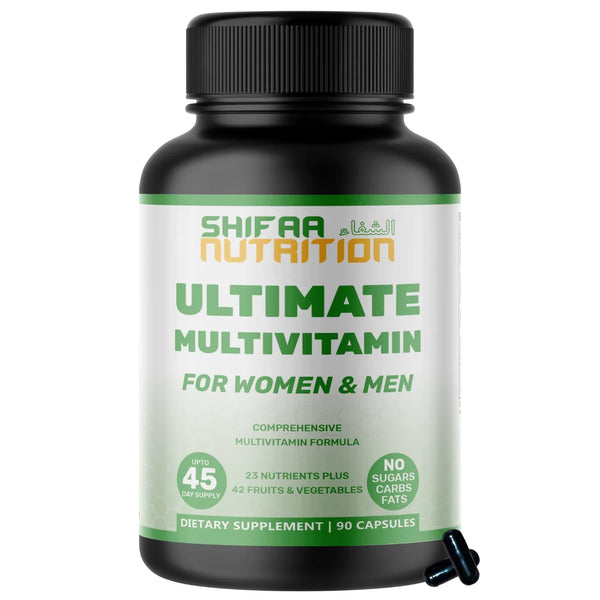
Credit: shifaanutrition.com
Alternatives To Men’s Multivitamins
Women who take men’s multivitamins may miss key nutrients made just for them. Women’s bodies need different vitamins and minerals at certain life stages. Choosing the right supplement helps meet those special needs.
There are better options than men’s multivitamins for women. These alternatives focus on nutrients women need most. They support overall health, energy, and hormonal balance.
Women-specific Multivitamins
Women-specific multivitamins have nutrients tailored to female health. They usually include more iron, calcium, and folic acid. These help with menstruation, bone strength, and pregnancy needs.
Taking women’s multivitamins can reduce risks of nutrient gaps. They support energy and immune health with the right balance of vitamins.
- Higher iron for blood health
- Extra calcium for bones
- Folic acid for pregnancy support
- Vitamin D and B vitamins for energy
Whole Food Supplements
Whole food supplements come from real fruits and vegetables. They offer natural vitamins and minerals with better absorption. These supplements provide nutrients in a form closer to food.
Women benefit from whole food supplements because they supply antioxidants and fiber. These help with digestion and protect cells from damage.
- Natural vitamins from fruits and veggies
- Contains fiber and antioxidants
- Gentle on the stomach
- Supports overall wellness naturally

Credit: shifaanutrition.com
Frequently Asked Questions
Can Women Take Men’s Multivitamins Safely?
Women can take men’s multivitamins, but it’s not ideal. Men’s formulas often have higher levels of certain nutrients. Women may miss key vitamins like iron that are vital for them. Choosing a multivitamin designed for women is generally better for balanced nutrition.
What Nutrients Differ In Men’s Vs Women’s Multivitamins?
Men’s multivitamins often have more zinc, vitamin E, and selenium. Women’s formulas usually contain more iron, calcium, and folic acid. These differences match gender-specific nutritional needs. Taking the wrong formula might lead to nutrient imbalances or deficiencies over time.
Are There Side Effects If A Woman Takes Men’s Multivitamins?
Possible side effects include nutrient imbalances or mild digestive issues. Excess zinc or vitamin A can cause problems if taken long term. Women may also miss out on key nutrients like iron. It’s best to consult a healthcare provider before switching formulas.
Will Men’s Multivitamins Meet Women’s Daily Nutrient Needs?
Men’s multivitamins may not fully meet women’s daily nutrient requirements. Women need more iron and folic acid, which men’s vitamins often lack. Relying on men’s formulas could lead to deficiencies in these important nutrients over time.
Conclusion
Taking men’s multivitamins as a woman may cause some imbalances. Men’s formulas often have higher doses of certain vitamins and minerals. This can lead to unwanted side effects or missing nutrients women need. Choosing a multivitamin designed for women is usually safer.
It fits their unique health needs better. Always check labels carefully and talk to a doctor before changing supplements. Staying informed helps keep your body healthy and balanced. Small choices make a big difference in daily wellness.


