

Have you ever wondered what your liver and kidneys actually do for your body? These two organs work tirelessly behind the scenes to keep you healthy, but many people don’t fully understand their crucial roles.
Knowing how your liver and kidneys function can help you make smarter choices for your health and avoid problems down the road. Keep reading, and you’ll discover why these organs are true powerhouses that deserve your attention—and how taking care of them can boost your energy, clear your skin, and even improve your mood.
Don’t miss out on learning what your body needs to thrive!

Credit: www.amazon.com
Liver Functions
The liver is a large organ that helps keep the body healthy. It performs many important jobs to support life.
This article focuses on the main functions of the liver. These include metabolism, detoxification, bile production, protein synthesis, and blood clotting regulation.
Metabolism And Energy Storage
The liver helps break down foods to create energy. It changes nutrients into forms the body can use or store.
The liver stores energy by saving extra sugar as glycogen. When the body needs energy, the liver releases it.
Detoxification Processes
The liver removes harmful substances from the blood. It changes toxins into less harmful forms or makes them easier to remove.
This detox process helps protect the body from damage caused by poisons and drugs.
Bile Production And Digestion
The liver produces bile, a fluid that helps digest fats. Bile breaks down fat into smaller parts for easier absorption.
Bile also helps remove waste products like old red blood cells and cholesterol from the body.
Protein Synthesis
The liver makes many important proteins needed for the body. These proteins help with immune function and maintaining fluid balance.
Some proteins made by the liver include albumin and enzymes that help with various body functions.
Regulation Of Blood Clotting
The liver produces substances that help blood clot. Blood clotting is important to stop bleeding after injuries.
If the liver does not work well, blood may not clot properly, leading to easy bruising or bleeding.
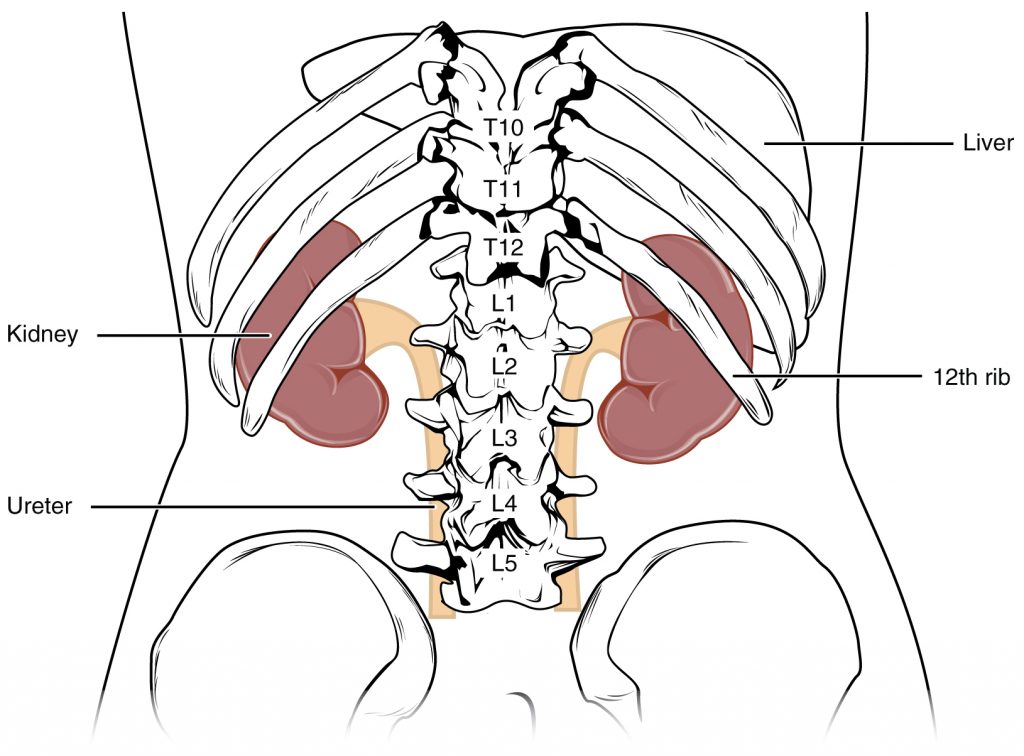
Credit: pressbooks.bccampus.ca
Kidney Functions
The kidneys are vital organs that keep our body healthy. They help clean the blood and keep the balance of fluids right.
Each kidney works hard to remove wastes and control many important body processes.
Blood Filtration And Waste Removal
The kidneys filter blood to remove waste and toxins. This cleaning helps prevent damage to the body.
Waste and extra water form urine, which leaves the body through the bladder.
Fluid And Electrolyte Balance
Kidneys control the amount of water in the body. They keep fluids balanced to avoid dehydration or swelling.
They also manage electrolytes like sodium and potassium. These minerals are important for muscles and nerves.
Blood Pressure Regulation
The kidneys help control blood pressure by adjusting fluid levels. They release hormones that tighten blood vessels.
This process keeps blood pressure from getting too high or too low.
Red Blood Cell Production
Kidneys produce a hormone called erythropoietin. This hormone tells the bone marrow to make red blood cells.
Red blood cells carry oxygen to all parts of the body.
Acid-base Balance
The kidneys keep the body’s acid and base levels balanced. They remove extra acids or bases from the blood.
This balance is important for cells to work properly and stay healthy.
How Liver And Kidneys Work Together
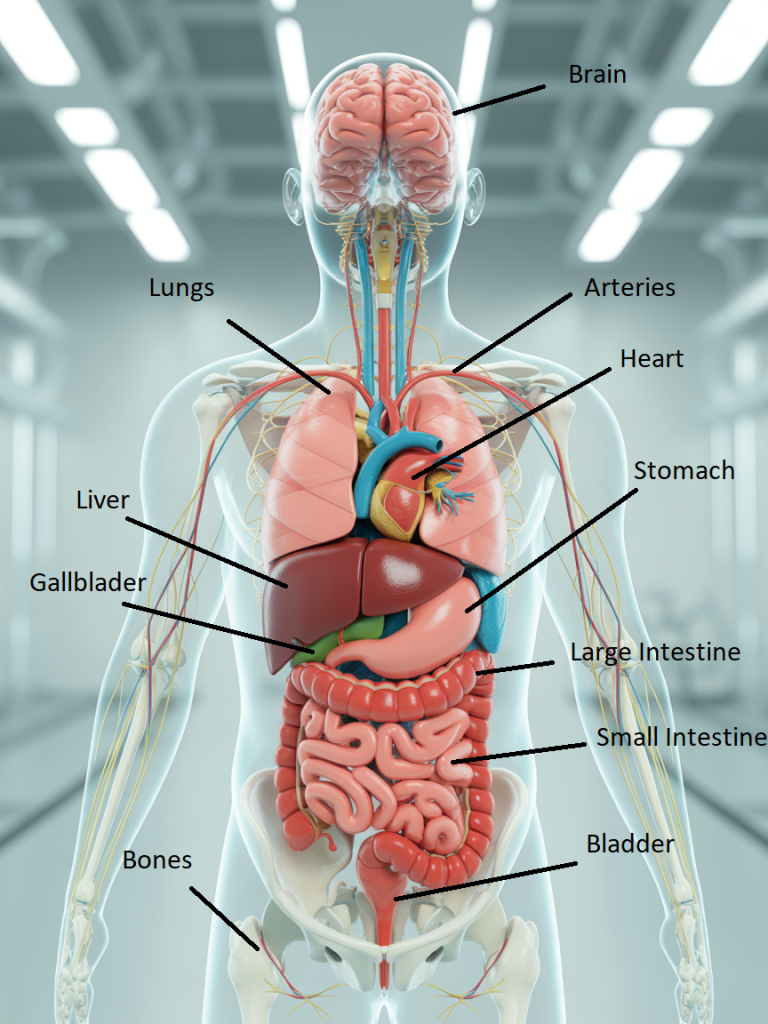
The liver and kidneys are two important organs in the body. They work together to keep the body clean and balanced.
Each organ has its own job, but they support each other to keep you healthy.
Coordinated Detoxification
The liver breaks down harmful substances from food and medicine. It changes these toxins into less harmful forms.
The kidneys then filter these waste products from the blood. They send the wastes out of the body through urine.
- Liver changes toxins into easier to remove forms
- Kidneys filter these toxins from the blood
- Both organs help keep the body free of poisons
Maintaining Homeostasis
The liver helps control blood sugar and fat levels. It stores energy and releases it when the body needs it.
The kidneys balance water and minerals like salt and potassium. They keep the right amount of fluids in the body.
- Liver regulates energy and nutrient levels
- Kidneys control fluid and mineral balance
- Together, they keep the body stable and steady
Impact On Overall Health
When the liver and kidneys work well, the body stays healthy. They remove wastes and keep the body balanced.
If either organ is damaged, toxins build up. This can cause illness and affect how the body works.
- Good liver and kidney health supports energy and wellness
- Damage can lead to toxin buildup and sickness
- Keeping these organs healthy helps the whole body
Credit: dnalabsindia.com
Common Disorders Affecting Liver And Kidneys
The liver and kidneys are vital organs that help keep the body healthy. They remove waste and toxins from the blood. Many disorders can affect how these organs work.
Knowing about common diseases of the liver and kidneys can help you recognize problems early. Early care can protect your health.
Liver Diseases
The liver helps digest food and remove toxins. Some common liver diseases include hepatitis, fatty liver disease, and cirrhosis. These diseases can cause liver damage and reduce its function.
Hepatitis is caused by viruses or heavy alcohol use. Fatty liver happens when fat builds up in liver cells. Cirrhosis is severe scarring of the liver from long-term damage.
- Hepatitis causes inflammation of the liver.
- Fatty liver disease is linked to obesity and diabetes.
- Cirrhosis results from continuous liver injury.
Kidney Diseases
Kidneys filter waste and extra fluid from the blood. Common kidney diseases include kidney stones, infections, and chronic kidney disease. These problems can reduce kidney function.
Kidney stones are hard deposits that block urine flow. Infections cause swelling and pain. Chronic kidney disease happens when kidneys slowly lose their ability to work.
- Kidney stones cause sharp pain and discomfort.
- Kidney infections can cause fever and chills.
- Chronic kidney disease may lead to kidney failure.
Symptoms And Warning Signs
Recognizing symptoms early helps in treating liver and kidney diseases. Watch for signs like pain, swelling, and changes in urine or stool color.
- Yellowing of skin or eyes (jaundice)
- Swelling in legs, ankles, or abdomen
- Fatigue and weakness
- Dark or cloudy urine
- Loss of appetite or nausea
- Pain in the lower back or abdomen
Preventive Measures
Preventing liver and kidney diseases involves healthy choices. Avoid toxins and keep a balanced diet. Drink enough water and exercise regularly.
- Limit alcohol intake to protect your liver
- Eat fruits and vegetables every day
- Stay hydrated by drinking water often
- Avoid smoking and drug use
- Manage blood sugar and blood pressure levels
- Get regular medical check-ups
Frequently Asked Questions
What Is The Main Function Of The Liver?
The liver processes nutrients from food, filters toxins, and produces bile for digestion. It plays a crucial role in metabolizing drugs and breaking down fat. The liver also stores vitamins and minerals, ensuring the body functions optimally.
How Do Kidneys Filter Waste From The Blood?
Kidneys filter blood to remove waste and extra fluids, forming urine. They maintain a balanced electrolyte level and regulate blood pressure. This filtering process ensures that the body’s internal environment remains stable and free from harmful substances.
Why Is Liver Health Important?
Liver health is vital for detoxifying the body and processing nutrients. A healthy liver supports digestion, energy production, and hormone regulation. Maintaining liver health prevents diseases like cirrhosis and hepatitis, ensuring overall well-being.
How Do Kidneys Support Blood Pressure Regulation?
Kidneys regulate blood pressure by balancing salt and fluid levels. They release hormones that control blood vessel constriction. Proper kidney function ensures stable blood pressure, reducing the risk of heart diseases.
Conclusion
The liver and kidneys play key roles in keeping the body healthy. The liver cleans blood and helps digest food. Kidneys remove waste and balance fluids. Both organs work hard every day without rest. Taking care of them means eating well and staying hydrated.
Small habits protect these organs and support overall health. Remember, a healthy liver and kidneys help your body work at its best. Keep them strong for a better life.


