
Are you looking to build stronger, more defined shoulders? The overhead dumbbell press might be exactly what you need.
But what muscles does this exercise really target? Understanding what the overhead dumbbell press works can help you train smarter and see better results faster. You’ll discover how this move affects your body and why it should be a key part of your workout.
Keep reading to unlock the full potential of your shoulder workouts.
Primary Muscles Targeted
The overhead dumbbell press is a powerful exercise. It targets the upper body muscles. This workout primarily focuses on the shoulders and triceps.
Understanding which muscles are engaged helps in improving form. It also aids in maximizing the benefits of the exercise.
Deltoid Muscle Focus
The deltoid muscles are crucial in the overhead dumbbell press. These muscles are located in the shoulder area. They help lift the arms above the head.
This exercise strengthens the deltoids. It enhances shoulder stability and flexibility. Strong deltoids improve overall arm strength.
- Anterior deltoid: Engaged during the lifting phase
- Lateral deltoid: Assists in stabilizing the arm
- Posterior deltoid: Supports shoulder movement
Triceps Engagement
The triceps are another key muscle group in this exercise. They are located at the back of the upper arm. Triceps help in extending the elbow.
Strong triceps contribute to pressing movements. They aid in the upward phase of the overhead press. This results in better arm definition and strength.
| Triceps Long Head | Activates during elbow extension |
| Triceps Lateral Head | Supports arm stability |
| Triceps Medial Head | Assists in pushing the weight |
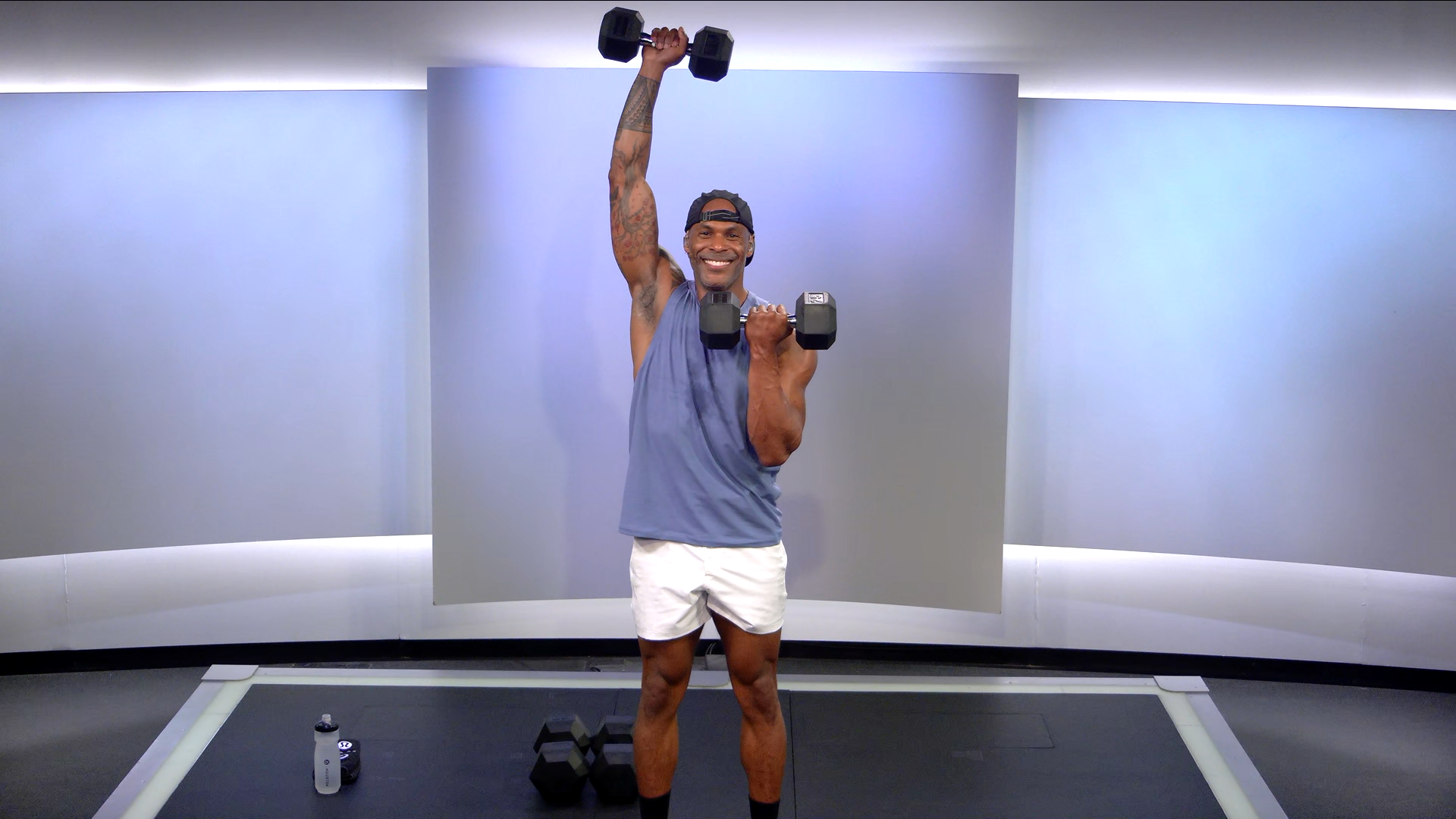
Credit: www.onepeloton.com
Supporting Muscle Groups
The overhead dumbbell press mainly targets the shoulders. It also helps other muscles work together. These supporting muscles make the movement stable and strong.
Understanding these muscles can improve your form and results. Let’s look at the key supporting muscle groups.
Upper Chest Activation
The upper chest helps push the dumbbells upward. It works hard during the start of the press. This muscle adds strength and power to the movement.
Strong upper chest muscles help keep your shoulders safe. They balance the effort between your chest and shoulders.
Trapezius Involvement
The trapezius muscle supports your shoulder blades during the press. It lifts and stabilizes the scapulae. This helps keep your shoulders steady as you lift.
The traps also assist in controlling the dumbbells overhead. They reduce strain on the shoulder joint by sharing the load.
- Upper traps raise the shoulder blades
- Middle traps stabilize the back
- Lower traps help control scapula movement
Core Stability Role
Your core muscles keep your body balanced during the press. They stop your lower back from arching too much. A strong core protects your spine.
The abs and lower back work together to hold your torso steady. This lets your arms push the weights up smoothly and safely.
- Abdominal muscles prevent excessive backward leaning
- Lower back muscles maintain a neutral spine
- Obliques help keep side-to-side balance
Muscle Function During The Press
The overhead dumbbell press is a great exercise for strengthening the upper body. It mainly works your shoulders and arms. The muscles work differently when you lift and lower the weights.
Understanding which muscles work during each phase helps improve your form and results. The movement has two main phases: concentric and eccentric.
Concentric Phase Muscles
The concentric phase is when you push the dumbbells upward. This phase uses muscles to lift the weights against gravity.
The primary muscles involved are the deltoids, especially the anterior (front) part. The triceps help extend your arms. The upper chest and trapezius muscles also assist.
- Deltoids:Main muscle lifting the dumbbells.
- Triceps brachii:Straighten the elbows.
- Upper pectorals:Help push the weights up.
- Trapezius:Stabilizes the shoulder blades.
Eccentric Phase Muscles
The eccentric phase happens when you lower the dumbbells back down. Muscles control the descent to avoid dropping the weights.
During this phase, the same muscles work but in a lengthening way. They slow down the movement and keep the weights steady.
- Deltoids:Control the lowering motion.
- Triceps brachii:Help resist gravity.
- Upper pectorals:Assist in smooth descent.
- Trapezius:Keeps shoulder blades steady.
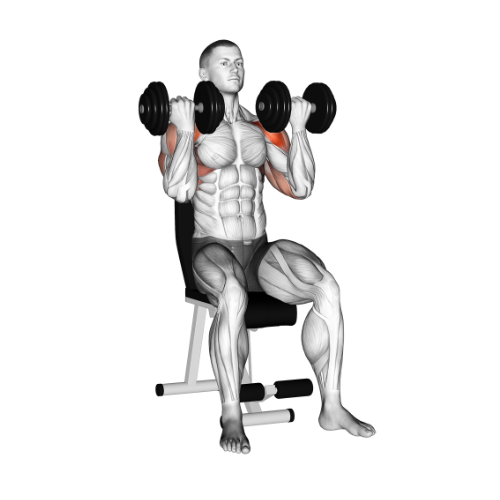
Credit: www.endomondo.com
Variations And Muscle Emphasis
The overhead dumbbell press targets many upper body muscles. Different variations shift focus to certain muscles more.
Choosing the right variation helps train specific muscles better. It also changes how your body stabilizes during the move.
Seated Vs Standing Press
The seated press limits lower body movement. It focuses more on the shoulder muscles.
The standing press works the legs and core for balance. It also improves overall stability.
- Seated press targets shoulders and triceps more directly
- Standing press involves core, legs, and back muscles
- Standing press burns more calories due to full-body effort
- Seated press reduces risk of using momentum to lift
Single-arm Vs Double-arm Press
Single-arm presses focus on one side at a time. This helps fix muscle imbalances and improves core stability.
Double-arm presses allow for heavier weights. They work both shoulders evenly and build more strength.
- Single-arm press improves balance and coordination
- Double-arm press builds overall shoulder strength faster
- Single-arm press engages core muscles more
- Double-arm press lets you lift heavier dumbbells
Benefits Of Overhead Dumbbell Press
The overhead dumbbell press is a popular exercise for building upper body strength. It uses dumbbells to target several muscles in the shoulders and arms.
This exercise helps improve muscle strength and shoulder stability. It is simple and effective for many fitness levels.
Muscle Strength And Growth
The overhead dumbbell press works the deltoid muscles in the shoulders. It also activates the triceps and upper chest muscles.
Using dumbbells allows for a greater range of motion. This can lead to better muscle growth and balanced strength on both sides of the body.
- Targets shoulder muscles for strength
- Engages triceps and upper chest
- Promotes balanced muscle development
- Supports muscle growth with full motion
Improved Shoulder Stability
The exercise helps strengthen the smaller stabilizer muscles in the shoulder. These muscles keep the shoulder joint secure during movement.
Strong stabilizer muscles reduce the risk of injury. They also improve overall shoulder control and balance.
- Strengthens shoulder stabilizer muscles
- Improves joint support and control
- Reduces risk of shoulder injury
- Enhances balance during arm movements
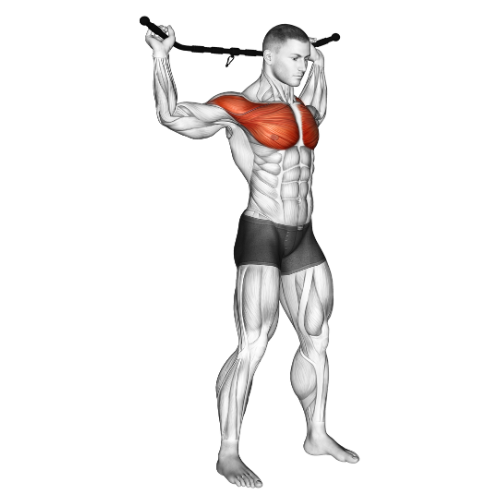
Credit: www.endomondo.com
Common Mistakes Affecting Muscle Activation
The overhead dumbbell press targets your shoulders and arms. Doing it right helps build strength and muscle. Some common mistakes reduce muscle activation and slow progress.
Understanding these errors can improve your form and make each rep count. Focus on avoiding these mistakes for better results.
Incorrect Form
Using wrong form during the overhead dumbbell press puts strain on joints. It also lowers the work done by your shoulder muscles. Common errors include arching your back and flaring your elbows too much.
Keep your back straight and core tight. Position your elbows at about 45 degrees from your body. This helps the deltoid muscles activate properly and reduces risk of injury.
- Avoid leaning back to lift heavier weights
- Do not let elbows flare out sideways
- Keep wrists straight, not bent backward
- Engage your core to stabilize your spine
Inadequate Range Of Motion
Not moving the dumbbells through the full range limits muscle work. Stopping too high or too low reduces shoulder activation. It also lowers the benefits of the exercise.
Lower the dumbbells until your elbows are just below shoulder level. Press the weights straight up until your arms are nearly locked out. This full movement helps the muscles stretch and contract well.
- Do not stop the press too early
- Aim for a smooth, controlled lift and descent
- Keep elbows under wrists throughout the motion
- Use a weight that allows full range without pain
Frequently Asked Questions
What Muscles Does The Overhead Dumbbell Press Target?
The overhead dumbbell press primarily works the deltoid muscles in your shoulders. It also engages the triceps and upper chest for stability and strength during the press movement.
How Does The Overhead Dumbbell Press Improve Shoulder Strength?
This exercise strengthens shoulder muscles by forcing them to lift and stabilize weights overhead. It enhances muscle endurance and overall shoulder stability, reducing injury risk.
Can The Overhead Dumbbell Press Help With Posture?
Yes, it improves posture by strengthening the upper back and shoulder muscles. Strong shoulders support a straighter spine and reduce slouching over time.
Is The Overhead Dumbbell Press Good For Beginners?
Yes, beginners can benefit from this exercise using light weights. It helps build foundational shoulder strength and improves muscular coordination safely.
Conclusion
The overhead dumbbell press builds strong shoulders and upper arms. It also helps improve stability and balance. This exercise works your deltoids, triceps, and upper chest muscles. Doing it regularly can boost your overall upper body strength. Keep your movements steady and controlled for best results.
Start with lighter weights to avoid injury. Over time, increase the weight as you gain strength. This simple exercise fits well in many workout routines. Give it a try to strengthen your upper body effectively.


