

Are you looking to build strength and tone your lower body with a simple exercise? Dumbbell squats might be exactly what you need.
But what muscles do dumbbell squats really work? Understanding how this move targets your body can help you get better results faster. Keep reading to discover which parts of your body benefit the most, how to do dumbbell squats correctly, and why adding them to your routine can transform your fitness journey.
Your stronger, leaner legs and glutes are just a few reps away.
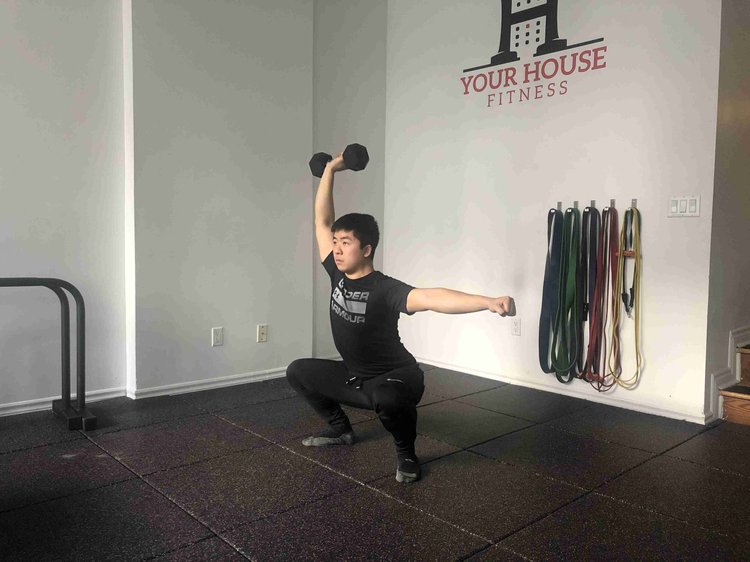
Credit: www.yourhousefitness.com
Muscles Targeted By Dumbbell Squats
Dumbbell squats are a great exercise for building strength. They work multiple muscle groups at once. Knowing which muscles are targeted can help you understand their benefits.
Let’s explore the main muscles involved in dumbbell squats and how they contribute to overall fitness.
Primary Lower Body Muscles
Dumbbell squats mainly target the lower body muscles. These muscles are essential for movement and stability.
- Quadriceps:Located in the front of the thigh. They help straighten the knee.
- Hamstrings:Found at the back of the thigh. They bend the knee and extend the hip.
- Glutes:The muscles of the buttocks. They are crucial for hip movement and stability.
- Calves:Located in the lower leg. They assist with ankle movement.
Core Engagement
Dumbbell squats also engage the core muscles. These muscles help stabilize your body during the exercise.
- Abdominals:They support your spine and help maintain balance.
- Obliques:Located on the sides of your abdomen. They assist with torso rotation and stability.
- Lower Back:These muscles keep your spine aligned and support your posture.
Upper Body Involvement
While primarily a lower body exercise, dumbbell squats also involve the upper body. This is especially true when holding weights.
- Shoulders:They help support the weight of the dumbbells.
- Arms:They stabilize the dumbbells and contribute to overall balance.
- Upper Back:These muscles help maintain proper posture during the squat.
Benefits For Lower Body Strength
Dumbbell squats are great for building lower body strength. Holding dumbbells adds resistance to your workout.
This exercise targets many muscles in your legs and hips. It helps you get stronger and more stable.
Glute Activation
Dumbbell squats work your glute muscles well. These muscles help you stand, walk, and climb stairs.
Using dumbbells forces your glutes to work harder. This builds strength and improves your hip movement.
Quad And Hamstring Development
The quads and hamstrings are the main muscles in your thighs. Dumbbell squats help both grow stronger.
Squatting with weights challenges these muscles to lift and control your body weight. This improves your leg power.
Calf Muscle Support
Your calf muscles help with balance and movement. Dumbbell squats engage your calves to keep you stable.
Strong calves support the knees and ankles. This lowers the risk of injury during daily activities and sports.
Core Stability And Balance
Dumbbell squats help improve core strength and balance. Holding weights challenges your body to stay steady.
This exercise works many muscles that support your spine and keep you upright. It trains your core to stabilize during movement.
Abdominal Muscle Activation
Dumbbell squats activate your abdominal muscles to keep your torso stable. Your abs work hard to stop you from leaning forward.
This helps strengthen deep core muscles that support your spine and organs. It also improves your overall body control.
- Engages rectus abdominis and obliques
- Strengthens transverse abdominis for spine support
- Improves muscle endurance for better stability
Lower Back Strength
Dumbbell squats strengthen your lower back muscles. These muscles work to keep your spine aligned during the squat.
Strong lower back muscles reduce the risk of injury and help you hold good form. They support your movements and improve balance.
- Targets erector spinae muscles
- Improves spinal support and control
- Helps reduce lower back pain
Improved Posture
Dumbbell squats promote better posture by training core and back muscles. Good posture helps you stand and move more efficiently.
Consistent training with dumbbell squats can correct slouching and improve body alignment. This leads to less fatigue and pain.
- Strengthens muscles that support upright posture
- Encourages proper spinal alignment
- Reduces risk of postural-related discomfort
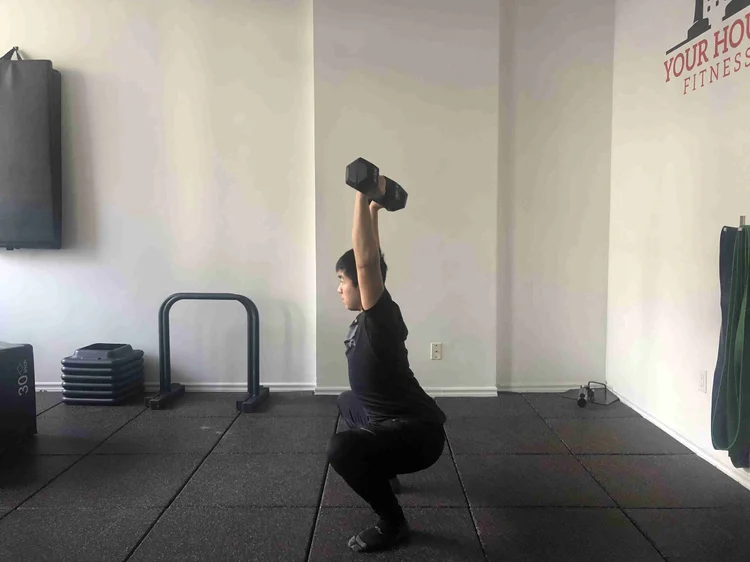
Credit: www.yourhousefitness.com
Upper Body Strengthening Effects
Dumbbell squats mainly work the legs. They also help build upper body strength. Holding dumbbells activates muscles in your arms, shoulders, and hands.
This makes dumbbell squats a good exercise to improve your upper body while working your lower body.
Arm And Shoulder Engagement
When you hold dumbbells during squats, your arms and shoulders stay active. They support the weights as you squat down and stand up.
This engagement helps strengthen your shoulder muscles and arm stabilizers. It also improves your posture and control.
- Shoulders work to keep weights steady
- Arms maintain grip and control
- Upper back muscles help hold proper posture
Grip Strength Improvement
Holding dumbbells during squats challenges your grip strength. Your hands must hold the weights firmly to avoid dropping them.
Stronger grip improves performance in many sports and daily tasks. Dumbbell squats help build this important upper body skill.
- Grip muscles work hard during the exercise
- Improves hand endurance
- Boosts overall upper body control
Functional Fitness And Daily Activities
Dumbbell squats help improve strength and balance. They work muscles used in daily tasks.
This exercise builds power for lifting, bending, and standing movements. It trains your body for real-life actions.
Enhanced Movement Patterns
Dumbbell squats train your hips, knees, and ankles to move smoothly. This helps your body work better together.
Improved movement patterns make walking, climbing stairs, and picking things up easier and safer.
- Strengthens muscles around joints
- Teaches proper bending and standing
- Supports balanced body control
Injury Prevention
Using dumbbells during squats makes muscles stronger and more stable. This lowers the chance of injury.
Strong muscles protect your joints and reduce stress during daily tasks like lifting or carrying.
- Builds muscle strength around knees and hips
- Improves joint stability and support
- Reduces risk of strains and sprains
Increased Mobility
Dumbbell squats help keep your hips and ankles flexible. Good mobility makes moving easier.
Better mobility lets you perform daily activities without stiffness or pain. It helps with bending and reaching.
- Improves hip and ankle range of motion
- Supports smooth bending and standing
- Helps maintain active, pain-free movement
Variations To Maximize Benefits
Dumbbell squats are great for building strength and balance. Changing the squat style works different muscles.
Try these variations to target more muscles and improve your workout results.
Sumo Dumbbell Squats
Sumo dumbbell squats use a wide stance with toes pointed out. This stance targets the inner thighs and glutes more.
Hold one dumbbell with both hands between your legs. Keep your back straight and squat down slowly.
- Stand with feet wider than shoulder-width
- Point toes outward at about 45 degrees
- Hold dumbbell close to your body
- Lower hips until thighs are parallel to floor
- Push through heels to stand up
Goblet Squats
Goblet squats keep one dumbbell close to your chest. This helps with posture and balance.
This squat focuses on your quads, glutes, and core muscles. It also helps improve squat form.
- Hold a dumbbell vertically at chest height
- Keep feet shoulder-width apart
- Lower your body as if sitting in a chair
- Keep elbows inside knees when squatting
- Stand back up using your legs
Split Squats With Dumbbells
Split squats work one leg at a time. Holding dumbbells adds resistance to each side.
This variation improves balance and strengthens quads and glutes separately.
- Stand in a staggered stance with one foot forward
- Hold dumbbells by your sides
- Lower your back knee toward the floor
- Keep your front knee over the ankle
- Push up through the front heel to stand
Common Mistakes To Avoid
Dumbbell squats help build strength in your legs and core. Many people make simple mistakes that reduce their benefits.
Fixing these errors can improve your workout and prevent injuries. Here are common mistakes to watch out for.
Incorrect Form
Bending your knees too far forward puts stress on them. Not keeping your back straight can cause pain.
Look straight ahead and keep your chest up. Make sure your knees track over your toes, not inside or outside.
- Do not let your knees collapse inward
- Keep your feet flat on the floor
- Lower your hips as if sitting back in a chair
Improper Weight Selection
Using dumbbells that are too heavy can hurt your form. Light weights may not challenge your muscles enough.
Choose weights that let you do 8 to 12 good reps. If form breaks, lower the weight.
- Start with light dumbbells to learn the movement
- Increase weight gradually as you gain strength
- Stop if the weight makes you lose balance
Neglecting Warm-up
Skipping warm-up can lead to muscle strains and poor performance. Warm muscles work better and reduce injury risk.
Spend 5 to 10 minutes warming up with light cardio and stretching. Focus on your legs and hips.
- Try marching or jogging in place
- Do gentle leg swings or hip circles
- Stretch your calves, quads, and hamstrings
Incorporating Dumbbell Squats Into Workouts
Dumbbell squats are a simple and effective way to build strength. They work your legs, hips, and core muscles.
Adding dumbbell squats to your workout helps improve balance and muscle tone. You can do them at home or in the gym.
Training Frequency
For beginners, start with two or three sessions per week. This helps your muscles recover and grow stronger.
More experienced lifters can do dumbbell squats up to four times a week. Avoid training the same muscle group two days in a row.
Combining With Other Exercises
Dumbbell squats work well with upper body exercises like push-ups or rows. This creates a full-body workout.
You can also pair squats with lunges and calf raises. This combination targets all parts of your legs.
- Push-ups or dumbbell rows for upper body
- Lunges for single-leg strength
- Calf raises for lower leg muscles
Progressive Overload Strategies
To get stronger, increase the weight of your dumbbells slowly. Add small amounts of weight every week.
You can also increase the number of reps or sets. Another way is to reduce rest time between sets.
- Add 2.5 to 5 pounds to dumbbells
- Increase reps by 1 to 3 per set
- Do one or two more sets
- Shorten rest time by 10 to 20 seconds

Credit: fitwill.app
Frequently Asked Questions
What Muscles Do Dumbbell Squats Target?
Dumbbell squats primarily work the quadriceps, hamstrings, glutes, and calves. They also engage the core for stability and improve lower body strength effectively.
Are Dumbbell Squats Good For Building Leg Strength?
Yes, dumbbell squats enhance leg strength by adding resistance. They help tone muscles and improve overall lower body power and endurance.
How Do Dumbbell Squats Improve Core Stability?
Holding dumbbells requires core engagement to maintain balance. This strengthens abdominal and lower back muscles, improving overall core stability and posture.
Can Dumbbell Squats Help With Weight Loss?
Dumbbell squats boost metabolism by engaging large muscle groups. This increases calorie burn, supporting fat loss when combined with proper diet and cardio.
Conclusion
Dumbbell squats work many muscles in your lower body. They help build strength in your legs, hips, and glutes. Your core also gets stronger by keeping your balance. This exercise improves your stability and coordination. You can do dumbbell squats anywhere, with little equipment.
Adding them to your routine boosts your overall fitness. Try to keep good form to avoid injuries. Small steps lead to big results. Keep moving and stay consistent for better health.


