

Are you looking to build strength and tone your upper body but wonder if dumbbell presses are the right exercise for you? Understanding what dumbbell presses work can help you target the exact muscles you want to improve.
Whether you want bigger arms, a stronger chest, or better shoulder stability, knowing how this move affects your body is key. Keep reading, and you’ll discover how dumbbell presses can transform your workouts and bring real results to your fitness routine.
Muscles Targeted By Dumbbell Presses
Dumbbell presses are effective for building upper body strength. They target several key muscle groups.
Understanding the muscles involved helps you maximize your workout results. Let’s explore these muscles.
Chest Muscles Activation
The primary muscles worked during dumbbell presses are the pectoral muscles. These muscles are located in your chest.
Engaging these muscles helps in enhancing chest size and strength. It’s vital for pushing exercises.
- Upper pectorals are engaged when pressing at an incline.
- Lower pectorals work more on a flat or decline bench.
Shoulder Engagement
Your shoulders play a crucial role during dumbbell presses. The deltoid muscles are mainly involved.
These muscles help stabilize and lift the weights above your head. Strong shoulders improve press performance.
- Front deltoids assist in lifting the dumbbells upward.
- Stability is provided by the lateral and rear deltoids.
Triceps Involvement
The triceps are located on the back of your upper arms. They extend your elbows during the press.
Strong triceps contribute to a more powerful pressing motion. They assist in the final push of the press.
- Triceps help stabilize the elbow joint.
- They are vital for completing each press repetition.
Benefits For Upper Body Strength
Dumbbell presses are great exercises for building upper body strength. They target many muscles in your chest, shoulders, and arms.
Using dumbbells helps improve muscle balance and control. This makes your workouts more effective and safer.
Improved Muscle Symmetry
Dumbbell presses require each arm to work independently. This helps fix muscle imbalances between sides.
Balanced muscles reduce the risk of injury and improve overall strength. You get a more even, symmetrical look.
Enhanced Joint Stability
Using dumbbells forces your stabilizer muscles to work harder. These muscles support your shoulder joints.
Stronger stabilizers protect your joints during movement. This lowers the chance of strains or injuries.
- Improves shoulder control
- Supports healthy joint movement
- Reduces joint pain during exercise
Increased Range Of Motion
Dumbbells allow your arms to move freely. This gives a bigger range of motion than barbells.
A larger range of motion helps stretch and strengthen muscles better. This leads to more muscle growth.
Variations Of Dumbbell Presses
Dumbbell presses are great exercises for building upper body strength. They help work your chest, shoulders, and arms.
There are different types of dumbbell presses. Each variation targets muscles in a unique way.
Flat Dumbbell Press
The flat dumbbell press is done lying on a flat bench. It mainly works the middle part of your chest.
This exercise also helps strengthen your shoulders and triceps. It is a good choice for overall chest development.
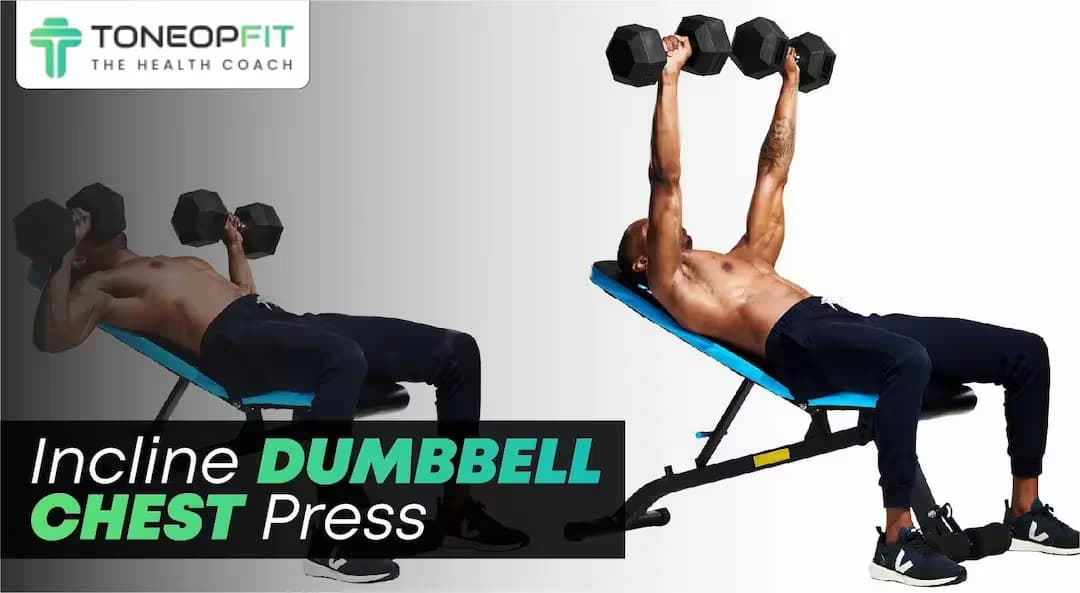
Incline Dumbbell Press
The incline dumbbell press is done on a bench set at an angle. This targets the upper chest muscles more.
It also works the front shoulders and triceps. This variation helps create a fuller chest shape.
Decline Dumbbell Press
The decline dumbbell press uses a bench set at a downward angle. It focuses on the lower chest muscles.
This press helps improve chest definition. It also reduces shoulder strain compared to other presses.

Credit: fitwill.app
Proper Form And Technique
Dumbbell presses work your chest, shoulders, and triceps. Using the right form helps you build strength safely.
Good technique reduces injury risk and improves results. Focus on control and steady movement.
Starting Position Tips
Start by lying flat on a bench. Hold a dumbbell in each hand at chest level.
Keep your feet flat on the floor and your back pressed against the bench. Your wrists should be straight and aligned with your elbows.
- Lie on your back with feet flat
- Hold dumbbells near your chest
- Keep wrists straight, elbows bent
- Engage your core for stability
Movement Execution
Press the dumbbells upward until your arms are almost fully extended. Do not lock your elbows.
Lower the dumbbells slowly back to the starting position. Control the weight throughout the movement.
- Push dumbbells up evenly
- Keep elbows slightly bent at top
- Lower slowly and with control
- Breathe out when pressing up
- Breathe in when lowering down
Common Mistakes To Avoid
Do not let your elbows flare out too wide. This can cause shoulder strain.
Avoid arching your back or lifting your feet off the floor. Keep a stable position.
- Elbows flared too far out
- Back arching off the bench
- Feet not flat on the floor
- Using too much weight too fast
- Dropping dumbbells quickly
Integrating Dumbbell Presses Into Workouts
Dumbbell presses target the chest, shoulders, and triceps. They help build strength and muscle size.
Adding dumbbell presses to your routine improves upper body power and stability. They work well with many exercises.
Combining With Other Exercises
Pair dumbbell presses with pulling exercises like rows or pull-ups. This balances pushing and pulling muscles.
Include lower body moves such as squats or lunges for a full-body workout. Core exercises also support better form.
- Dumbbell press and bent-over rows
- Squats followed by dumbbell presses
- Planks or leg raises before pressing
Workout Frequency And Volume
Train dumbbell presses 2 to 3 times each week. Allow rest days for muscle recovery.
Start with 3 sets of 8 to 12 repetitions. Adjust sets and reps based on your goals and energy.
- 2-3 sessions per week
- 3-4 sets per session
- 8-12 reps per set
- Rest 48 hours between sessions
Progression Strategies
Increase weight gradually to build strength. Add small increments every week or two.
Change your rep range or sets to avoid plateaus. Use slower tempo or pause at the bottom for more challenge.
- Add 2.5 to 5 pounds weekly
- Increase reps from 8 to 12, then add weight
- Try slow lowering (eccentric) phase
- Pause for 1-2 seconds at chest level
Credit: toneopfit.com

Credit: zensportsy.com
Frequently Asked Questions
What Muscles Do Dumbbell Presses Target?
Dumbbell presses primarily target the chest muscles, especially the pectoralis major. They also work the shoulders and triceps, promoting upper body strength and muscle balance.
Are Dumbbell Presses Better Than Barbell Presses?
Dumbbell presses allow a greater range of motion and improve muscle symmetry. They engage stabilizer muscles more but may limit the weight lifted compared to barbell presses.
How Do Dumbbell Presses Improve Shoulder Stability?
Dumbbell presses require each arm to work independently, activating smaller stabilizer muscles. This enhances shoulder joint stability and reduces the risk of injury during pressing movements.
Can Dumbbell Presses Build Muscle Mass Effectively?
Yes, dumbbell presses effectively build muscle mass by targeting major upper body muscles. They stimulate muscle growth through controlled resistance and varied movement patterns.
Conclusion
Dumbbell presses work many muscles in your upper body. They mainly target your chest, shoulders, and triceps. These exercises help build strength and improve muscle tone. Using dumbbells also helps balance both sides of your body. You can vary your grip and angle to focus on different muscles.
Regular practice leads to better posture and arm stability. Dumbbell presses fit well in any workout plan. Simple, effective, and easy to do at home or gym. Give them a try and feel the difference yourself.


