

Are you looking to boost your workout and build stronger legs? Dumbbell lunges might be exactly what you need.
But what do dumbbell lunges work, and why should they be part of your routine? Understanding how this simple exercise targets your muscles can help you get better results faster. Keep reading, and you’ll discover the powerful benefits dumbbell lunges offer for your strength, balance, and overall fitness.
Ready to take your training to the next level? Let’s dive in.

Credit: www.endomondo.com
Muscles Targeted By Dumbbell Lunges
Dumbbell lunges are a great exercise for strengthening your legs and core. They target multiple muscle groups effectively.
This exercise helps in improving balance and coordination while engaging several muscles in your body.
Primary Muscle Groups
The main muscles worked during dumbbell lunges are the quadriceps. These are located at the front of your thighs.
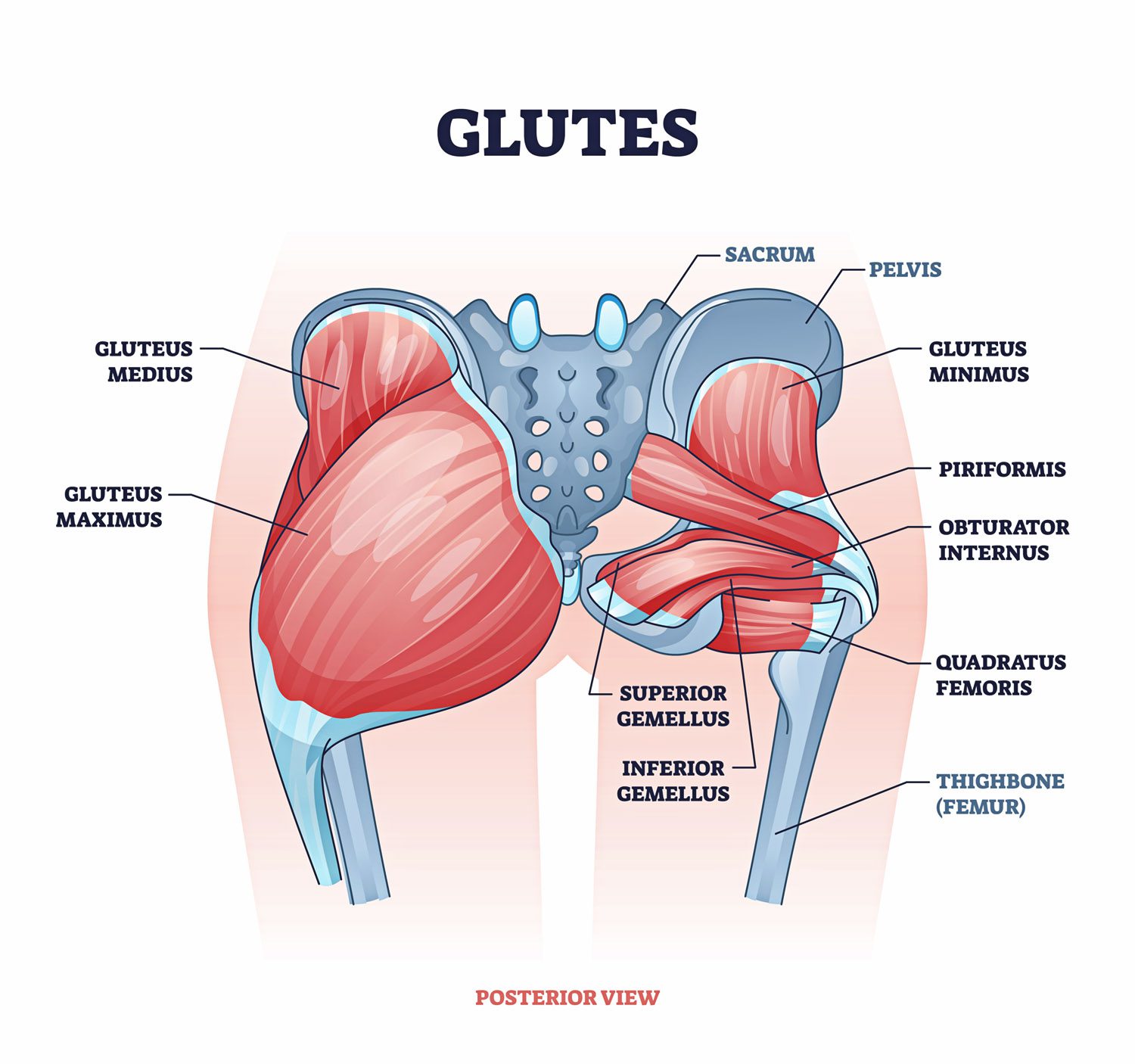
Your glutes, or buttocks muscles, also play a significant role. They help in extending your hips during the lunge.
- Quadriceps
- Glutes
Secondary Muscle Involvement
While the primary focus is on your legs, other muscles assist as well. Your hamstrings, located at the back of your thighs, are engaged.
Calf muscles also help in stabilizing your body during the movement. Additionally, your core muscles work to maintain balance.
- Hamstrings
- Calf muscles
- Core muscles
Benefits For Lower Body Strength
Dumbbell lunges are a great exercise for building strength in your legs and hips. They use your body weight and added weights to work many muscles.
This exercise helps improve balance and stability while making your lower body stronger and more powerful.
Building Leg Power
Dumbbell lunges target your quads, hamstrings, and calves. These muscles are important for strong legs.
By stepping forward and pushing back, you build strength and power that help in running, jumping, and daily activities.
- Improves muscle strength in thighs and calves
- Increases endurance for leg muscles
- Helps in better movement and agility
Enhancing Glute Activation
The glute muscles are the main muscles in your buttocks. Dumbbell lunges activate these muscles strongly.
Stronger glutes improve posture and help prevent injuries in the hips and lower back.
- Targets gluteus maximus and medius
- Supports hip stability and movement
- Improves balance by strengthening hips
Core Engagement And Stability
Dumbbell lunges are a great exercise to work your core. They help your body stay stable and balanced.
Using dumbbells adds weight, which makes your core muscles work harder. This improves your overall stability.
Improving Balance
Dumbbell lunges challenge your balance by making you control your body in motion. This helps your core keep you steady.
The movement forces your muscles to adjust and stabilize as you step forward or backward. This trains your body to stay balanced.
- Activates small stabilizer muscles
- Enhances body control during movement
- Reduces risk of falls and injuries
Strengthening Core Muscles
Holding dumbbells while lunging makes your core muscles work harder to support your spine. This builds strength in your abs and lower back.
Strong core muscles help improve posture and power for other exercises or daily activities.
- Engages abdominal muscles deeply
- Strengthens lower back for better support
- Improves muscle endurance over time
How Dumbbell Lunges Tone Your Body
Dumbbell lunges are a simple exercise that helps shape your body. They work many muscles at once.
Adding dumbbells increases the challenge. This helps your muscles grow and your body get leaner.
Muscle Definition
Dumbbell lunges target your legs, hips, and core muscles. They help build strength and shape.
Using dumbbells adds resistance. This makes your muscles work harder and become more defined.
- Works quadriceps and hamstrings
- Strengthens glutes and calves
- Engages core for balance
- Improves muscle tone and shape
Fat Burning Effects
Dumbbell lunges increase your heart rate and burn calories. This helps reduce body fat.
They combine strength and cardio. This boosts your metabolism for longer fat burning.
- Burns calories during exercise
- Builds muscle to increase metabolism
- Improves endurance for longer workouts
- Helps slim and tone your legs
Variations To Maximize Results
Dumbbell lunges target many muscles in your legs and glutes. Changing the lunge style works different muscles more.
Try different lunge variations to keep your workouts fresh and get better results.
Forward And Reverse Lunges
Forward lunges focus on your quads and glutes. Step ahead and push back to stand.
Reverse lunges work the same muscles but reduce stress on your knees. Step backward and return to start.
- Forward lunges increase balance and strength
- Reverse lunges help with knee stability
- Hold dumbbells at your sides for extra resistance
Walking Lunges
Walking lunges add movement and challenge your balance. Step forward continuously instead of returning to start.
This variation boosts coordination and endurance. It also works your hips and calves more.
- Take long steps to engage glutes deeply
- Keep your torso upright
- Hold dumbbells for added difficulty
Side Lunges
Side lunges target your inner and outer thighs. Step to the side and bend your knee while keeping the other leg straight.
This move improves hip flexibility and works muscles often missed by forward lunges.
- Keep your chest up and back straight
- Push back to the center after each side lunge
- Use dumbbells to increase resistance

Credit: www.youtube.com
Proper Form And Technique
Dumbbell lunges are a great exercise for strengthening your legs and glutes. Using proper form helps you avoid injury and get the best results.
Good technique keeps your muscles working correctly. It also helps you balance while holding dumbbells.
Correct Posture
Stand tall with your chest up and shoulders back. Keep your core tight to support your spine.
Step forward with one leg and lower your hips until both knees bend at about 90 degrees. The back knee should hover just above the floor.
- Keep your front knee over your ankle, not past your toes
- Hold dumbbells at your sides with arms straight
- Keep your weight on your front heel when lunging
- Maintain a straight back throughout the movement
Common Mistakes To Avoid
Many people make errors that reduce the exercise’s effectiveness. These mistakes can also cause pain or injury.
- Letting the front knee go past the toes
- Leaning forward or rounding your back
- Not keeping the core engaged
- Using too heavy dumbbells that affect balance
- Taking too short or too long steps
Focus on slow and controlled movements. This helps you keep form and protects your joints.
Integrating Dumbbell Lunges Into Workouts
Dumbbell lunges help build leg strength and balance. They work your quads, hamstrings, glutes, and core muscles.
You can add dumbbell lunges to many workout routines. They fit well with strength training and cardio exercises.
Sample Workout Routines
Try dumbbell lunges in a full-body workout. Use them with squats, push-ups, and planks for balance.
- Warm-up with 5 minutes of light cardio
- 3 sets of 12 dumbbell lunges per leg
- 3 sets of 15 bodyweight squats
- 3 sets of 10 push-ups
- 3 sets of 30-second planks
- Finish with stretching
You can also include dumbbell lunges in leg-focused days. Combine with deadlifts and calf raises.
- 4 sets of 10 dumbbell lunges per leg
- 4 sets of 12 deadlifts
- 3 sets of 15 calf raises
- Stretch legs after workout
Frequency And Progression Tips
Do dumbbell lunges two to three times a week. Allow rest days for muscle recovery.
Start with light weights. Increase weight or reps as you get stronger.
- Begin with 8-12 reps per leg
- Use dumbbells you can lift with good form
- Increase dumbbell weight every 1-2 weeks
- Add more sets or reps to challenge yourself
- Focus on steady, controlled movements
Credit: www.trainheroic.com
Frequently Asked Questions
What Muscles Do Dumbbell Lunges Primarily Target?
Dumbbell lunges mainly work the quadriceps, hamstrings, and glutes. They also engage the calves and core for balance and stability. This makes them effective for strengthening and toning lower body muscles.
How Do Dumbbell Lunges Improve Balance And Coordination?
Holding dumbbells while lunging challenges your core and leg muscles to stabilize. This enhances balance and coordination by forcing your body to maintain control through movement. Over time, this leads to better overall stability.
Can Dumbbell Lunges Help With Weight Loss?
Yes, dumbbell lunges burn calories and build muscle simultaneously. Increased muscle mass boosts metabolism, aiding fat loss. When combined with a healthy diet, lunges contribute to effective weight management.
Are Dumbbell Lunges Good For Improving Athletic Performance?
Dumbbell lunges improve leg strength, power, and endurance. These benefits enhance running, jumping, and agility. Athletes use lunges to boost lower body performance and reduce injury risk.
Conclusion
Dumbbell lunges target many muscles in your legs and hips. They help build strength and improve balance. Your glutes, quads, and hamstrings get stronger with each step. This exercise also engages your core for stability. You can do lunges almost anywhere with just dumbbells.
Try adding them to your workout routine for better fitness. Small steps lead to big results. Keep moving forward.


