

Are you confused about when to take whey protein to get the best results? Should it be before your workout to boost energy, or after to help muscles recover faster?
Making the right choice can change how your body responds to exercise and speed up your progress. You’ll discover the key benefits of taking whey protein at different times and find out what works best for your goals. Keep reading to unlock the secret to maximizing your workout gains!
Benefits Of Whey Protein
Whey protein is a popular supplement for fitness enthusiasts. It helps the body in many ways, especially around workouts.
Understanding when to take whey protein can maximize its benefits. Let’s explore its advantages.
Muscle Growth And Repair
Whey protein supports muscle growth. It provides essential amino acids needed for building muscles.
Taking whey protein after workouts helps repair muscle tissues. This leads to stronger and bigger muscles.
- Contains branched-chain amino acids (BCAAs)
- Supports protein synthesis in muscles
- Helps prevent muscle breakdown
Enhanced Recovery
Whey protein aids recovery after intense workouts. It reduces muscle soreness and speeds up healing.
Consuming whey protein post-workout replenishes lost nutrients. This helps athletes get back to training faster.
- Reduces exercise-induced muscle damage
- Improves overall recovery time
- Supports immune function
Convenient Nutrition Source
Whey protein is easy to prepare and consume. It’s a quick source of nutrition for busy individuals.
It can be mixed with water or milk. This makes it a versatile option for meals or snacks.
- Quick to digest and absorb
- Portable and easy to carry
- Available in various flavors
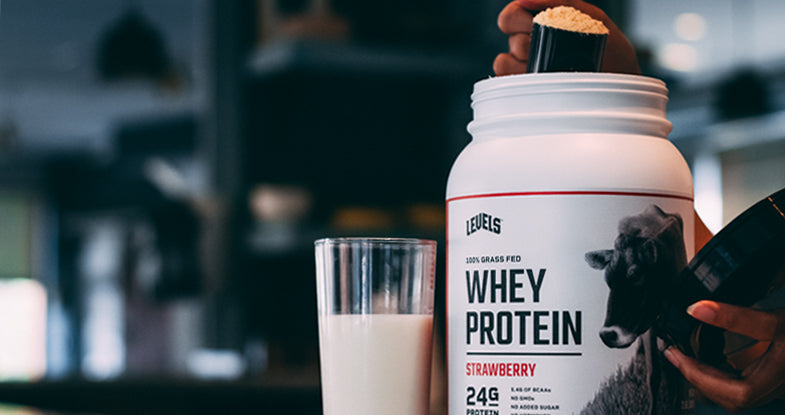
Credit: levelsprotein.com
Timing Options For Whey Protein
Whey protein is a popular supplement for many people who exercise. Knowing when to take it can help you get better results.
This guide looks at two common timing choices: before and after your workout.
Taking Whey Protein Before Workout
Taking whey protein before a workout can give your muscles fuel. It may help reduce muscle breakdown during exercise.
Eating protein about 30 to 60 minutes before exercise is often recommended. This timing helps your body use the protein while you work out.
- Provides amino acids for muscle energy
- Supports muscle strength during training
- May improve workout performance
Taking Whey Protein After Workout
After exercise, your muscles need to repair and grow. Whey protein after a workout gives your body the nutrients it needs.
Many experts suggest taking whey protein within 30 minutes after training. This helps muscles recover faster and build strength.
- Helps repair muscle fibers
- Supports muscle growth and recovery
- Replenishes protein lost during exercise
Advantages Of Pre-workout Whey
Taking whey protein before a workout can help your body in many ways. It supplies important nutrients that prepare your muscles for exercise.
Pre-workout whey supports energy, muscle health, and overall workout quality. It can help you train better and recover faster.
Increased Energy Levels
Whey protein provides amino acids that your body uses for energy. This helps you feel more active during workouts.
Having enough energy lets you exercise longer and with more strength. This can improve your workout results.
Reduced Muscle Breakdown
Pre-workout whey supplies protein that protects muscles from damage. It reduces the breakdown of muscle tissue during exercise.
This helps you keep more muscle mass and lowers soreness after training. Your muscles stay stronger and recover faster.
Improved Performance
Whey protein supports muscle repair and growth. This helps your muscles work better during workouts.
Better muscle function leads to higher strength and endurance. You can lift heavier and train harder with pre-workout whey.
Advantages Of Post-workout Whey
Whey protein is a popular choice after workouts. It helps your body recover and grow stronger.
Taking whey protein after exercise supports muscles and improves your fitness results.
Optimized Muscle Protein Synthesis
Muscle protein synthesis is the process of building new muscle. Whey protein after exercise boosts this process.
It supplies essential amino acids that muscles need to repair and grow. This helps increase muscle size and strength.
Faster Muscle Recovery
After exercise, muscles get tired and damaged. Whey protein helps repair muscle fibers quickly.
Fast recovery means less soreness and more energy for your next workout.
Replenishing Nutrient Stores
Exercise uses up important nutrients like amino acids and energy. Whey protein helps refill these stores.
Restoring nutrients supports overall health and keeps your body ready for future workouts.
Factors Influencing Whey Protein Timing
Whey protein is popular for muscle support. Knowing when to take it helps you get the best results.
Timing depends on many things like your workout, goals, and diet. Let’s explore these factors.
Workout Intensity And Duration
How hard and long you exercise changes when to take whey protein. Intense workouts need more recovery.
Long workouts use more energy and break down muscle more. Protein after helps repair muscles faster.
- High intensity or long sessions benefit from protein after workout.
- Light workouts may not need strict timing.
- Protein before workout can give energy if taken 30 minutes prior.
Personal Fitness Goals
Your goals decide whey protein timing. Different aims need different approaches.
If you want to build muscle, protein after workout supports growth. For weight loss, timing is less critical.
- Muscle gain: Protein after workout helps muscle repair and growth.
- Weight loss: Focus on total protein intake, timing is flexible.
- Endurance: Protein before and after can support energy and recovery.
Dietary Habits
Your daily eating habits affect when to take whey protein. Protein timing depends on your meal schedule.
If you eat protein-rich meals, timing whey protein is less important. If meals lack protein, timing matters more.
- Eat balanced meals with protein throughout the day.
- If meals are low in protein, take whey soon after workout.
- Taking whey protein before workout helps if last meal was hours ago.
Combining Whey Protein With Other Nutrients
Whey protein is popular for building muscles and recovery. Eating it with other nutrients can help your workout results.
Knowing which nutrients to combine with whey protein can improve your energy and repair. Let’s look at the key nutrients.
Carbohydrates For Energy
Carbohydrates give your body energy during exercise. They help keep your muscles fueled and stop you from feeling tired fast.
Eating carbs with whey protein after a workout helps refill your energy stores. This supports better muscle recovery and growth.
- Eat simple carbs like fruit or white rice
- Combine with whey protein after workouts
- Carbs help your body use protein better
Fats And Their Role
Fats provide long-lasting energy and help absorb vitamins. They also support your hormones for muscle growth.
Small amounts of healthy fats with whey protein can slow digestion. This helps your body absorb nutrients for a longer time.
- Choose fats from nuts, seeds, or olive oil
- Avoid too much fat right before workouts
- Fats help keep you full after eating
Hydration Importance
Water is key for all body functions during exercise. Staying hydrated helps your muscles work and recover well.
Drinking water with whey protein supports digestion and nutrient transport. It also helps prevent cramps and fatigue.
- Drink water before, during, and after workouts
- Include fluids when taking whey protein shakes
- Hydration aids muscle repair and growth
Common Myths About Whey Protein Timing
Many people wonder if they should take whey protein before or after their workout. There are many ideas about the best time to take it. Some of these ideas are not true.
This article looks at common myths about whey protein timing. It helps you understand what really matters.
Protein Timing Windows
Some believe there is a small window before or after exercise to take whey protein. They say missing this window lowers muscle growth. This idea is called the “anabolic window.”
Research shows total daily protein matters more than exact timing. Your muscles use protein over hours, not just minutes. Eating enough protein each day helps muscle repair and growth.
- Protein intake spread throughout the day is effective
- Exact timing before or after workouts is less critical
- Focus on total protein rather than a narrow time frame
Overconsumption Concerns
Some people think taking a lot of whey protein at once improves muscle gains. But the body can only use a certain amount at a time. Extra protein may be stored as fat or used for energy.
Eating too much protein can strain your kidneys over time. It is better to spread protein intake over meals. Balance is important for health and muscle building.
- Limit protein to about 20-30 grams per meal
- Spread protein intake across the day
- Avoid very large single doses of whey protein
Whey Protein And Weight Gain
Some believe whey protein always causes weight gain. This is not true. Weight gain happens if you eat more calories than you burn. Protein itself does not cause fat gain.
Whey protein can help with muscle growth and recovery. It can also keep you full. This may help control hunger and support weight management.
- Protein adds calories like any food
- Extra calories lead to weight gain
- Use whey protein to meet protein needs, not for extra calories
Credit: warriorfitnessma.com
Practical Tips For Whey Protein Use
Whey protein is a popular supplement for building muscle and recovery. Knowing when and how to take it can improve your results.
This guide helps you decide if you should take whey protein before or after your workout. It also covers practical tips for using whey protein effectively.
Choosing Quality Whey Products
Pick whey protein from trusted brands with clear labels. Look for products with minimal additives and fillers.
Check the ingredient list for high protein content and low sugar. Choose whey concentrate or isolate based on your needs.
- Whey concentrate: good for general use and budget-friendly
- Whey isolate: higher protein and less fat, ideal for strict diets
- Avoid products with artificial sweeteners or colors
How Much To Take
Most people need 20 to 30 grams of whey protein per serving. This amount supports muscle repair and growth after exercise.
Adjust the amount based on your body weight and daily protein needs. Spread your protein intake throughout the day for best results.
- Use 0.25 to 0.3 grams of protein per kilogram of body weight per serving
- Consume protein every 3 to 4 hours
- Include protein from food as well as supplements
Mixing And Consumption Methods
Mix whey protein with water, milk, or a milk alternative. Use a blender or shaker bottle to avoid lumps.
Drink whey protein soon after mixing for the best taste. You can add it to smoothies or oatmeal for extra nutrition.
- Use about 200-300 ml of liquid per scoop of protein
- Blend with fruits or vegetables for flavor and nutrients
- Drink within 30 minutes after workouts for fast absorption
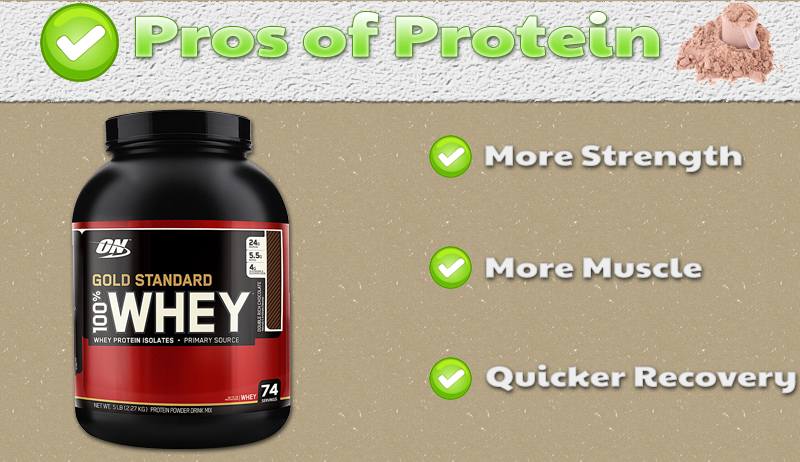
Credit: medium.com
Frequently Asked Questions
Should I Take Whey Protein Before Or After Workout?
Whey protein is best taken after workouts to aid muscle recovery. Consuming it post-exercise helps repair muscles and promotes growth efficiently.
How Soon After Workout Should I Consume Whey Protein?
Consume whey protein within 30 to 60 minutes after your workout. This timing maximizes muscle repair and supports faster recovery.
Can Whey Protein Boost Workout Performance If Taken Before?
Taking whey protein before exercise can provide amino acids but has limited impact. Post-workout intake is more effective for muscle building.
Is It Okay To Take Whey Protein On Rest Days?
Yes, whey protein on rest days supports muscle maintenance and repair. It helps sustain muscle mass even without exercise.
Conclusion
Choosing the right time to take whey protein depends on your goals. Taking it before a workout can give you energy and support muscles. Taking it after helps with muscle repair and growth. Both times have benefits. Try what feels best for your body and routine.
Remember to keep a balanced diet and stay hydrated. Consistency matters more than timing alone. Listen to your body’s needs. This way, you support your fitness journey in a simple and effective way.


