
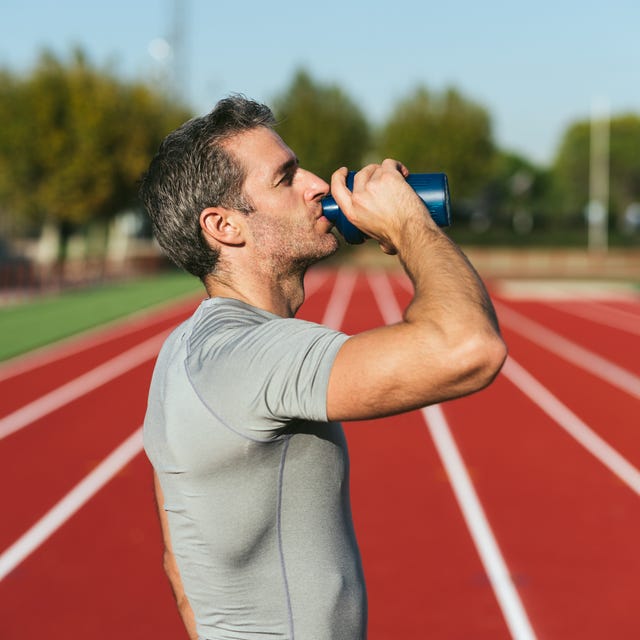
Are you wondering if drinking electrolytes during your workout can boost your performance? You’ve probably heard about these special drinks, but do they really make a difference?
Whether you’re hitting the gym, running, or doing any intense exercise, staying hydrated is key. But is water enough, or should you add electrolytes to your routine? Keep reading to discover what electrolytes do, when you might need them, and how they can affect your energy and recovery.
By the end, you’ll know exactly what to drink to power through your workouts like a pro.
Why Electrolytes Matter
Electrolytes are minerals that carry an electric charge. They help keep your body working well during exercise.
Drinking fluids with electrolytes can support your workout and help you stay healthy.
Role In Hydration
Electrolytes help balance fluids in your body. They control how much water stays inside and outside cells.
This balance keeps you hydrated and prevents dehydration during workouts.
- Sodium keeps water in your bloodstream
- Potassium helps move water into cells
- Chloride supports fluid balance
Impact On Muscle Function
Electrolytes help muscles work properly. They send signals that tell muscles to contract and relax.
If electrolyte levels drop, muscles can cramp or feel weak during exercise.
- Calcium triggers muscle contraction
- Magnesium helps muscles relax
- Sodium and potassium create electrical signals
Electrolyte Imbalance Risks
Too few or too many electrolytes can cause problems. Imbalance can happen from heavy sweating or not drinking enough fluids.
Symptoms include dizziness, muscle cramps, and irregular heartbeat. It is important to replace lost electrolytes during long workouts.
- Low sodium may cause nausea and confusion
- High potassium can affect heart rhythm
- Imbalance can reduce workout performance

Credit: solti.com
When To Drink Electrolytes
Electrolytes are minerals that help your body stay balanced during exercise. They keep your muscles working and stop cramps.
Knowing when to drink electrolytes can help you perform better and avoid dehydration. It depends on the type and length of your workout.
During High-intensity Workouts
High-intensity workouts make you sweat a lot and lose many electrolytes. Drinking electrolytes during these workouts helps keep your energy up.
Electrolyte drinks can prevent muscle cramps and keep your body balanced when you push hard.
For Long-duration Exercise
Exercises that last more than one hour cause steady loss of fluids and electrolytes. Drinking electrolytes during long workouts keeps you hydrated.
It helps maintain strength and focus, so you can keep going without feeling weak or dizzy.
In Hot And Humid Conditions
Hot and humid weather makes you sweat more than usual. This causes faster loss of electrolytes and water.
Drinking electrolytes during exercise in these conditions helps replace what you lose and prevents heat-related problems.
- Drink early and often to avoid dehydration
- Choose drinks with sodium, potassium, and magnesium
- Listen to your body’s thirst and energy levels
Types Of Electrolyte Drinks
Electrolyte drinks help replace minerals lost during exercise. They keep your body hydrated and working well.
There are different types of electrolyte drinks. Each type has its own benefits and uses.
Sports Drinks
Sports drinks are made to replace fluids and minerals quickly. They often contain sodium, potassium, and sugar.
These drinks help keep energy levels up during long or intense workouts. They are easy to find in stores.
- Contain electrolytes like sodium and potassium
- Include sugars for quick energy
- Often flavored for taste
- Designed for athletic use
Natural Alternatives
Natural alternatives use whole foods to provide electrolytes. They have less sugar and no artificial ingredients.
Examples include coconut water, fruit juices, and herbal teas. These drinks offer hydration with natural minerals.
- Coconut water is rich in potassium and magnesium
- Fruit juices provide vitamins and natural sugars
- Herbal teas can add minerals without caffeine
Homemade Electrolyte Solutions
You can make electrolyte drinks at home with simple ingredients. This way, you control the content and taste.
Common homemade solutions include water, salt, and natural sweeteners. They are easy to prepare and customize.
- Mix water with a pinch of salt for sodium
- Add lemon or lime juice for flavor and potassium
- Use honey or maple syrup for natural sweetness
- Adjust ingredients to suit your taste and needs
How Electrolytes Boost Performance
Electrolytes are minerals that carry an electric charge. They help your body work well during exercise.
Drinking electrolytes during workouts can keep your body balanced and support better performance.
Maintaining Energy Levels
Electrolytes help your muscles use energy properly. They keep your cells charged and ready to work.
When you sweat, you lose electrolytes, which can cause tiredness. Replacing them keeps your energy up.
Reducing Muscle Cramps
Muscle cramps happen when electrolytes like sodium and potassium are low. Drinking electrolytes helps stop cramps.
Electrolytes help muscles relax and contract normally. This reduces pain and keeps you moving.
- Sodium controls fluid balance in muscles
- Potassium supports muscle contractions
- Magnesium helps muscle relaxation
Enhancing Endurance
Electrolytes keep your body hydrated longer. Good hydration improves how long you can exercise.
They also help your heart and nerves work well. This supports steady performance during long workouts.
Potential Downsides
Drinking electrolytes during a workout can help keep your body balanced. But it is not always perfect for everyone. Some people might face problems if they drink too much or at the wrong time.
It is important to know the possible downsides before you start using electrolyte drinks. This can help you make better choices for your health and workout.
Overconsumption Risks
Drinking too many electrolytes can cause problems. Your body needs a balance, and too much salt or minerals can harm it. This can lead to issues like high blood pressure or stomach pain.
It is easy to drink more electrolytes than your body needs if you are not careful. Always follow the recommended amounts and listen to your body’s signals.
- Excess sodium can raise blood pressure
- Too much potassium may cause heart problems
- Overload can lead to dehydration instead of hydration
Sugar And Calorie Content
Many electrolyte drinks contain added sugar. This can add extra calories to your diet. Drinking them often may lead to unwanted weight gain.
High sugar content can also cause energy spikes and crashes. It is better to check the label and choose low-sugar options if possible.
- Check for sugar amount on the label
- Choose drinks with fewer calories
- Consider natural electrolyte sources like fruits and water
When Electrolytes Aren’t Needed
Not everyone needs electrolyte drinks during every workout. If your exercise is short or light, plain water is usually enough. Your body can keep balance without extra minerals.
Using electrolyte drinks when you do not need them can cause an imbalance. It is best to save them for long or intense sessions, especially in hot weather.
- Short workouts usually do not require extra electrolytes
- Heavy sweating may increase electrolyte needs
- Listen to your body’s thirst and energy levels

Credit: www.bonappetit.com
Tips For Effective Hydration
Staying hydrated during exercise helps your body perform well. Drinking enough fluids keeps you energized and prevents cramps.
Electrolytes play an important role in hydration. They help keep your body’s fluids balanced and muscles working properly.
Balancing Water And Electrolytes
Water is the main drink for hydration. But when you sweat a lot, you lose electrolytes like sodium and potassium.
Drinking only water during long or hard workouts can cause low electrolyte levels. This may lead to tired muscles or cramps.
- Drink water regularly to stay hydrated.
- Use electrolyte drinks if you sweat heavily or exercise over an hour.
- Balance fluids with foods high in electrolytes like bananas or nuts.
Listening To Your Body
Your body sends signals when it needs fluids or electrolytes. Pay attention to thirst and muscle feelings.
Signs like dry mouth, headache, or muscle cramps mean you should drink more fluids or electrolytes.
- Drink when you feel thirsty.
- Stop if you feel bloated or sick.
- Adjust your intake if you notice tired muscles or dizziness.
Customizing Intake Based On Activity
Different workouts need different hydration plans. Short exercises need less electrolyte drinks than long ones.
Hot weather or high intensity increases sweat and electrolyte loss. Adjust your drinks to match your activity.
- For light workouts under 60 minutes, water is usually enough.
- For exercise over 60 minutes, use drinks with electrolytes.
- In hot or humid weather, increase both water and electrolyte intake.

Credit: simpleendurance.medium.com
Frequently Asked Questions
Should I Drink Electrolytes During Every Workout?
Drinking electrolytes during intense or long workouts helps maintain hydration and balance minerals. For short or low-intensity exercise, water usually suffices.
What Are The Benefits Of Electrolytes While Exercising?
Electrolytes prevent dehydration, muscle cramps, and fatigue. They help regulate nerve and muscle function, improving workout performance and recovery.
Can Electrolytes Improve Workout Endurance?
Yes, electrolytes support fluid balance and energy levels. This can enhance stamina and delay fatigue during prolonged physical activity.
How Do I Know If I Need Electrolyte Drinks?
If you sweat heavily, exercise over an hour, or feel cramps, electrolyte drinks can help replenish lost minerals effectively.
Conclusion
Drinking electrolytes during workouts helps keep your body balanced. They replace salts lost through sweat. This can prevent cramps and tiredness. Not all workouts need electrolytes though. For short or easy exercises, water often works fine. But long or intense workouts call for extra minerals.
Listen to your body’s needs. Stay hydrated and feel your best while exercising.


