
Are you curious about what’s really inside your whey protein shake? You might have heard the term “ultra processed” and wondered if it applies to the protein powder you rely on.
Understanding whether whey protein is ultra processed can change how you see your daily nutrition and impact your health choices. You’ll discover the truth behind the processing of whey protein, why it matters for your body, and how to choose the best option for your fitness goals.
Keep reading—your muscles and overall well-being will thank you.
Credit: www.progressivenutritional.com
What Is Whey Protein
Whey protein is a popular dietary supplement. It is derived from milk during the cheese-making process. Many people use it to build muscle and recover from workouts.
Whey protein contains essential amino acids. These are important for muscle growth and repair. It is easy to digest and quickly absorbed by the body.
Sources Of Whey Protein
Whey protein comes from dairy products. It is a byproduct of cheese production. Here are some sources of whey protein:
- Cheese production
- Milk
- Yogurt
Types Of Whey Protein
There are different types of whey protein. Each type has unique properties and benefits. Here are the main types:
- Whey Protein Concentrate: Contains some fat and carbohydrates.
- Whey Protein Isolate: Has most fat and carbohydrates removed.
- Whey Protein Hydrolysate: Pre-digested for faster absorption.
Processing Steps Of Whey Protein
Whey protein is a popular supplement made from milk. It goes through several steps to become the powder we use.
These steps change the whey from liquid to a form that is easy to store and consume.
Extraction Methods
Whey protein starts as a liquid byproduct of cheese making. This liquid contains many nutrients.
Different methods separate the protein from the rest of the liquid parts.
- Acid precipitation: Adding acid to make protein clump and separate
- Enzymatic coagulation: Using enzymes to separate protein
- Ultrafiltration: Filtering out smaller parts while keeping protein
Filtration And Purification
After extraction, whey protein needs cleaning. Filtration removes fat, lactose, and minerals.
Different filters help get a purer protein powder by removing unwanted parts.
- Microfiltration: Removes fat and bacteria
- Ultrafiltration: Separates protein from lactose
- Diafiltration: Rinses and cleans protein further
Additives And Flavors
After purification, companies add flavors and other ingredients to improve taste and texture.
These additives can include sweeteners, thickeners, and sometimes vitamins or minerals.
- Natural and artificial flavors for taste
- Sweeteners like sucralose or stevia
- Thickeners to improve texture
- Vitamins and minerals for extra nutrition
Defining Ultra Processed Foods
Ultra processed foods are products made mostly from substances extracted from foods. They often have little or no whole food in them.
These foods usually contain additives like flavors, colors, and preservatives. They are designed to be tasty and last longer on shelves.
Characteristics Of Ultra Processed Foods
Ultra processed foods have many features that set them apart from natural foods. They are highly processed and often contain artificial ingredients.
These foods typically have a long list of ingredients. They often lack fiber and nutrients found in whole foods.
- Made from refined substances, not whole foods
- Contain artificial flavors, colors, and preservatives
- High in sugar, salt, and unhealthy fats
- Low in fiber and natural nutrients
- Designed for long shelf life and strong taste
Common Examples
Many common snacks and meals are ultra processed. They often come in packages or ready-to-eat forms.
- Sugary drinks and sodas
- Instant noodles and soups
- Packaged snacks like chips and cookies
- Frozen meals and fast food
- Processed meats like hot dogs and sausages
Is Whey Protein Ultra Processed
Whey protein is a popular supplement made from milk. People use it to help build muscle and recover after exercise.
Some wonder if whey protein is ultra processed. This means it would have many added chemicals and changes.
Comparison With Ultra Processed Criteria
Ultra processed foods have many ingredients like sugar, salt, fats, and artificial additives. They often go through many steps in factories.
Whey protein is made by separating protein from milk. It may have added flavors or sweeteners. But it usually does not have many artificial parts.
- Ultra processed foods contain additives for taste or shelf life
- Whey protein powders may include natural flavors and sweeteners
- The base ingredient is milk protein, not artificial substances
- Whey protein goes through filtering, not heavy chemical processing
Impact Of Processing On Nutritional Value
Processing whey protein removes most fat and lactose. This makes it easier to digest and higher in protein.
Some nutrients may reduce during processing, but protein content stays high. Added flavors can add small amounts of sugar.
- Whey protein isolates have over 90% protein
- Processing lowers fat and carbs
- Minimal loss of essential amino acids
- Added sweeteners may increase calories slightly
Health Implications Of Whey Protein
Whey protein is a popular supplement for many people. It comes from milk and is used to help with muscle growth and recovery.
Some whey protein products are highly processed. This can affect how the body absorbs and uses the protein.
Benefits For Muscle And Recovery
Whey protein helps repair muscles after exercise. It contains all essential amino acids needed for muscle growth.
It is easy to digest and works quickly in the body. Many athletes use it to improve recovery time and build strength.
- Supports muscle repair and growth
- Provides quick protein absorption
- Contains essential amino acids
Potential Concerns And Risks
Some whey proteins are ultra processed. This means they have added ingredients and go through many steps to make them.
Ultra processing can reduce some nutrients and add artificial flavors or sweeteners. This may cause digestive issues for some people.
- May contain artificial additives
- Could cause stomach discomfort
- Less natural nutrients in some products

Credit: allmaxnutrition.com
Choosing Quality Whey Protein
Whey protein is popular for building muscle and staying healthy. Not all whey proteins are the same in quality.
Some whey proteins are ultra processed, which may reduce their benefits. Knowing how to pick good whey protein is important.
Reading Labels Effectively
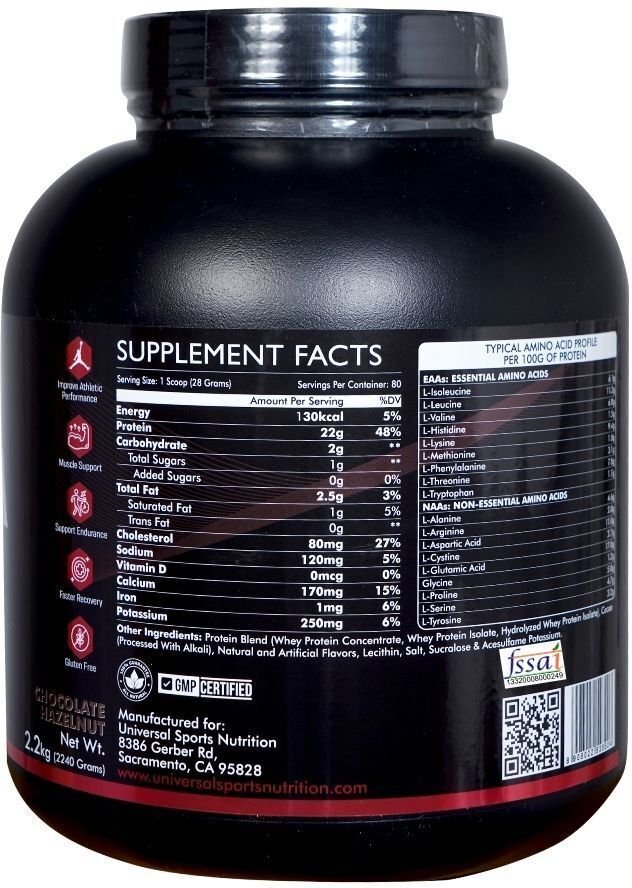
Labels show what is inside the whey protein package. Look for clear ingredient lists and avoid long chemical names.
Check the protein content per serving. More protein means better value and quality.
- Look for whey protein concentrate or isolate
- Avoid added sugars and artificial flavors
- Check for fillers like maltodextrin or soy
- Watch out for added preservatives or colors
Organic And Natural Options
Organic whey protein comes from cows not treated with hormones or antibiotics. It is less likely to be ultra processed.
Natural whey protein uses fewer artificial ingredients. These options often keep more nutrients intact.
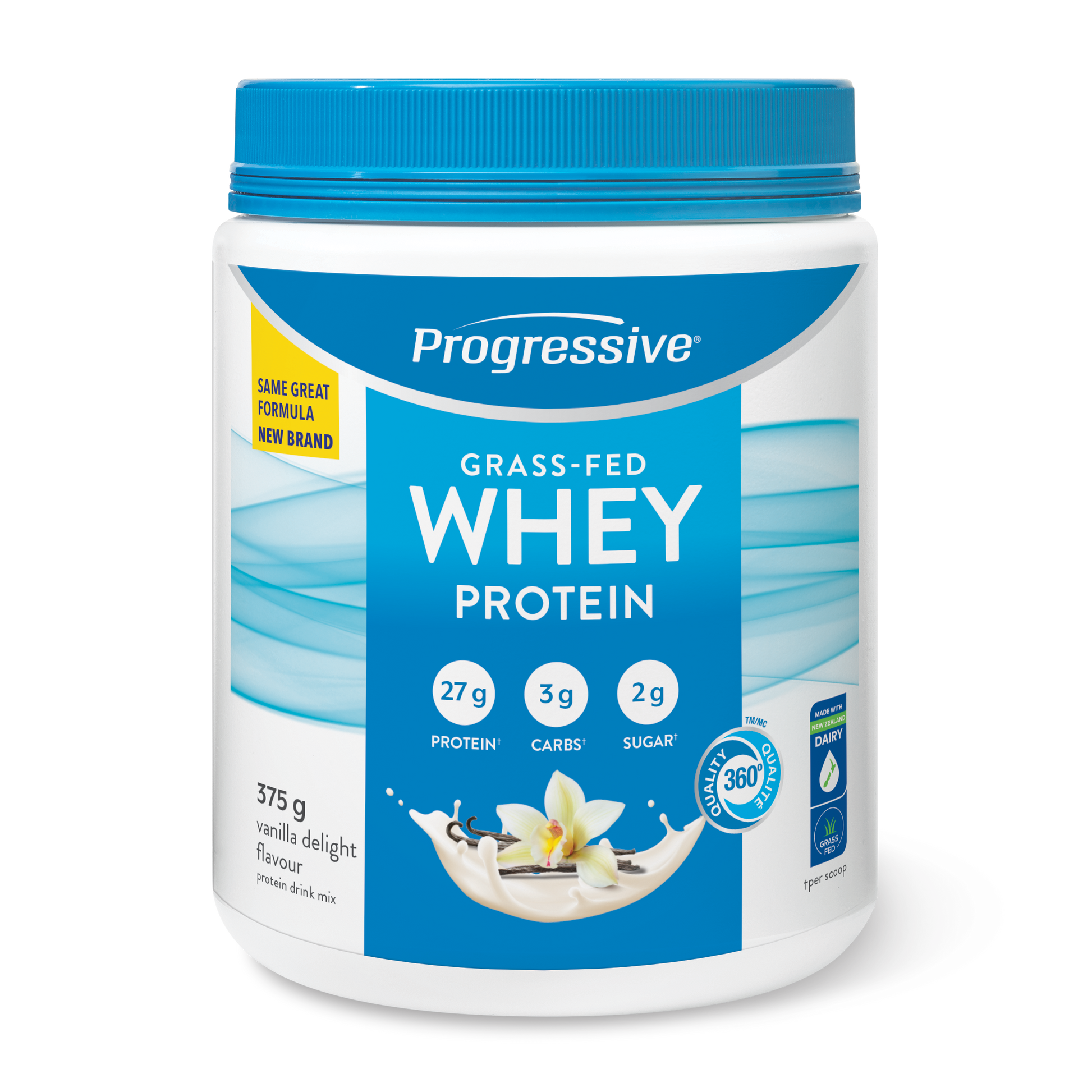
- Choose whey labeled “organic” or “grass-fed”
- Look for minimal ingredients
- Avoid whey with artificial sweeteners
- Natural options may cost more but offer better purity

Credit: allmaxnutrition.com
Frequently Asked Questions
Is Whey Protein Considered Ultra Processed Food?
Whey protein undergoes processing to extract protein from milk. While it involves processing steps, it is not typically classified as ultra processed. Ultra processed foods usually contain many additives, preservatives, and artificial ingredients, which standard whey protein lacks.
What Ingredients Make Whey Protein Ultra Processed?
Ultra processed whey protein may contain artificial sweeteners, flavors, colors, and preservatives. Pure whey protein isolates or concentrates have minimal additives and are less processed. Checking the ingredient list helps identify if a whey protein product is ultra processed.
How Does Processing Affect Whey Protein Quality?
Processing removes fats and lactose, concentrating protein content. Excessive processing might reduce some beneficial nutrients, but high-quality whey retains essential amino acids. Choosing minimally processed whey protein ensures better nutrient retention and fewer additives.
Can Ultra Processed Whey Protein Impact Health Negatively?
Consuming ultra processed whey protein with many additives may cause digestive issues or allergic reactions. Whole food sources and minimally processed proteins are generally healthier and better tolerated. Moderation and ingredient awareness are key to avoiding negative effects.
Conclusion
Whey protein often undergoes processing to improve quality and taste. Some steps may be considered ultra-processed depending on additives used. Choosing products with fewer additives can be healthier. Reading labels helps you understand what you consume. Remember, not all whey protein is the same.
Balance and moderation remain key in any diet. Making informed choices supports your fitness and health goals.


