

Are you wondering if whey protein powder is safe for your gluten-free diet? If you’ve been cautious about what you eat because of gluten sensitivity or celiac disease, this question is important for your health and peace of mind.
Choosing the right protein powder can feel confusing, especially with so many options claiming to be “gluten-free. ” you’ll discover the truth about whey protein powder and gluten. By the end, you’ll know exactly what to look for to keep your nutrition on track without risking your well-being.
Keep reading—you deserve to feel confident and strong in every scoop you take.
Whey Protein Basics
Whey protein is a popular supplement for fitness enthusiasts. It is derived from milk and is rich in protein.
People use it to support muscle growth and recovery. Many wonder if it is gluten-free.
What Is Whey Protein?
Whey protein is a byproduct of cheese making. It is separated from the milk during this process.
Once separated, it is processed into a powder. This powder is used in shakes and supplements.
Types Of Whey Protein
There are different types of whey protein. Each type has unique characteristics and uses.
- Whey Protein Concentrate: Contains some fat and lactose.
- Whey Protein Isolate: Has most fat and lactose removed.
- Whey Protein Hydrolysate: Predigested for faster absorption.

Credit: www.amazon.com
Gluten And Its Sources
Gluten is a protein found in some grains. It helps foods keep their shape.
People who avoid gluten must know which foods contain it. This helps keep them healthy.
Common Gluten-containing Foods
Gluten is in many foods made from wheat, barley, and rye. These grains are common in many diets.
- Bread and rolls
- Pasta and noodles
- Cereals and granola
- Cookies, cakes, and pastries
- Beer and malt beverages
- Some soups and sauces
- Crackers and snack foods
Gluten Sensitivity And Celiac Disease
Some people have problems after eating gluten. Their body reacts badly to it.
Celiac disease is a serious condition. Eating gluten harms the small intestine in these people.
- Gluten sensitivity causes stomach pain and tiredness.
- Celiac disease damages the gut and stops nutrient absorption.
- Both need a strict gluten-free diet for health.
Gluten In Whey Protein
Whey protein is a popular supplement for building muscle and staying healthy. Many people want to know if whey protein contains gluten. Gluten is a protein found in wheat, barley, and rye. It can cause problems for people with gluten intolerance or celiac disease.
This article looks at whether whey protein has gluten. It also discusses the risks of cross-contamination during production. This helps you choose safe products if you avoid gluten.
Is Pure Whey Protein Gluten Free?
Pure whey protein is made from milk, not grains. Milk does not naturally contain gluten. Therefore, pure whey protein powder is gluten free. This makes it safe for people who avoid gluten in their diet.
Always check the label to make sure the whey protein is pure. Some products mix whey with other ingredients. These added ingredients may have gluten.
Potential Cross-contamination Risks
Cross-contamination happens when gluten touches whey protein during processing. This can occur if the factory also handles gluten products. Even small amounts of gluten can cause reactions in sensitive people.
- Shared equipment may carry gluten dust or residue
- Packaging lines can mix gluten with whey protein
- Storage near gluten products increases contamination risk
- Labels may not always warn about cross-contact
Choose whey protein from brands that test for gluten. Look for products labeled “gluten free” to reduce risk. Contact the manufacturer if you have questions about contamination.
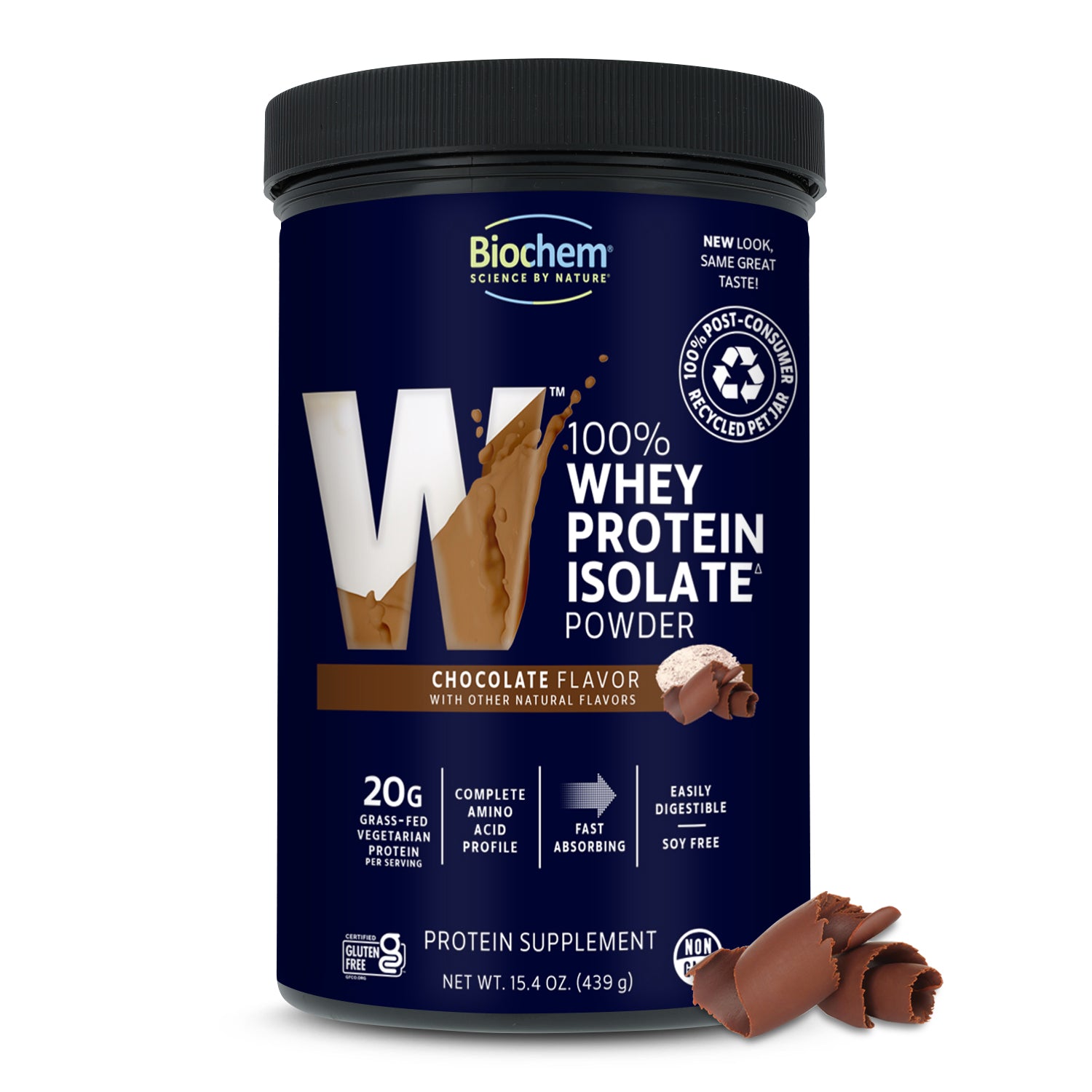
Credit: biochemprotein.com
Reading Labels For Gluten
Whey protein powder is popular for building muscle and improving health. People with gluten intolerance must check if it is gluten free.
Reading labels carefully helps avoid gluten. Some whey powders may contain gluten due to added ingredients or cross-contact.
Ingredients To Watch
Look for ingredients that might have gluten. Pure whey protein usually does not contain gluten, but added flavors and fillers might.
- Maltodextrin may contain gluten if made from wheat.
- Wheat starch or wheat flour can add gluten.
- Barley or rye extracts are sources of gluten.
- Modified food starch might come from wheat.
- Flavorings and additives might hide gluten.
Certification And Testing
Look for gluten-free certification on the label. Certification means the product meets strict gluten limits.
Some brands test whey protein powders for gluten. Testing reduces risk of contamination and protects sensitive consumers.
- Certified gluten-free seals from trusted organizations
- Third-party lab testing results
- Clear allergen statements on packaging
- Manufacturing practices to avoid cross-contact
Choosing The Right Whey Protein
Whey protein is a popular supplement for building muscle and recovering after workouts. People who avoid gluten need to be sure their whey protein is safe for them.
Not all whey protein powders are gluten-free. It is important to choose one that fits your dietary needs.
Gluten-free Brands To Consider
Many brands offer whey protein powders that are tested and labeled gluten-free. This helps avoid any gluten contamination.
- Look for products with a clear gluten-free label.
- Check if the brand tests for gluten in their products.
- Choose whey isolate, as it usually has less gluten than concentrate.
- Read customer reviews for feedback on gluten safety.
Tips For Safe Supplement Use
Using whey protein safely means avoiding gluten exposure and other risks. Follow these tips to stay safe.
- Always read the ingredient list before buying.
- Buy from trusted stores or directly from the brand.
- Store whey protein in a clean, dry place.
- Use a clean scoop to avoid cross-contamination.
- Consult your doctor if you have a severe gluten allergy.

Credit: www.walmart.com
Alternatives To Whey Protein
Whey protein is popular but not suitable for everyone. Some people need gluten-free options or prefer plant-based proteins.
This guide explores other protein powders that do not contain gluten and can fit different diets and needs.
Plant-based Protein Options
Plant proteins come from seeds, peas, rice, and other plants. They are naturally gluten-free and good for vegans.
These proteins provide essential amino acids and are easy to digest for many people.
- Pea protein: High in protein and easy to mix.
- Rice protein: Light taste and good for sensitive stomachs.
- Hemp protein: Contains healthy fats and fiber.
- Soy protein: Complete protein with all essential amino acids.
Other Gluten-free Protein Powders
Many protein powders use gluten-free sources. These options suit people with gluten intolerance or celiac disease.
These powders offer variety in taste and nutrition beyond whey.
- Egg white protein: High quality and gluten-free.
- Collagen protein: Supports skin and joint health.
- Pumpkin seed protein: Rich in minerals and antioxidants.
- Sunflower seed protein: Good for allergies and digestion.
Frequently Asked Questions
Is Whey Protein Powder Naturally Gluten Free?
Yes, whey protein powder is naturally gluten free. It is derived from milk, not grains. However, always check for cross-contamination risks on labels.
Can Whey Protein Contain Gluten Additives?
Some whey protein powders may contain gluten additives. Always read ingredient lists carefully to avoid gluten exposure if sensitive or celiac.
How To Find Gluten Free Whey Protein Brands?
Look for “gluten free” labels on whey protein packaging. Choose trusted brands that test products for gluten contamination to ensure safety.
Is Whey Protein Safe For People With Celiac Disease?
Pure whey protein is safe for celiac patients. Confirm no gluten cross-contamination and check third-party gluten-free certification before use.
Conclusion
Whey protein powder is often gluten free, but check labels carefully. Some brands add gluten during processing or flavoring. Choosing certified gluten-free whey ensures safety for those with gluten intolerance. Always read ingredient lists before buying or using any product.
This helps avoid unexpected gluten exposure. Staying informed supports better health and diet choices. Gluten sensitivity should not limit your protein options. Safe whey protein can fit well in many diets. Keep your body strong with the right products.


