
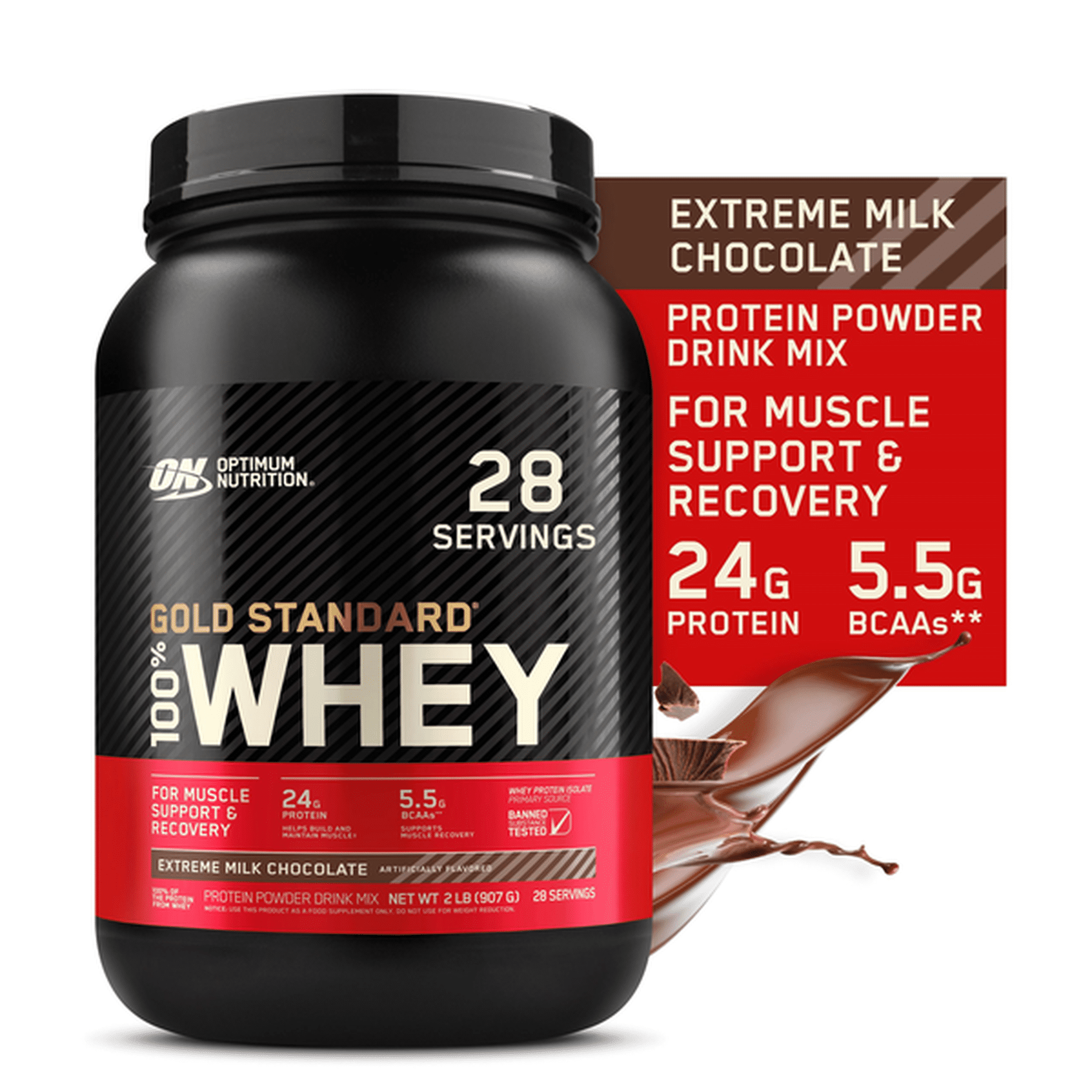
Are you curious about whether whey protein is the same as milk? You might have seen whey protein powders and wondered how they relate to the milk you drink every day.
Understanding this can help you make smarter choices for your health and fitness goals. You’ll discover what whey protein really is, how it’s made, and how it differs from regular milk. Keep reading to clear up the confusion and find out which option might be best for you.

Credit: www.amazon.ca
What Is Whey Protein
Whey protein is a popular dietary supplement. It is derived from milk during the cheese-making process.
It contains essential amino acids. These are necessary for muscle growth and repair.
Sources Of Whey Protein
Whey protein comes from milk. It is one of two proteins found in milk, the other being casein.
- Milk from cows is a primary source
- Whey is a byproduct of cheese production
- It is also found in some yogurts
How Whey Protein Is Made
Whey protein is separated during cheese making. Milk is curdled, and whey is the liquid left behind.
The liquid whey is then processed. It is filtered and dried to form whey protein powder.
| Step | Description |
| Curdling | Milk is curdled to separate whey |
| Filtering | Liquid whey is filtered |
| Drying | Whey is dried into powder form |
Whey Protein And Milk Connection
Whey protein and milk are closely linked. Many people use whey protein to add more protein to their diets.
This article explains how whey protein comes from milk. It also shows the differences between whey and milk.
Is Whey Protein Derived From Milk
Whey protein is made from milk. Milk contains two main proteins: casein and whey.
When milk is processed to make cheese, the liquid left behind is whey. This liquid is then dried to make whey protein powder.
Differences Between Whey And Milk
Milk is a natural drink that contains water, fat, sugar, and protein. Whey protein is a powder made from milk protein.
Whey protein has less fat and sugar than milk. It is used mainly to increase protein intake.
- Milk has casein and whey proteins, while whey protein is mostly whey only
- Milk contains lactose (milk sugar), whey protein has less lactose
- Milk has fat, whey protein powders often have low fat
- Whey protein is a concentrated source of protein
Health Benefits Of Whey Protein
Whey protein is a popular supplement made from milk. It contains many nutrients that help your body stay strong and healthy.
This protein is easy to digest and contains all the essential amino acids your body needs.
Muscle Growth And Recovery
Whey protein helps build and repair muscles after exercise. It provides the amino acids needed for muscle growth.
Consuming whey protein after a workout can reduce muscle soreness and speed up recovery time.
Weight Management
Whey protein helps you feel full for longer. This can reduce hunger and lower overall calorie intake.
It also supports lean muscle mass, which helps the body burn more calories even at rest.
Immune System Support
Whey protein contains important compounds that help strengthen the immune system. It supports the production of antibodies.
Regular intake of whey protein can help your body fight infections and stay healthy.

Credit: www.amazon.ca
Common Myths About Whey Protein
Whey protein is a popular supplement used by many people. It helps with muscle growth and recovery. Still, some myths confuse people about its effects and uses.
This article clears up three common myths about whey protein. Understanding the facts helps you decide if whey protein is right for you.
Whey Protein Causes Weight Gain
Many believe whey protein makes you gain weight quickly. This is not true by itself. Weight gain happens only if you eat more calories than you burn.
Whey protein helps build muscle, which can increase weight in a healthy way. It does not add fat unless you consume too many calories overall.
Whey Protein Is Only For Bodybuilders
Some think whey protein is just for bodybuilders or athletes. Anyone can use it to meet their daily protein needs. It is useful for older adults, people recovering from illness, and active individuals.
Protein supports muscle repair and helps keep the body strong. You do not need to be a bodybuilder to benefit from whey protein.
Whey Protein Is Harmful To Kidneys
Some worry that whey protein harms kidneys. This concern mainly applies to people with existing kidney problems. For healthy people, normal whey protein use is safe.
Drinking enough water and using whey protein in moderation helps protect kidney health. It is important to follow recommended serving sizes and talk to a doctor if you have kidney issues.
Choosing The Right Whey Protein
Whey protein is a popular supplement for many people. It helps build muscles and recover after exercise.
Choosing the right whey protein can be confusing. You need to know about different types and what to look for.
Types Of Whey Protein Supplements
There are three main types of whey protein supplements. Each type has a different process and benefits.
- Whey Protein Concentrate:Contains some fat and lactose. It has a good balance of protein and nutrients.
- Whey Protein Isolate:Has less fat and lactose. It has a higher protein content per serving.
- Whey Protein Hydrolysate:Pre-digested for faster absorption. It may cause less stomach discomfort.
Factors To Consider When Buying
Look at the protein amount per serving. Higher protein means better muscle support.
Check if the product has extra ingredients. Some have added sugars or fillers you may want to avoid.
- Protein content:Aim for at least 20 grams per serving.
- Purity:Choose products with fewer additives and fillers.
- Digestibility:Some types are easier on the stomach.
- Price:Find a product that fits your budget.
- Brand reputation:Buy from trusted sources for quality assurance.
Credit: ca.iherb.com
Frequently Asked Questions
Is Whey Protein Considered A Type Of Milk?
Whey protein is derived from milk but is not milk itself. It is the liquid portion separated during cheese production, rich in protein and low in fat.
Can Whey Protein Replace Drinking Milk Daily?
Whey protein can supplement your diet but should not fully replace milk. Milk provides additional nutrients like calcium and vitamins.
Does Whey Protein Contain Lactose Like Milk?
Whey protein contains minimal lactose, especially whey isolate. It is often suitable for people with mild lactose intolerance but not for severe cases.
How Does Whey Protein Differ Nutritionally From Milk?
Whey protein offers higher protein content with fewer fats and carbs. Milk contains a balanced mix of protein, fats, carbohydrates, vitamins, and minerals.
Conclusion
Whey protein comes from milk but is not the same as milk. It contains more protein and less fat. Many people use it to build muscle and recover faster. It is easy to digest and absorbs quickly in the body.
You can add whey protein to shakes or meals. Always check for allergies before using it. Knowing the difference helps you choose the right product. Stay informed and pick what fits your health goals best.


