
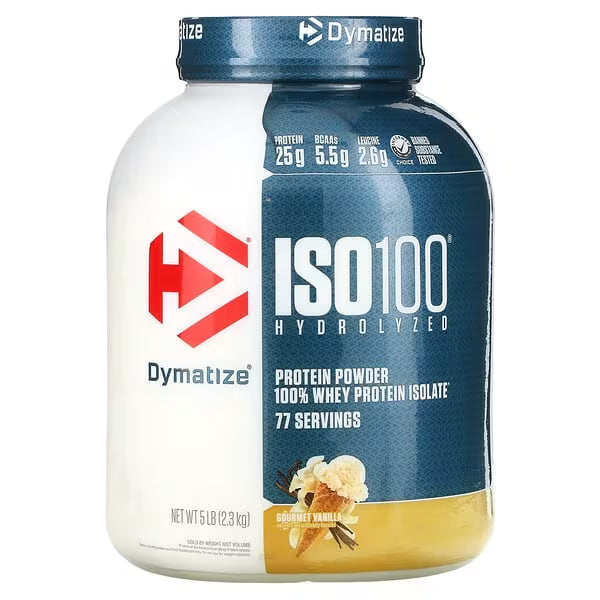
Are you wondering if whey protein fits into a dairy-free lifestyle? If you’re trying to avoid dairy but still want to boost your protein intake, this question is probably at the top of your mind.
Understanding what whey protein really is can help you make smart choices for your health and diet. Keep reading to find out if whey protein is truly dairy-free and what that means for your nutrition goals.
What Is Whey Protein
Whey protein is a popular supplement among athletes and fitness enthusiasts. It is derived from milk during the cheese-making process.
Whey is the liquid part that separates from curds. It is rich in protein and contains essential amino acids.
Sources Of Whey Protein
Whey protein primarily comes from cow’s milk. It is a byproduct of cheese production.
- Cow’s milk is the main source of whey protein
- Whey is extracted during cheese manufacturing
- Other dairy products may also contain whey
Types Of Whey Protein
There are different types of whey protein available. Each type has unique properties.
- Whey Protein Concentrate: Contains some fat and lactose
- Whey Protein Isolate: Mostly protein, minimal fat and lactose
- Whey Protein Hydrolysate: Predigested, easier to absorb
Whey Protein And Dairy Connection
Whey protein is a popular supplement for building muscle and staying healthy. Many people wonder if whey protein is dairy free. This depends on its source and how it is made.
Understanding the link between whey protein and dairy helps you make better choices. Let’s explore the connection in simple terms.
Whey As A Dairy Byproduct
Whey protein comes from milk, which makes it a dairy byproduct. Milk separates into two parts: curds and whey. The curds are used to make cheese.
The liquid left after making cheese is whey. This liquid contains proteins that are collected and dried to make whey protein powder.
Lactose Content In Whey
Lactose is the natural sugar found in milk. Since whey is from milk, it also contains lactose. The amount depends on the whey type.
Whey protein comes in three main forms. Each has a different lactose level:
- Whey Concentrate:Has more lactose and fat.
- Whey Isolate:Lower lactose, almost pure protein.
- Whey Hydrolysate:Broken down protein, low lactose.
Is Whey Protein Dairy Free
Whey protein is a popular supplement for building muscle and recovery. Many people ask if whey protein is dairy free.
This question is important for those who have lactose intolerance or dairy allergies. Let’s explore what whey protein contains.
Clarifying Dairy Free Claims
Whey protein comes from milk, which is a dairy product. It is made by separating whey from the curds during cheese production.
Because whey is a milk byproduct, it is not dairy free. People with dairy allergies should avoid it. Some with lactose intolerance may tolerate certain types better.
Whey Protein Isolate Vs Concentrate
There are two common types of whey protein: isolate and concentrate. They differ in how much lactose and fat they contain.
Whey protein isolate has more protein and less lactose and fat. Whey concentrate has more lactose and fat but is less processed.
- Whey Protein Isolate: 90%+ protein, low lactose, better for some lactose intolerant people
- Whey Protein Concentrate: 70-80% protein, higher lactose, may cause issues for sensitive individuals

Credit: biochemprotein.com
Who Should Avoid Whey Protein
Whey protein is a popular supplement made from milk. Some people should avoid it due to health reasons. Knowing who should skip whey protein helps keep you safe.
This section explains why people with certain conditions should not use whey protein.
Lactose Intolerance
Lactose intolerance means the body cannot digest lactose. Lactose is a sugar found in milk and whey protein.
People with lactose intolerance may feel sick after taking whey protein. Symptoms include stomach pain, gas, and diarrhea.
- Whey concentrate has more lactose and may cause symptoms.
- Whey isolate has less lactose but still may affect some people.
- Individuals should check labels and consider lactose-free options.
Milk Allergy
Milk allergy is different from lactose intolerance. It is an immune reaction to milk proteins, including whey.
People with milk allergy can have serious reactions. These include hives, swelling, or difficulty breathing.
- Whey protein contains milk proteins that trigger allergies.
- Those with milk allergy must avoid all whey protein products.
- Always read ingredient lists to stay safe.
Alternatives To Whey Protein
Whey protein comes from milk, so it is not dairy free. People who avoid dairy need other protein sources. Many options provide good protein without dairy.
Choosing the right alternative depends on your needs. Some plant-based proteins work well for muscle building. Others come from different dairy-free supplements.
Plant-based Protein Options
Plant proteins do not contain dairy or animal products. They are good for vegans and those with lactose intolerance. These proteins come from peas, rice, hemp, and more.
Many plant proteins offer all essential amino acids. They support muscle growth and repair. Some blends combine different plants for better nutrition.
- Pea Protein: High in protein and easy to digest
- Brown Rice Protein: Good for sensitive stomachs
- Hemp Protein: Contains healthy fats and fiber
- Soy Protein: Complete protein with all amino acids
- Mixed Plant Protein: Combines multiple sources for balance
Other Dairy-free Supplements
Besides plant proteins, other supplements provide protein without dairy. These include collagen from non-dairy sources and egg white protein.
Non-dairy protein powders can come from insects or algae. These options are less common but still effective. They offer unique nutrients and good protein levels.
- Egg White Protein: High quality and dairy free
- Collagen Peptides (non-dairy): Supports skin and joints
- Insect Protein: Sustainable and rich in nutrients
- Algae Protein: Contains antioxidants and protein
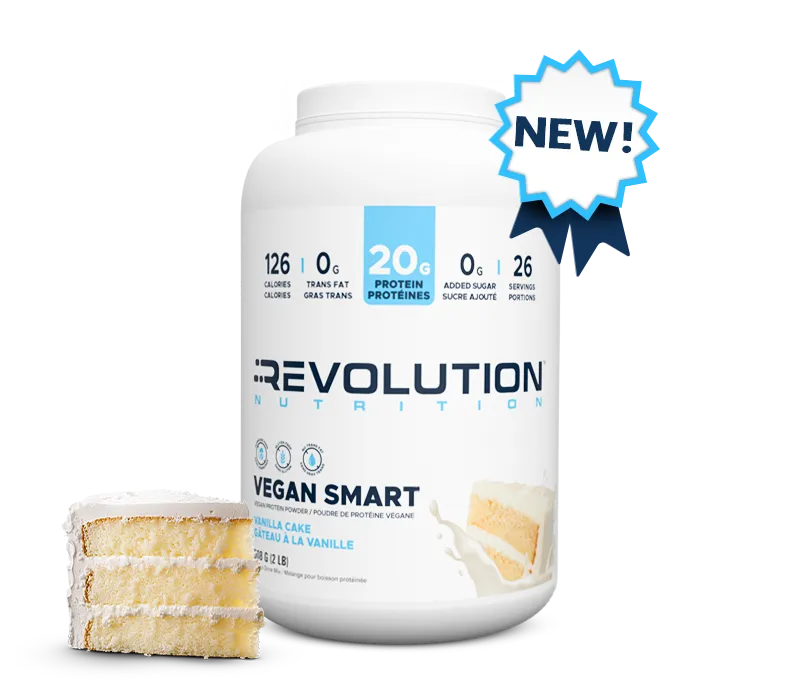
Credit: revolution-nutrition.com
Choosing The Right Protein Powder
Whey protein is popular for building muscle and recovery. Some people wonder if whey protein is dairy free.
It is important to choose the right protein powder that fits your diet and health needs.
Reading Labels Carefully
Whey protein comes from milk, so it is not dairy free. People with dairy allergies or lactose intolerance should check labels.
Some products add other ingredients that may cause reactions. Always read the full ingredient list.
- Look for “whey protein isolate” for less lactose
- Avoid powders with added milk or dairy ingredients
- Check for allergen warnings on the package
- Look for labels that say “dairy free” if needed
Consulting Health Professionals
Talk to a doctor or dietitian before starting any protein powder. They can help you choose what fits your health.
Health experts can suggest safe options if you have allergies or special diets.
- Discuss your allergy or intolerance with your doctor
- Ask about dairy-free protein powder alternatives
- Get advice on how much protein you need daily
- Follow professional guidance to avoid health risks
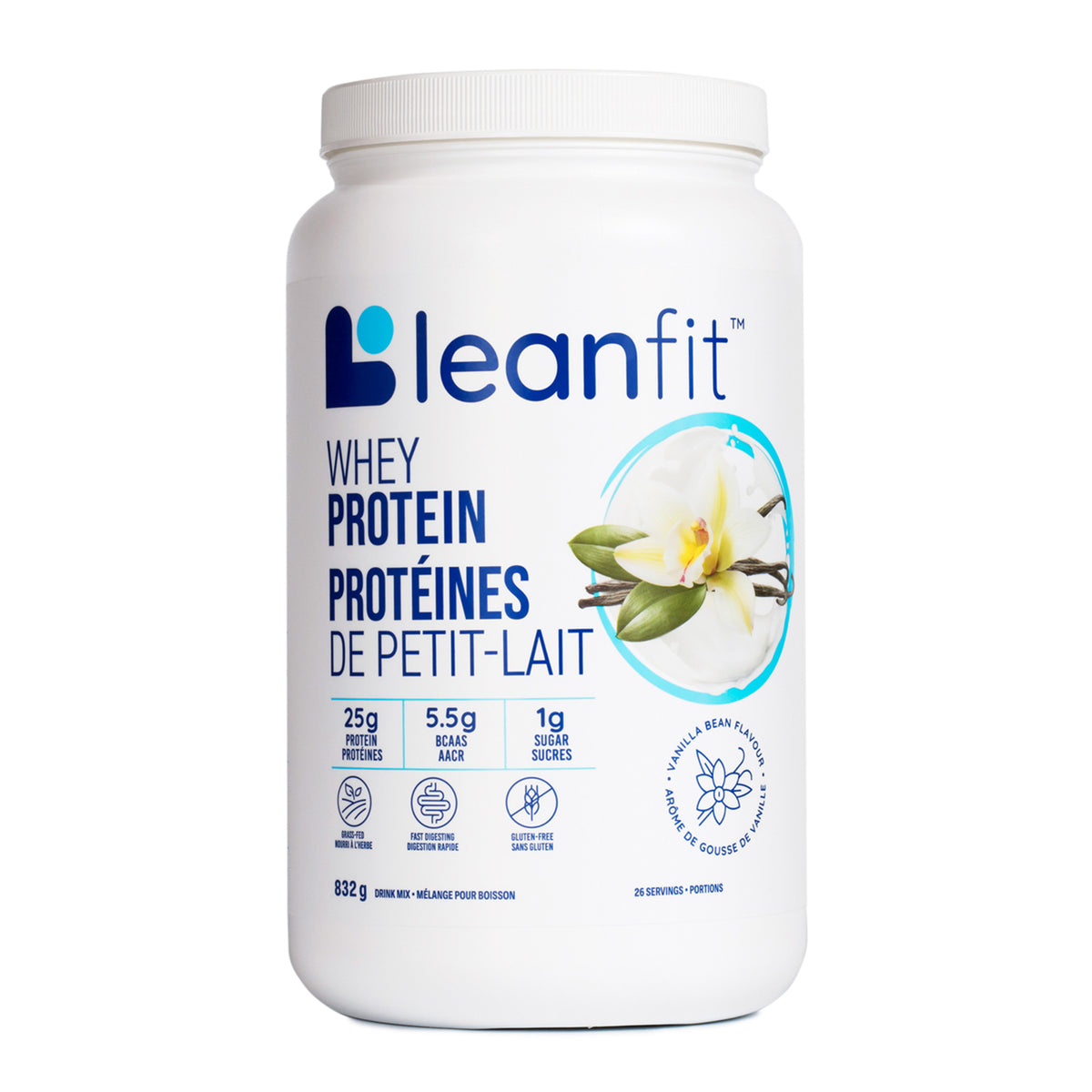
Credit: leanfit.ca
Frequently Asked Questions
Is Whey Protein Considered Dairy Free?
No, whey protein is not dairy free. It is derived from milk during cheese production. People with dairy allergies or lactose intolerance should avoid it or choose alternatives.
Can Lactose Intolerant People Consume Whey Protein?
Some lactose intolerant individuals can tolerate whey protein isolate. It contains minimal lactose compared to concentrate. Always check labels and start with small amounts.
What Are Dairy Free Protein Alternatives To Whey?
Popular dairy free protein alternatives include pea, rice, hemp, and soy protein. These plant-based proteins are suitable for vegans and those with dairy allergies.
Does Whey Protein Cause Dairy Allergy Symptoms?
Yes, whey protein can trigger dairy allergy symptoms. It contains milk proteins that may cause reactions like hives, swelling, or digestive issues in allergic individuals.
Conclusion
Whey protein comes from milk, so it is not dairy free. People with lactose intolerance may still tolerate some whey protein types. Isolate forms have less lactose and may suit some users. Those with a milk allergy should avoid whey protein completely.
Plant-based proteins offer true dairy-free alternatives. Choose protein powders based on your dietary needs and health goals. Reading labels helps find the right product for you. Stay informed to make the best choice for your body.


