

Are you worried that whey protein might be harming your liver? You’re not alone.
Many people wonder if this popular supplement, often praised for building muscle and boosting energy, could have hidden risks. What if the very thing you’re using to get healthier is actually putting your liver under stress? You’ll discover the facts about whey protein and your liver’s health.
By the end, you’ll know whether you can keep using it safely or if you should think twice. Keep reading—your liver will thank you.
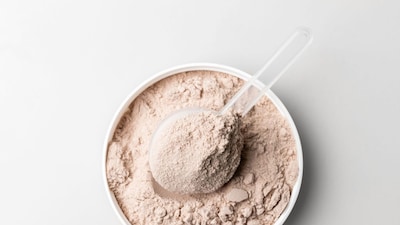
Credit: www.news18.com
Whey Protein Basics
Whey protein is a popular supplement among athletes and fitness enthusiasts. It is derived from milk during the cheese-making process.
Many people use whey protein to support muscle growth and repair. It is also known for its high nutritional value.
What Is Whey Protein?
Whey protein is a complete protein source. It contains all nine essential amino acids needed by the body.
It is available in powder form and can be mixed with liquids. Whey protein is easy to digest and quickly absorbed by the body.
- Derived from milk
- Contains essential amino acids
- Available in powder form
Common Uses And Benefits
Whey protein is used to build and repair muscles. It is popular among those who exercise regularly.
It also helps with weight management by promoting satiety. This means you feel full longer after consuming it.
- Supports muscle growth
- Helps in muscle recovery
- Promotes weight management

Credit: fitnesstack.com
Liver Function And Health
The liver is a vital organ that keeps the body healthy. It helps clean the blood and digest food.
Many people wonder if whey protein can harm the liver. Understanding liver health is important for this question.
Role Of The Liver In The Body
The liver has many jobs. It filters harmful substances from the blood and helps the body use nutrients.
The liver also makes bile. Bile helps break down fats in the food we eat. It stores energy and helps fight infections.
Factors Affecting Liver Health
Several things can affect how well the liver works. These include diet, alcohol use, and certain medicines.
Keeping a healthy weight and avoiding toxins helps the liver stay strong. Regular check-ups can find problems early.
- Eating a balanced diet supports liver health
- Too much alcohol can harm the liver
- Some medicines may cause liver damage
- Obesity increases the risk of liver disease
- Regular exercise helps maintain liver function
Myths About Whey Protein And Liver
Whey protein is popular among people who want to build muscle. Some worry it might harm the liver. These worries are mostly based on myths.
It is important to know the facts. This helps you make the right choice about whey protein.
Claims Linking Whey To Liver Damage
Some people say whey protein causes liver damage. They think it puts too much stress on the liver. They believe the liver cannot handle the extra protein.
These claims are not supported by strong science. Studies show normal use of whey protein is safe for healthy livers. Only very high protein intake over time might affect some people.
- Whey protein increases liver workload
- Excess protein causes liver damage
- Whey harms liver in people with liver problems
Sources Of These Myths
Myths about whey and liver come from misunderstandings. Some come from old research on extreme diets or illness.
Others come from stories shared online without proof. Some confuse liver stress from disease with whey protein effects. These mix-ups cause false beliefs.
- Old studies on very high protein diets
- Stories from people with liver disease
- False information on social media
- Confusion between disease and diet effects
Scientific Evidence On Whey And Liver
Whey protein is a popular supplement used by many people. Some worry it might harm the liver. This article looks at scientific studies about whey and liver health.
Understanding how whey affects the liver helps people make safer choices. Research shows different effects on healthy and sick livers.
Research Studies And Findings
Several studies tested whey protein’s effects on liver function. Most found no harm in healthy individuals. Whey may even protect the liver in some cases.
One study showed whey helped reduce liver fat in obese rats. Another found no change in liver enzymes in healthy adults after whey use.
- Whey did not raise liver enzyme levels in healthy people
- Some animal studies suggest whey may reduce liver damage
- Whey contains antioxidants that support liver cells
Effects On Healthy Vs. Compromised Livers
Whey protein is usually safe for healthy livers. It does not cause liver injury or stress in normal conditions. People with liver disease should be careful.
In some liver conditions, whey may help improve function. It can reduce inflammation and support liver repair. Still, patients must follow doctor advice before using whey.
- Healthy livers show no negative effects from whey
- Compromised livers might benefit from whey’s nutrients
- Medical guidance is needed for liver disease patients
Safe Whey Protein Consumption
Whey protein is a popular supplement for building muscle and recovering after exercise. Many people wonder if it can harm the liver.
Research shows that whey protein is safe for most people when used correctly. It does not cause liver damage in healthy individuals.
Recommended Dosages
The right amount of whey protein depends on your body weight and activity level. Most adults need between 20 and 40 grams per day.
Taking more than 2 grams of protein per kilogram of body weight daily may be too much for some people. Stick to the recommended dose.
- 20 to 40 grams per day for active adults
- Do not exceed 2 grams per kilogram of body weight
- Spread intake throughout the day
Signs Of Overconsumption
Eating too much whey protein can cause side effects. It may put stress on your liver and kidneys.
Watch for these signs if you consume excess whey protein:
- Stomach pain or cramps
- Nausea or vomiting
- Fatigue and weakness
- Swelling or fluid retention
- Yellowing of the skin or eyes (jaundice)

Credit: gibbonnutrition.com
Alternatives To Whey Protein
Some people worry about whey protein and their liver health. There are many other protein options to try instead. These alternatives come from plants and animals.
Choosing the right protein helps keep your body strong without extra stress. Let’s look at some good choices.
Plant-based Protein Options
Plant proteins come from seeds, beans, and grains. They offer many nutrients and are easy to digest. Many people prefer them for health or ethical reasons.
- Pea protein is rich in iron and easy to digest.
- Rice protein provides all essential amino acids.
- Hemp protein contains healthy fats and fiber.
- Chia seeds offer protein plus omega-3 fatty acids.
- Quinoa is a complete protein with many vitamins.
These options often cause less liver strain. They also fit well in vegan and vegetarian diets.
Other Animal-derived Proteins
Not all animal proteins are whey. Some come from eggs, meat, or fish. They provide high-quality protein without the dairy part.
- Egg white protein is low in fat and easy to absorb.
- Collagen protein supports skin and joint health.
- Beef protein isolate offers a strong amino acid profile.
- Fish protein powders add omega-3 fats and protein.
These proteins suit people who avoid dairy but want animal-based nutrition. They usually do not harm the liver in normal amounts.
Tips For Protecting Liver Health
Whey protein is popular for building muscle and recovering after exercise. Some worry it might harm the liver. Protecting liver health is important for everyone.
Simple habits can help keep your liver strong. Eat well and live a healthy lifestyle to support your liver.
Dietary Habits
Eating the right foods helps your liver work well. Choose fresh fruits, vegetables, and whole grains. Limit high-fat and sugary foods that stress the liver.
Drink plenty of water to flush out toxins. Avoid too much alcohol and processed foods. If you use whey protein, take the recommended dose and balance it with healthy meals.
- Eat fruits and vegetables daily
- Choose whole grains over refined grains
- Limit fatty and sugary foods
- Drink at least 8 glasses of water each day
- Avoid excess alcohol
- Use whey protein as directed
Lifestyle Practices
Good lifestyle habits protect your liver. Exercise regularly to improve blood flow. Avoid smoking and limit alcohol use. These habits reduce liver stress and keep it healthy.
Get enough sleep each night. Rest helps your liver repair and work well. Manage stress with activities like walking or meditation to support liver health.
- Exercise for at least 30 minutes daily
- Do not smoke
- Limit alcohol to moderate amounts
- Sleep 7-9 hours every night
- Practice stress relief activities
Frequently Asked Questions
Is Whey Protein Harmful To The Liver?
Whey protein is generally safe for the liver when consumed in recommended amounts. Excessive intake can strain the liver, especially in people with pre-existing liver conditions. Always consult a healthcare professional before starting supplements if you have liver issues.
Can Whey Protein Cause Liver Damage?
Whey protein alone does not cause liver damage in healthy individuals. Liver damage is rare and usually linked to extreme overconsumption or underlying health problems. Moderation and proper dosing are key to avoiding potential risks.
How Does Whey Protein Affect Liver Health?
Whey protein supports muscle growth and recovery without harming liver function in healthy people. It provides essential amino acids without adding toxic substances. Maintaining a balanced diet and proper hydration helps keep your liver healthy when using whey supplements.
Should People With Liver Issues Avoid Whey Protein?
People with liver disease should consult their doctor before using whey protein. Some liver conditions might require dietary restrictions, including limiting protein intake. Professional guidance ensures safe supplementation and prevents complications.
Conclusion
Whey protein does not harm a healthy liver. Most people can use it safely. Problems may happen with very high doses or existing liver issues. Balance and moderation are key. Always choose quality products. Talk to a doctor if you have liver concerns.
Eating a healthy diet supports your liver best. Whey protein can help build muscle and recover faster. Use it wisely and listen to your body. Your liver will thank you.


