
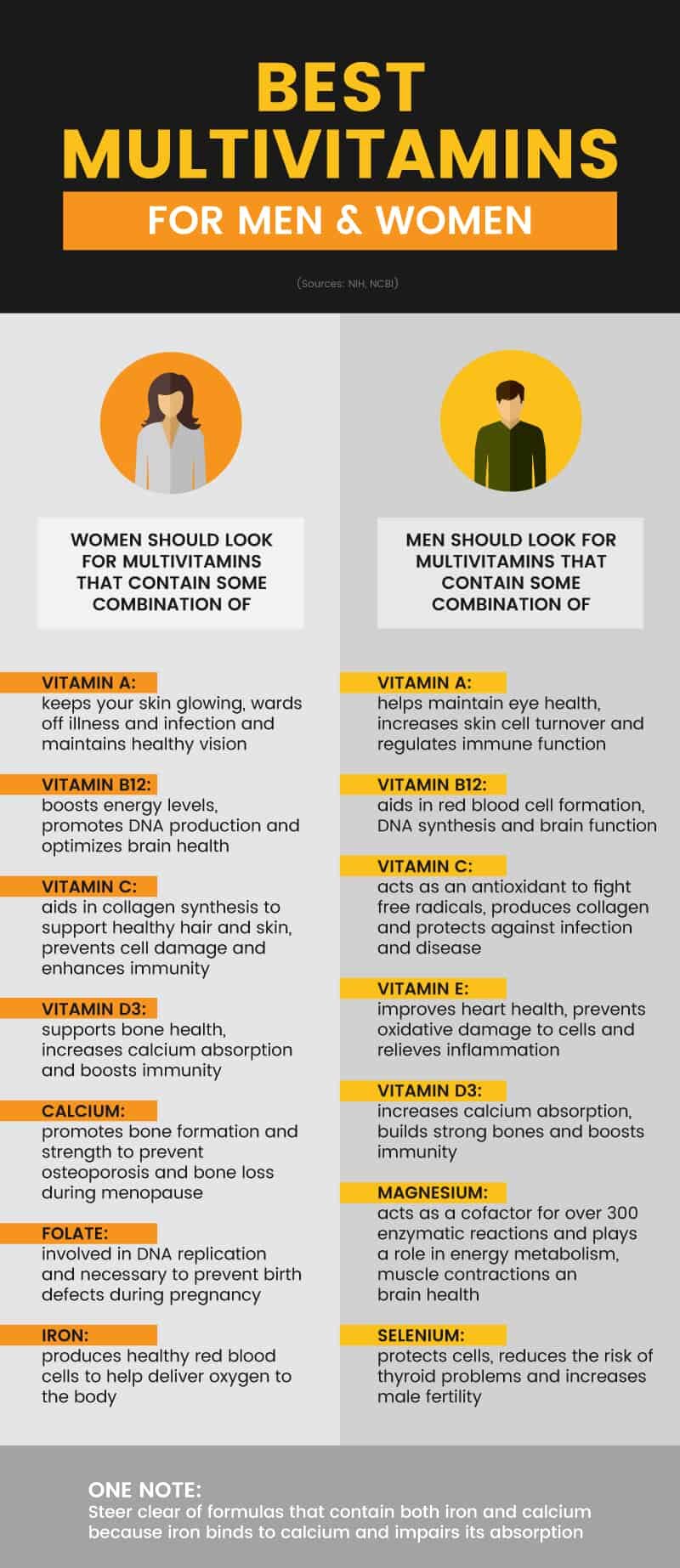
Are you wondering if taking multivitamins every day is really good for you? With so many options on the market, it’s easy to feel unsure about what your body truly needs.
You might think a daily pill will fill all your nutrition gaps, but is that always the case? Before you reach for that bottle, it’s important to understand how multivitamins work and what they can—and can’t—do for your health. Keep reading to find out if daily multivitamin use is right for you and how to make the best choice for your well-being.
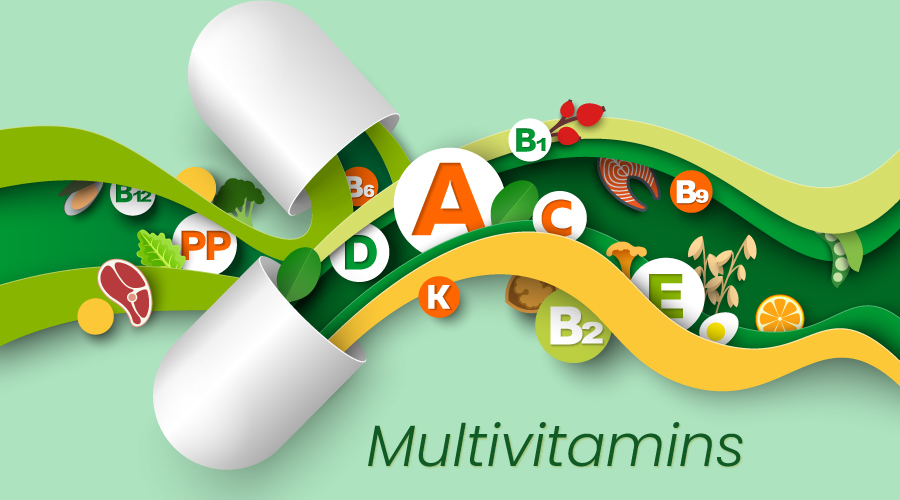
Credit: www.hkvitals.com
Benefits Of Daily Multivitamins
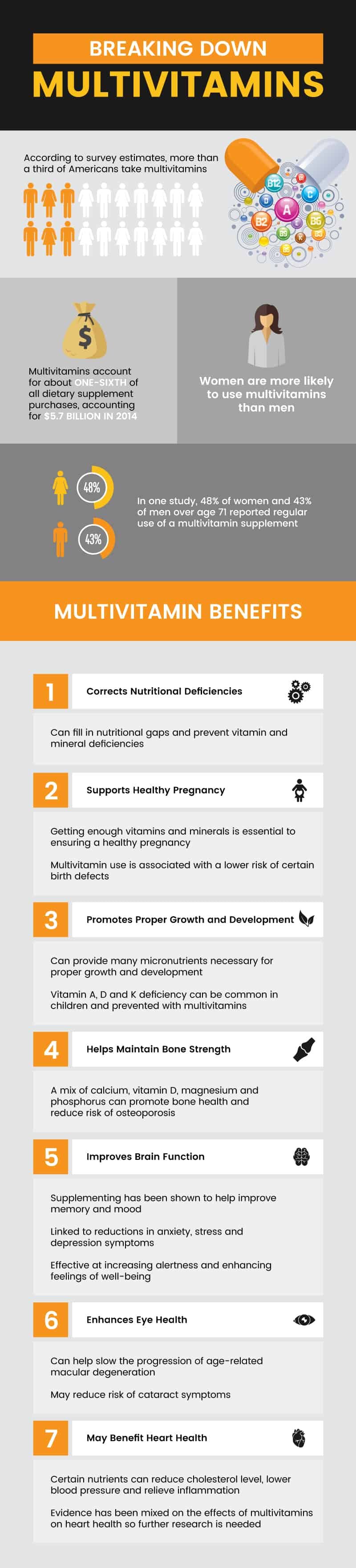
Many people wonder if taking multivitamins every day is safe and helpful. Multivitamins provide essential nutrients that support overall health.
Daily use of multivitamins can help fill in missing nutrients from your diet. They support different body functions and promote well-being.
Filling Nutritional Gaps
It can be hard to get all needed vitamins and minerals from food alone. Multivitamins fill these nutritional gaps to keep your body healthy.
They provide nutrients like vitamin D, B vitamins, iron, and calcium that you might miss daily.
- Supports bone and muscle health
- Helps brain and nerve function
- Maintains healthy skin and hair
Supporting Immune Health
Multivitamins contain vitamins that help your immune system fight off germs. Vitamins C, D, and zinc are important for strong immunity.
Taking multivitamins daily helps your body stay ready to defend against infections and illnesses.
- Vitamin C supports white blood cells
- Vitamin D helps immune response
- Zinc aids in healing and defense
Boosting Energy Levels
B vitamins in multivitamins help turn food into energy. They reduce tiredness and improve stamina.
Iron also plays a key role by helping carry oxygen in the blood. This supports better energy and focus.
- Vitamin B12 helps make red blood cells
- Vitamin B6 supports metabolism
- Iron prevents fatigue from low oxygen
Potential Risks Of Daily Use
Taking multivitamins every day can seem helpful. Some people think it ensures they get all needed nutrients. Still, daily use may have risks worth knowing.
Understanding these risks helps you decide if daily multivitamins are right for you. Some problems come from taking too much or mixing with medicines.
Overconsumption And Toxicity
Taking too many vitamins can cause harm. Some vitamins build up in the body and become toxic. This can lead to serious health problems.
Fat-soluble vitamins like A, D, E, and K store in the body. Too much of these may cause nausea, headaches, or worse effects.
- Vitamin A overdose may cause dizziness and liver damage
- Excess vitamin D can lead to calcium buildup in blood
- Too much vitamin E might increase bleeding risk
- High vitamin K can interfere with blood clotting
Interactions With Medications
Multivitamins can change how medicines work. Some vitamins or minerals may reduce medicine effects or cause side effects. This can be dangerous.
It is important to tell your doctor about all vitamins you take. They can check if vitamins interact with your medicines.
- Vitamin K can reduce the effect of blood thinners
- Calcium may block some antibiotics
- High doses of vitamin E might increase bleeding with some drugs
- Iron can reduce thyroid medicine absorption
Possible Side Effects
Some people may feel side effects from daily multivitamins. These can include stomach upset or allergic reactions. Side effects depend on the vitamin type and dose.
Taking vitamins with food can reduce stomach problems. Stop use and see a doctor if you have rash or difficulty breathing.
- Nausea or upset stomach
- Headache or dizziness
- Allergic skin rash
- Unusual tiredness or weakness
Who Might Need Daily Multivitamins
Some people may benefit from taking multivitamins every day. Multivitamins provide extra vitamins and minerals that the body needs.
Not everyone needs daily multivitamins, but certain groups might find them helpful to fill nutritional gaps.
Older Adults
Older adults often have different nutrition needs than younger people. Their bodies may not absorb nutrients as well.
Daily multivitamins can help older adults get enough vitamins like B12, vitamin D, and calcium.
- Vitamin B12 helps keep nerves healthy.
- Vitamin D supports bone strength.
- Calcium is important for strong bones.
Pregnant Women
Pregnant women need more vitamins and minerals to support their baby’s growth. A daily multivitamin can provide these nutrients.
Folic acid is especially important during pregnancy to prevent birth defects.
- Folic acid helps prevent neural tube defects.
- Iron supports extra blood volume during pregnancy.
- Calcium helps develop strong bones for the baby.
People With Dietary Restrictions
People who follow strict diets may miss key nutrients. Multivitamins can fill these gaps and keep them healthy.
Examples include vegetarians, vegans, and people with food allergies or intolerances.
- Vegans may need vitamin B12 supplements.
- People avoiding dairy might lack calcium.
- Those with food allergies could miss iron or zinc.
Credit: www.goodrx.com
Choosing The Right Multivitamin
Taking multivitamins every day can help fill nutrition gaps. Picking the right one is important for your health.
Not all multivitamins are the same. You should check what is inside and how it fits your needs.
Checking Ingredient Quality
Look for multivitamins with high-quality ingredients. They should contain vitamins and minerals your body needs.
Avoid products with fillers or artificial additives. Choose brands that test their ingredients for safety.
- Check for vitamins like A, C, D, and E
- Look for minerals such as zinc and magnesium
- Avoid unnecessary colors or preservatives
- Choose third-party tested supplements
Avoiding Excessive Dosages
Taking too much of certain vitamins can cause harm. Some vitamins build up in your body and become toxic.
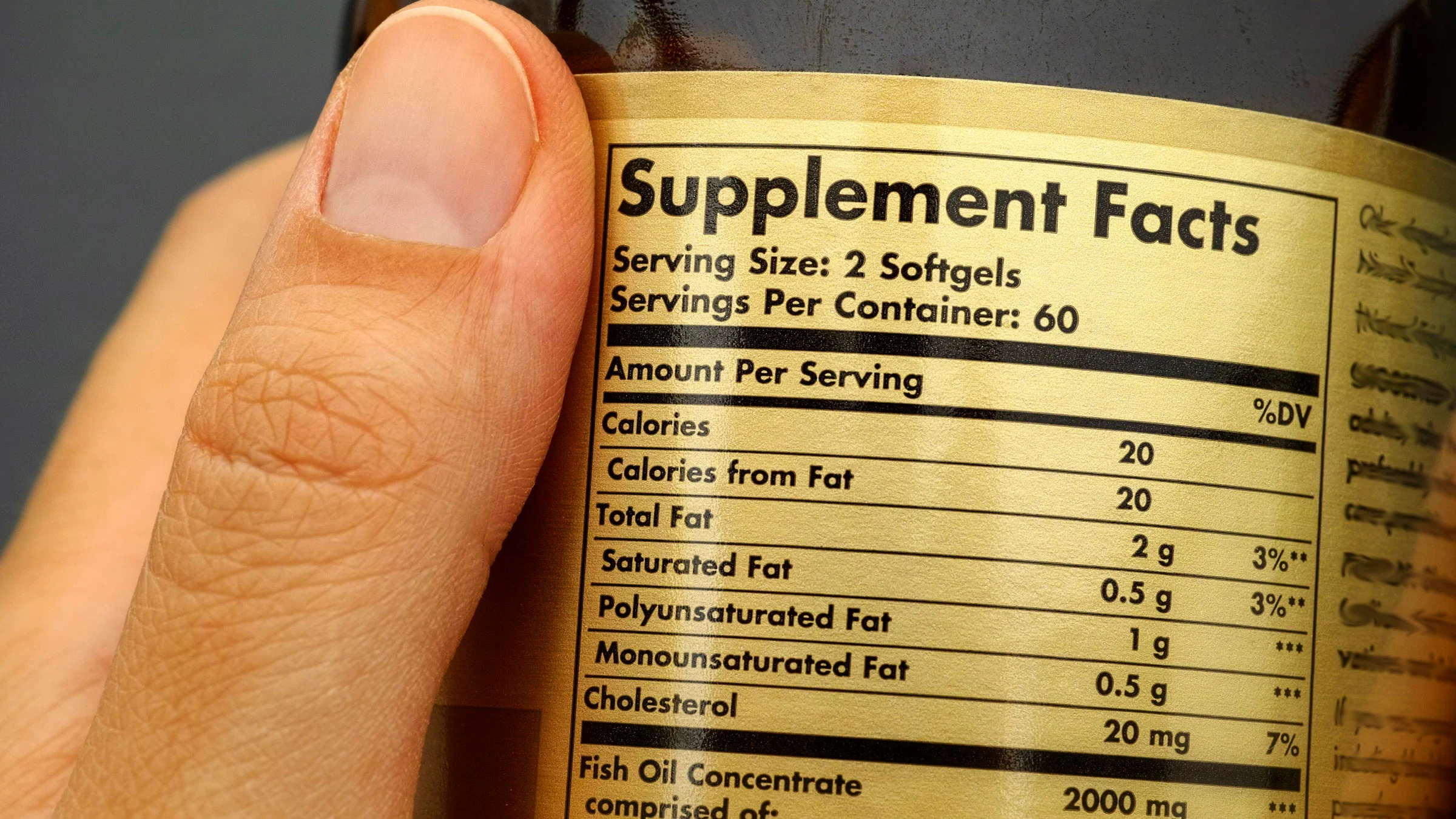
Read the label to see how much of each vitamin you get. Do not exceed the daily recommended dose.
- Do not take more than 100% of daily value unless advised
- Be careful with vitamins A, D, E, and K
- Too much iron or calcium can cause side effects
- Balance supplements with your diet
Consulting Healthcare Providers
Talk to a doctor or nutritionist before starting multivitamins. They know your health needs best.
Your provider can suggest the right type and dose for your age and health. This reduces risks and improves benefits.
- Discuss any health conditions or medications
- Ask about possible vitamin interactions
- Get advice on specific nutrients you may lack
- Review your multivitamin plan regularly
Alternatives To Daily Multivitamins
Many people take multivitamins every day to fill nutrition gaps. Some prefer other ways to stay healthy and get nutrients.
Here are some alternatives that can help you maintain good health without daily multivitamins.
Balanced Diet
A balanced diet provides most vitamins and minerals your body needs. Eating a variety of foods helps you get enough nutrients naturally.
Focus on whole foods like fruits, vegetables, grains, and proteins for good nutrition.
- Fruits and vegetables supply vitamins A, C, and K
- Whole grains give B vitamins and fiber
- Lean meats and beans provide iron and protein
- Dairy products offer calcium and vitamin D
Targeted Supplements
Some people need specific supplements instead of daily multivitamins. Targeted supplements focus on one or two nutrients your body lacks.
These can be safer and more effective than taking many vitamins you may not need.
- Vitamin D for those with low sun exposure
- Iron supplements for anemia
- Calcium for bone health
- Omega-3 fatty acids for heart and brain support
Lifestyle Factors
Your daily habits affect how well your body uses nutrients. Good lifestyle choices can reduce the need for daily multivitamins.
Exercise, sleep, and hydration all help your body absorb and use vitamins better.
- Drink plenty of water to aid nutrient absorption
- Get regular exercise to boost metabolism
- Sleep well to repair and restore your body
- Avoid smoking and limit alcohol consumption
Credit: draxe.com
Frequently Asked Questions
Is It Safe To Take Multivitamins Daily?
Yes, daily multivitamins are generally safe for most healthy adults. However, follow recommended dosages and consult your doctor if you have health conditions or take other medications to avoid potential interactions or overdoses.
Can Multivitamins Replace A Balanced Diet?
No, multivitamins cannot replace a balanced diet. They supplement nutrient intake but do not provide all benefits of whole foods like fiber and antioxidants. A healthy diet remains essential for overall wellness.
Who Benefits Most From Daily Multivitamins?
People with nutrient deficiencies, pregnant women, older adults, and those with restricted diets benefit most from daily multivitamins. They help fill nutritional gaps and support overall health when dietary intake is insufficient.
Are There Risks Of Taking Multivitamins Every Day?
Risks include nutrient overdoses, interactions with medications, and masking underlying health issues. Excessive intake of fat-soluble vitamins can cause toxicity. Always adhere to recommended doses and seek medical advice if uncertain.
Conclusion
Taking multivitamins every day can support your health. They fill small nutrient gaps in your diet. But too many vitamins may cause problems. Always follow the recommended dose on the label. Talk to a doctor before starting any new supplement.
Real food should be your main source of vitamins. Supplements are just a helpful addition, not a replacement. Balance and moderation matter the most for your well-being. Choose wisely and listen to your body’s needs.


