

Have you ever wondered if taking your multivitamin at night is the right move? You might think the timing doesn’t matter, but when you take your vitamins can actually affect how well your body absorbs them.
If you want to get the most benefit from your multivitamin and avoid any unwanted side effects, this is something you need to know. Keep reading, because understanding the best time to take your multivitamin could make a big difference in your health and energy levels.
:max_bytes(150000):strip_icc()/VWH-GettyImages-1459355020-46ef795e6b02418ea30a133b067ff878.jpg)
Credit: www.verywellhealth.com
Timing And Absorption
Many people wonder if taking a multivitamin at night is okay. The time you take your multivitamin can affect how well your body absorbs it. Understanding the best timing helps you get the most benefits.
This article explains how multivitamins are absorbed and how meal timing impacts their effectiveness. Knowing this can guide you on when to take your vitamins.
How Multivitamins Are Absorbed
Multivitamins contain different vitamins and minerals. Your body absorbs each nutrient in a special way. Some need fat to be absorbed well, while others dissolve in water.
Fat-soluble vitamins like A, D, E, and K absorb better with food that has fat. Water-soluble vitamins like B and C absorb well with or without food but may cause stomach upset if taken on an empty stomach.
- Fat-soluble vitamins need dietary fat for best absorption
- Water-soluble vitamins absorb quickly but may irritate an empty stomach
- Minerals like iron absorb better with vitamin C and less calcium
Impact Of Meal Timing On Effectiveness
Taking multivitamins with a meal improves absorption. Food slows digestion and helps the body use the vitamins. Taking them at night without food might reduce absorption and cause stomach discomfort.
Morning or afternoon with a balanced meal is often best. If you prefer taking vitamins at night, eat a small snack with healthy fat to help absorption. Avoid taking multivitamins on an empty stomach.
- Vitamins absorb better with food, especially fats
- Taking vitamins on an empty stomach can cause nausea
- Nighttime dosing works if taken with a small meal or snack
- Consistent timing helps maintain steady nutrient levels

Credit: www.threads.com
Benefits Of Taking Multivitamins At Night
Many people wonder if taking multivitamins at night is a good idea. Taking them before bed may offer some unique benefits.
This article explains how multivitamins can work well at night to help your body absorb nutrients and recover.
Improved Absorption For Certain Nutrients
Some vitamins and minerals absorb better when taken at night. Your stomach is often less busy after eating dinner.
For example, fat-soluble vitamins like A, D, E, and K absorb well with evening meals. This can help your body use them fully.
- Fat-soluble vitamins need some fat to absorb well
- Nighttime meals often have fats that aid absorption
- Less digestive competition helps nutrient uptake
Supporting Overnight Recovery
Your body repairs and grows cells during sleep. Taking multivitamins at night supports this natural process.
Vitamins like B-complex and minerals such as magnesium help with muscle relaxation and energy production while you rest.
- B vitamins help convert food into energy
- Magnesium supports muscle and nerve function
- Vitamin C aids tissue repair and immune function
Potential Drawbacks Of Nighttime Intake
Taking a multivitamin at night may cause some problems. It is important to know these before making a habit of it.
This article covers how multivitamins might affect your sleep and interact with other medicines.
Possible Sleep Disruptions
Some multivitamins contain vitamins that can boost energy. Taking them at night might make it hard to fall asleep.
Vitamin B complex and vitamin D are common examples that may disturb your sleep cycle if taken late.
- Vitamin B can increase alertness
- Vitamin D may affect melatonin production
- Minerals like magnesium usually help sleep, but effects vary
Interactions With Other Medications
Multivitamins can change how some medicines work. Taking them at night might cause unwanted effects.
For example, vitamins can affect blood thinners or thyroid medicine. This can change how effective these drugs are.
- Vitamin K can reduce blood thinner effects
- Calcium may lower thyroid medicine absorption
- Iron can interfere with some antibiotics
Comparing Morning Vs. Night Doses
People often ask if taking a multivitamin at night is okay. Some take it in the morning, others prefer the evening. Choosing the right time can affect how you feel during the day.
Let’s look at how taking multivitamins in the morning compares to taking them at night. This helps you find the best time for your body.
Energy Levels And Multivitamin Timing
Taking a multivitamin in the morning may help boost your energy for the day. Some vitamins, like B vitamins, can support your body’s energy production.
Taking vitamins at night may not give the same energy boost. Some people feel no difference, but others might feel a bit more alert, which can affect sleep.
- Morning doses can support daytime energy
- Night doses might interfere with sleep for some
- B vitamins are best absorbed earlier in the day
Consistency And Habit Formation
Taking your multivitamin at the same time every day helps build a habit. Consistency is more important than the exact time of day.
Choose a time that fits your routine. This makes it easier to remember and keeps your vitamin intake steady.
- Set a daily reminder for your multivitamin
- Link taking vitamins to a regular activity
- Pick morning or night based on your schedule
Special Considerations
Taking a multivitamin at night can affect your body in different ways. Some people may feel better taking vitamins with food. Others might need to think about their health condition before deciding the time.
It is important to know how your body reacts to vitamins and what could cause discomfort. This helps you choose the best time to take your multivitamin.
Multivitamins For Sensitive Stomachs
Some multivitamins can upset your stomach if taken on an empty stomach. Nighttime might be a good option for these people. Taking vitamins with dinner can reduce stomach pain or nausea.
Look for multivitamins labeled as gentle or made for sensitive stomachs. These usually have lower iron or added ingredients that calm the stomach.
- Take with a full meal to avoid discomfort
- Choose chewable or liquid forms if pills bother you
- Avoid vitamins with high iron before bed to prevent nausea
Age And Health Condition Factors
Your age and health can change how you should take vitamins. Older adults may need different vitamins and times than younger people. Some health conditions need vitamins at a certain time.
Talk to your doctor if you have health issues or take other medicines. They can tell you the best time to take your multivitamin for safety and best results.
- Children may need chewable vitamins at bedtime
- Older adults might benefit from vitamin D in the morning
- People with kidney problems should avoid certain vitamins
- Those with digestive issues should take vitamins with meals
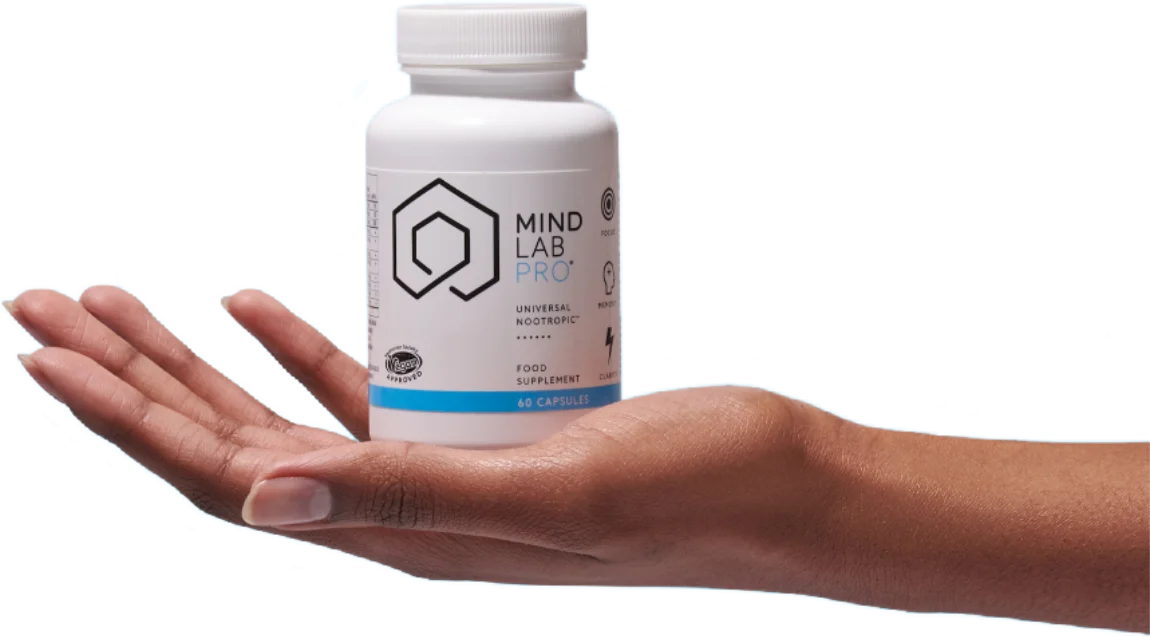
Credit: www.performancelab.com
Tips For Optimal Multivitamin Use
Taking a multivitamin can support your health. Using it the right way helps your body absorb nutrients better.
Some people wonder if it is okay to take a multivitamin at night. The timing can affect how well your body uses the vitamins.
Choosing The Right Multivitamin
Pick a multivitamin that fits your age and health needs. Not all multivitamins have the same nutrients or amounts.
Look for a product with essential vitamins and minerals. Avoid those with too many added ingredients you do not need.
- Check the label for key vitamins like A, C, D, E, and B-complex
- Choose one with minerals such as zinc, magnesium, and calcium
- Consider your diet and any nutrient gaps you have
- Consult a healthcare provider if you have special health conditions
Best Practices For Supplement Routine
Take your multivitamin with food to improve absorption. Some vitamins dissolve better with fats in your meal.
Try to take your multivitamin at the same time daily. This helps you remember and keeps your routine consistent.
- Morning or midday is often best to avoid stomach upset
- Avoid taking multivitamins right before bed if they cause discomfort
- Drink plenty of water with your vitamin
- Do not take more than the recommended dose
Frequently Asked Questions
Is It Safe To Take Multivitamins At Night?
Yes, taking multivitamins at night is generally safe. Some vitamins may absorb better with food, so take them with dinner for best results.
Will Taking Multivitamins At Night Affect Sleep?
Multivitamins usually don’t disrupt sleep. However, B vitamins may boost energy in some people, so monitor your own response.
Can Multivitamins Cause Stomach Upset At Night?
Taking multivitamins on an empty stomach can cause discomfort. To avoid this, consume them with a meal, preferably dinner.
Does Timing Affect Multivitamin Absorption?
Yes, timing can impact absorption. Fat-soluble vitamins absorb better with meals containing fat. Nighttime meals can be effective for absorption.
Conclusion
Taking a multivitamin at night can work for many people. Your body absorbs nutrients differently throughout the day. Some vitamins may cause discomfort if taken on an empty stomach. Think about your routine and what feels best. Consistency matters more than timing for most vitamins.
Always follow the instructions on the label. Talk to a doctor if you have health concerns. Small changes can improve how your body uses vitamins. Choose a time that fits your lifestyle and stick with it.


