

Are you wondering if it’s safe to take multiple vitamins at the same time? You’re not alone.
Many people want to boost their health but worry about mixing supplements. Taking several vitamins together might seem like a quick way to get all the nutrients you need. But could it cause problems instead? Understanding how vitamins interact in your body is key to staying healthy and getting the most from your supplements.
Keep reading to discover what you need to know before popping those pills together.
Benefits Of Taking Vitamins
Taking vitamins can help keep your body strong and healthy. They give your body the nutrients it needs to work well.
Many people do not get enough vitamins from food alone. Vitamins help fill those gaps and support your daily health.
Boosting Overall Health
Vitamins help your body stay active and fight illness. They support important functions like the immune system and energy levels.
Taking multiple vitamins can cover different needs at once. This helps your body get a balanced supply of nutrients.
- Supports immune defense against germs
- Improves energy and reduces tiredness
- Helps maintain healthy skin and hair
- Supports brain and nerve function
Addressing Nutrient Deficiencies
Sometimes, people lack certain vitamins due to diet or health issues. Taking vitamins helps fix these shortages.
Multiple vitamins can target different deficiencies at the same time. This can prevent health problems caused by low nutrients.
- Vitamin D for bone health
- Iron for red blood cells
- Vitamin B12 for energy and nerves
- Vitamin C for healing and immunity
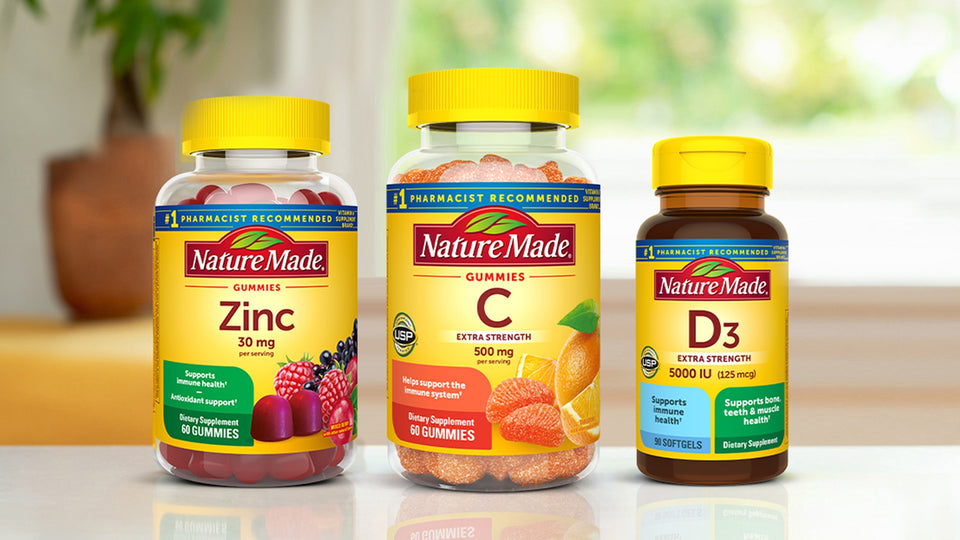
Credit: www.naturemade.com
Risks Of Combining Vitamins
Many people take several vitamins at the same time. This can seem helpful but may cause problems. Mixing vitamins can lead to health risks.
It is important to know what happens when you combine different vitamins. Some combinations can be unsafe or reduce the benefits.
Potential Overdose
Taking too many vitamins at once can cause an overdose. Vitamins like A, D, E, and K are stored in the body. Too much can be harmful.
Overdose can lead to symptoms like nausea, headache, and dizziness. In severe cases, it can cause serious health issues.
- Vitamin A overdose can cause vision problems and bone pain
- Too much Vitamin D may lead to kidney damage
- High Vitamin E levels can cause bleeding problems
- Excess Vitamin K can affect blood clotting
Interactions Between Nutrients
Some vitamins and minerals affect how others work in the body. Taking certain combinations can lower absorption or cause side effects.
For example, Vitamin C helps absorb iron better. But calcium can reduce iron absorption when taken together. This can change how effective the vitamins are.
- Calcium can block iron absorption
- Zinc may reduce copper absorption
- Vitamin K can interfere with blood-thinning medications
- High doses of Vitamin B6 may cause nerve damage
Timing And Dosage Tips
Taking multiple vitamins at once can be safe if you follow the right timing and dosage. Understanding when and how much to take helps your body absorb vitamins better.
Some vitamins work well together, while others need to be taken separately. Knowing the best times and limits keeps you healthy and avoids side effects.
Best Times To Take Vitamins
Take vitamins with meals to improve absorption and reduce stomach upset. Fat-soluble vitamins need some fat in your meal to absorb well.
- Take vitamin D, A, E, and K with a meal that has fat
- Water-soluble vitamins like C and B work well on an empty stomach
- Split doses if you take large amounts to avoid stomach discomfort
- Avoid taking calcium with iron at the same time because they reduce absorption
Recommended Daily Limits
Stick to the recommended daily limits for each vitamin to avoid overdose. Too many vitamins can cause health problems.
| Vitamin | Recommended Daily Limit |
|---|---|
| Vitamin A | 3000 mcg (10,000 IU) |
| Vitamin C | 2000 mg |
| Vitamin D | 100 mcg (4000 IU) |
| Vitamin E | 1000 mg (1500 IU) |
| Vitamin B6 | 100 mg |
| Calcium | 2500 mg |
Check labels and do not exceed these amounts from all supplements combined. If unsure, ask a healthcare provider for advice.
Consulting Healthcare Professionals
Taking multiple vitamins at the same time can be confusing. It is important to ask a doctor or pharmacist before starting.
Healthcare professionals help you avoid problems from mixing vitamins or taking too much.
Personalized Vitamin Plans
Each person needs different vitamins based on health and diet. A doctor can create a plan just for you.
They check your health and suggest vitamins that are safe and helpful for your body.
- Doctors check for vitamin interactions with medicines
- They adjust doses to avoid taking too much
- Plans match your age, weight, and health needs
When To Seek Medical Advice
Talk to a healthcare professional if you feel sick after taking vitamins. They can find the cause.
Also seek help before combining many vitamins or starting new supplements.
- If you notice side effects like nausea or rash
- When you have chronic illness or take medicines
- If you are pregnant or breastfeeding
- Before giving vitamins to children
Common Vitamin Combinations To Avoid
Taking multiple vitamins at once may seem helpful. But some combinations can cause problems or reduce benefits.
Knowing which vitamins do not mix well helps you stay safe and get the most from supplements.
Conflicting Nutrients
Some vitamins and minerals compete for absorption in your body. Taking them together may lower their effects.
- Calcium and Iron: Calcium can block iron absorption.
- Iron and Zinc: High iron can reduce zinc uptake.
- Vitamin K and Vitamin E: High vitamin E may affect vitamin K activity.
- Magnesium and Calcium: They can compete if taken in large amounts together.
Supplements That Require Caution
Some supplements need careful timing or lower doses. Mixing them without advice may cause side effects or lower benefits.
- Vitamin D and Calcium: Taking too much can cause high calcium levels.
- Vitamin A and Vitamin D: High doses together may be toxic.
- Fish Oil and Blood Thinners: Can increase bleeding risk.
- St. John’s Wort and Other Medications: Can affect how drugs work.

Credit: www.bbc.com
Natural Alternatives To Supplements
Taking multiple vitamins at once can be confusing and sometimes risky. Many people want to know if natural food sources can replace supplements.
Natural foods provide nutrients in balanced amounts. They also include other helpful compounds like fiber and antioxidants.
Vitamin-rich Foods
Eating a variety of fruits and vegetables gives your body many vitamins. Whole foods also offer minerals and healthy fats.
- Leafy greens like spinach and kale provide vitamins A, C, and K.
- Citrus fruits offer plenty of vitamin C.
- Nuts and seeds supply vitamin E and healthy fats.
- Whole grains are a good source of B vitamins.
- Fish and eggs provide vitamin D and B12.
Lifestyle Changes For Better Nutrition
Changing daily habits can improve how your body absorbs nutrients. Simple shifts can reduce the need for many supplements.
Focus on eating regular meals and drinking enough water. Limit processed foods and choose fresh options whenever possible.
- Cook meals at home to control ingredients and nutrients.
- Exercise regularly to boost digestion and metabolism.
- Get enough sunlight for natural vitamin D production.
- Sleep well to help your body heal and absorb nutrients.
- Reduce stress, as it can affect nutrient absorption.

Credit: www.youtube.com
Frequently Asked Questions
Can I Safely Take Multiple Vitamins At Once?
Yes, you can take multiple vitamins together if they don’t interact negatively. Always check labels and consult a healthcare provider to avoid overdosing or adverse effects.
What Are The Risks Of Mixing Vitamins Simultaneously?
Mixing vitamins can cause nutrient imbalances or overdoses. Some vitamins compete for absorption, while others might amplify effects, leading to side effects or toxicity.
How To Know If My Vitamins Interact Negatively?
Review ingredient lists and research known interactions. Consult a healthcare professional or pharmacist to ensure your vitamins are safe to take together.
Does Taking Many Vitamins Reduce Absorption Efficiency?
Yes, some vitamins compete for absorption in the gut. Taking them separately or with meals can improve absorption and overall effectiveness.
Conclusion
Taking multiple vitamins at once can be safe but needs caution. Some vitamins work well together, while others may cause problems. Talk to a doctor before starting new supplements. Watch for side effects and avoid high doses. Balance your diet with healthy foods too.
Vitamins help, but they are not magic cures. Stay informed and listen to your body’s signals. This way, you can support your health wisely and safely.


