

Are you taking probiotics to boost your health but wonder if too much could actually harm you? You might think more is better when it comes to these “good” bacteria, but is that really true?
Understanding how probiotics affect your body—and what happens if you take too many—can make a big difference in your well-being. Keep reading to discover the surprising facts about probiotics and learn how to use them safely for the best results.
Your health deserves it.
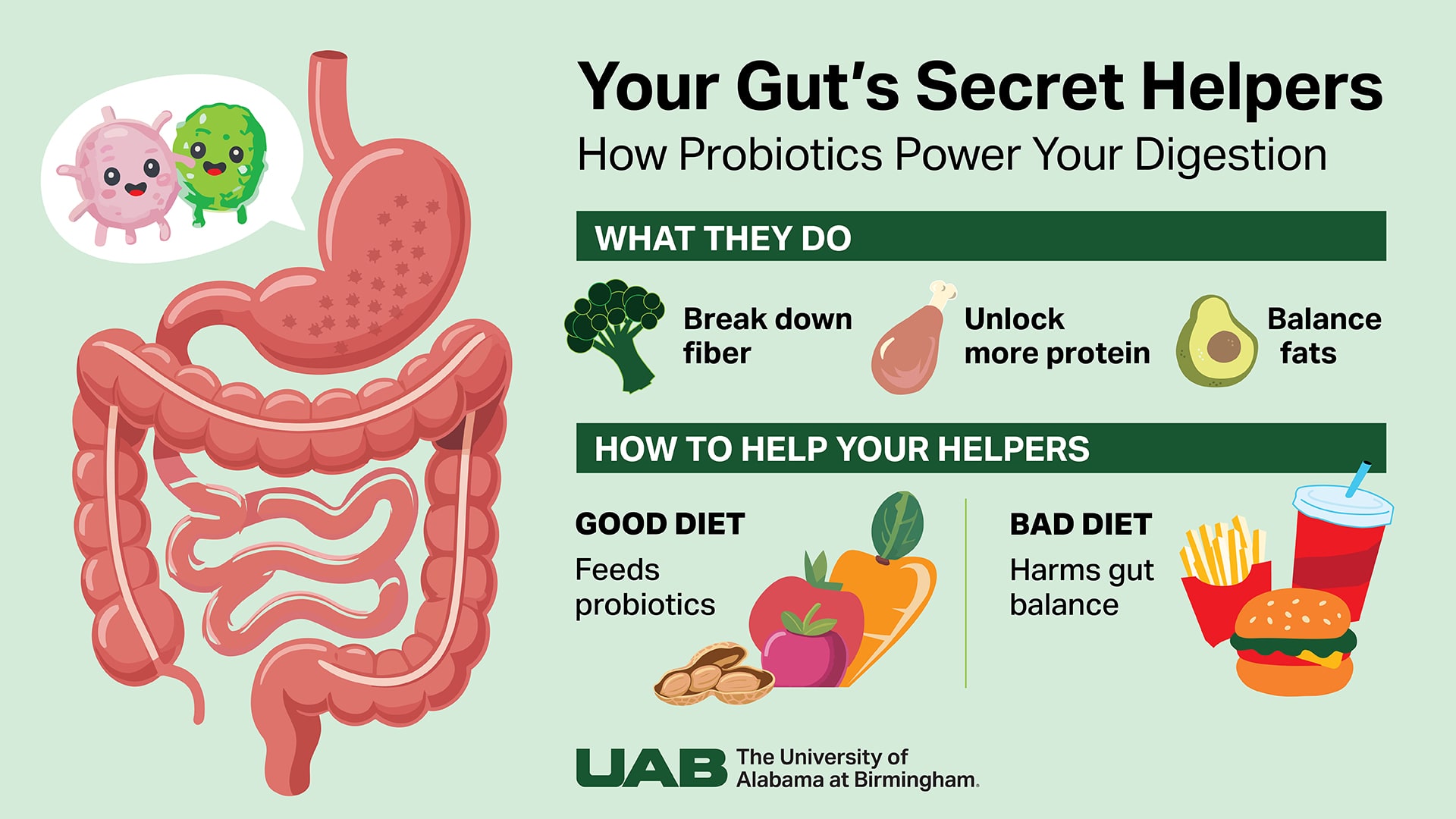
Credit: www.uab.edu
What Are Probiotics?
Probiotics are good bacteria that live in your gut. They help keep your digestive system healthy.
These tiny organisms balance the bad bacteria. This helps your body digest food better and fight infections.
Types Of Probiotics
There are many types of probiotics. Each type helps the body in different ways.
- Lactobacillus: Helps digest lactose and may reduce diarrhea.
- Bifidobacterium: Supports the immune system and helps with some bowel issues.
- Saccharomyces boulardii: A yeast that fights diarrhea and other gut problems.
How Probiotics Work
Probiotics add good bacteria to your gut. They compete with bad bacteria for space and food.
They also produce substances that kill harmful microbes. This helps keep your gut healthy and balanced.
Common Sources Of Probiotics
| Source | Description |
| Yogurt | Milk fermented with live bacteria |
| Kefir | A fermented milk drink rich in probiotics |
| Sauerkraut | Fermented cabbage with natural probiotics |
| Kimchi | Spicy Korean fermented vegetables |
| Supplements | Capsules or powders containing probiotic strains |
Benefits Of Probiotics
Probiotics are live bacteria that help your body stay healthy. They are found in some foods and supplements.
Taking probiotics can support many parts of your health. They mainly help with digestion, immunity, and mental well-being.
Digestive Health
Probiotics help balance the good bacteria in your gut. This balance can improve digestion and reduce problems like bloating and gas.
They may also help with diarrhea caused by infections or antibiotics. Probiotics support the lining of the gut to keep it strong.
- Improve digestion of food
- Reduce bloating and gas
- Help prevent diarrhea
- Support gut lining health
Immune System Support
Probiotics can boost your immune system by helping the body fight off harmful germs. They support the production of natural antibodies.
They also help activate immune cells like white blood cells. This makes it easier for your body to respond to infections.
- Increase natural antibody production
- Activate immune cells
- Help fight infections
Mental Health Benefits
Some probiotics can improve mental health by reducing stress and anxiety. They affect the gut-brain connection through chemicals.
Probiotics help produce neurotransmitters like serotonin. These chemicals play a role in mood and sleep regulation.
- Reduce stress and anxiety
- Support mood balance
- Help improve sleep quality
Potential Risks Of Excessive Probiotic Intake
Probiotics are good bacteria that help your gut. Taking too many probiotics can cause problems. It is important to know the risks of high probiotic intake.
While probiotics are often safe, too much can lead to unwanted side effects. Some people may feel discomfort or face health issues from excess probiotics.
Digestive Discomfort
Taking large amounts of probiotics can upset your stomach. You might feel bloated, have gas, or get diarrhea. These symptoms happen because your gut is adjusting to new bacteria.
Digestive discomfort usually goes away after a few days. If it lasts longer, you should lower your probiotic dose or stop taking them.
Infection Risks
Probiotics can cause infections if taken in very high amounts. People with weak immune systems are more at risk. The bacteria can enter the bloodstream and cause serious illness.
Infections from probiotics are rare but possible. It is best to talk to a doctor before starting probiotics if you have health problems.
Allergic Reactions
Some people may be allergic to ingredients in probiotic supplements. Allergic reactions can include itching, rash, or swelling. Severe reactions can cause trouble breathing.
Check the label of probiotics for allergens. Stop taking them and get medical help if you have an allergic reaction.
Signs Of Overconsumption
Taking too many probiotics can cause some unwanted effects. These signs show your body might be getting too much.
It is important to know what to watch for to avoid discomfort and health issues.
Gastrointestinal Symptoms
Too many probiotics can upset your stomach. You may feel bloated, gassy, or have diarrhea.
- Bloating and swelling in the belly
- Excessive gas or flatulence
- Diarrhea or loose stools
- Stomach cramps or pain
- Nausea or upset stomach
Fatigue And Weakness
Overuse of probiotics can also cause tiredness and low energy. Your body may feel weak or drained.
| Symptom | Description |
| Fatigue | Feeling very tired even after rest |
| Weakness | Muscle weakness or lack of strength |
| Dizziness | Light-headedness or feeling faint |
| Headache | Persistent mild to moderate headache |
Recommended Dosage Guidelines
Taking probiotics can support gut health and digestion. It is important to follow the right dosage to avoid side effects.
Dosage depends on the type of probiotic and the person’s health condition. Always check the label or ask a healthcare provider.
General Recommendations
Most adults can take between 1 billion and 10 billion colony-forming units (CFUs) daily. Starting with a lower dose helps the body adjust.
- Start with 1 billion CFUs per day
- Increase dose gradually if needed
- Do not exceed 50 billion CFUs without medical advice
- Take probiotics with or after meals
Special Considerations For Different Populations
Different groups need different amounts of probiotics. Children and people with health issues should be cautious.
| Population | Recommended Dosage | Notes |
| Children | 1 billion to 5 billion CFUs | Choose age-appropriate formulations |
| Pregnant Women | 5 billion to 10 billion CFUs | Consult a doctor before use |
| Immune-Compromised | Under medical supervision | Risk of infection; avoid self-prescribing |
| Elderly | 5 billion to 10 billion CFUs | Start low and increase if tolerated |

Credit: mydailydefense.com
Expert Opinions On Probiotic Use
Probiotics can help balance the good bacteria in your gut. Many people take them to improve digestion and boost immunity.
But is it bad to take too many probiotics? Experts share their views on this topic.
Insights From Nutritionists
Nutritionists say that probiotics are generally safe for most people. Still, taking too much can cause some problems.
- Excess probiotics may cause bloating and gas.
- Too many can upset your natural gut balance.
- Some people might experience diarrhea or stomach pain.
- It is important to follow the recommended dosage on labels.
- Consult a nutritionist before starting high doses.
Medical Professionals’ Perspectives
Doctors warn that high probiotic intake can be risky for certain groups. People with weak immune systems should be careful.
| Risk Group | Possible Issues |
| Immune-compromised patients | Infections from probiotics |
| People with severe illnesses | Digestive discomfort or complications |
| Healthy adults | Usually mild side effects if overdosed |
Doctors suggest speaking to a healthcare provider before increasing probiotic doses. They remind users that more is not always better.
Alternatives To Probiotics
Taking too many probiotics can cause stomach upset and other problems. You can try other ways to support your gut health. Some foods and supplements help good bacteria grow naturally.
Here are two good alternatives to probiotics that you might consider adding to your diet.
Fermented Foods
Fermented foods contain live bacteria that can help balance your gut. They are natural and easy to add to meals. These foods also provide vitamins and minerals.
- Yogurt with live cultures
- Kefir, a fermented milk drink
- Sauerkraut made from fermented cabbage
- Kimchi, a spicy fermented vegetable dish
- Tempeh, fermented soybeans
- Miso, a fermented soybean paste
Prebiotic Supplements
Prebiotics are fibers that feed good bacteria in the gut. They help probiotics grow naturally. You can take prebiotic supplements if you do not get enough from food.
| Prebiotic Type | Common Sources | Benefits |
| Inulin | Chicory root, onions, garlic | Improves digestion and gut bacteria |
| Fructooligosaccharides (FOS) | Bananas, asparagus, leeks | Supports immune health |
| Galactooligosaccharides (GOS) | Beans, lentils, peas | Promotes good bacteria growth |

Credit: athletetrainingandhealth.com
Making Informed Choices
Taking probiotics can help your gut health. But taking too much may cause problems.
It is important to know the right amount for your body. Learning about probiotics helps you make safe choices.
Consulting Healthcare Providers
Doctors and dietitians can guide you on probiotic use. They know what is safe for your health.
They can check if probiotics fit your current health condition. This helps avoid taking too much.
- Discuss your health history
- Ask about correct probiotic types
- Get advice on dosage and timing
- Report any side effects promptly
Assessing Personal Health Needs
Your body’s needs may change probiotic doses. Age, diet, and illnesses affect how you respond.
Start with small amounts and watch how you feel. Adjust based on your body’s signals and professional advice.
- Note any digestive changes
- Track energy and mood shifts
- Check for allergic reactions
- Consider other medications you take
Frequently Asked Questions
Can Taking Too Many Probiotics Be Harmful?
Yes, excessive probiotics can cause bloating, gas, or digestive discomfort. Overuse may disrupt gut balance and immune function.
How Much Probiotic Is Safe Daily?
Most adults tolerate 1 to 10 billion CFUs daily. Always follow product instructions or consult a healthcare provider.
What Are Signs Of Probiotic Overdose?
Signs include diarrhea, nausea, stomach cramps, and fatigue. If symptoms persist, reduce dosage or seek medical advice.
Can Probiotics Interact With Medications?
Yes, probiotics may affect certain antibiotics or immunosuppressants. Discuss probiotic use with your doctor if you take medications.
Conclusion
Taking too many probiotics can cause stomach pain and gas. Your body needs a balanced amount for good health. Too much can upset your natural gut bacteria. Always follow the recommended dose on the label or from your doctor. Probiotics help when used correctly, but overuse can lead to problems.
Pay attention to how your body feels after taking them. Choose quality products and use them wisely for the best results. Balance and moderation keep your gut happy and healthy.


