
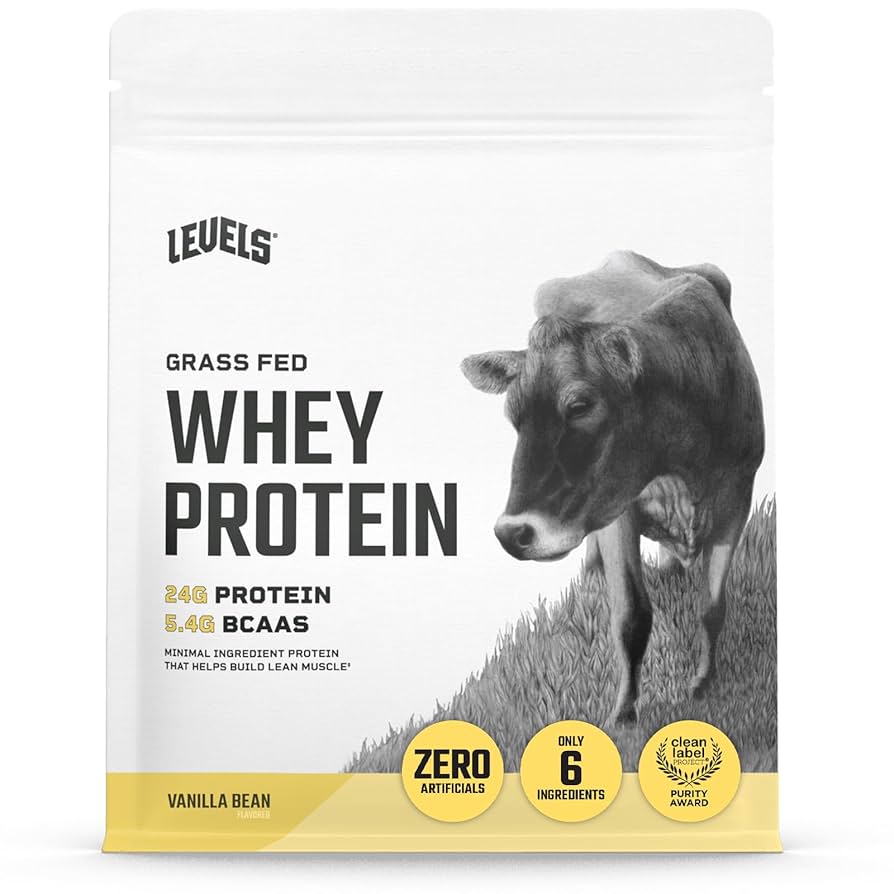
Are you wondering if grass fed whey protein is really better for your health and fitness goals? With so many protein options out there, it can be confusing to know which one gives you the most benefits.
What if choosing the right protein could improve your energy, muscle growth, and overall well-being? Keep reading to discover the surprising facts about grass fed whey protein and find out if it’s the best choice for your body and lifestyle.
You might be closer to unlocking your full potential than you think.
Grass Fed Whey Protein Basics
Grass fed whey protein comes from cows that eat grass. It is a popular choice for those who want a natural protein source.
This type of protein can be better for health. Many people believe it has more nutrients than regular whey protein.
What Makes It Different
Grass fed whey protein is different because of how the cows are raised. They graze on grass, not grain. This can lead to higher nutrient levels.
Grass fed cows produce whey with more omega-3 fatty acids. These are healthy fats that are good for the heart.
- Higher in omega-3s
- Rich in antioxidants
- Contains more vitamins
Sources And Production
Grass fed whey protein comes from farms where cows eat grass. The process starts with milking the cows.
After milking, the milk is processed to remove fat and lactose. This leaves the whey protein.
| Step | Description |
| 1 | Milking the cows |
| 2 | Separating the whey |
| 3 | Processing and packaging |
Nutritional Advantages
Grass fed whey protein comes from cows that eat grass. It has better nutrition than regular whey protein.
This kind of protein gives more vitamins and healthy fats. It helps your body in many ways.
Higher Nutrient Density
Grass fed whey protein has more nutrients. It contains extra vitamins like vitamin E and vitamin A.
It also has more minerals such as zinc and iron. These help your body stay strong and healthy.
- More vitamins for good health
- Extra minerals for body strength
- Higher protein quality and amount
Better Fatty Acid Profile
Grass fed whey has more good fats like omega-3 fatty acids. These fats support heart and brain health.
It also has less unhealthy fats. This helps keep your cholesterol levels balanced and your body fit.
- Higher omega-3 fatty acids
- More conjugated linoleic acid (CLA)
- Lower bad fats and cholesterol
Health Benefits
Grass fed whey protein comes from cows that eat natural grass. This makes the protein richer in nutrients and easier to digest.
Many people choose grass fed whey for its health benefits. It supports the body in different ways.
Improved Digestibility
Grass fed whey protein is gentler on the stomach. It contains fewer additives and is less processed.
This type of whey has a better balance of natural enzymes. These enzymes help break down protein more easily.
- Reduces bloating and stomach discomfort
- Helps the body absorb nutrients faster
- Supports better digestion overall
Enhanced Immune Support
Grass fed whey protein contains more immune-boosting nutrients. These include antioxidants and healthy fats.
These nutrients help the body fight off infections and stay healthy. They support the immune system naturally.
- Higher levels of omega-3 fatty acids
- More vitamins like A and E
- Rich in antioxidants that protect cells
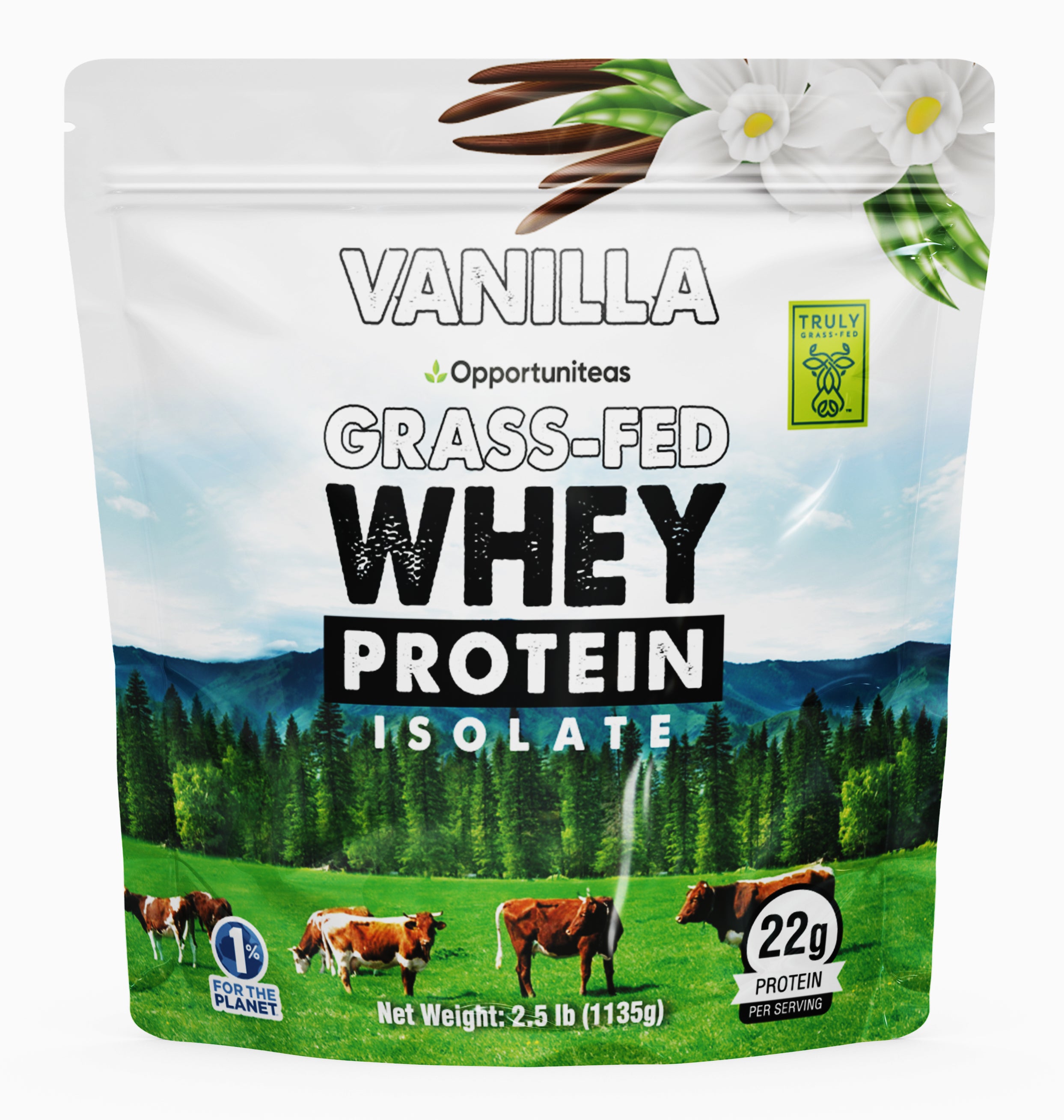
Credit: opportuniteas.com
Environmental Impact
Grass fed whey protein comes from cows that eat grass instead of grains. This difference affects the environment in many ways.
Choosing grass fed whey protein can support farming methods that protect the planet.
Sustainable Farming Practices
Farmers who raise grass fed cows often use natural methods. They let cows graze on open fields, which helps soil stay healthy.
These farms usually avoid chemicals and pesticides. They focus on keeping the land clean and fertile for future use.
- Rotating pastures to prevent soil damage
- Using manure as natural fertilizer
- Protecting local wildlife habitats
Lower Carbon Footprint
Grass fed cows often produce less methane than grain-fed cows. Methane is a gas that harms the earth’s climate.
Pasture-based farming uses less energy for feed production. This helps reduce carbon emissions overall.
- Less fossil fuel use for growing feed crops
- Reduced need for synthetic fertilizers
- Improved carbon storage in healthy soils
Taste And Texture
Grass fed whey protein often tastes different than regular whey protein. This is because the cows eat natural grass instead of grains. The texture of grass fed whey can also vary slightly.
Understanding these differences helps you choose the right protein for your needs. Taste and texture affect how much you enjoy your protein shake.
Flavor Differences
Grass fed whey usually has a cleaner, fresher taste. It may have a slight earthy or grassy note. Some people find this flavor more natural and mild.
Regular whey protein often has a sweeter or more processed taste. It can taste a bit artificial because of added flavors and sweeteners.
- Grass fed whey: mild, fresh, slightly earthy
- Regular whey: sweeter, sometimes artificial
- Flavor varies by brand and processing
Mixing And Usage Tips
Grass fed whey protein mixes well with water or milk. It may take a little more stirring to blend fully. Using a blender or shaker bottle helps.
You can add grass fed whey to smoothies or recipes. Its natural flavor blends nicely with fruits and nuts.
- Use a shaker bottle or blender for smooth texture
- Add fruits or nut butters to improve flavor
- Try mixing with milk for creamier shakes
- Stir well to avoid clumps
Cost Considerations
Choosing grass fed whey protein means thinking about price and value. This protein type often costs more than regular whey.
Understanding cost helps you decide if grass fed whey protein fits your budget and needs.
Price Comparison
Grass fed whey protein usually has a higher price tag. It comes from cows fed natural grass, which costs more to raise.
Regular whey protein is less expensive because it uses standard dairy farming methods.
| Type | Average Price per Pound |
|---|---|
| Grass Fed Whey Protein | $25 – $40 |
| Regular Whey Protein | $10 – $20 |
Value For Money
Grass fed whey protein offers benefits like fewer additives and better nutrients. This can add value beyond price.
Regular whey protein still provides quality protein at a lower cost, good for those on a tight budget.
- Grass fed whey may support better health and digestion
- Higher cost reflects farming practices and quality
- Regular whey suits people needing affordable protein
Choosing The Right Whey Protein
Whey protein is a popular supplement for fitness and health. Choosing the right whey protein matters for your goals and health.
Grass fed whey protein is made from cows that eat grass only. This may affect the quality and nutrients in the protein.
Label Reading Tips
Reading the label helps you understand what is inside the whey protein. Look for clear ingredient lists and nutrition facts.
Avoid products with many additives, fillers, or artificial sweeteners. Check the protein amount per serving to meet your needs.
- Check protein content per serving
- Look for simple ingredient lists
- Avoid artificial colors and flavors
- Note the source of whey (grass fed or not)
- Check for added sugars or fillers
Certifications To Look For
Certifications show if the whey protein meets certain quality and safety standards. They help you trust the product.
Look for certifications related to organic farming, grass fed cows, and third-party testing for purity and safety.
- USDA Organic
- Grass Fed Certification
- Non-GMO Project Verified
- Third-Party Lab Tested
- Gluten-Free or Dairy-Free labels if needed

Credit: www.amazon.com

Credit: www.amazon.com
Frequently Asked Questions
What Is Grass Fed Whey Protein?
Grass fed whey protein is derived from cows fed on natural grass. It contains higher nutrients and fewer additives than conventional whey.
Does Grass Fed Whey Protein Improve Muscle Growth?
Yes, it supports muscle growth effectively. Its rich amino acids and natural nutrients enhance protein synthesis and recovery.
Is Grass Fed Whey Protein Better For Digestion?
Grass fed whey protein is easier to digest. It contains fewer additives and higher quality proteins that aid gut health.
How Does Grass Fed Whey Protein Affect Allergies?
It may reduce allergy risks since it’s free from hormones and artificial chemicals common in regular whey protein.
Conclusion
Grass fed whey protein offers a natural and clean source of nutrients. It tends to have fewer additives and harmful chemicals. Many people find it easier to digest and better for their health. Choosing grass fed whey supports sustainable farming practices.
Taste and quality often stand out compared to regular whey. It suits those who want a pure, simple protein option. Still, personal preference and budget matter most in the choice. Try it yourself and see how your body responds. Quality nutrition starts with smart choices like this one.


