
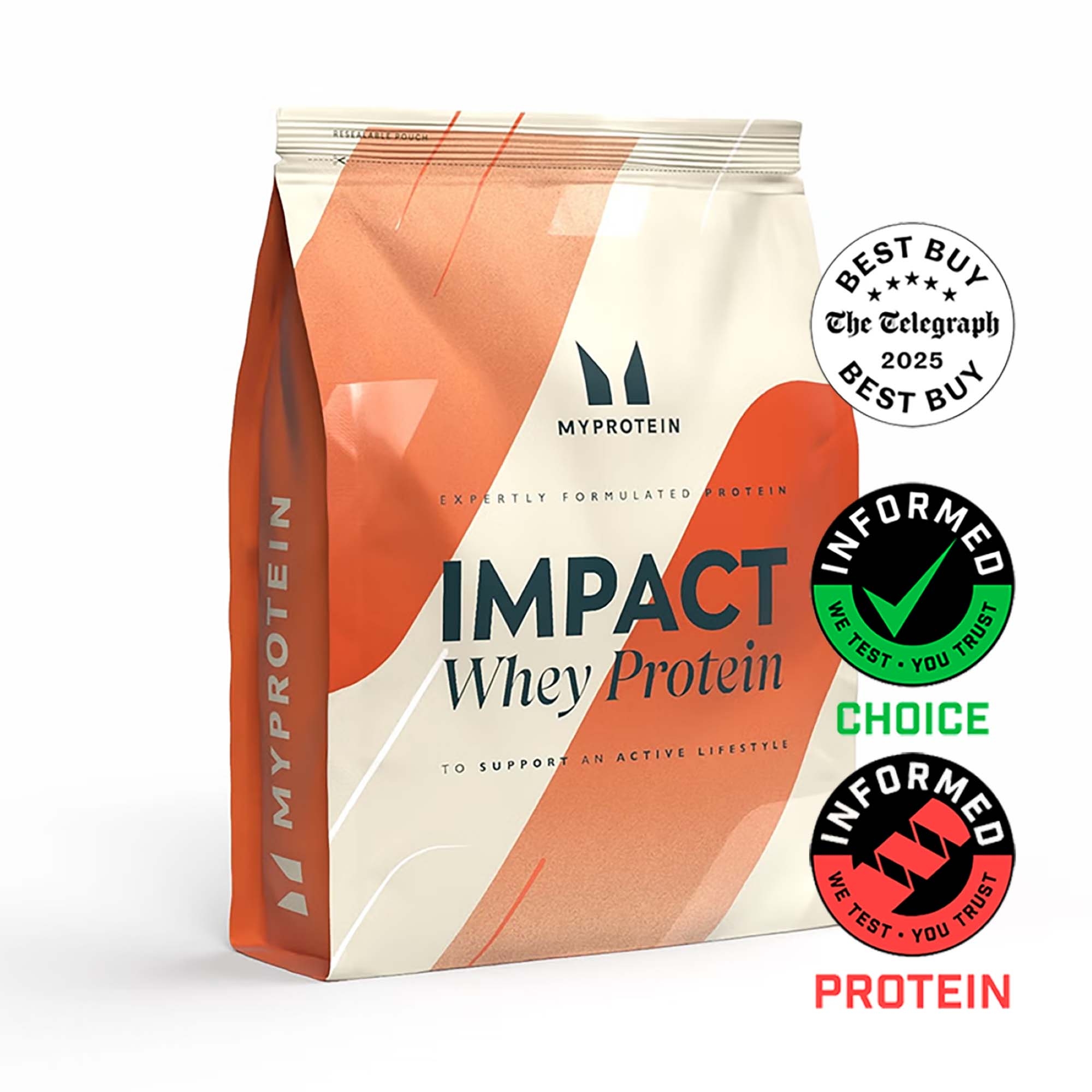
Are you worried about whether the whey protein you’re taking contains gluten? If you have gluten intolerance or celiac disease, choosing the right protein supplement is crucial for your health.
You might be asking yourself: Is gluten hiding in my whey protein powder? This question matters because even tiny amounts of gluten can cause serious issues for sensitive individuals. You’ll discover the truth about gluten in whey protein and learn how to pick a safe product that supports your fitness goals without risking your well-being.
Keep reading to protect your health and get the most from your protein shake.
Gluten And Whey Protein Basics
Many people are curious about gluten and whey protein. These are common topics in health and nutrition. Understanding them helps in making better dietary choices.
Let’s explore what gluten and whey protein are. We will also look at where gluten can be found in supplements.
What Is Gluten
Gluten is a protein found in some grains. These grains include wheat, barley, and rye. Gluten helps foods maintain their shape.
People with celiac disease must avoid gluten. It can cause health problems for them. Gluten is also avoided by some people without celiac disease.
What Is Whey Protein
Whey protein comes from milk. It is a popular supplement for building muscle. It is one of the two main proteins in milk, the other being casein.
Whey protein is rich in essential amino acids. These acids are important for muscle repair and growth. Many athletes use whey protein shakes.
Common Sources Of Gluten In Supplements
Some supplements may contain gluten. It is important to read labels carefully. Here are common sources of gluten in supplements:
- Wheat-based fillers
- Barley malt flavoring
- Cross-contamination in manufacturing
Always check for gluten-free labels. This helps ensure the supplement is safe for those avoiding gluten.
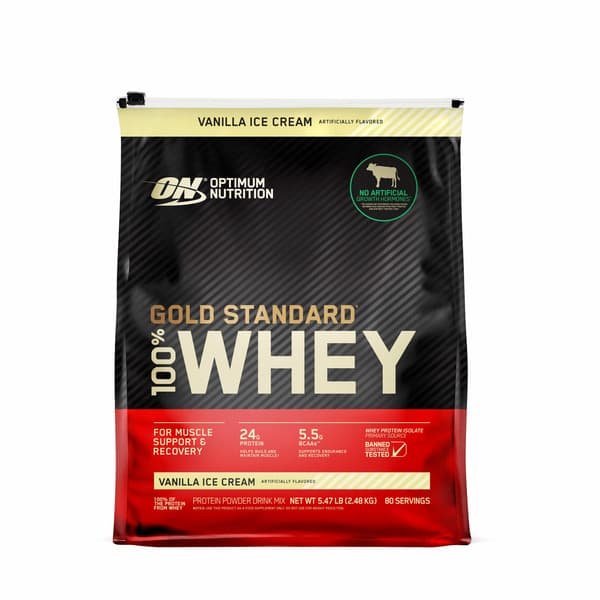
Credit: foodisgood.com
Gluten Contamination Risks In Whey Protein
Whey protein is a popular supplement made from milk. Many people wonder if it contains gluten. Gluten is a protein found in wheat, barley, and rye.
Gluten contamination can happen during whey protein production. This risk is important for people with gluten intolerance or celiac disease.
Cross-contamination During Manufacturing
Whey protein is often made in facilities that also process gluten-containing products. This can cause cross-contamination. Small gluten traces can mix into whey protein.
Equipment and surfaces not cleaned properly increase this risk. Even tiny amounts of gluten can affect sensitive people.
- Shared machinery with gluten products
- Inadequate cleaning between batches
- Storage near gluten ingredients
Hidden Gluten Ingredients
Some whey protein powders include added ingredients that may contain gluten. These can be flavorings, fillers, or stabilizers.
Gluten might not be obvious on the label if it is part of a blend or extract. Reading labels carefully helps avoid hidden gluten.
- Flavorings with wheat-derived ingredients
- Thickeners or fillers from gluten grains
- Modified starches containing gluten
Labeling And Certification
Labels can help identify gluten-free whey protein. Some products carry gluten-free certification. This means they meet strict gluten limits.
Look for gluten-free logos or statements on the package. This reduces the risk of gluten contamination for consumers.
- Certified gluten-free marks
- Clear ingredient lists
- Manufacturing process details
Health Impacts Of Gluten In Whey Protein
Whey protein is a popular supplement for muscle building and recovery. Some people worry about gluten in whey protein and its health effects.
Gluten is a protein found in wheat and some grains. It may cause problems for certain people when present in whey protein products.
Effects On Celiac Disease
Celiac disease is an autoimmune disorder triggered by gluten. Eating gluten harms the small intestine in people with celiac disease.
Whey protein can sometimes contain gluten if it is not labeled gluten-free. This can cause severe reactions in those with celiac disease.
- Damage to the small intestine lining
- Nutrient absorption problems
- Symptoms like diarrhea, pain, and fatigue
- Long-term health risks if gluten is consumed
Gluten Sensitivity And Allergies
Some people have gluten sensitivity but do not have celiac disease. They may feel bloated, tired, or have headaches after eating gluten.
Whey protein with gluten might cause discomfort or allergic reactions for these individuals. Avoiding gluten can reduce these issues.
- Symptoms include stomach pain and skin rashes
- Reactions may vary from mild to severe
- Gluten-free whey protein is safer for sensitive people
Digestive And Immune Responses
Gluten can trigger digestive problems and immune responses in some people. This happens when the body sees gluten as harmful.
Eating whey protein with gluten may cause gas, bloating, and inflammation. The immune system may react, causing discomfort or illness.
- Increased gut inflammation
- Disrupted digestion and nutrient absorption
- Immune system activation causing symptoms
- Better to choose gluten-free whey protein to avoid issues

Credit: www.amazon.ca
Choosing Gluten-free Whey Protein
Many people want to avoid gluten for health reasons. Whey protein is a popular supplement. It is important to know if it contains gluten.
Choosing gluten-free whey protein helps those with gluten intolerance or celiac disease stay safe. You can still get protein without gluten.
Reading Labels Carefully
Always check the ingredient list on whey protein packages. Look for any mention of gluten or wheat.
Some whey proteins may be processed in places that also handle gluten. This can cause cross-contamination.
- Look for words like barley, rye, or malt
- Check for allergen warnings about gluten
- Choose products that say “gluten-free” on the label
Certified Gluten-free Brands
Some brands have certification to prove their products have no gluten. This gives extra trust and safety.
Certifications come from groups that test products for gluten content. This testing helps avoid accidental gluten.
- Look for logos from gluten-free certification groups
- Buy from brands that test and label clearly
- Check brand websites for gluten-free statements
Alternative Protein Options
If you want to avoid whey or gluten completely, try other protein sources. Many plant-based options have no gluten.
These alternatives can support your nutrition without gluten worries.
- Pea protein is gluten-free and easy to digest
- Rice protein offers a mild flavor and no gluten
- Hemp protein contains fiber and no gluten
- Egg white protein is a good gluten-free animal option
Tips For Gluten-sensitive Individuals
People who are sensitive to gluten need to be careful with what they eat. Whey protein is popular, but some products might have gluten. Knowing how to avoid gluten helps keep you healthy.
This guide shares useful tips for gluten-sensitive individuals using whey protein. Follow these steps to stay safe and feel your best.
Avoiding Cross-contamination At Home
Cross-contamination happens when gluten touches gluten-free foods. At home, clean surfaces and tools well before using whey protein. Use separate containers for gluten-free products.
Store whey protein away from gluten foods to avoid mixing. Wash hands before handling your protein powder. These habits help keep your whey protein safe.
- Clean kitchen surfaces before use
- Use separate spoons and containers
- Store whey protein in a sealed container
- Wash hands before handling food
Consulting Healthcare Professionals
Talk to your doctor or dietitian before adding whey protein to your diet. They can help you choose safe products. Your healthcare provider can also test for gluten sensitivity.
Get advice on the right amount of protein for your body. Professionals can suggest brands less likely to contain gluten or cause reactions.
- Discuss whey protein options with your doctor
- Ask about gluten testing if unsure
- Follow dietary recommendations given
- Report any new symptoms promptly
Monitoring Symptoms And Adjusting Diet
Keep track of how your body reacts after using whey protein. Note any stomach pain, bloating, or other symptoms. If symptoms appear, stop the product and check labels again.
Adjust your diet based on your symptoms and doctor’s advice. Choose gluten-free whey protein or other protein sources if needed. Staying alert helps keep your health on track.
- Write down any digestive or skin symptoms
- Stop use if you feel unwell
- Read product labels carefully
- Switch to gluten-free protein if needed

Credit: biochemprotein.com
Frequently Asked Questions
Does Whey Protein Contain Gluten?
Whey protein itself does not contain gluten. It is derived from milk, not wheat or grains. However, some whey protein products may have gluten due to added ingredients or cross-contamination. Always check the label for gluten-free certification if you have gluten sensitivity or celiac disease.
Can Gluten-sensitive People Consume Whey Protein?
Yes, most gluten-sensitive people can safely consume pure whey protein. Ensure the product is labeled gluten-free to avoid hidden gluten. Cross-contamination during manufacturing is possible, so choose reputable brands that test for gluten presence to prevent adverse reactions.
How To Identify Gluten In Whey Protein Products?
Check the product label for gluten or wheat ingredients. Look for gluten-free certification or statements confirming no gluten presence. If unsure, contact the manufacturer for detailed information about their gluten testing and contamination prevention practices.
Why Is Gluten Sometimes Found In Whey Protein?
Gluten may be present due to added flavorings, fillers, or cross-contamination. Manufacturing facilities processing gluten-containing products can cause traces. Reading labels and choosing certified gluten-free whey protein reduces the risk of gluten exposure.
Conclusion
Whey protein usually does not contain gluten. Most brands make it gluten-free. Still, check the label to be sure. Some products may have added ingredients with gluten. People with gluten sensitivity or celiac disease should stay careful. Choose products labeled “gluten-free” for safety.
Protein helps build muscles and recover faster. You can enjoy whey protein without worry. Stay informed and pick the right product for you. Simple steps keep your diet safe and healthy.


