
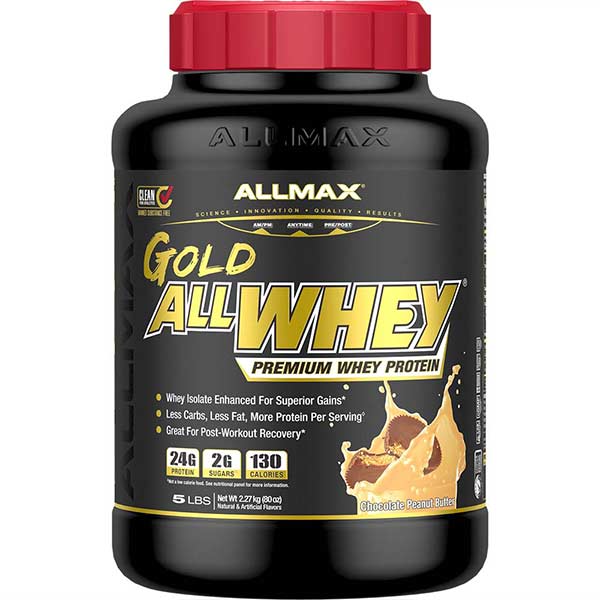
Are you confused about whey protein and whether all types are the same? You’re not alone.
Many people grab any whey protein off the shelf without knowing the differences that can impact your results. Choosing the right whey protein can make a big difference in how your body builds muscle, recovers, and feels overall. You’ll discover what sets whey proteins apart and how to pick the one that works best for your goals.
Keep reading—you might be surprised by what you learn.
Types Of Whey Protein
Whey protein is popular among people who want to build muscle. Not all whey protein is the same. There are different types, each with unique properties.
Understanding the types can help you choose the right one for your needs. Let’s explore the main types of whey protein.
Concentrate
Whey protein concentrate is the most common form. It contains low levels of fat and carbohydrates. The protein content can range from 30% to 90%.
This type is often used by beginners. It is affordable and has a good balance of nutrients.
- Higher in lactose compared to other types
- Suitable for those not lactose intolerant
- Rich in bioactive compounds
Isolate
Whey protein isolate has a higher protein content. It is usually over 90% protein. Most of the fat and lactose are removed.
This type is ideal for people who are lactose intolerant. It is also a good choice for those on low-fat diets.
- Contains very little fat
- Low in carbohydrates
- Quick absorption by the body
Hydrolysate
Whey protein hydrolysate is pre-digested. This means it is absorbed faster by the body. It is often used in medical protein supplements and infant formulas.
This type is less allergenic than other forms. It can be more expensive due to the processing involved.
- Quick digestion and absorption
- Often used in clinical nutrition
- May have a bitter taste
Nutritional Differences
Not all whey protein powders are the same. They differ in their nutrition.
Understanding these differences helps you pick the right protein for your needs.
Protein Content
Whey protein powders vary in how much protein they contain per serving.
Concentrates have less protein than isolates or hydrolysates.
- Concentrate: Usually 70-80% protein
- Isolate: Usually 90% or more protein
- Hydrolysate: Similar to isolate, but pre-digested protein
Lactose Levels
Lactose is a sugar found in milk. It can cause issues for some people.
Whey concentrates have more lactose. Isolates and hydrolysates have less.
- Concentrate: Higher lactose content
- Isolate: Very low lactose
- Hydrolysate: Lowest lactose, easier to digest
Fat And Carbohydrates
Fat and carbs vary in whey protein powders. This changes calorie count.
Concentrates have more fat and carbs than isolates or hydrolysates.
| Type | Fat | Carbohydrates |
|---|---|---|
| Concentrate | Higher fat | Higher carbs |
| Isolate | Low fat | Low carbs |
| Hydrolysate | Low fat | Low carbs |
Processing Methods
Whey protein comes from milk during cheese making. The way it is processed changes its quality and use.
Different processing methods affect the protein’s purity, texture, and taste.
Filtration Techniques
Filtration removes fat and lactose from whey. It helps get a higher protein content.
There are several ways to filter whey protein. Each one changes the final product.
- Microfiltration uses tiny filters to keep protein while removing fat.
- Ultrafiltration removes lactose and some minerals.
- Ion exchange uses electric charges to separate proteins.
Heat Treatment
Heat treatment kills bacteria and makes whey safe to eat. It also changes the protein structure.
Too much heat can damage proteins. This lowers the quality and mixability of whey protein.
- Low heat keeps protein quality high but may not kill all bacteria.
- High heat destroys bacteria but can reduce protein effectiveness.
- Pasteurization is a common heat process for safety.
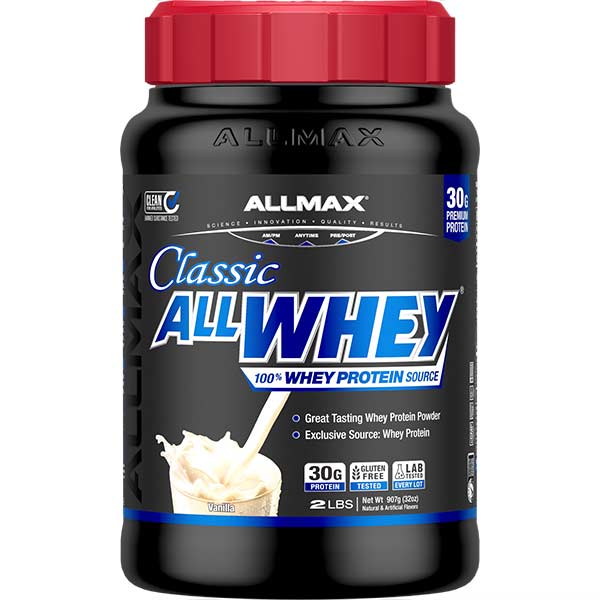
Additives And Flavorings
Many whey proteins include additives to improve taste and mixability. These can change the product.
Additives can add flavor, sweetness, or texture. Some people prefer pure whey without extras.
- Natural and artificial flavors enhance taste.
- Sweeteners like sucralose or stevia add sweetness without sugar.
- Emulsifiers help powder mix better with liquids.
Credit: allmaxnutrition.com
Impact On Muscle Growth
Whey protein is popular for muscle growth. Not all whey proteins are the same. Differences affect how muscles grow and recover.
Understanding these differences helps you choose the right protein for your goals.
Absorption Rates
Whey protein absorbs quickly in the body. Some types absorb faster than others. Faster absorption means muscles get nutrients sooner.
Whey isolate absorbs faster than concentrate. This can help muscle repair right after exercise.
- Whey isolate: fast absorption
- Whey concentrate: slower absorption
- Hydrolyzed whey: fastest absorption
Amino Acid Profiles
Amino acids build muscle proteins. Whey proteins have different amino acid amounts. Some have more branched-chain amino acids (BCAAs).
BCAAs like leucine help start muscle growth. Whey with higher BCAAs supports better muscle repair and growth.
| Whey Type | Leucine Content (per 25g) | BCAAs Total (per 25g) |
|---|---|---|
| Whey Isolate | 3.0g | 5.5g |
| Whey Concentrate | 2.5g | 5.0g |
| Hydrolyzed Whey | 3.0g | 5.5g |
Effectiveness In Recovery
Protein helps muscles recover after workouts. The quality of whey affects recovery speed. High-quality whey reduces muscle soreness.
Hydrolyzed whey often works best because it digests quickly. This helps muscles heal faster and get ready for the next workout.
- Faster digestion improves nutrient delivery
- More BCAAs support muscle repair
- Quality whey reduces muscle soreness
Choosing The Right Whey
Not all whey protein powders are the same. Different types suit different needs. Choosing the right whey helps you get the best results.
Look at your diet, goals, and budget before picking a whey protein. This will guide your choice well.
Dietary Restrictions
Some people cannot eat certain ingredients in whey protein. Lactose intolerance is common. Some need to avoid gluten or artificial additives.
Choose whey protein that fits your diet. Whey isolate has less lactose than concentrate. Check labels for allergens and additives.
- Whey concentrate: higher lactose, less processed
- Whey isolate: low lactose, purer protein
- Whey hydrolysate: pre-digested, easy to absorb
- Look for gluten-free or additive-free options if needed
Fitness Goals
Your fitness goal affects which whey protein you should choose. Muscle building needs more protein per serving. Weight loss may need lower carbs and fat.
Pick whey protein that supports your goal. Some powders have added carbs or fats. Others focus on pure protein.
- Muscle gain: choose whey with high protein content
- Weight loss: pick low-carb, low-fat whey isolate
- Recovery: hydrolysate can help quick absorption
- General health: balance protein with other nutrients
Budget Considerations
Whey protein prices vary by type and brand. Concentrate is usually cheaper. Isolate and hydrolysate cost more because of extra processing.
Decide how much you want to spend. Buying in bulk often lowers the cost per serving. Check the protein amount per scoop to compare value.
| Whey Type | Price | Protein Content |
|---|---|---|
| Concentrate | Low | 70-80% |
| Isolate | Medium | 90%+ |
| Hydrolysate | High | 90%+ |

Credit: www.amazon.ca
Common Myths About Whey Protein
Whey protein is popular for its health benefits. Many people use it for muscle growth and recovery.
Some ideas about whey protein are not true. These myths can confuse people about its use and effects.
Whey Causes Weight Gain
Some think whey protein makes you gain weight fast. Whey itself does not cause weight gain.
Weight gain happens when you eat more calories than you burn. Whey protein can help build muscles, which may add weight.
- Whey protein adds nutrients, not extra fat
- Calories from whey only cause weight gain if overused
- It supports muscle growth, which can increase weight healthily
All Whey Is Identical
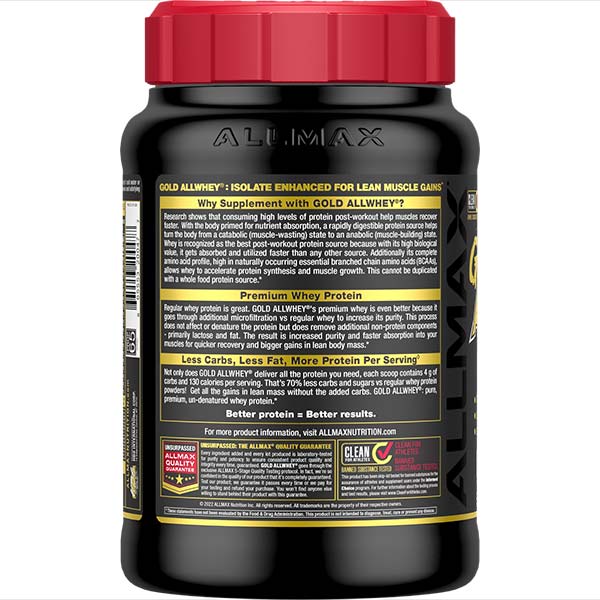
Not all whey proteins are the same. There are different types with unique features.
Whey concentrate, isolate, and hydrolysate differ in protein content and processing. Each type suits different goals and needs.
- Whey concentrate has more fat and lactose
- Whey isolate is purer with less fat and lactose
- Whey hydrolysate is broken down for faster absorption
Whey Is Only For Bodybuilders
Many believe whey protein is just for bodybuilders. Whey helps many people, not only athletes.
It supports muscle repair, weight management, and overall health. People of all ages can benefit from whey protein.
- Helps older adults keep muscle mass
- Aids people who want to lose weight
- Supports those recovering from illness or injury
Credit: allmaxnutrition.com
Frequently Asked Questions
What Are The Different Types Of Whey Protein?
Whey protein comes in three types: concentrate, isolate, and hydrolysate. Each varies in protein content, processing, and absorption speed.
Does Whey Protein Quality Vary By Brand?
Yes, quality varies by brand due to ingredient sourcing, processing methods, and added fillers or sweeteners.
How Does Whey Protein Affect Muscle Growth?
Whey protein provides essential amino acids that support muscle repair and growth after workouts.
Can Whey Protein Cause Allergies Or Intolerance?
Some people may experience lactose intolerance or allergies from whey protein, especially concentrates with higher lactose.
Conclusion
Not all whey protein is made the same way. Quality, ingredients, and processing differ a lot. Choose whey protein based on your health needs and goals. Reading labels helps you find the best option. This keeps you safe and supports your fitness journey.
Remember, smart choices lead to better results. Keep learning and stay informed about supplements. Your body will thank you for it.


