

Are you looking to transform your fitness routine without the need for an entire gym? Dumbbells might just be the perfect solution for you.
These versatile weights can help you build strength, improve balance, and increase muscle tone—all from the comfort of your home. But how do you get started, and what exercises will give you the best results? If you’ve ever felt overwhelmed by the idea of creating a workout plan or unsure of how to use dumbbells effectively, you’re not alone.
The good news is, you don’t have to be a fitness expert to see significant changes. In this guide, we’ll simplify the process and provide you with actionable steps to make your workout both effective and enjoyable. Ready to unlock the full potential of dumbbells? Let’s dive in and discover how you can achieve your fitness goals with ease.
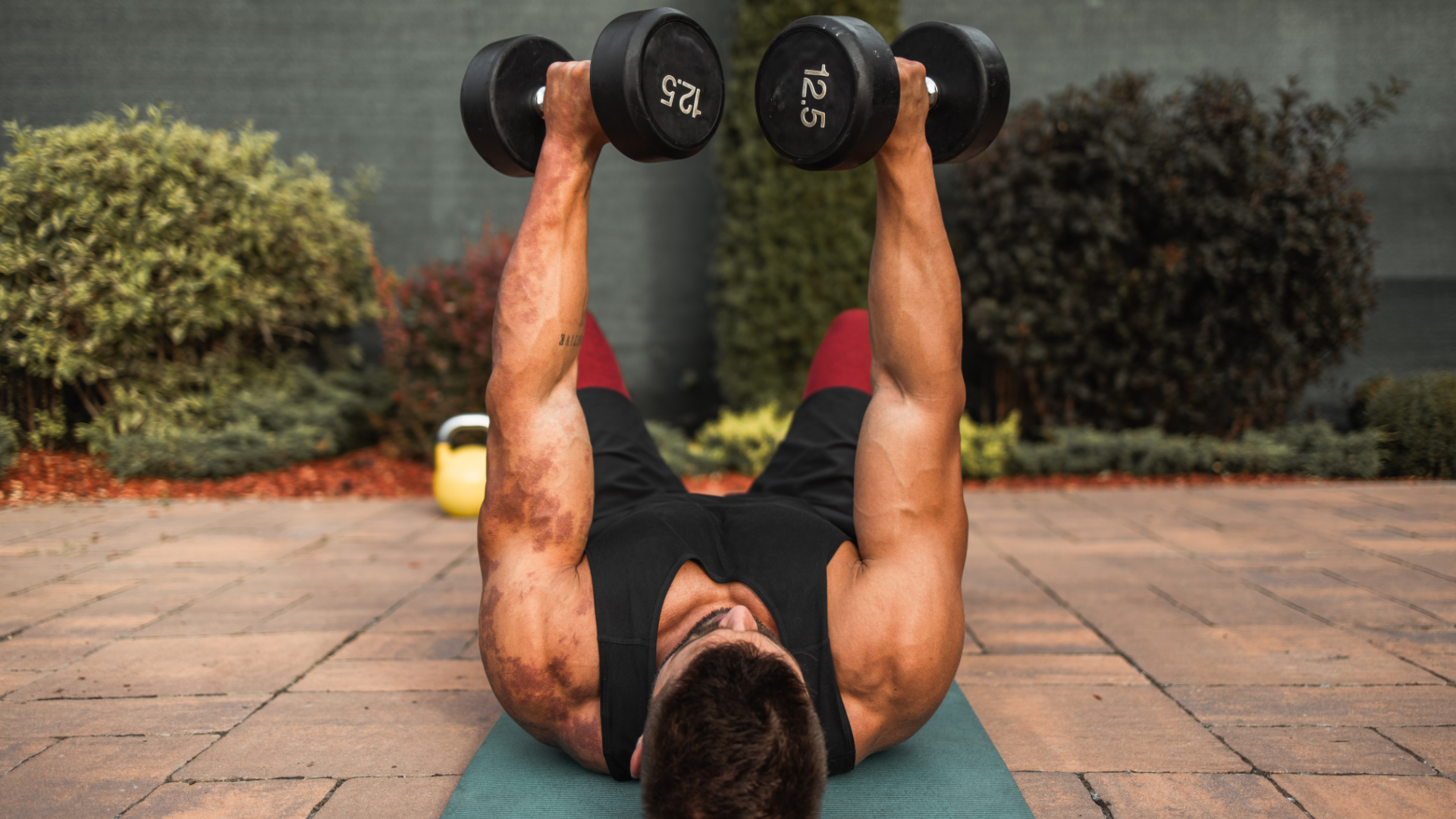
Credit: www.t3.com
Benefits Of Dumbbell Workouts
Dumbbell workouts are a simple way to build strength. They help you train many muscles at once.
You can do dumbbell exercises at home or the gym. They fit many workout styles and goals.
Improved Muscle Balance
Dumbbells make each side of your body work alone. This stops one side from doing all the work.
This helps fix strength differences between your left and right muscles. It also lowers injury risk.
Versatility And Convenience
Dumbbells let you do many exercises for your whole body. You can change weights to fit your level.
They are easy to store and carry. You can use dumbbells in small spaces or while traveling.
- Work arms, legs, chest, and back
- Adjust weight for beginners or experts
- Use at home, gym, or outdoors
Enhanced Joint Stability
Dumbbell exercises require you to control the weight by yourself. This helps your joints stay strong.
Stronger joints reduce pain and improve your movement. This helps with everyday activities and sports.

Credit: www.youtube.com
Choosing The Right Dumbbells
Selecting the right dumbbells is important for a good workout. The right weight helps you build strength safely.
There are different types of dumbbells. You should think about your goals and space before buying.
Fixed Vs Adjustable Dumbbells
Fixed dumbbells have one set weight. They are simple and easy to use. You pick the pair you want and start exercising.
Adjustable dumbbells let you change the weight. You add or remove plates to match your strength level. They save space and money.
- Fixed dumbbells are good for fast workouts
- Adjustable dumbbells are space-saving
- Fixed sets can be heavier and more durable
- Adjustable sets offer more weight options
Weight Selection Tips
Choose dumbbells that match your current strength. Start with lighter weights to learn proper form.
Increase the weight gradually. Pick weights that allow 8 to 12 good reps without pain.
- Test different weights before buying
- Use lighter weights for warm-ups
- Keep heavier dumbbells for strength exercises
- Choose weights that challenge you but feel safe
Materials And Grip Options
Dumbbells come in many materials like metal, rubber, and plastic. Each feels different in your hand.
Look for grips that are comfortable and not slippery. Good grips help prevent injuries during workouts.
- Metal dumbbells last long but can be cold
- Rubber-coated dumbbells protect floors
- Plastic dumbbells are light and cheap
- Knurled metal grips provide good hold
- Soft rubber grips feel comfortable
Warm-up Exercises With Dumbbells
Warming up before using dumbbells helps prepare your muscles. It reduces the chance of injury and improves performance.
Use light dumbbells to gently get your body ready. Focus on moving your muscles and joints smoothly.
Dynamic Stretching
Dynamic stretching uses controlled movements to stretch muscles. It warms up your body without holding still.
Try arm circles and leg swings while holding light dumbbells. These moves increase blood flow to key muscles.
- Arm circles: Hold dumbbells and rotate arms forward and backward.
- Leg swings: Hold dumbbells for balance, swing legs side to side.
- Torso twists: Hold dumbbells close, twist your upper body gently.
Lightweight Repetitions
Use light dumbbells to do slow, controlled repetitions. This warms up your muscles and joints.
Choose weights you can lift easily for 10 to 15 reps. Focus on smooth movements and good form.
- Bicep curls: Lift dumbbells to your shoulders and lower slowly.
- Shoulder presses: Push dumbbells overhead and bring them down.
- Lateral raises: Lift dumbbells to the side up to shoulder height.
Joint Mobility Drills
Joint mobility drills help your joints move freely. They prepare your body for heavier exercises.
Use light dumbbells to guide your joints through their full range of motion. Move slowly and steadily.
- Wrist circles: Hold dumbbells and rotate wrists clockwise and counterclockwise.
- Elbow bends: Slowly bend and straighten elbows with light weights.
- Hip circles: Hold dumbbells at your sides and rotate your hips in circles.
Full-body Dumbbell Workout Plan
Dumbbells are simple tools for a full-body workout. You can build strength and tone muscles at home.
This plan targets your upper body, lower body, and core. It helps balance your muscle development.
Upper Body Moves
Dumbbells work your arms, shoulders, and chest. These moves improve strength and muscle shape.
Start with lighter weights. Increase weight as you get stronger to avoid injury.
- Bicep curls: Lift dumbbells by bending your elbows.
- Shoulder press: Push dumbbells overhead while standing.
- Chest fly: Lie down and open arms wide with dumbbells.
- Tricep kickbacks: Extend arms behind your body.
Lower Body Exercises
Dumbbells help strengthen your legs and glutes. These exercises improve balance and power.
Keep your back straight and knees soft during these moves to protect joints.
- Goblet squat: Hold one dumbbell at chest level and squat down.
- Lunges: Step forward holding dumbbells in each hand.
- Deadlifts: Lower dumbbells to the ground with straight back.
- Calf raises: Hold dumbbells and lift your heels up.
Core Strengthening
Strong core muscles support your whole body. Dumbbells add resistance for better results.
Focus on control and steady breathing during core exercises.
- Dumbbell Russian twists: Sit and twist holding one dumbbell.
- Weighted sit-ups: Hold a dumbbell on your chest while sitting up.
- Plank rows: In plank position, pull dumbbells up one at a time.
- Dumbbell side bends: Stand and bend side to side with dumbbells.
Techniques For Maximum Effectiveness
Using dumbbells in your workout can improve strength and muscle tone. To get the best results, use the right techniques.
Good habits help prevent injury and make exercises more effective. Focus on form, movement speed, and breathing.
Proper Form And Posture
Keep your back straight and shoulders relaxed when lifting dumbbells. Avoid rounding your spine to reduce injury risk.
Stand with feet shoulder-width apart for balance. Use controlled muscle movements instead of swinging the weights.
- Engage your core muscles for stability
- Keep elbows close to your body
- Align wrists with forearms to avoid strain
Controlled Movement Speed
Lift and lower dumbbells slowly. Fast movements reduce muscle engagement and may cause injury.
Focus on smooth, steady motion. Pause briefly at the top and bottom of each rep for better muscle work.
- Lift weight in 2 seconds
- Hold for 1 second at peak
- Lower weight in 3 seconds
Breathing Patterns
Breathe out as you lift the dumbbells. Breathing in occurs as you lower the weights.
Proper breathing helps keep your body stable and supplies oxygen to muscles. Avoid holding your breath.
- Exhale during the exertion phase
- Inhale during the relaxation phase
- Keep a steady breathing rhythm
Increasing Intensity Safely
Using dumbbells can build strength and muscle effectively. Increasing workout intensity helps progress but must be done safely.
Focus on proper form and gradual changes to avoid injury. Here are key methods to increase workout intensity with dumbbells.
Progressive Overload
Progressive overload means slowly increasing the weight or reps. This helps your muscles grow stronger over time.
- Start with a weight you can lift comfortably.
- Add small weight increases regularly.
- Increase repetitions before adding more weight.
- Keep good form to prevent injury.
- Track your progress in a workout log.
Supersets And Circuits
Supersets and circuits raise intensity by reducing rest between exercises. This keeps your heart rate up and challenges muscles.
- Supersets:Perform two exercises back to back for different muscle groups.
- Circuits:Do a series of exercises with little rest between each.
- Use lighter weights to maintain form during quick sets.
- Supersets and circuits save time and increase calorie burn.
Rest And Recovery
Rest is important to let muscles repair and grow stronger. Lack of rest can cause injury and limit progress.
| Rest Type | Purpose | Recommended Time |
| Between Sets | Recover energy for next set | 30 seconds to 2 minutes |
| Between Workouts | Allow muscle repair | 24 to 48 hours |
| Sleep | Overall recovery and growth | 7 to 9 hours per night |
Common Mistakes To Avoid
Using dumbbells can improve your strength and fitness. But some common mistakes can slow your progress or cause injury.
Knowing what to avoid helps you get better results safely. Here are key errors to watch out for.
Overtraining Risks
Training too hard or too often can harm your body. Overtraining can cause tired muscles and increase injury risk.
- Give your muscles time to rest between workouts.
- Watch for signs like constant soreness or fatigue.
- Do not skip rest days to allow recovery.
- Balance workouts with proper nutrition and sleep.
Incorrect Weight Choices
Choosing the wrong dumbbell weight can reduce workout benefits. Too heavy weights cause poor form and injuries.
| Weight Choice | Effect |
| Too Light | Less muscle activation and slow progress |
| Too Heavy | Strain, bad form, and possible injury |
| Right Weight | Good form and effective muscle building |
Neglecting Warm-up And Cool-down
Skipping warm-up and cool-down raises injury chances. Warm-ups prepare muscles and joints for exercise.
- Start with light cardio or dynamic stretches.
- Use warm-up sets with lighter dumbbells.
- Cool down with slow movements and stretching.
- These steps reduce muscle soreness and stiffness.
Tracking Progress And Staying Motivated
Using dumbbells for workouts can improve your strength and health. Tracking progress helps you see gains and stay on track.
Motivation can fade over time. It is important to find ways to keep yourself excited about exercising.
Setting Realistic Goals
Set clear and reachable goals for your dumbbell workouts. Small goals help build confidence and keep you moving forward.
- Decide how many times you will exercise each week
- Choose the weight of dumbbells that suits your level
- Plan to increase reps or weight gradually
- Set a time frame to reach your goals
Using Workout Logs
Keep a workout log to record your exercises, weights, and reps. This helps you see progress and adjust your plan.
| Date | Exercise | Weight (lbs) | Reps |
| April 1 | Bicep Curls | 10 | 12 |
| April 3 | Shoulder Press | 12 | 10 |
| April 5 | Tricep Kickbacks | 8 | 15 |
Incorporating Variety
Change your dumbbell workouts often. This keeps your muscles challenged and your mind interested.
- Try different exercises for each muscle group
- Use various dumbbell weights and sets
- Mix workout styles like circuits and supersets
- Include rest days to let muscles recover

Credit: www.youtube.com
Frequently Asked Questions
What Are The Best Dumbbell Exercises For Beginners?
Start with basic moves like bicep curls, shoulder presses, and dumbbell squats. These exercises target major muscle groups and build foundational strength safely.
How Often Should I Workout With Dumbbells Weekly?
Aim for 3 to 4 sessions per week. Allow 48 hours of rest between workouts to help muscles recover and grow stronger.
Can Dumbbell Workouts Help Build Muscle Fast?
Yes, dumbbell workouts can build muscle quickly when combined with proper form, progressive overload, and balanced nutrition.
What Weight Dumbbells Should Beginners Use?
Start with light weights that allow 12 to 15 reps with good form. Gradually increase weight as strength improves.
Conclusion
Dumbbell workouts help build strength and improve fitness. You can do many exercises with dumbbells at home or the gym. Start with light weights and focus on good form. Gradually increase weight as your muscles get stronger. Consistency is key to see real progress.
Remember to rest and avoid overtraining. Keep your workouts simple and enjoy the process. Small steps lead to big results. Stay active and keep moving with dumbbells every day.


