

Are you tired of having weak forearms that limit your grip and overall strength? Building strong forearms can make a huge difference in your daily tasks and workouts.
The good news is, you don’t need fancy equipment to get there—just a pair of dumbbells and the right exercises. You’ll discover simple, effective ways to work your forearms with dumbbells that fit easily into your routine. Keep reading to unlock the secrets to stronger, more powerful forearms that will boost your performance and confidence.
Benefits Of Forearm Training
Working your forearms with dumbbells can improve your overall fitness. Strong forearms offer multiple benefits for daily activities and workouts.
Let’s explore the specific advantages of forearm training, focusing on grip strength, wrist stability, and arm definition.
Improved Grip Strength
Grip strength is crucial for many tasks and exercises. Strong forearms help you hold onto weights better, enhancing workout performance.
Improved grip strength also makes everyday activities easier. This includes carrying groceries or opening jars with less effort.
- Helps in weightlifting and climbing
- Makes carrying heavy items easier
- Assists in sports like tennis and golf
Enhanced Wrist Stability
Training forearms can stabilize your wrists. This stability reduces the risk of injuries during physical activities.
Strong wrists allow for better control in exercises. They also provide support for movements that require precision.
- Prevents wrist injuries
- Improves control in sports
- Supports precise movements
Better Overall Arm Definition
Forearm exercises can enhance the appearance of your arms. Defined forearms contribute to an overall toned look.
This definition can be achieved by including specific forearm workouts. Consistent training leads to visible results over time.
- Contributes to a balanced arm appearance
- Improves muscle tone and definition
- Enhances visual appeal of your arms

Credit: www.soletreadmills.com
Essential Dumbbell Exercises
Strong forearms help with grip, lifting, and daily tasks. Dumbbells are great tools for forearm workouts.
Try these exercises to build forearm strength and improve wrist control.
Wrist Curls
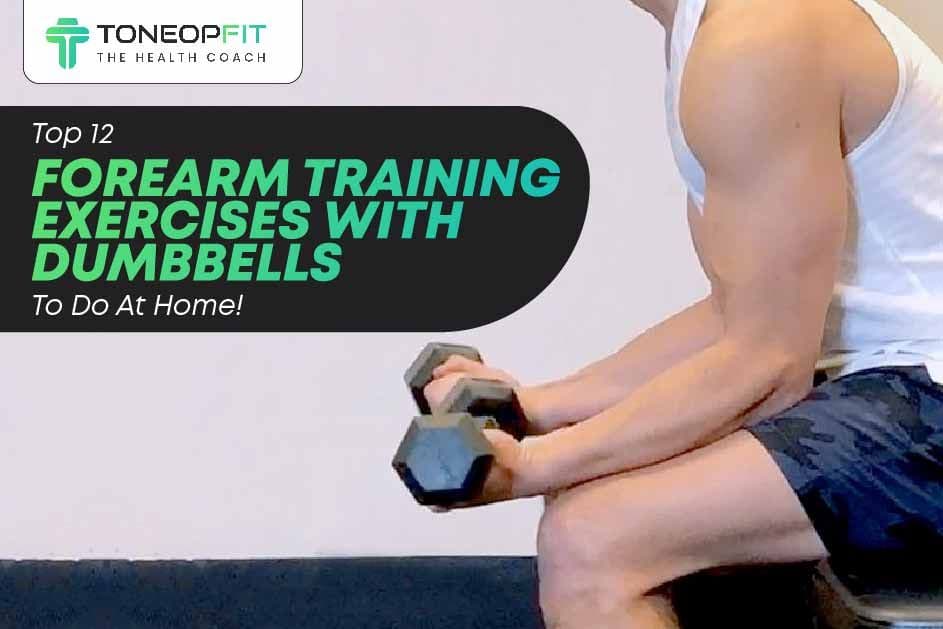
Wrist curls target the muscles on the inside of your forearms. Sit on a bench and rest your forearms on your thighs.
Hold dumbbells with palms facing up. Curl your wrists up slowly, then lower the weights back down.
Reverse Wrist Curls
Reverse wrist curls work the muscles on the top side of your forearms. Sit and rest your forearms on your thighs.
Hold dumbbells with palms facing down. Lift your wrists up and then lower them slowly.
Hammer Curls
Hammer curls strengthen your forearms and biceps. Stand up and hold dumbbells at your sides with thumbs facing forward.
Keep your elbows close to your body. Curl the dumbbells up while keeping your wrists neutral, then lower slowly.
Farmer’s Walk
Farmer’s walk builds grip and forearm endurance. Hold heavy dumbbells in each hand and stand tall.
Walk forward for a set distance or time. Keep your shoulders back and core tight.
Proper Form And Technique
Working your forearms with dumbbells helps build strength and improve grip. Using the right form is key to avoid injury and get results.
Focus on control and wrist position during each exercise. This keeps your muscles engaged and protects your joints.
Correct Wrist Positioning
Keep your wrists straight and firm while lifting dumbbells. Avoid bending them up or down to reduce strain.
Hold the dumbbell with a neutral grip, letting your forearm guide the movement. This targets the forearm muscles properly.
- Keep wrists aligned with your forearms
- Do not let wrists bend sideways
- Hold dumbbells firmly but not too tight
Controlled Movement
Move dumbbells slowly and with control. Fast or jerky movements reduce muscle work and can cause injury.
Lower the weight slowly to keep tension in your forearms. Focus on feeling the muscles work during each rep.
- Lift and lower weights in 2-3 seconds
- Pause briefly at the top and bottom
- Keep your movements smooth and steady
Avoiding Common Mistakes
Do not use too much weight. Heavy dumbbells make you lose form and risk injury. Choose a weight you can control.
Avoid swinging your arms or using your body to lift. This reduces forearm work and can cause strain.
- Use moderate weight for proper control
- Keep elbows close to your body
- Do not swing or jerk the dumbbells
- Focus on forearm muscles, not momentum
Credit: toneopfit.com
Workout Routines For Forearm Growth
Strong forearms improve grip and help with many exercises. Using dumbbells is a simple way to build forearm muscles. You can do these workouts at home or the gym.
Choose a routine that fits your experience level. Start with easy moves and add more weight and sets as you progress.
Beginner Routine
This routine helps beginners get used to forearm exercises. Use light dumbbells and focus on form. Do this 2-3 times a week.
- Wrist Curls: 3 sets of 12 reps
- Reverse Wrist Curls: 3 sets of 12 reps
- Farmer’s Carry with Light Dumbbells: 2 rounds of 30 seconds
Rest for 60 seconds between sets. Move slowly and control the weight on the way down.
Intermediate Routine
This routine adds volume and weight. Use medium dumbbells and increase sets. Train forearms 3-4 times a week.
- Wrist Curls: 4 sets of 15 reps
- Reverse Wrist Curls: 4 sets of 15 reps
- Hammer Curls: 3 sets of 12 reps
- Farmer’s Carry with Moderate Dumbbells: 3 rounds of 45 seconds
Take 45 seconds rest between sets. Keep your wrists steady during each move.
Advanced Routine
This routine uses heavier dumbbells and more sets. Train forearms 4-5 times a week. Focus on slow, controlled motions.
- Wrist Curls: 5 sets of 20 reps
- Reverse Wrist Curls: 5 sets of 20 reps
- Hammer Curls: 4 sets of 15 reps
- Farmer’s Carry with Heavy Dumbbells: 4 rounds of 60 seconds
- Zottman Curls: 3 sets of 12 reps
Rest for 30 seconds between sets. Use full range of motion for best results.
Tips For Maximizing Forearm Strength
Strong forearms help with grip and improve overall arm power. Using dumbbells is a great way to target these muscles.
Here are some tips to get the most out of your forearm workouts with dumbbells.
Progressive Overload
Increase the weight or reps gradually to build forearm strength. This forces your muscles to adapt and grow.
Start with lighter dumbbells and add small increments over time. This helps avoid injury and keeps progress steady.
- Use heavier dumbbells every 1-2 weeks
- Increase the number of sets or reps
- Try slower, controlled movements to increase tension
Rest And Recovery
Your forearms need time to recover after workouts. Rest helps muscles repair and grow stronger.
Avoid training forearms every day. Give at least 48 hours between sessions to prevent overuse injuries.
- Sleep well to support muscle recovery
- Stretch forearms gently after workouts
- Use light activity or massage to reduce soreness
Incorporating Forearm Training Into Full Workouts
Add forearm exercises at the end of your regular arm or upper body workouts. This keeps your routine balanced.
Use dumbbell wrist curls, reverse curls, and farmer’s walks to target different forearm muscles effectively.
- Combine with bicep and tricep exercises
- Perform 2-3 forearm exercises per session
- Keep sessions to 15-20 minutes for forearms
Injury Prevention And Safety
Working forearms with dumbbells helps build strength and endurance. It is important to avoid injuries during these exercises.
Proper safety steps keep your muscles and joints healthy. This guide explains how to protect your forearms.
Warm-up Exercises
Warming up prepares your muscles for exercise. It increases blood flow and reduces injury risk.
Start with light movements for 5-10 minutes before lifting dumbbells.
- Rotate wrists slowly in circles
- Open and close your hands repeatedly
- Do gentle wrist flex and extend movements
- Use a light dumbbell or no weight at all
Recognizing Overuse Symptoms
Overuse can cause pain and swelling in your forearms. Watch for signs early to avoid serious injury.
If you feel sharp pain or constant soreness, take a break and rest your muscles.
- Persistent aching or tenderness
- Swelling or redness around joints
- Weak grip or difficulty holding objects
- Numbness or tingling in fingers
Proper Stretching Techniques
Stretching improves flexibility and reduces muscle tightness. Always stretch after your workout.
Hold each stretch gently for 15-30 seconds without bouncing.
- Wrist flexor stretch: Extend arm palm up, pull fingers down with other hand
- Wrist extensor stretch: Extend arm palm down, pull fingers back gently
- Forearm pronation/supination: Rotate forearm slowly palm up and down
- Finger stretches: Spread fingers wide, then clench into a fist

Credit: www.youtube.com
Frequently Asked Questions
What Are The Best Dumbbell Exercises For Forearms?
The best dumbbell exercises for forearms include wrist curls, reverse wrist curls, and farmer’s carries. These target both wrist flexors and extensors effectively. Using moderate weight with controlled movements enhances muscle growth and grip strength. Incorporate these exercises regularly for balanced forearm development.
How Often Should I Train Forearms With Dumbbells?
Train forearms with dumbbells 2-3 times per week for optimal results. Allow at least 48 hours of rest between sessions. Forearms recover quickly but need rest to avoid overtraining. Consistency and gradual progression improve strength and muscle size over time.
Can Dumbbell Forearm Workouts Improve Grip Strength?
Yes, dumbbell forearm workouts significantly improve grip strength. Exercises like wrist curls and farmer’s carries engage muscles responsible for gripping. Stronger forearms enhance performance in lifting, climbing, and daily activities. Regular training with dumbbells builds endurance and grip power.
Should I Use Heavy Or Light Dumbbells For Forearm Training?
Use moderate to light dumbbells for forearm training to maintain control and proper form. Forearm muscles respond well to higher repetitions with lighter weights. Heavy weights can cause strain or improper technique. Focus on slow, controlled movements for best results.
Conclusion
Working your forearms with dumbbells helps build strength and endurance. Small, consistent workouts bring noticeable results over time. Use different grips and exercises for balanced muscle growth. Rest and proper form reduce the chance of injury. Keep your routine simple and steady to stay motivated.
Strong forearms improve daily tasks and other workouts. Try these tips and feel the difference soon.


