

Are you ready to take your workouts to the next level? Using dumbbells is one of the simplest and most effective ways to build strength, tone your muscles, and boost your fitness.
But if you’re unsure where to start or worried about doing it wrong, you’re not alone. This guide will show you exactly how to use dumbbells safely and efficiently, so you can get the results you want without wasting time or risking injury.
Keep reading, and you’ll discover easy tips and tricks that make every workout count. Your stronger, healthier body is just a few moves away.
Choosing The Right Dumbbells
Dumbbells are essential for strength training. Picking the right ones can improve your workout. You need to consider several factors before buying.
Consider your fitness goals and storage space. Dumbbells come in various types and materials. Let’s explore these to make an informed choice.
Fixed Vs Adjustable Dumbbells
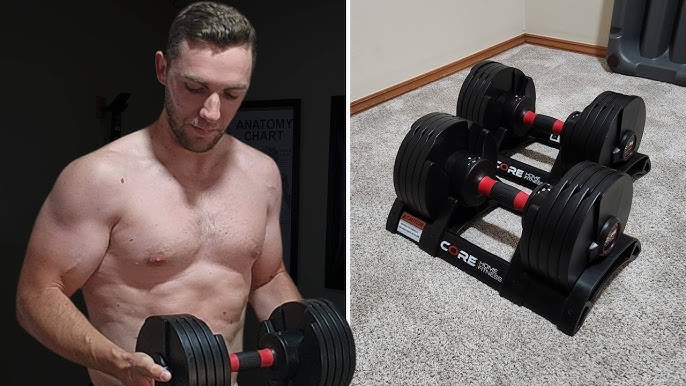
Fixed dumbbells have a set weight. They are simple and easy to use. Adjustable dumbbells allow you to change the weight. They save space and offer versatility.
- Fixed: Best for beginners and straightforward workouts.
- Adjustable: Ideal for varied routines and small spaces.
Selecting Appropriate Weight
Choose a weight that challenges you but is not too heavy. Start with a lighter weight if you are new to strength training.
As you get stronger, increase the weight gradually. This prevents injury and helps build muscle effectively.
Material And Grip Considerations
Dumbbells are made from materials like rubber, neoprene, or metal. Rubber and neoprene are gentle on floors and quiet. Metal is durable and often used in gyms.
Grip is important for comfort and safety. Look for textured handles to avoid slipping. Test the grip to ensure it feels comfortable in your hands.
Credit: www.t3.com
Basic Dumbbell Exercises
Dumbbells are simple tools that help build strength. You can use them at home or in the gym.
These exercises focus on different muscle groups. Using dumbbells helps improve muscle tone and balance.
Upper Body Moves
Upper body exercises target your arms, shoulders, and chest. They help you lift and push objects.
Start with light weights and keep your movements slow and controlled.
- Bicep Curl:Hold dumbbells and lift them toward your shoulders.
- Shoulder Press:Push dumbbells overhead while standing or sitting.
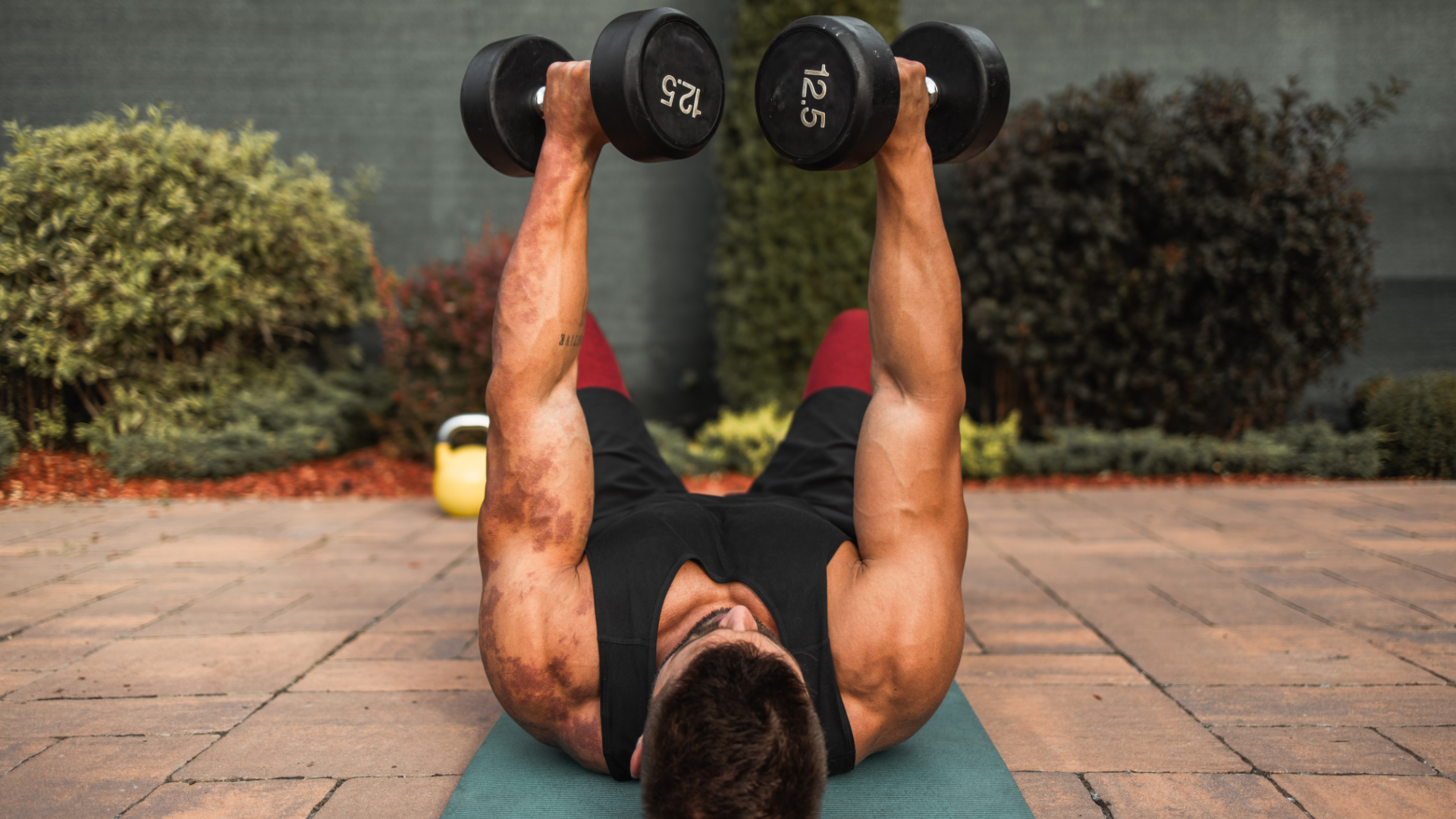
- Chest Fly:Lie on a bench and open arms wide then bring dumbbells together.
- Tricep Kickback:Bend forward and extend arms backward holding dumbbells.
Lower Body Moves
Lower body exercises focus on legs and glutes. Dumbbells add resistance to make muscles stronger.
Keep your back straight and knees aligned during these moves.
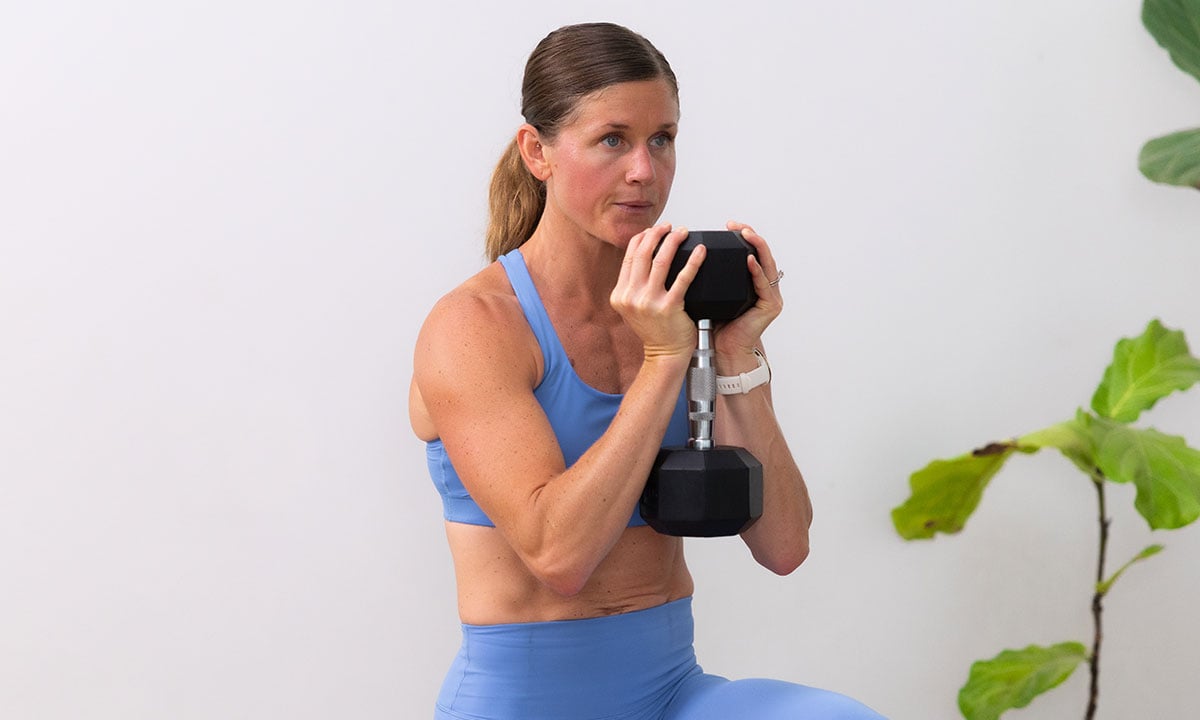
- Goblet Squat:Hold a dumbbell close to your chest and squat down.
- Lunges:Step forward with one leg and lower your body.
- Deadlift:Hold dumbbells in front and bend at hips to lower them.
- Calf Raises:Hold dumbbells and raise your heels off the ground.
Core Strengthening Exercises
Core exercises work your abs and lower back. Dumbbells add challenge and help build stability.
Focus on steady breathing and keep your core tight during each move.
- Russian Twist:Sit and twist your torso holding a dumbbell side to side.
- Dumbbell Side Bend:Stand and bend sideways holding a dumbbell.
- Weighted Sit-Up:Hold a dumbbell on your chest and do a sit-up.
- Plank Row:In a plank, lift one dumbbell at a time toward your waist.
Proper Form And Technique
Using dumbbells correctly helps you build strength safely. Good form reduces the chance of injury.
Focus on smooth movements and control. Avoid rushing through exercises.
Common Mistakes To Avoid
Many people lift weights that are too heavy. This causes poor form and strain.
Another mistake is swinging the dumbbells. This takes work away from the muscles.
- Do not lock your joints at the top of the movement.
- Avoid using momentum to lift the weights.
- Keep your wrists straight, not bent.
- Do not hold your breath during lifts.
Breathing And Posture Tips
Breathe out when you lift or push the dumbbells. Breathe in when you lower them.
Keep your back straight and shoulders down. Good posture helps protect your spine.
- Stand or sit with feet flat on the floor.
- Engage your core muscles for stability.
- Do not hunch your shoulders forward.
- Keep your head aligned with your spine.
Creating An Effective Dumbbell Workout
Dumbbells are a great tool for building strength at home or in the gym. They allow you to work many muscles in your body.
You can use dumbbells to do full-body workouts or focus on certain muscles. Combining them with bodyweight exercises adds variety.
Full-body Routines
Full-body dumbbell workouts target all major muscle groups in one session. These routines save time and improve overall strength.
Choose exercises that work your legs, back, chest, shoulders, and arms. Use light to moderate weights for more reps.
- Dumbbell squats for legs
- Chest presses for chest
- Bent-over rows for back
- Shoulder presses for shoulders
- Bicep curls and tricep extensions for arms
Targeted Muscle Group Workouts
Focus on one or two muscle groups in each workout. This helps build strength and size in specific areas.
Pick 3 to 5 exercises for the chosen muscles. Use heavier weights and fewer reps to increase muscle tension.
- Chest: dumbbell flyes, chest press
- Back: single-arm rows, reverse flyes
- Legs: lunges, dumbbell deadlifts
- Shoulders: lateral raises, front raises
- Arms: hammer curls, overhead tricep extensions
Combining Dumbbells With Bodyweight Exercises
Mix dumbbell moves with bodyweight exercises to create balanced workouts. This improves strength and stability.
Bodyweight exercises work your core and improve coordination. Dumbbells add resistance to build muscle.
- Push-ups paired with dumbbell rows
- Bodyweight squats with dumbbell shoulder presses
- Planks combined with dumbbell bicep curls
- Mountain climbers followed by dumbbell lunges
Progressing Your Workouts
Using dumbbells can help you build strength and muscle. To keep improving, you need to challenge your body more.
Progressing your workouts means increasing difficulty over time. This keeps your muscles growing and avoids plateaus.
Increasing Weight And Reps
Adding more weight to your dumbbells makes your muscles work harder. This helps you get stronger.
You can also do more repetitions with the same weight. This improves muscle endurance and tone.
- Start with a comfortable weight
- Add small weight increases regularly
- Try to do 8-12 reps per set
- Increase reps once weights feel easy
Incorporating Supersets And Circuits
Supersets mean doing two exercises back-to-back without rest. This saves time and boosts intensity.
Circuits combine several exercises in a row. You rest after finishing all moves. This builds strength and endurance.
- Pair exercises targeting different muscles for supersets
- Choose 3-5 exercises for a circuit
- Do each exercise 10-15 times
- Rest 1-2 minutes after a circuit
Tracking Your Progress
Write down your weights, reps, and sets after each workout. This helps you see improvements.
Tracking also shows when to increase weight or reps. It keeps your workouts organized and effective.
- Use a workout journal or app
- Record the date, exercises, weights, and reps
- Review progress every week
- Adjust your workout plan based on your data
Credit: www.nourishmovelove.com
Safety Tips And Injury Prevention
Using dumbbells is a great way to build strength. Safety is important to avoid injuries while exercising.
Follow simple tips to keep your workouts safe and effective. This helps you stay healthy and keep training.
Warm-up And Cool-down
Warming up prepares your muscles and joints for exercise. Cooling down helps your body recover after workouts.
Spend 5 to 10 minutes warming up with light cardio. Stretch your arms, shoulders, and back gently before lifting dumbbells.
- Do arm circles and shoulder rolls
- Stretch your wrists and fingers
- Walk or jog slowly to raise heart rate
- After exercise, stretch muscles used during lifting
- Hold each stretch for 15 to 30 seconds
Avoiding Overtraining
Overtraining can cause pain and slow recovery. It happens when you exercise too hard or too often.
Listen to your body and rest when needed. Give muscles time to heal before your next dumbbell workout.
- Limit workouts to 3-4 times per week
- Use lighter weights if feeling tired
- Do not ignore persistent pain or soreness
- Take rest days to allow muscle recovery
When To Seek Professional Advice
Ask a trainer or doctor if you feel pain during exercises. Experts can help you use dumbbells safely.
Get advice if you have injuries or health problems before starting dumbbell workouts.
- Consult a trainer to learn correct form
- See a doctor for joint or muscle pain
- Talk to a physical therapist after injury
- Get help if you feel dizzy or weak during exercise
Benefits Of Dumbbell Training
Dumbbell training is a simple way to improve your fitness. It helps build strength and tones muscles.
You can use dumbbells at home or at the gym. They fit many workouts and skill levels.
Improved Strength And Muscle Tone
Dumbbells work different muscles in your body. They help you get stronger over time.
Using dumbbells regularly can improve muscle tone. Your body looks firmer and more defined.
Enhanced Flexibility And Balance
Dumbbell exercises often require control and coordination. This improves your balance and flexibility.
Better balance reduces the risk of falls. Flexibility helps your body move with ease.
Convenience And Versatility
Dumbbells are easy to use anywhere. You can do many types of exercises with them.
- Work out at home or outside
- Adjust weight for different exercises
- Train many muscle groups
Credit: www.youtube.com
Frequently Asked Questions
What Are The Basic Dumbbell Exercises For Beginners?
Basic exercises include bicep curls, shoulder presses, and dumbbell rows. These target multiple muscle groups and build foundational strength. Start with light weights to learn proper form and prevent injury. Gradually increase weight as you gain confidence and muscle endurance.
How Often Should I Use Dumbbells For Best Results?
Using dumbbells 3 to 4 times per week is ideal for strength gains. Allow at least one rest day between sessions to enable muscle recovery. Consistency combined with proper nutrition maximizes muscle growth and overall fitness progress.
Can Dumbbells Help With Full-body Workouts?
Yes, dumbbells are versatile for full-body workouts. They engage various muscle groups including arms, chest, back, and legs. Incorporate compound movements like squats with presses for efficient, total-body strength training. This improves muscle balance and coordination.
How Do I Choose The Right Dumbbell Weight?
Select a weight that challenges you but allows proper form. Beginners should start light, around 5 to 10 pounds. Increase weight gradually when you can perform 12-15 reps comfortably. Proper weight prevents injury and promotes effective muscle building.
Conclusion
Dumbbells offer a simple way to improve strength and fitness. They fit well in small spaces and work many muscles. Start with light weights and focus on good form. Regular practice helps build muscle and boost energy. Remember to rest and avoid quick, jerky moves.
Using dumbbells can make workouts more fun and effective. Keep your routine steady and enjoy the progress. Small steps lead to big results. Try different exercises to keep things fresh and challenging. Stay consistent, and your body will thank you.


