

If you’re dealing with liver inflammation, you know how uncomfortable and worrying it can be. Your liver plays a crucial role in keeping your body healthy, so when it’s inflamed, it’s important to act quickly.
But what exactly can you do to ease the inflammation and protect your liver? You’ll discover simple, effective ways to treat liver inflammation and support your body’s healing process. Keep reading, because understanding these steps could make all the difference in your health and well-being.
Causes Of Liver Inflammation
The liver is a vital organ in the body. It helps in digestion and detoxification. Inflammation of the liver can be caused by various factors. Understanding these causes can help in prevention and treatment.
Here are some common causes of liver inflammation. Each has different triggers and effects on liver health.
Viral Infections
Viruses can attack the liver, leading to inflammation. Hepatitis A, B, and C are common viral causes. These viruses spread through contaminated food, water, or blood.
Preventing viral infections involves vaccination and safe practices. Always wash hands and avoid sharing needles.
Alcohol And Toxins
Excessive alcohol consumption harms the liver. It can cause inflammation and damage over time. Toxins from certain chemicals also affect liver health.
Reducing alcohol intake and avoiding toxic substances protect the liver. Choose healthy lifestyle habits for liver care.
Autoimmune Conditions
Autoimmune diseases occur when the immune system attacks the body. In autoimmune hepatitis, the liver is affected. This leads to chronic inflammation.
Treatment involves medication to suppress the immune response. Regular monitoring by healthcare professionals is essential.
Medications And Drugs
Some medications can cause liver inflammation. Overuse of certain drugs, like acetaminophen, is harmful. Always use medications as prescribed by doctors.
Avoid self-medication and consult healthcare providers for safe usage. Regular check-ups help in early detection of liver issues.
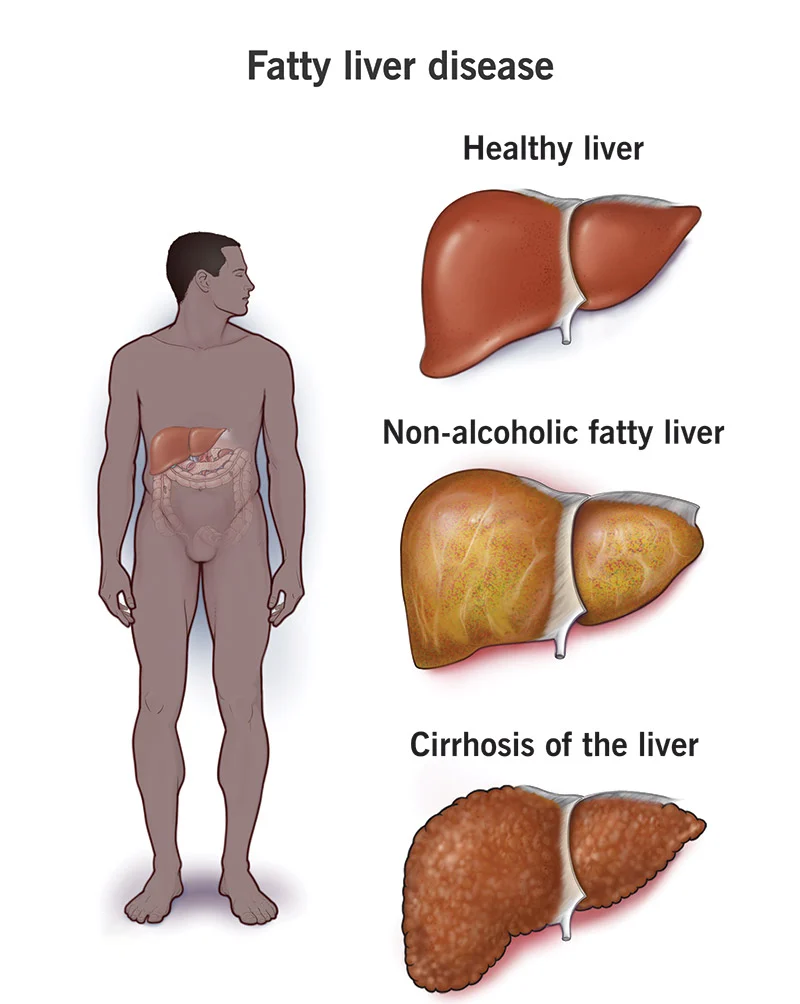
Credit: flowcare.co.in
Symptoms To Watch For
Inflammation of the liver can cause several symptoms. Knowing these signs helps you get care early.
Some symptoms may be mild, while others need immediate attention. Watch your body closely.
Physical Signs
You may notice physical changes when the liver is inflamed. These signs show how your body reacts.
- Yellowing of the skin and eyes (jaundice)
- Swelling in the abdomen or legs
- Dark urine color
- Pale or clay-colored stools
- Red palms or spider-like blood vessels on skin
Common Discomforts
Inflammation often causes discomfort you can feel in daily life. These symptoms may vary by person.
- Fatigue and weakness
- Loss of appetite
- Nausea or vomiting
- Abdominal pain or tenderness
- Itching skin
When To Seek Medical Help
Some symptoms mean you need to see a doctor right away. Do not delay if you feel these signs.
- Severe abdominal pain
- Persistent vomiting
- Confusion or trouble thinking clearly
- Extreme tiredness or weakness
- Sudden swelling in legs or belly
- High fever lasting more than a day
Medical Treatments
Inflammation of the liver needs proper medical care. Doctors use different treatments to reduce damage.
Treatment depends on the cause and severity of the inflammation. Medicine and lifestyle changes help heal the liver.
Antiviral Therapies
Antiviral drugs fight infections caused by viruses in the liver. These medicines stop the virus from growing.
Common antiviral treatments target hepatitis B and C viruses. They help control the illness and prevent liver damage.
- Tenofovir and entecavir for hepatitis B
- Direct-acting antivirals for hepatitis C
- Treatment lasts several months
- Regular doctor visits to monitor progress
Anti-inflammatory Medications
Doctors may prescribe medicines to reduce liver inflammation. These drugs help lower swelling and pain.
Common anti-inflammatory drugs include corticosteroids. They reduce immune system activity that harms the liver.
- Prednisone is often used
- Short-term use to avoid side effects
- Close monitoring by healthcare providers
- May combine with other medicines
Lifestyle Adjustments Recommended By Doctors
Doctors suggest lifestyle changes to support liver healing. Healthy habits reduce inflammation and prevent damage.
Patients should avoid alcohol and eat a balanced diet. Regular exercise and proper rest help the liver recover.
- Stop drinking alcohol completely
- Eat fruits, vegetables, and whole grains
- Exercise moderately every day
- Maintain a healthy weight
- Get enough sleep each night
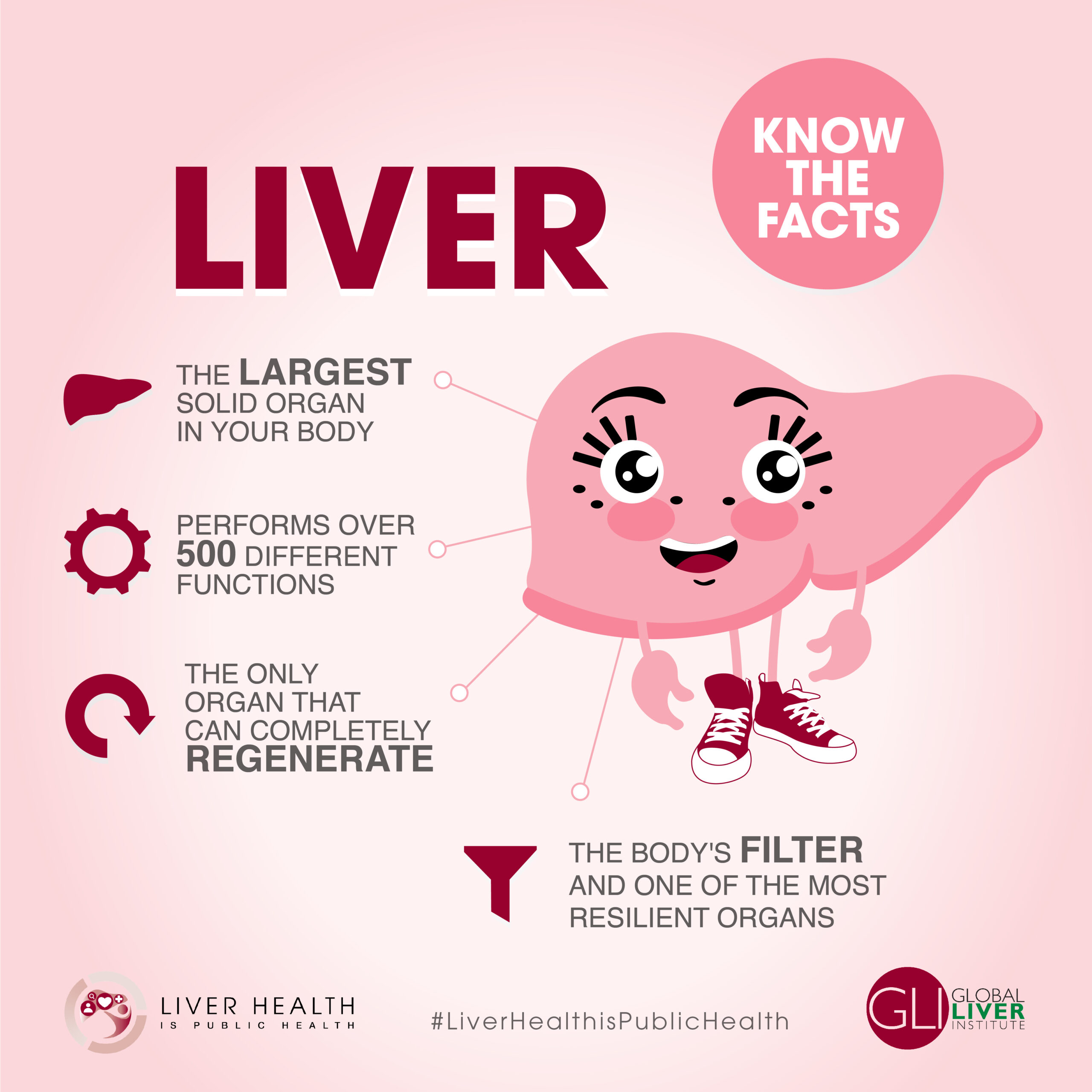
Credit: globalliver.org
Natural Remedies
Inflammation of the liver can cause discomfort and health problems. Using natural remedies may help reduce inflammation and support healing.
These remedies include herbal supplements, changes in diet, and simple home care practices. They work gently to improve liver health.
Herbal Supplements
Some herbs have properties that reduce liver inflammation. They help protect liver cells and improve liver function.
Milk thistle, turmeric, and dandelion root are popular choices for liver health.
- Milk thistle:Contains silymarin, which may protect liver cells.
- Turmeric:Has anti-inflammatory effects that can calm the liver.
- Dandelion root:Supports liver detox and helps bile flow.
Dietary Changes
Eating the right foods helps reduce liver inflammation. Focus on fresh fruits, vegetables, and whole grains.
Avoid fatty, fried, and processed foods that strain the liver.
- Eat leafy greens like spinach and kale
- Choose whole grains such as brown rice and oats
- Include berries and citrus fruits for antioxidants
- Drink plenty of water to stay hydrated
- Limit alcohol and sugary drinks
Home Care Practices
Simple habits at home can support liver healing. Rest and avoid toxins that harm the liver.
Regular gentle exercise and stress reduction also help reduce inflammation.
- Get enough sleep each night
- Avoid smoking and exposure to chemicals
- Practice light exercises like walking or yoga
- Use relaxation techniques such as deep breathing
- Keep a healthy weight to reduce liver stress
Diet Tips For Liver Health
Taking care of your liver is important for overall health. Eating the right foods can help reduce inflammation and improve liver function.
This guide shares diet tips to support liver health and ease liver inflammation.
Foods To Include
Choose foods that protect the liver and reduce swelling. These foods support healing and improve liver work.
- Leafy greens like spinach and kale
- Fruits such as berries and apples
- Whole grains like oats and brown rice
- Healthy fats from nuts and olive oil
- Lean proteins including fish and beans
- Garlic and turmeric for their anti-inflammatory effects
Foods To Avoid
Certain foods can harm the liver or make inflammation worse. Avoid these to help your liver heal.
- Fried and greasy foods
- Sugary snacks and drinks
- Red meat and processed meats
- Alcohol in any amount
- High-salt foods like chips and canned soups
- Refined grains such as white bread
Hydration And Liver Function
Drinking enough water helps the liver flush out toxins. Proper hydration supports liver cells and reduces inflammation.
Try to drink at least eight glasses of water daily. Herbal teas without caffeine can also be good choices.

Credit: psrihospital.com
Lifestyle Habits To Support Healing
Inflammation of the liver can cause discomfort and affect your health. Good lifestyle habits help your liver heal faster.
Simple changes in daily routines support liver recovery. Focus on healthy habits to improve your overall well-being.
Exercise And Physical Activity
Regular exercise helps reduce liver inflammation by improving blood flow. It also supports weight control and lowers fat in the liver.
Try to stay active for at least 30 minutes most days. Choose activities you enjoy to keep moving consistently.
- Walking or jogging
- Swimming or cycling
- Yoga or stretching exercises
- Light strength training
Stress Management
Stress can worsen inflammation in the body, including the liver. Managing stress helps your liver heal more effectively.
Use simple techniques to relax and reduce stress every day. This supports your immune system and overall health.
- Deep breathing exercises
- Meditation or mindfulness
- Spending time in nature
- Getting enough sleep
Avoiding Harmful Substances
Harmful substances can damage the liver and increase inflammation. Avoiding these helps your liver heal faster.
Stay away from alcohol, illegal drugs, and limit certain medications. Always follow your doctor’s advice for safe use.
- Do not drink alcohol
- Avoid recreational drugs
- Use medications only as prescribed
- Limit exposure to toxins and chemicals
Monitoring And Follow-up
After liver inflammation is diagnosed, regular monitoring is very important. It helps track the liver’s health and guides treatment decisions.
Follow-up care ensures problems are caught early and managed well. Patients must stay in touch with their doctors and report any changes.
Regular Liver Function Tests
Liver function tests check how well your liver works. These tests measure enzymes and proteins in your blood.
Doctors use these tests to see if inflammation is getting better or worse. They often repeat tests every few months.
- Alanine aminotransferase (ALT)
- Aspartate aminotransferase (AST)
- Alkaline phosphatase (ALP)
- Bilirubin levels
- Albumin levels
Tracking Symptoms
Keep note of any new or worsening symptoms. This helps doctors understand how the liver is healing.
Common symptoms to watch include tiredness, jaundice, pain, and swelling. Report these promptly to your healthcare provider.
- Fatigue or weakness
- Yellowing of skin or eyes
- Abdominal pain or swelling
- Dark urine or pale stools
- Nausea or loss of appetite
Working With Healthcare Providers
Build a good relationship with your healthcare team. They guide your treatment and monitor your progress closely.
Attend all appointments and follow medical advice carefully. Share any concerns or changes in your health with your doctor.
- Schedule regular check-ups
- Ask questions about your treatment
- Report side effects or new symptoms
- Follow lifestyle and medication advice
- Keep a health diary to share updates
Frequently Asked Questions
What Are Common Symptoms Of Liver Inflammation?
Liver inflammation symptoms include fatigue, abdominal pain, jaundice, nausea, and dark urine. Early detection helps prevent severe damage and aids effective treatment.
How Is Liver Inflammation Diagnosed?
Doctors diagnose liver inflammation using blood tests, imaging scans, and sometimes a liver biopsy. These methods identify inflammation cause and severity for proper treatment.
What Treatments Effectively Reduce Liver Inflammation?
Treatment depends on the cause but often includes medications, lifestyle changes, and avoiding alcohol. Proper diet and rest support liver healing and reduce inflammation.
Can Diet Impact Liver Inflammation Recovery?
Yes, a healthy diet rich in fruits, vegetables, and lean proteins supports liver repair. Avoid fatty, processed foods and alcohol to minimize inflammation and promote healing.
Conclusion
Treating liver inflammation requires care and patience. Follow your doctor’s advice closely. Eat healthy foods and avoid alcohol. Rest often to help your liver heal. Watch for any new symptoms and report them. Small steps can improve your liver’s health.
Stay consistent with your treatment plan. Your liver can recover with proper care. Keep learning about liver health to stay strong. Taking action today helps protect your future.


