

Are you ready to take control of your fitness without leaving your home? Starting weight lifting at home can seem tricky if you don’t know what equipment you really need or where to begin.
But what if you could set up a simple, effective workout space that fits your goals and your budget? In this guide, you’ll discover exactly how to choose the right gear and get started with confidence. Keep reading, and you’ll find the keys to building strength and transforming your body—right in your own living room.
Choosing The Right Equipment
Weight lifting at home is a great way to stay fit. You need the right equipment to start safely. Picking suitable gear ensures effective workouts and minimizes injury risks.
Consider your goals, budget, and space before buying anything. This guide will help you choose the best equipment for your home workouts.
Essential Gear For Beginners
Beginners need basic equipment to start weight lifting at home. This includes items that help build strength and improve fitness.
- Dumbbells: Adjustable dumbbells are versatile and space-efficient.
- Resistance Bands: These are great for strength training and are easy to store.
- Exercise Mat: Provides comfort and safety during floor exercises.
Budget-friendly Options
Starting weight lifting doesn’t have to be expensive. You can find affordable gear that fits your needs and budget.
- Second-Hand Equipment: Check online marketplaces for used items in good condition.
- DIY Weights: Use water bottles or bags of rice as temporary weights.
- Resistance Bands: Inexpensive and effective for beginners.
Space-saving Equipment
If you have limited space, choose compact gear. This equipment helps you maintain an effective workout routine without cluttering your home.
- Folding Bench: Easy to store when not in use.
- Adjustable Dumbbells: Replace multiple weights with one compact set.
- Wall-Mounted Rack: Keeps equipment organized and off the floor.

Credit: www.youtube.com
Setting Up Your Home Gym
Starting weight lifting at home needs a good space and the right setup. A well-organized gym helps you work out safely and often.
This guide helps you find the best spot, stay safe, and organize your equipment well.
Finding The Ideal Spot
Choose a place with enough room to move freely. Make sure the floor is flat and strong enough for your equipment.
Good lighting and fresh air make your workouts better. Avoid spots near breakable things or noisy areas.
- Use a spare room, garage, or basement
- Pick a space with good ventilation
- Keep enough space for all your exercises
- Ensure the floor can support weight
- Avoid crowded or noisy places
Safety Considerations
Safety is very important when lifting weights at home. Always check your equipment before use.
Use mats to protect your floor and reduce noise. Keep your workout area clean and free of clutter.
- Inspect weights and bars for damage
- Use non-slip mats under equipment
- Clear space to prevent trips and falls
- Store weights properly after use
- Have a spotter if lifting heavy
Organizing Your Equipment
Keep your equipment organized for easy access. Group similar items together and label storage if needed.
Use racks, shelves, or boxes to store weights, bars, and accessories. A tidy gym keeps you motivated and safe.
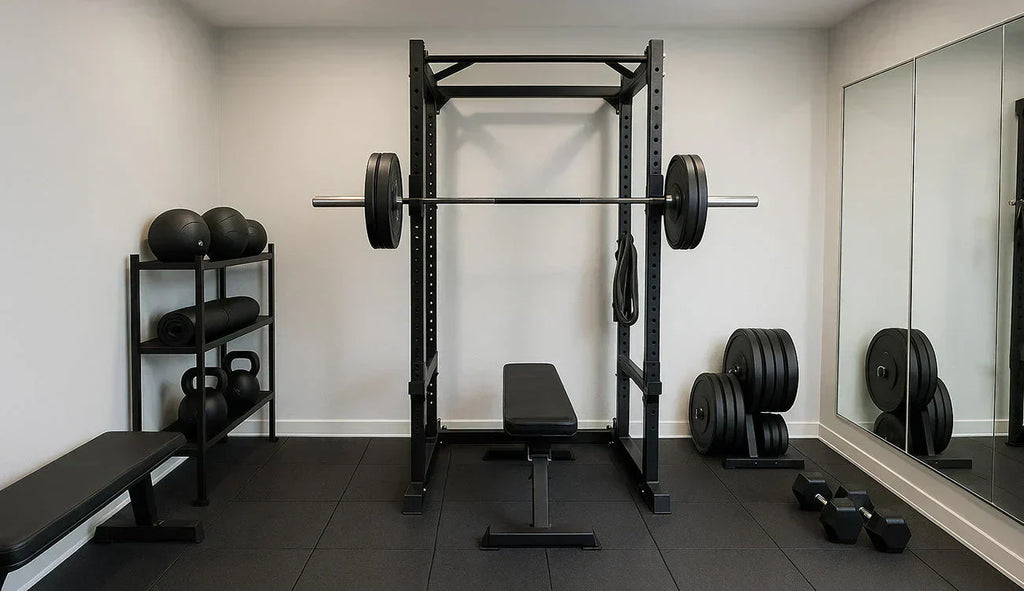
- Store dumbbells and kettlebells on racks
- Use hooks or shelves for resistance bands
- Keep small accessories in bins or boxes
- Arrange equipment by size or use
- Clean and maintain equipment regularly
Basic Weight Lifting Exercises
Starting weight lifting at home is a good way to build strength. You do not need fancy equipment to begin.
Focus on simple exercises first. These will help you learn the right form and avoid injury.
Bodyweight Movements To Start
Bodyweight exercises use your own weight for resistance. They are great for beginners and need no equipment.
These exercises improve your balance and strength. You can do them anywhere, anytime.
- Push-ups: Work your chest, shoulders, and arms.
- Squats: Strengthen your legs and glutes.
- Planks: Build core and back muscles.
- Lunges: Improve leg strength and balance.
- Glute bridges: Target your lower back and hips.
Dumbbell Workouts
Dumbbells are small weights you can hold in each hand. They add resistance and help build muscle.
Start with light dumbbells. Focus on slow, controlled movements to keep good form.
- Bicep curls: Lift dumbbells to work your arm muscles.
- Shoulder press: Push dumbbells above your head.
- Dumbbell rows: Pull dumbbells toward your chest to work your back.
- Dumbbell squats: Hold weights while you squat for extra leg work.
- Chest press: Lie down and press dumbbells up to work your chest.
Barbell Basics
Barbells are long bars with weights on each end. They allow you to lift heavier weights than dumbbells.
Learn proper form before lifting heavy. Start with just the bar to practice movements.
- Deadlifts: Lift the bar from the ground to work your back and legs.
- Bench press: Lie on a bench and press the bar up to work your chest.
- Squats: Hold the bar on your shoulders and squat to build leg strength.
- Overhead press: Push the bar above your head for shoulder strength.
Creating Your Workout Plan
Starting weight lifting at home needs a clear workout plan. A good plan helps you stay consistent and see progress.
Your plan should fit your schedule and goals. Think about how often, what exercises, and how to track results.
Frequency And Duration
Decide how many days you will lift weights each week. Beginners can start with two or three days.
Workouts should last 30 to 45 minutes. This gives enough time to warm up, exercise, and cool down.
- Start with 2-3 sessions per week
- Keep each session around 30-45 minutes
- Rest at least one day between sessions
Balancing Muscle Groups
Include exercises for all major muscle groups. This helps avoid injury and builds strength evenly.
Focus on upper body, lower body, and core muscles. Balance pushing and pulling exercises for good form.
- Work chest, back, shoulders, arms
- Include legs: quads, hamstrings, calves
- Add core work for abs and lower back
- Mix pushing and pulling movements
Tracking Your Progress
Keep a workout journal to note weights, sets, and reps. This helps you see improvements over time.
Track how you feel after workouts. Adjust your plan if exercises are too easy or too hard.
- Write down weights, sets, and reps
- Note how hard each workout feels
- Review your notes every week
- Increase weights gradually for progress
Warm-up And Cool-down Routines
Starting weight lifting at home needs proper care. Warm-up and cool-down routines prepare your body and help you avoid injury.
These routines improve your performance and help your muscles recover after workouts.
Importance Of Stretching
Stretching loosens your muscles before and after lifting weights. It reduces stiffness and increases flexibility.
Good stretching lowers the chance of muscle strains and joint pain during workouts.
- Prepares muscles for exercise
- Improves blood flow to muscles
- Helps prevent injuries
- Reduces muscle soreness later
Simple Warm-up Exercises
Start with light activities to raise your heart rate. This prepares your body for weight lifting.
- March or jog in place for 3-5 minutes
- Arm circles forward and backward
- Bodyweight squats to loosen legs
- Shoulder shrugs and neck rolls
Spend 5 to 10 minutes on these exercises before lifting weights.
Post-workout Recovery Tips
Cooling down helps your body return to normal after exercise. It lowers your heart rate safely.
Use gentle stretches to ease muscle tightness and improve recovery.
- Walk slowly for 3-5 minutes
- Stretch all major muscle groups
- Drink water to stay hydrated
- Rest and avoid heavy lifting next day
Credit: energiefitness.in
Avoiding Common Mistakes
Starting weight lifting at home can be exciting. It helps build strength and improve health.
Many beginners make mistakes that slow progress or cause injuries. Avoid these errors to stay safe.
Incorrect Form
Using wrong form can hurt muscles and joints. It also reduces the workout’s effectiveness.
Focus on learning the right posture before adding heavy weights. Use mirrors or videos for help.
- Keep your back straight during lifts
- Engage your core for balance
- Move weights slowly and controlled
- Avoid locking your joints
- Start with light weights to practice form
Overtraining Risks
Working out too much can cause tiredness and injuries. Muscles need time to recover.
Listen to your body. Stop if you feel pain or extreme fatigue during exercises.
- Limit sessions to 3-4 times per week
- Keep workouts under 60 minutes
- Include warm-up and cool-down routines
- Change exercises to avoid strain
Neglecting Rest Days
Skipping rest days slows muscle growth. Rest helps repair muscles and prevents burnout.
Plan regular rest days in your weekly routine. Use those days to stretch or do light activity.
- Take at least one or two full rest days weekly
- Use rest days for gentle walks or yoga
- Sleep well to support muscle recovery
- Eat nutritious food to fuel your body
Nutrition Tips For Weight Lifting
Good nutrition helps you get stronger and recover faster. Eating the right foods supports your muscles as you lift weights at home.
Focus on what you eat before, during, and after workouts. Proper nutrition improves your energy and muscle growth.
Protein Intake Guidelines
Protein helps build and repair muscles after lifting. Aim to eat enough protein every day to support your workouts.
Good sources include lean meats, eggs, dairy, beans, and nuts. Try to spread protein evenly across meals.
- Eat 1.2 to 2.0 grams of protein per kilogram of body weight daily
- Include protein in every meal and snack
- Choose lean and high-quality protein sources
Hydration Importance
Water keeps your body working well during exercise. Staying hydrated helps your muscles perform better.
Drink water before, during, and after your workout. Avoid sugary drinks that can slow you down.
- Drink at least 8 cups (2 liters) of water daily
- Have a glass of water 30 minutes before exercise
- Take small sips of water during your workout
- Rehydrate after lifting to replace lost fluids
Pre And Post-workout Meals
Eating the right foods before and after lifting helps your energy and recovery. Timing your meals matters.
Choose carbs and protein before your workout for fuel. After lifting, focus on protein and some carbs to repair muscles.
- Pre-workout:Eat a small meal 1-2 hours before exercise
- Pre-workout foods:Banana, yogurt, whole grain toast
- Post-workout:Eat within 30-60 minutes after lifting
- Post-workout foods:Grilled chicken, rice, vegetables, smoothie
Staying Motivated At Home
Starting weight lifting at home can feel hard without a gym. Staying motivated helps you keep going and reach your goals.
With simple strategies, you can enjoy your workouts and build strength at home. Let’s explore how to stay motivated.
Setting Realistic Goals
Set clear and simple goals you can reach. This helps you stay focused and feel good about your progress.
Start with small targets like lifting weights three times a week or improving your form.
- Choose goals that fit your time and space.
- Make goals specific, like “lift 10 pounds comfortably”.
- Adjust goals as you improve to stay challenged.
Tracking Milestones
Keep a record of your workouts and improvements. This shows you how far you have come.
Tracking helps you stay motivated and plan your next steps clearly.
- Write down weights, reps, and sets after each session.
- Note how you feel during and after workouts.
- Celebrate reaching small milestones to boost confidence.
Incorporating Variety
Change your exercises to keep workouts fun and avoid boredom. This also helps your muscles grow stronger.
Try different equipment or new routines to stay interested in weight lifting.
- Use dumbbells, resistance bands, or bodyweight moves.
- Switch between upper body, lower body, and core workouts.
- Try new exercises every few weeks to challenge yourself.
Credit: www.lifespanfitness.com.au
Frequently Asked Questions
What Essential Equipment Is Needed For Home Weight Lifting?
Start with basic gear like dumbbells, resistance bands, and a bench. These items support a wide range of exercises. Adjustable dumbbells save space and increase workout variety. Consider a sturdy mat for floor exercises and safety.
How Much Space Do I Need For Home Weight Lifting?
A small area of about 6×6 feet is sufficient. Ensure enough room for movement and equipment setup. Clear the space to avoid injury. Good ventilation and lighting improve workout comfort and safety.
Can Beginners Start Weight Lifting Without A Trainer?
Yes, beginners can start with proper research and guidelines. Use online tutorials or apps for correct form. Start with light weights to avoid injury. Gradually increase intensity as confidence and strength build. Safety and consistency are key.
How Do I Choose The Right Weight For Lifting?
Select weights that challenge you but allow proper form. Start light and increase gradually. You should complete 8-12 reps with effort but no strain. Listen to your body to avoid injury. Progressively heavier weights build strength effectively.
Conclusion
Starting weight lifting at home needs simple equipment and clear steps. Choose tools that fit your space and goals. Begin with light weights to build strength safely. Keep a routine and increase weight slowly. Track your progress to stay motivated.
Stay consistent and patient; results take time. This approach helps create a strong, healthy body at home. Enjoy the journey and feel the benefits every day.


