
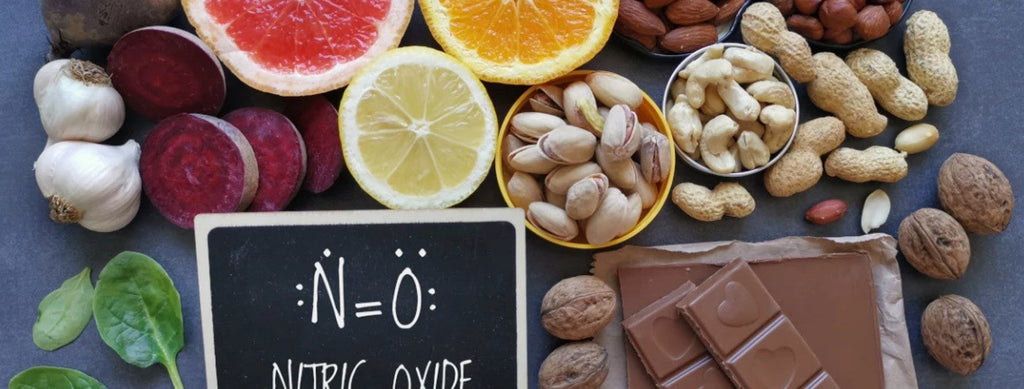
Are you looking to boost your energy, improve blood flow, and support your overall health? Increasing nitric oxide in your blood could be the key.
This powerful molecule helps relax your blood vessels, making it easier for oxygen and nutrients to reach every part of your body. Imagine feeling more vibrant, sharper, and stronger every day. You’ll discover simple and effective ways to naturally raise your nitric oxide levels.
Keep reading to unlock the secrets that can transform your health from the inside out.

Credit: www.youtube.com
Benefits Of Nitric Oxide
Nitric oxide is a natural molecule in the body. It helps many important functions work well.
Increasing nitric oxide can improve your health and daily energy. It supports heart and muscle function.
Enhancing Energy Levels
Nitric oxide helps blood vessels widen. This allows more oxygen and nutrients to reach your cells.
Better blood flow means your body makes energy more efficiently. You feel more awake and active.
Supporting Heart Health
Nitric oxide keeps your blood vessels flexible and open. This lowers blood pressure and reduces strain on your heart.
Good nitric oxide levels help prevent heart problems. They improve overall circulation and heart function.
Improving Exercise Performance
Nitric oxide increases blood flow to muscles during exercise. This delivers more oxygen and removes waste faster.
Better muscle oxygen helps you exercise longer and recover quicker after workouts.
- Boosts stamina and endurance
- Reduces muscle fatigue
- Speeds up recovery time
Natural Sources Of Nitric Oxide
Nitric oxide helps your blood flow better and keeps your heart healthy. You can increase it naturally by eating certain foods and making good lifestyle choices.
This guide will show you natural ways to boost nitric oxide in your blood.
Foods Rich In Nitrates
Nitrates in foods turn into nitric oxide in your body. Eating nitrate-rich foods can help improve blood flow and lower blood pressure.
- Beets and beetroot juice
- Spinach and leafy greens
- Lettuce and arugula
- Celery and radishes
- Carrots and cabbage
Supplements That Boost Nitric Oxide
Some supplements can help your body make more nitric oxide. They support blood vessel health and improve circulation.
- L-arginine helps create nitric oxide naturally.
- L-citrulline converts to L-arginine in the body.
- Beetroot powder provides extra nitrates.
- Antioxidants like vitamin C protect nitric oxide.
Lifestyle Choices That Help
Daily habits affect how much nitric oxide your body makes. Healthy choices can boost your nitric oxide levels naturally.
- Exercise regularly to improve blood flow.
- Get enough sleep to support body repair.
- Avoid smoking because it lowers nitric oxide.
- Manage stress through relaxation techniques.
- Eat a balanced diet with plenty of fruits and vegetables.
Dietary Tips To Raise Nitric Oxide
Nitric oxide helps your blood flow better and supports your heart health. You can increase its level by eating certain foods.
Some foods contain nutrients that boost nitric oxide in your blood naturally. Eating these foods often can help your body make more nitric oxide.
Incorporating Leafy Greens
Leafy greens like spinach and kale have high nitrate content. Your body converts nitrates into nitric oxide to improve blood flow.
Try to add leafy greens to your meals every day. You can eat them raw, cooked, or in smoothies for easy use.
- Spinach
- Kale
- Arugula
- Swiss chard
- Romaine lettuce
Adding Beets And Citrus Fruits
Beets are rich in nitrates that help raise nitric oxide levels. Citrus fruits provide vitamin C, which protects nitric oxide from breaking down.
Combining beets with citrus fruits can improve nitric oxide production and keep it stable in your body.
- Beetroot (raw, cooked, or juice)
- Oranges
- Grapefruits
- Lemons
- Limes
Balancing Protein And Antioxidants
Eating proteins with antioxidants helps your body make nitric oxide. Proteins provide amino acids needed for nitric oxide production.
Antioxidants protect nitric oxide from damage. Include foods rich in protein and antioxidants in your diet daily.
- Lean meats like chicken and turkey
- Fish such as salmon and tuna
- Nuts and seeds
- Fruits like berries and pomegranates
- Vegetables such as broccoli and bell peppers

Credit: www.amazon.com
Exercise And Nitric Oxide Production
Exercise helps your body make more nitric oxide. This molecule improves blood flow and heart health.
Different types of exercise affect nitric oxide in unique ways. Let’s explore how workouts can boost its levels.
Aerobic Workouts
Aerobic exercise, like walking or cycling, raises your heart rate. This increase helps your blood vessels produce more nitric oxide.
Regular aerobic workouts improve your overall circulation and help keep your arteries healthy.
- Brisk walking for 30 minutes daily
- Running or jogging several times a week
- Swimming or cycling to boost endurance
Strength Training Benefits
Strength training uses muscles to work against resistance. This action encourages nitric oxide release in your muscles.
Building muscle can improve blood flow and support better heart function over time.
- Weight lifting with proper form
- Bodyweight exercises like push-ups
- Resistance band workouts
Stretching And Flexibility
Stretching helps your blood vessels relax and widen. This widening boosts nitric oxide production.
Adding stretching to your routine improves circulation and reduces stiffness.
- Gentle yoga sessions
- Daily full-body stretches
- Focused flexibility exercises
Habits That Lower Nitric Oxide Levels
Nitric oxide helps your blood flow and keeps your heart healthy. Some habits can lower its levels in your blood.
Learning which habits reduce nitric oxide can help you keep your body working well.
Avoiding Smoking And Excess Alcohol
Smoking damages blood vessels and lowers nitric oxide production. It also causes inflammation that blocks nitric oxide effects.
Drinking too much alcohol harms your liver and heart. This damage can reduce nitric oxide levels in your body.
- Smoking reduces nitric oxide in blood vessels
- Alcohol abuse harms organs that regulate nitric oxide
- Both increase inflammation, lowering nitric oxide function
Managing Stress
Stress causes your body to release chemicals that reduce nitric oxide. This can make your blood vessels less flexible.
Long-term stress keeps nitric oxide levels low. It also raises blood pressure, which harms heart health.
- Stress releases hormones that lower nitric oxide
- High stress keeps blood vessels tight and less healthy
- Relaxation helps maintain healthy nitric oxide levels
Limiting Processed Foods
Processed foods often have too much salt and unhealthy fats. These can reduce nitric oxide production in your body.
Eating many processed foods causes inflammation and damages blood vessels. This lowers nitric oxide levels over time.
- High salt intake reduces nitric oxide release
- Unhealthy fats cause blood vessel damage
- Processed foods increase inflammation, lowering nitric oxide

Credit: www.sciencedirect.com
Supplements To Consider
Increasing nitric oxide in your blood can improve your health and energy. Certain supplements help boost nitric oxide naturally.
These supplements support your body to produce more nitric oxide for better blood flow and heart health.
L-arginine And L-citrulline
L-Arginine and L-Citrulline are amino acids that help your body make nitric oxide. They improve blood vessel function and circulation.
L-Citrulline often works better because your body converts it into L-Arginine slowly. This keeps nitric oxide levels steady.
- L-Arginine boosts nitric oxide by widening blood vessels
- L-Citrulline raises L-Arginine levels in the blood
- Both support better exercise performance and heart health
Antioxidants Like Vitamin C And E
Antioxidants protect nitric oxide from damage in the body. Vitamin C and Vitamin E help keep nitric oxide active longer.
These vitamins reduce free radicals that lower nitric oxide levels. They support healthy blood flow and immune function.
- Vitamin C stabilizes nitric oxide and supports blood vessels
- Vitamin E protects nitric oxide from oxidative stress
- Both vitamins promote heart and skin health
Herbal Extracts Supporting Nitric Oxide
Some herbs help your body produce more nitric oxide naturally. These extracts improve circulation and overall wellness.
Common herbs include beetroot, ginkgo biloba, and hawthorn. They support blood flow and heart function in different ways.
- Beetroot contains nitrates that convert to nitric oxide
- Ginkgo biloba improves blood flow and brain function
- Hawthorn supports heart health and blood vessel strength
Frequently Asked Questions
What Foods Increase Nitric Oxide Levels?
Foods rich in nitrates like beets, spinach, and arugula boost nitric oxide. Antioxidant-rich foods like citrus fruits also help. Incorporating these into your diet can naturally enhance your body’s nitric oxide production.
How Does Exercise Boost Nitric Oxide?
Exercise promotes nitric oxide production by improving blood flow and circulation. Activities like aerobic exercises and strength training can help. Regular physical activity supports cardiovascular health and enhances nitric oxide synthesis.
Can Supplements Increase Nitric Oxide Levels?
Yes, supplements like L-arginine and L-citrulline can boost nitric oxide. They support blood vessel relaxation and improve circulation. Consult a healthcare professional before starting any supplement regimen.
Is Nitric Oxide Good For Heart Health?
Yes, nitric oxide is crucial for heart health. It helps relax blood vessels and improves blood flow. This reduces blood pressure and enhances overall cardiovascular function.
Conclusion
Increasing nitric oxide in your blood supports better health and energy. Simple steps like eating healthy foods and staying active help a lot. Small changes in your daily routine can improve blood flow and heart health. Keep practicing these habits to feel the benefits over time.
Your body will thank you with more strength and vitality. Stay patient and consistent for the best results. Nitric oxide plays a key role in your overall well-being. Take care of yourself, and your blood will work better every day.


