

If you want a bigger chest, dumbbells can be your best friend. They give you the freedom to work your muscles in a natural way and help you build strength faster.
But not all exercises are created equal, and using dumbbells the right way is key to seeing real results. You’ll discover simple, effective moves that target your chest muscles and tips to maximize your gains. Ready to transform your chest and boost your confidence?
Keep reading, because what you do next can change everything.

Credit: www.youtube.com
Benefits Of Dumbbell Chest Training
Dumbbell chest exercises help build muscle strength. They are effective for targeting chest muscles.
Working out with dumbbells improves your range of motion. It allows for a more personalized workout.
Improved Muscle Activation
Dumbbells activate more muscle fibers in your chest. This leads to faster muscle growth.
Each arm works independently, balancing strength. This helps prevent muscle imbalances.
- Targets both large and small muscle groups
- Enhances muscle symmetry
Greater Range Of Motion
Dumbbells offer a wider range of motion. This helps in stretching the chest muscles fully.
A full range of motion boosts muscle flexibility. It also reduces the risk of injury.
- Improves joint health
- Increases flexibility
Versatility In Exercises
Dumbbells allow for various chest exercises. You can easily switch between different movements.
This versatility helps keep workouts interesting. It also ensures comprehensive muscle development.
- Flat bench press
- Incline press
- Chest flyes
Improved Core Stability
Using dumbbells requires core engagement. This strengthens your core muscles over time.
A strong core supports better posture. It also enhances overall body stability.
- Boosts balance
- Supports better posture
Key Chest Muscles To Target
Building a bigger chest with dumbbells means focusing on the right muscles. The chest has several important muscles that you should work on.
Targeting these muscles helps you shape and grow your chest effectively. Let’s look at the key chest muscles to focus on.
Pectoralis Major
The pectoralis major is the largest chest muscle. It covers the upper front of your chest.
This muscle helps you push and lift objects. Dumbbell presses and flies work this muscle well.
Pectoralis Minor
The pectoralis minor is smaller and lies under the pectoralis major. It helps move your shoulder blade.
Exercises that involve shoulder movement also engage this muscle. It supports chest strength and stability.
Serratus Anterior
The serratus anterior is located on the side of your chest under the armpits. It looks like fingers wrapping around the ribs.
This muscle helps you push forward and lift your arms. Dumbbell push-ups and punches can target this muscle.
Deltoids (front Part)
The front part of the deltoid shoulder muscle works with your chest muscles during pushing movements.
Though not part of the chest, strong front deltoids improve your chest workout with dumbbells.
Essential Dumbbell Exercises
Using dumbbells can help you build a bigger chest. Dumbbells allow a full range of motion. They also work your muscles evenly on both sides.
Here are some key dumbbell exercises to target your chest muscles. You can do them at home or in the gym.
Flat Dumbbell Press
The flat dumbbell press works the middle part of your chest. Lie on a flat bench and hold a dumbbell in each hand. Press the weights up until your arms are straight.
Lower the dumbbells slowly to chest level. This helps build strength and size in your chest muscles.
Incline Dumbbell Press
The incline dumbbell press targets the upper chest. Set the bench at a 30 to 45-degree angle. Hold dumbbells and press them up over your chest.
Lower the dumbbells slowly to the upper chest. This exercise helps develop a fuller chest shape.
Dumbbell Flyes
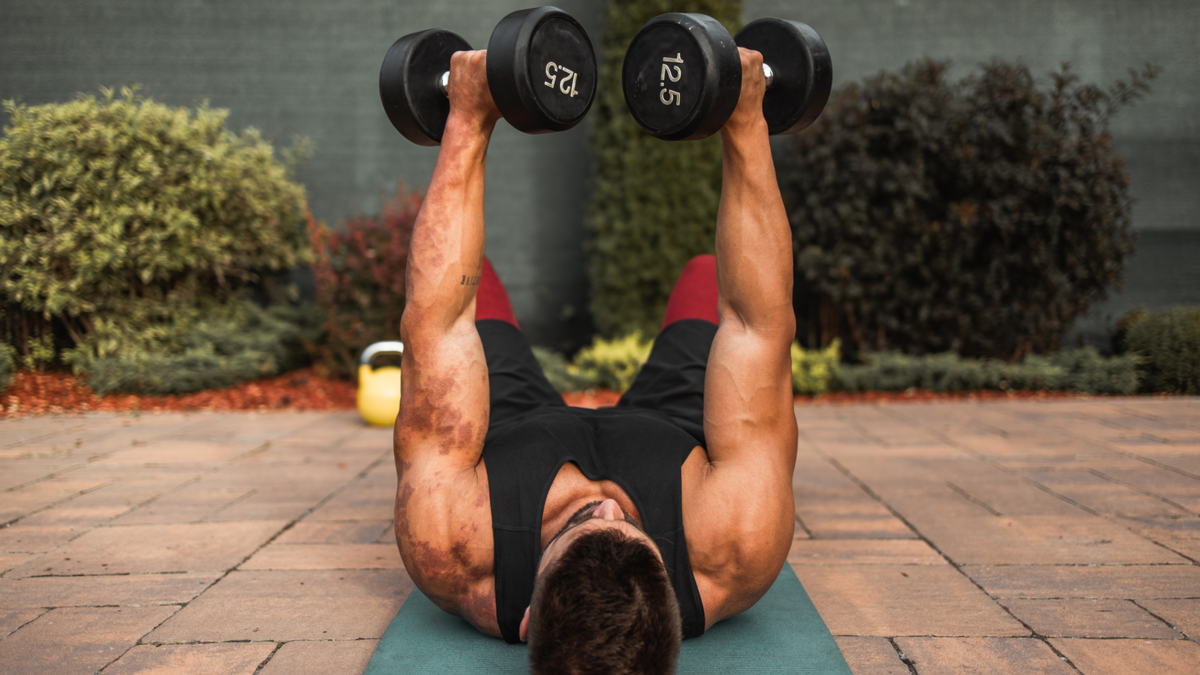
Dumbbell flyes stretch and work your chest muscles. Lie on a flat or incline bench. Hold dumbbells with arms extended above your chest.
Slowly open your arms wide, keeping a slight bend in the elbows. Bring the weights back up to the starting position.
- Keep movements slow to avoid injury
- Focus on squeezing your chest muscles
- Do not lower dumbbells too far down
Pullover Variations
Pullover exercises work the chest and help expand your rib cage. Lie on a bench holding one dumbbell with both hands above your chest.
Lower the dumbbell back and over your head slowly. Bring it back to the start position. Keep your arms slightly bent.
- Use a flat or decline bench for variety
- Control the weight for safety
- Focus on deep chest stretch

Credit: www.youtube.com
Proper Form And Technique Tips
Using dumbbells can help you build a bigger chest. Proper form is key for good results.
Good technique reduces injury risk and makes your workout more effective.
Keep Your Shoulders Back And Down
Pull your shoulders back to open your chest. Keep them down to avoid strain.
This position protects your shoulder joints during pressing exercises.
Use A Controlled Motion
Move the dumbbells slowly and with control. Avoid swinging or dropping them fast.
Controlled motion helps muscles work harder and reduces injury risk.
Keep Your Elbows At A 45-degree Angle
Don’t let your elbows flare out too wide or stay too close. Aim for 45 degrees.
This angle protects your shoulders and targets your chest better.
Maintain A Neutral Wrist Position
Keep your wrists straight and strong. Avoid bending them backward or forward.
This helps you lift safely and avoid wrist pain.
Use A Full Range Of Motion
Lower the dumbbells until your chest stretches. Press up until arms are almost straight.
Full movement works your chest muscles completely.
Engage Your Core And Keep Your Back Flat
Tighten your core to support your spine. Keep your back flat on the bench or floor.
This creates a strong base for pressing and reduces lower back strain.
Creating An Effective Workout Routine
Building a bigger chest with dumbbells takes a good workout plan. A routine helps you train smart and see results faster.
This guide covers key parts of a routine: how often to train, increasing challenge, and resting well.
Frequency And Volume
Train your chest 2 to 3 times each week. This gives muscles enough work and time to grow.
Volume means total sets and reps. Aim for 12 to 20 sets weekly, spread over your workouts.
- Choose 3 to 4 chest exercises per session
- Do 3 to 5 sets of 8 to 12 reps per exercise
- Keep good form to avoid injury
Progressive Overload
To grow your chest, increase the challenge over time. This is called progressive overload.
Add weight, do more reps, or increase sets each week. Small changes help muscles grow stronger.
- Add 2.5 to 5 pounds to dumbbells when possible
- Try to do 1 to 2 more reps per set
- Include harder chest exercises as you improve
Rest And Recovery
Rest is key for muscle growth. Your chest needs time to repair after workouts.
Get at least 48 hours before training chest again. Sleep well and eat enough protein to help recovery.
- Rest 1 to 2 days between chest workouts
- Aim for 7 to 9 hours of sleep nightly
- Eat protein-rich foods after training
Nutrition For Chest Growth
Eating the right foods helps your chest muscles grow bigger. Good nutrition supports your workouts and muscle repair.
Focus on eating enough protein, calories, and some helpful supplements. This will give your muscles the fuel they need.
Protein Intake
Protein builds and repairs chest muscles after lifting dumbbells. Aim to eat protein with every meal.
Good protein sources include chicken, fish, eggs, beans, and dairy. These foods help your chest grow stronger.
- Chicken breast
- Salmon and tuna
- Eggs and egg whites
- Greek yogurt and cottage cheese
- Beans and lentils
Calorie Surplus
Eating more calories than you burn helps your body build muscle. This is called a calorie surplus.
Choose healthy foods like whole grains, nuts, and vegetables. Avoid too many sugary or fatty foods.
- Brown rice and oats
- Almonds and walnuts
- Sweet potatoes
- Fruits and vegetables
- Lean meats and fish
Supplements To Consider
Some supplements can support chest muscle growth. Use them along with good food and exercise.
Creatine helps your muscles work harder. Whey protein is an easy way to add protein to your diet.
- Creatine monohydrate
- Whey protein powder
- Branched-chain amino acids (BCAAs)
- Vitamin D
- Omega-3 fish oil
Common Mistakes To Avoid
Building a bigger chest with dumbbells takes time and effort. Many people make mistakes that slow down their progress.
Knowing what to avoid helps you get better results and stay safe during workouts.
Using Too Much Weight Too Soon
Choosing dumbbells that are too heavy causes poor form and risk of injury. It can stop your muscles from growing properly.
Start with a weight you can control well. Increase weight gradually as your strength improves.
Not Controlling The Movement
Dropping or swinging dumbbells reduces muscle tension. This makes exercises less effective and can hurt your joints.
Move the dumbbells slowly and focus on controlling both the lift and the lower phase.
Neglecting Full Range Of Motion
Stopping your arms early or not lowering dumbbells fully limits chest muscle activation. This blocks muscle growth.
Make sure to stretch your chest muscles at the bottom and squeeze fully at the top of each rep.
Ignoring Warm-up And Stretching
Skipping warm-ups can cause muscle strains. Tight muscles reduce your workout quality and increase injury risk.
Always warm up with light weights and stretch your chest before lifting heavier dumbbells.
Focusing Only On Chest Press
Doing only dumbbell chest presses ignores other chest muscles. This can cause muscle imbalance and limit size gains.
Include exercises like flyes and pullover variations to work your chest fully.
Credit: www.t3.com
Tracking Progress And Staying Motivated
Building a bigger chest with dumbbells takes time and effort. Tracking your progress helps you see changes and stay focused.
Staying motivated keeps you consistent with workouts. Both tracking and motivation work together to reach your chest goals.
Keep A Workout Journal
Write down your exercises, weights, and reps each session. This helps you notice improvements over time.
Seeing your progress on paper makes it easier to stay on track and push harder during workouts.
- Record dumbbell weight used
- Note number of sets and reps
- Track rest time between sets
- Write down how you feel after workouts
Set Realistic Goals
Set small goals that you can reach in weeks. This keeps you motivated and avoids frustration.
Goals like increasing dumbbell weight or doing more reps help you measure progress clearly.
- Increase weight by 2-5 pounds every 2 weeks
- Add 1-2 reps to each set regularly
- Complete workouts 3 times a week
Take Progress Photos
Photos show visual changes in your chest muscles. Take pictures every 2-4 weeks for comparison.
Comparing photos helps you see growth you might miss day to day.
- Use same lighting and angle each time
- Wear similar clothing
- Stand in the same position
Celebrate Small Wins
Recognize small improvements like better form or more reps. This builds confidence.
Reward yourself with rest days or a healthy treat to keep motivation high.
- Celebrate adding more weight
- Acknowledge consistent workout days
- Notice improved muscle definition
Use Apps Or Timers
Use fitness apps to log workouts and set reminders. Timers help track rest periods accurately.
Apps keep all your data in one place and help you plan future workouts.
- Log weights, sets, and reps
- Set workout reminders
- Use timers for rest intervals
Frequently Asked Questions
How Often Should I Train Chest With Dumbbells?
Train your chest 2-3 times per week with dumbbells. Allow 48 hours of rest between sessions for muscle recovery and growth.
What Are The Best Dumbbell Exercises For Chest Growth?
Effective dumbbell exercises include dumbbell bench press, dumbbell flyes, and dumbbell pullover. These target all chest areas for balanced growth.
Can Dumbbells Alone Build A Bigger Chest?
Yes, dumbbells can build a bigger chest when used with proper form, progressive overload, and consistent training.
How Many Sets And Reps For Chest Growth With Dumbbells?
Perform 3-4 sets of 8-12 reps for each dumbbell chest exercise. This range maximizes muscle hypertrophy effectively.
Conclusion
Building a bigger chest with dumbbells takes time and effort. Stick to your workout plan and stay consistent. Focus on proper form to avoid injuries. Change exercises to challenge your muscles in new ways. Rest well to help your chest grow stronger.
Eat healthy food for better results. Keep track of your progress to stay motivated. Small steps lead to big changes. Patience and hard work will bring the chest size you want. Keep going—you can do this!


