

Are you looking to build stronger, well-defined chest muscles without needing a gym full of equipment? Dumbbells are your best friends for sculpting your pecs right at home or anywhere you choose.
This guide will show you simple, effective exercises that target your chest muscles using just dumbbells. Whether you’re a beginner or want to add variety to your routine, you’ll discover easy-to-follow moves that deliver real results. Keep reading, and get ready to transform your chest with workouts designed just for you.
Benefits Of Dumbbell Pec Workouts
Exercising your pecs with dumbbells offers many benefits. It helps strengthen and build your chest muscles. Dumbbell workouts are flexible and effective for home or gym use.
These exercises also improve your overall upper body strength. They can be easily adjusted to suit different fitness levels. Let’s explore the specific advantages of using dumbbells for your pecs.
Improved Muscle Balance
Dumbbell exercises require each arm to work independently. This helps balance muscle development between your left and right sides. It prevents one side from becoming stronger than the other.
Balanced muscles reduce the risk of injury. They also improve your performance in other physical activities. Consistent practice leads to a well-proportioned chest.
Greater Range Of Motion
Dumbbells allow a greater range of motion than barbells. This means you can lower the weights further during exercises. A full range of motion helps stretch and strengthen the muscles more effectively.
Improving flexibility and mobility in your shoulders is important. It contributes to better posture and reduces stiffness. Greater motion promotes muscle growth and endurance.
Enhanced Muscle Activation
Using dumbbells requires more muscle activation. Your stabilizer muscles work harder to keep the weights balanced. This leads to more effective workouts.
Enhanced activation results in stronger and more defined pecs. It also engages your core and arm muscles. This makes dumbbell exercises a comprehensive workout option.
- Improves chest muscle definition
- Engages stabilizer muscles
- Strengthens core and arms
Credit: swolverine.com
Essential Equipment And Setup
Exercising your chest muscles with dumbbells is effective and simple. You need the right equipment and setup for good results.
This guide explains what dumbbells and benches to use. It also covers safety tips and warm-up ideas.
Choosing The Right Dumbbells
Select dumbbells that match your current strength. Start with light weights to learn the movements.
Adjust the weight as you get stronger. Dumbbells with comfortable grips help prevent hand pain.
- Start with 5 to 15 pounds for beginners
- Choose adjustable dumbbells for variety
- Use dumbbells with a non-slip grip
- Check that weights are balanced on both sides
Bench Options And Positioning
A bench helps support your body and lets you perform different chest exercises. You can use flat, incline, or decline benches.
Position the bench to target different chest areas. Adjust the angle for variety and better muscle activation.
- Flat bench for overall chest workout
- Incline bench (30 to 45 degrees) for upper chest
- Decline bench (15 to 30 degrees) for lower chest
- Ensure the bench is stable and secure
Safety Tips And Warm-up
Warming up prepares your muscles and reduces injury risk. Do light cardio and dynamic stretches before lifting.
Follow safety rules to protect your joints and muscles. Use a spotter if lifting heavy dumbbells.
- Warm up for 5 to 10 minutes with light activity
- Stretch your chest, shoulders, and arms gently
- Lift weights with good form and control
- Keep your back supported and feet flat on the floor
- Stop if you feel pain or discomfort
Key Dumbbell Exercises For Pecs
Building your chest muscles with dumbbells helps improve strength and shape. Dumbbells let you work each side of your chest evenly.
Try these exercises to target your pecs and get a balanced workout using just dumbbells.
Flat Dumbbell Bench Press
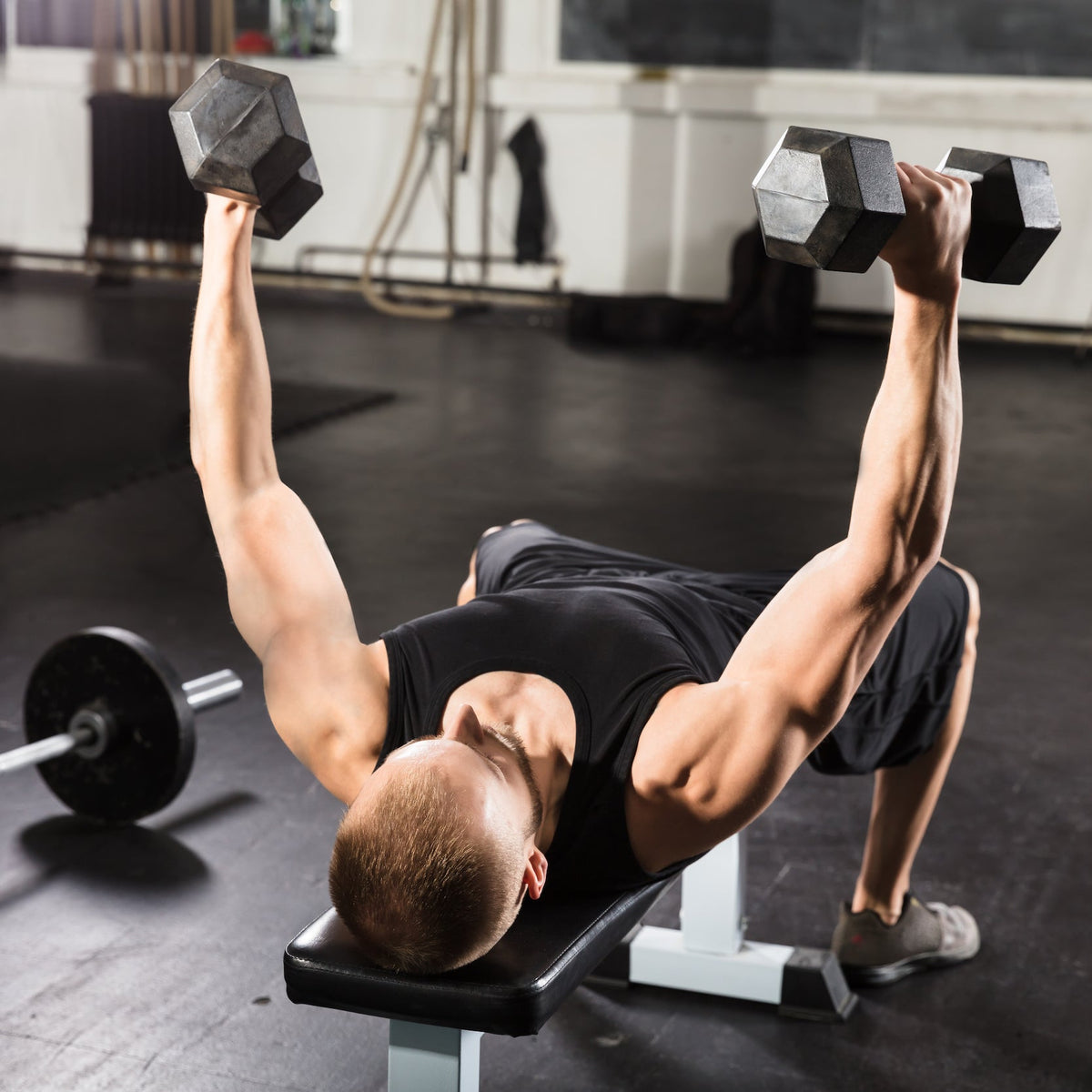
Lie flat on a bench with a dumbbell in each hand. Press the weights up until your arms are straight. Lower them slowly to your chest.
This exercise works the middle part of your chest. Keep your back flat and feet on the floor for support.
Incline Dumbbell Press
Set a bench to a 30-45 degree angle. Hold dumbbells and press them up above your chest. Lower the weights carefully back down.
This move targets the upper chest. Use slow and steady motions to avoid injury.
Dumbbell Flyes
Lie on a flat or incline bench with dumbbells in hand. Open your arms wide to the sides, then bring them back over your chest.
Dumbbell flyes stretch your chest muscles and build the outer pecs. Keep a slight bend in your elbows.
Pullover Variations
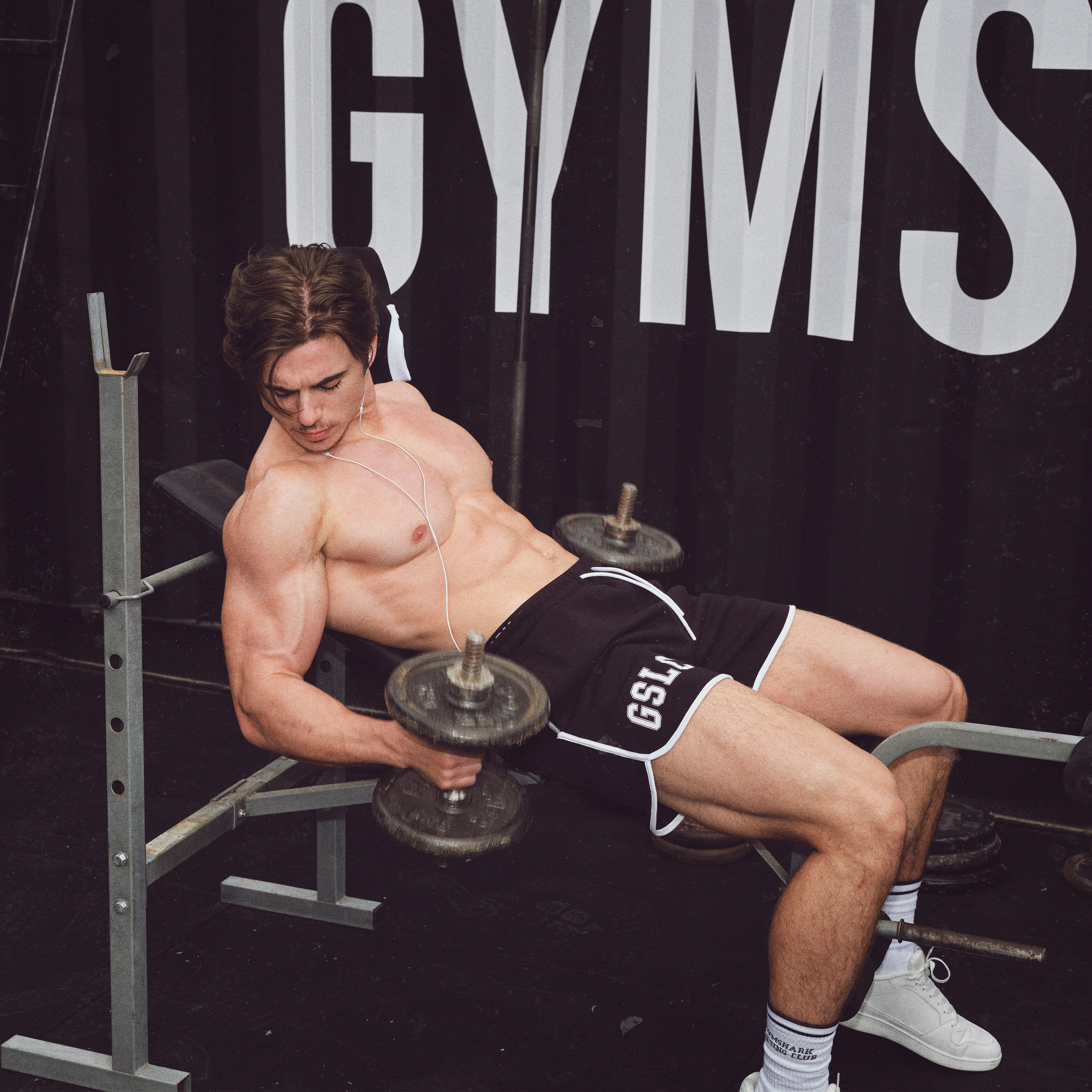
Hold one dumbbell with both hands. Lie on a bench and lower the weight behind your head. Pull it back over your chest.
This exercise works your chest and back. Keep your core tight and move slowly for control.
Credit: www.gymshark.com
Proper Form And Technique
Exercising your pecs with dumbbells helps build chest strength. Using proper form protects you from injury.
Focus on control and technique to get the best results. This guide covers grip, movement tempo, and breathing.
Grip And Hand Placement
Hold the dumbbells firmly but not too tight. Your hands should be placed so the weights feel balanced.
Keep your wrists straight and your palms facing forward or slightly inward. This targets the chest muscles well.
- Use a neutral grip for incline presses
- Keep hands shoulder-width apart
- Avoid letting wrists bend backward
Controlling Movement Tempo
Move the dumbbells slowly to avoid using momentum. A controlled tempo works muscles better.
Lower the weights in two to three seconds. Press up with steady force, taking about one second.
- Lower dumbbells slowly to feel the stretch
- Pause briefly at the bottom
- Press up smoothly without locking elbows
Breathing Patterns
Breathing properly helps keep your body stable. It also provides your muscles with needed oxygen.
Inhale as you lower the dumbbells. Exhale when you push the weights up to contract your pecs.
- Inhale deeply during the downward phase
- Exhale fully while pressing upward
- Keep breathing steady and controlled
Progression Strategies
Progression is key to building stronger pecs with dumbbells. It helps your muscles grow and avoid plateaus.
Using smart progression strategies keeps your workouts effective and safe. It also boosts your motivation.
Increasing Weight Safely
Adding more weight challenges your pec muscles to grow. Increase weight gradually to avoid injury.
Only raise dumbbell weight when you can complete your sets with good form. Do not rush the process.
- Start with light weights to learn the movement
- Add small weight increments each week
- Keep control and avoid swinging the dumbbells
- Stop increasing if you feel sharp pain
Adjusting Reps And Sets
Changing reps and sets helps your muscles adapt and grow. You can increase reps or sets for more volume.
Lower reps with heavier weights build strength. Higher reps with lighter weights improve endurance.
- Try 8-12 reps for muscle growth
- Use 3-4 sets per exercise
- Increase reps first before adding weight
- Rest 60-90 seconds between sets
Incorporating Supersets And Dropsets
Supersets and dropsets increase workout intensity. They help break plateaus and build muscle faster.
Supersets combine two exercises without rest. Dropsets lower weight after fatigue to keep working muscles.
- Superset example: Dumbbell fly + Dumbbell press
- Dropset example: Start heavy, then reduce weight twice
- Use these techniques once or twice a week
- Keep good form to avoid injury
Common Mistakes To Avoid
Exercising your pecs with dumbbells is effective if done right. Many people make simple mistakes that reduce results.
Knowing what to avoid helps you build muscle safely and quickly. Focus on good form and proper technique.
Overarching The Back
Arching your back too much strains your spine. It also takes tension off your chest muscles.
Keep your back flat on the bench or floor. Engage your core to support your spine during lifts.
- Arching puts extra pressure on your lower back
- It reduces chest muscle activation
- May cause pain or injury over time
- Maintain a neutral spine position
Using Momentum Instead Of Muscle
Swinging dumbbells or using fast movements wastes effort. It shifts work away from your pecs.
Lift slowly and control the dumbbells. Focus on squeezing your chest muscles with each rep.
- Momentum reduces muscle tension
- Fast reps risk losing form
- Controlled motion improves strength gains
- Pause briefly at the top of each lift
Neglecting Warm-up And Cool-down
Skipping warm-up makes muscles stiff and prone to injury. Cold muscles do not perform well.
Cool-down helps reduce soreness and improves recovery. Stretch your chest and arms gently after exercise.
- Warm-up with light cardio or dynamic stretches
- Cool down with static stretches
- Prepare muscles for heavy lifting
- Reduce muscle tightness after training
Sample Dumbbell Chest Workout Plan
Using dumbbells to exercise your chest is simple and effective. Dumbbells help target your pec muscles well.
This plan shows routines for beginners, intermediate, and advanced levels. Choose the one that fits your strength.
Beginner Routine
Start with light weights to learn the right form. Focus on control and slow movements.
Do these exercises two to three times a week. Rest at least one day between sessions.
- Dumbbell Chest Press – 3 sets of 10 reps
- Dumbbell Flyes – 3 sets of 8 reps
- Incline Dumbbell Press – 2 sets of 10 reps
Intermediate Routine
Use moderate weights that challenge your muscles. Keep rest time between sets short to build endurance.
Train your chest twice a week for balanced growth and strength.
- Dumbbell Chest Press – 4 sets of 12 reps
- Dumbbell Flyes – 4 sets of 10 reps
- Incline Dumbbell Press – 3 sets of 12 reps
- Incline Dumbbell Flyes – 3 sets of 8 reps
Advanced Routine
Use heavy weights with good form. Add more volume and variation to your workout.
Train your chest up to three times a week. Allow enough rest for muscle recovery.
- Dumbbell Chest Press – 5 sets of 15 reps
- Dumbbell Flyes – 5 sets of 12 reps
- Incline Dumbbell Press – 4 sets of 15 reps
- Incline Dumbbell Flyes – 4 sets of 12 reps
- Dumbbell Pullover – 3 sets of 10 reps
Recovery And Nutrition Tips
Exercising your chest muscles with dumbbells helps build strength. Recovery and nutrition are key to good results.
Proper rest and good food help your muscles grow and repair after workouts.
Rest And Muscle Repair
Your muscles need time to heal after exercise. Rest helps fix tiny muscle tears caused by workouts.
Try to get 7 to 9 hours of sleep each night. Avoid working the same muscle group two days in a row.
- Sleep 7-9 hours nightly
- Rest chest muscles 48 hours before next workout
- Use light stretching to reduce soreness
Protein Intake For Growth
Protein helps build and repair chest muscles. Eat enough protein every day to support growth.
Good protein sources include meat, eggs, beans, and dairy. Spread protein intake across meals for best results.
- Aim for 1.2 to 2.0 grams of protein per kg of body weight
- Include protein in breakfast, lunch, and dinner
- Snack on nuts or yogurt for extra protein
Hydration And Supplementation
Drink water before, during, and after workouts to stay hydrated. Water helps muscles work well and recover.
Some supplements can support recovery, like creatine or BCAAs. Talk to a doctor before using supplements.
- Drink at least 8 cups of water daily
- Consider electrolytes if you sweat a lot
- Use supplements only if needed and safe

Credit: www.youtube.com
Frequently Asked Questions
How Often Should I Exercise Pecs With Dumbbells?
For best results, train pecs 2-3 times weekly. Allow 48 hours for muscle recovery between sessions. Consistency boosts strength and muscle growth effectively.
Which Dumbbell Exercises Target Pec Muscles Best?
Dumbbell bench press, dumbbell fly, and pullover are top exercises. These moves activate chest muscles deeply for growth and definition.
Can I Build Pecs At Home With Dumbbells?
Yes, dumbbells enable effective pec workouts at home. Combine presses, flys, and push-ups for full chest engagement without gym equipment.
What Weight Of Dumbbells Is Ideal For Pec Workouts?
Choose weights challenging yet controllable for 8-12 reps per set. Gradually increase weight to avoid plateaus and build muscle steadily.
Conclusion
Dumbbell exercises build strong pec muscles effectively. Start with light weights to learn proper form. Increase weight slowly to avoid injury. Consistency helps you see steady improvement over time. Rest days let muscles recover and grow. Combine exercises for full chest development.
Keep your movements slow and controlled. Enjoy the process and stay patient. Strong pecs improve posture and upper body strength. Simple tools can create great results at home.


