
Are you ready to take your workouts to the next level with just a simple set of dumbbells? Whether you’re a beginner or looking to improve your strength training, knowing how to use dumbbells correctly can make all the difference.
In this guide, you’ll discover easy-to-follow tips and techniques that will help you build muscle, boost your confidence, and see real results faster than you think. Stick with me, and you’ll soon feel stronger, more energized, and excited about every workout.
Let’s get started!
Benefits Of Dumbbell Training
Dumbbell training is a great way to improve your fitness. It offers many benefits for your body and health. Let’s explore some of these benefits.
Using dumbbells can help you in different ways, from muscle balance to exercise variety. Here are some key benefits you can enjoy.
Improved Muscle Balance
Dumbbells help each side of your body work equally. They make sure both arms and legs get strong together. This is important for balance and strength.
When you use dumbbells, each arm lifts its own weight. This prevents one side from doing more work than the other. This helps your muscles grow evenly.
- Promotes equal muscle growth
- Reduces muscle imbalances
- Enhances overall strength
Enhanced Joint Stability
Dumbbells make your joints stronger and more stable. They let you move freely and naturally. This helps protect your joints from injury.
When lifting dumbbells, your joints learn to control the movement. This control helps with daily activities and sports. It keeps your joints healthy and flexible.
- Improves joint control
- Supports joint health
- Prevents injuries
Greater Exercise Variety
Dumbbells offer many ways to exercise. You can use them for many different workouts. This keeps your exercise routine fun and interesting.
With dumbbells, you can do exercises for all parts of your body. From arms to legs, they help you stay fit and strong.
- Allows full-body workouts
- Keeps exercises interesting
- Adapts to different fitness levels

Credit: www.youtube.com
Choosing The Right Dumbbells
Picking the right dumbbells helps you exercise safely and effectively. It suits your strength and workout space.
Learn about different types, weights, and prices. This guide helps you make a smart choice.
Fixed Vs Adjustable Dumbbells
Fixed dumbbells have one weight per pair. They are simple and ready to use. Adjustable dumbbells let you change weights on one set.
Fixed dumbbells are good for quick workouts. Adjustable ones save space and money but take more time to switch weights.
- Fixed dumbbells: easy, durable, space-consuming
- Adjustable dumbbells: flexible, compact, slightly complex
Weight Selection Tips
Choose dumbbells that match your strength and goals. Start light to learn proper form and avoid injury.
Increase weight gradually as you get stronger. Use dumbbells that challenge you but allow full control.
- Pick weights you can lift 8-12 times per set
- Use lighter weights for warm-ups and high reps
- Choose heavier weights for building strength
Budget Considerations
Dumbbell prices vary by type, brand, and weight. Fixed dumbbells often cost more if you buy many pairs.
Adjustable dumbbells are an upfront investment but save money over time. Think about how much space you have too.
- Fixed dumbbells: buy only needed weights, costs add up
- Adjustable dumbbells: one set covers many weights
- Consider durability and warranty in price
Essential Dumbbell Exercises
Dumbbells are great tools for strength training. They help build muscles at home or the gym.
This guide covers key dumbbell exercises for your upper body, lower body, and core.
Upper Body Moves
Upper body exercises with dumbbells strengthen your arms, shoulders, and chest. They improve muscle tone and endurance.
Some simple moves target these areas effectively and are easy to do.
- Bicep Curls: Lift dumbbells with your palms facing up to work your biceps.
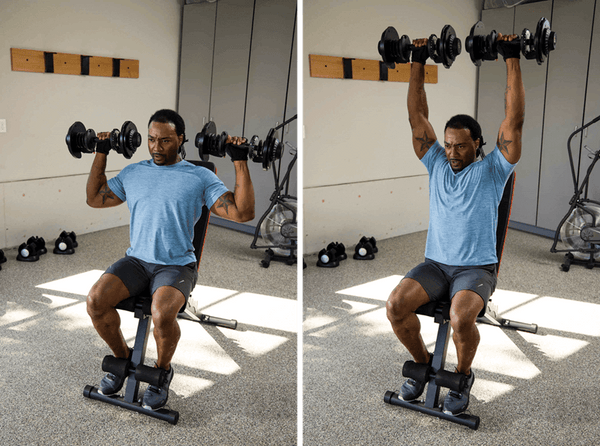
- Shoulder Press: Push dumbbells overhead to strengthen shoulders and arms.
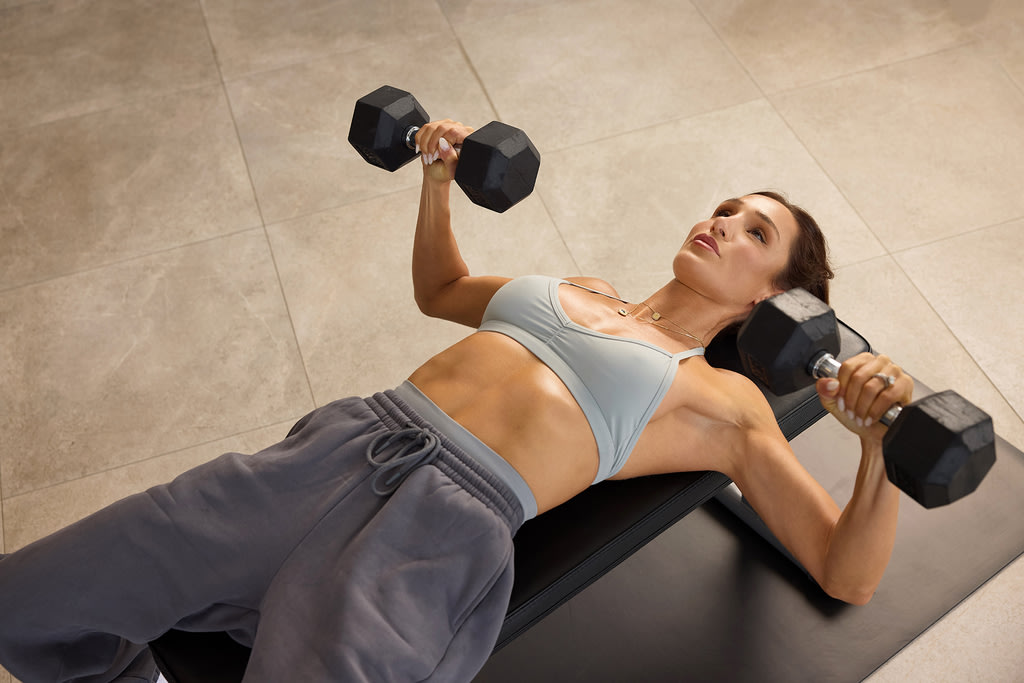
- Chest Press: Lie on a bench and press dumbbells upward to build chest muscles.
- Tricep Kickbacks: Extend your arms backward to tone triceps.
Lower Body Moves
Dumbbells add resistance to leg exercises. This helps strengthen your thighs, hips, and calves.
Try these moves to improve your lower body power and stability.
- Squats: Hold dumbbells by your sides and squat down to work your legs and glutes.
- Lunges: Step forward with dumbbells in hand and lower your body to target legs.
- Deadlifts: Keep dumbbells in front and bend at hips to strengthen hamstrings and back.
- Calf Raises: Hold dumbbells and lift your heels to strengthen calf muscles.
Core Strengtheners
Dumbbells can help build a strong core. This supports your spine and improves balance.
Use these exercises to work your abs and lower back.
- Russian Twists: Sit and twist your torso holding a dumbbell to work obliques.
- Dumbbell Side Bends: Stand and bend sideways with a dumbbell to target side muscles.
- Dumbbell Sit-Ups: Hold a dumbbell on your chest during sit-ups for extra resistance.
- Renegade Rows: In plank position, row dumbbells to strengthen core and back.
Building A Dumbbell Workout Plan
Using dumbbells in your workouts can help build strength and improve fitness. A good plan makes your exercises more effective.
This guide explains how to create a dumbbell workout plan that fits your needs. It covers goals, workout balance, and recovery.
Setting Goals And Frequency
Start by deciding what you want to achieve. Your goals guide your workout choices and schedule.
Set how often you will use dumbbells each week. Choose a frequency that fits your lifestyle and energy.
- For beginners, 2 to 3 days per week works well
- Intermediate users can train 3 to 4 days weekly
- Advanced users may train 4 to 6 days per week
- Focus on full-body workouts or split routines
Balancing Volume And Intensity
Volume means how many sets and reps you do. Intensity means how heavy your dumbbells are.
Balance volume and intensity to avoid injury and improve strength. Change these over time for progress.
- Use lighter weights with more reps for endurance
- Use heavier weights with fewer reps for strength
- Start with 2-3 sets of 8-12 reps per exercise
- Increase weight or sets gradually as you improve
Rest And Recovery
Rest is important to let your muscles heal and grow. Plan rest days between workouts.
Good sleep and nutrition support recovery. Avoid working the same muscle groups two days in a row.
- Take 48 hours of rest for muscles after heavy lifting
- Use active rest like walking or stretching on off days
- Sleep 7-9 hours each night for best recovery
- Eat protein to help muscle repair
Proper Form And Technique
Using dumbbells with the right form helps you get stronger safely. Good technique stops injuries.
Focus on slow, controlled movements. Keep your body stable and your muscles engaged.
Common Mistakes To Avoid
Avoid swinging the dumbbells or using too much weight. This can hurt your joints and muscles.
Do not lock your elbows or use momentum to lift. Keep your movements steady and controlled.
- Do not arch your back while lifting
- Keep your wrists straight, not bent
- Choose a weight you can handle with control
- Avoid jerking or quick, uncontrolled motions
Breathing And Tempo
Breathe out as you lift the dumbbells. Breathe in as you lower them back down.
Move at a steady pace. Use about two seconds to lift and two seconds to lower.
- Inhale during the easier part of the move
- Exhale during the hard part of the lift
- Keep a smooth, even speed throughout
Safety Tips
Always warm up before using dumbbells to prepare your muscles. Stretch after your workout.
Use a weight that feels challenging but safe. Stop if you feel sharp pain or discomfort.
- Check your grip to avoid dropping dumbbells
- Clear the area of obstacles before starting
- Keep your back straight and core tight
- Rest between sets to prevent fatigue

Credit: www.youtube.com
Tracking Progress And Adjustments
Tracking your progress with dumbbell exercises helps you see your gains. It also shows when to change your routine.
Making adjustments based on your progress keeps your workouts effective. It prevents plateaus and injuries.
Using Workout Logs
Workout logs record your exercises, weights, sets, and reps. They give a clear view of how you improve over time.
Write down each session’s details. This helps you track which exercises work best and when to increase intensity.
- Record dumbbell weight used
- Note number of sets and reps
- Track rest times between sets
- Write down how you feel after workouts
Progressive Overload Strategies
Progressive overload means gradually increasing the challenge in your workouts. It helps build strength and muscle.
You can add more weight, do more reps, or increase sets. Changing rest time or exercise speed also works.
- Add small weight increments
- Increase reps by 1 or 2 each session
- Do extra sets when ready
- Shorten rest periods slightly
When To Increase Weight
Increase dumbbell weight when your current load feels easy. You should complete all reps with good form.
If you finish sets without much effort or muscle fatigue, it is time to add weight. Avoid adding too much too fast.
- You complete all reps easily
- Your muscles do not feel tired
- You maintain perfect form
- You can add weight without pain
Nutrition For Strength Gains
Eating the right foods helps your muscles grow stronger. Nutrition supports your workouts and recovery.
Good nutrition fuels your body and builds strength with dumbbell training.
Protein Intake Guidelines
Protein helps repair and build muscle after workouts. You need enough protein daily for strength gains.
Try to eat 1.2 to 2.0 grams of protein per kilogram of body weight each day. Spread your protein across meals.
- Include lean meats like chicken or fish
- Use plant proteins like beans and lentils
- Eat eggs, dairy, or protein powders if needed
Hydration Importance
Water keeps your muscles working well during exercises. Staying hydrated helps strength and recovery.
Drink water before, during, and after your workouts. Dehydration can reduce muscle power and focus.
- Drink at least 8 cups of water daily
- Increase fluids if you sweat a lot
- Use electrolyte drinks if training hard or long
Supplements To Consider
Supplements can help fill gaps in your diet. They support muscle growth and energy during training.
Common supplements include protein powders, creatine, and omega-3 fatty acids.
- Protein powder:Easy way to increase protein intake
- Creatine:May improve strength and power
- Omega-3s:Support muscle recovery and reduce inflammation
Credit: sweat.com
Overcoming Plateaus
Using dumbbells helps build strength and muscle. Sometimes, your progress may slow down or stop. This is called a plateau.
To keep improving, you need to change your routine. Small changes can help break through plateaus.
Changing Up Exercises
Doing the same exercises can make your body adapt. This stops muscle growth and strength gains. Try new dumbbell exercises to challenge your muscles differently.
- Switch from dumbbell curls to hammer curls
- Try dumbbell lunges instead of squats
- Use different angles for pressing movements
- Include single-arm exercises for balance
Varying Sets And Reps
Changing the number of sets and reps helps muscles grow. Use higher reps with lighter weights sometimes. Use lower reps with heavier weights at other times.
- Try 3 sets of 12-15 reps for endurance
- Try 4-5 sets of 6-8 reps for strength
- Mix heavy and light days during the week
- Change sets and reps every few weeks
Incorporating Rest Periods
Rest is important to recover and grow muscles. Changing rest time between sets can help. Short rest builds endurance, longer rest builds strength.
- Rest 30-60 seconds for endurance training
- Rest 1-3 minutes for strength training
- Try active rest like light stretching
- Listen to your body and adjust rest time
Frequently Asked Questions
What Are The Basic Dumbbell Exercises For Beginners?
Basic dumbbell exercises include curls, presses, rows, and squats. They build strength and improve muscle tone. Start with light weights and proper form to avoid injury.
How To Choose The Right Dumbbell Weight?
Choose a weight that challenges you but allows proper form. Start light, increase gradually. The right dumbbell weight helps build strength safely and effectively.
Can Dumbbell Workouts Improve Overall Fitness?
Yes, dumbbell workouts target multiple muscle groups. They enhance strength, endurance, and flexibility. Dumbbells also improve balance and coordination when used correctly.
How Often Should I Do Dumbbell Exercises?
Aim for 2-3 sessions per week. Allow rest days for muscle recovery. Consistency is key to building strength and avoiding injury.
Conclusion
Dumbbell exercises build strength and improve fitness at home. Start with light weights and focus on form. Practice regularly for steady progress and better results. Stay patient and listen to your body’s needs. Small steps lead to big changes over time.
Keep your routine simple and enjoy the process. You can reach your goals with consistent effort. Dumbbells offer a flexible way to stay active and healthy. Give yourself time, and success will follow naturally.


